How to paddle, trek, and fish your way across Goa's backwaters and forests.
Paddling through quiet mangroves on River Nerul
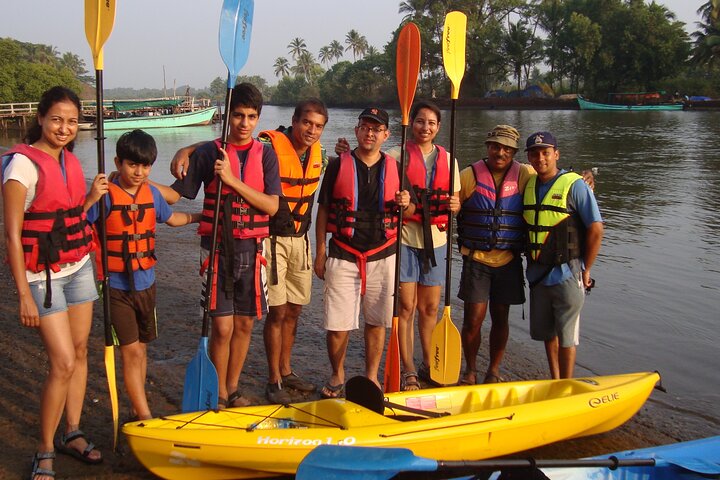
The morning alarm goes off at 6:00 AM in Panjim, long before the beach shacks start blasting music. Renting a scooter for Rs 300 a day gets you to the launch spot near Nerul bridge in under twenty minutes. Most travelers head straight to Calangute for water sports, but slipping a kayak into the calm waters of the Nerul River offers a completely different side of the state.
The Kayaking On River Nerul In Goa option runs for about 3 hours and costs from Rs 17,964, while a shorter Private Kayaking Experience with Pick Up in Goa takes about 45 minutes from Rs 6,221. If you want a deep dive into the ecosystem, the Mangroves Magic - Goa Kayaking Experience lasts about 2 hours from Rs 22,156. High tide is non-negotiable here; low tide exposes muddy banks that stall your boat, so double-check the tide charts before booking your start time.
Glide quietly along the roots of black mangroves, where mudskippers jump and kingfishers dive for breakfast. What most people get wrong is wearing heavy boots or cotton clothes; stick to synthetic board shorts and quick-drying water shoes. Bring a dry bag for your phone, because salt spray and accidental capsizes will ruin unsealed electronics instantly.
Trekking deep into Bhagwan Mahavir Wildlife Sanctuary
To trade salt water for jungle soil, take the two-hour drive east from Margao along the NH746 toward Mollem. The landscape shifts dramatically from coconut palms to thick teak canopy as you reach the foothills of the Western Ghats. This is where you sign up for the Adventure Trek at Bhagwan Mahavir Wildlife Sanctuary, which costs from Rs 1,200 per entry and guide fee.
The trail winds through dense forest for roughly four hours, crossing narrow streams that swell during the monsoon months from June to September. You can also combine this terrain with the Dudhsagar Waterfalls Trek, available from Rs 1,500, which takes a full day and involves walking along forest tracks and railway lines. Start by 7:30 AM to beat the midday humidity, which climbs quickly once you step out of the dense shade.
Leeches are an absolute guarantee between July and October, so pack knee-high gaiters and salt solution in your daypack. Avoid weekends if you want to hear hornbills rather than large tourist groups. The terrain is rocky, requiring sturdy trail runners or broken-in hiking boots rather than basic sneakers.
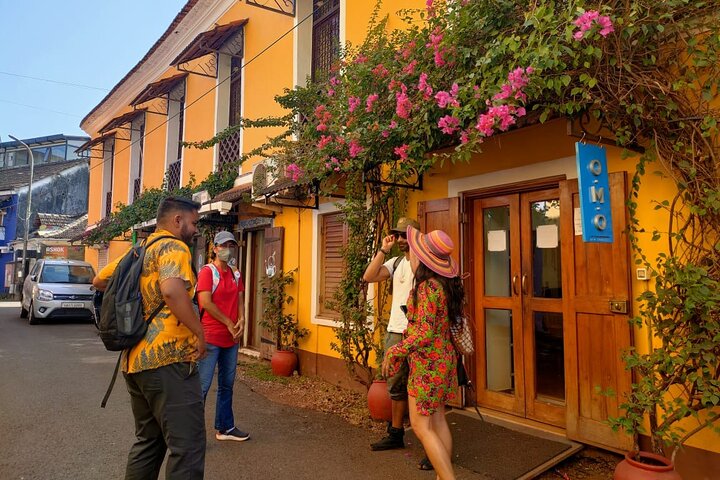
Fontainhas Heritage Walk in Panjim Goa
Early morning birding across Chorao Island
Board the free car ferry from Ribandar ramp at 6:30 AM to cross the Mandovi River to Chorao Island. The short ten-minute crossing drops you right at the entry of Dr. Salim Ali Bird Sanctuary. Entry is remarkably cheap—Birdwatching at Chorao Island costs from Rs 15 per person—making it one of the best value outdoor excursions in the region.
A paved boardwalk stretches through the mangrove swamp for roughly two kilometers, taking around ninety minutes to walk at a slow, scanning pace. October to March brings migratory species like pintails, white-bellied sea eagles, and western reef herons to the mudflats. If you arrive past 9:00 AM, the heat drives the birds deep into the canopy and you will end up staring at empty branches.
Do not rely on local cafes inside the sanctuary because there are none. Carry two liters of drinking water and a pair of 8x42 binoculars. Hiring a local forest guide at the entrance gate for a small tip is worth every rupee, as they spot well-camouflaged bitterns and otters that untrained eyes miss completely.
Premium Guided Kayak Tours in the Pristine River Chapora.
Offshore deep-sea fishing beyond the breakers
Leaving the coast behind requires a trek down to Sinquerim or Brittona jetty around 6:00 AM, where wooden trawlers prepare for open water. A Deep-Sea Fishing Trip in Goa - shared basis takes about half a day and starts from Rs 32,535 for a group charter setup. You travel three to five nautical miles out, past the rolling breakers into deeper waters where kingfish, barracuda, and red snapper feed.
The boat ride out takes about forty-five minutes before the captain drops anchor near submerged rocky reefs. High season runs from November through April when seas are flat and predictable; operations shut down entirely during the heavy monsoon swell between June and September. Bring motion sickness pills if you lack sea legs, as rolling swells on an anchored boat can test anyone's stomach.
Most people assume you keep everything you catch, but sustainable operators promote catch-and-release for larger game fish while keeping a couple of table-sized snappers for a beachside grill later. It is exhausting work holding heavy trolling rods under the open sun, so broad-brimmed hats and polarized sunglasses are essential gear.
Mapusa Local Market visit with a home cooked lunch
Ready-made plans
Start a trip to Goa
Day-by-day plans built on real bookable activities. Copy one and make it yours.