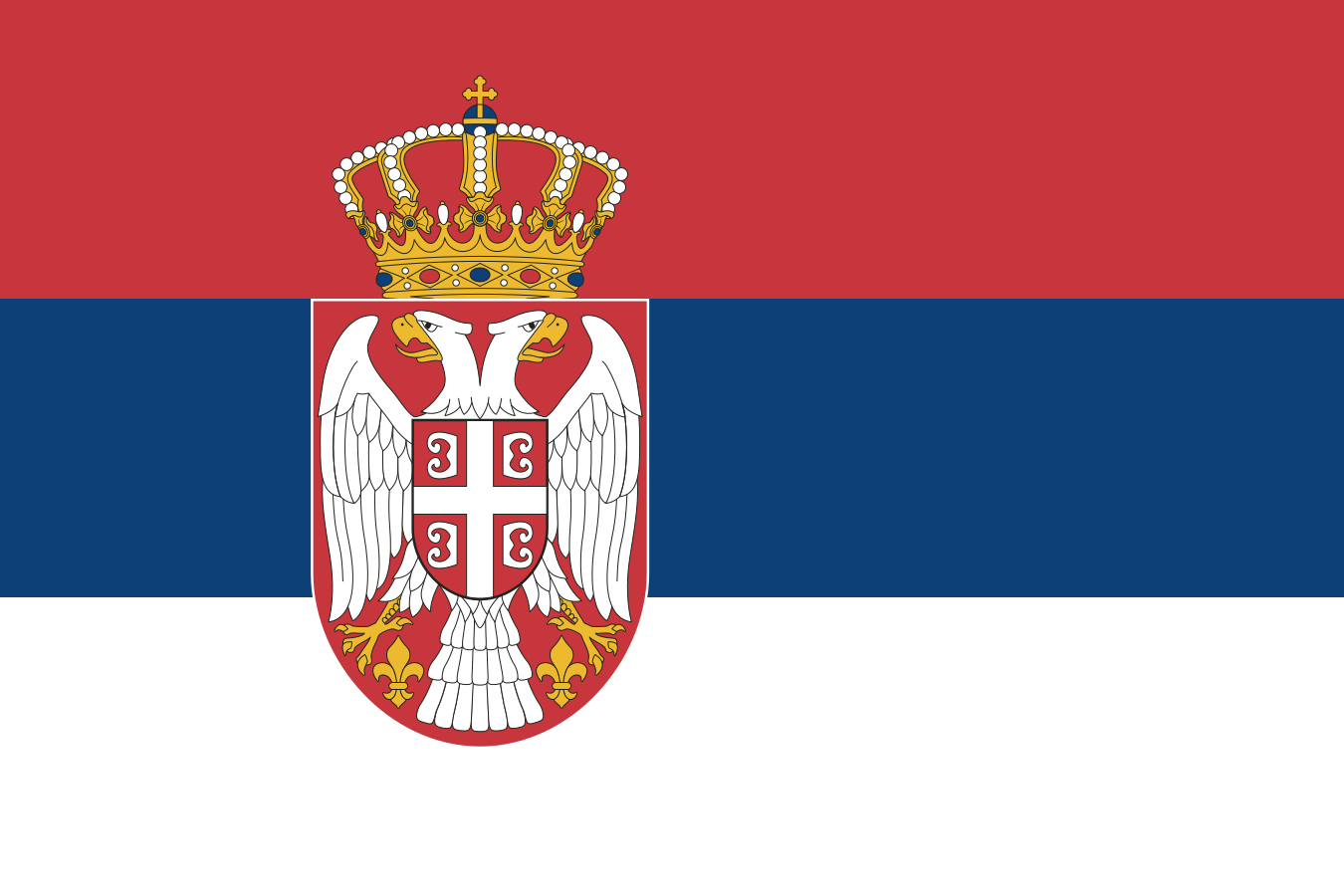
Žitorađa is a small town and municipality located in the southern part of Serbia. It is situated within the Toplica District. While detailed historical records specific to Žitorađa might not be extensively documented, the region itself has a rich history, influenced by various cultures and empires over the centuries.
Historical Background:
-
Ancient and Medieval Periods:
- The area around Žitorađa has been inhabited since ancient times, with the presence of various tribes and cultures, including the Thracians and Illyrians.
- During the Roman period, the region was part of the Roman Empire's vast territories. The Romans established roads and infrastructure, some remnants of which might still be present in the broader region.
-
Ottoman Rule:
- Like much of Serbia, Žitorađa came under Ottoman rule, which lasted for several centuries. The Ottoman Empire had a significant influence on the culture, architecture, and demographics of the region.
- The struggle for independence from Ottoman rule was a pivotal period in the history of Serbia, impacting the entire region, including Žitorađa.
-
Modern History:
- In the 19th century, Serbia gradually gained independence from the Ottoman Empire, and this period was marked by the establishment of a modern Serbian state.
- During the 20th century, Serbia, including the Žitorađa region, experienced significant upheavals, including both World Wars and the breakup of Yugoslavia in the 1990s.
Significant Events:
- Serbian Uprisings: The region was part of the broader national movement for independence from the Ottomans in the 19th century.
- World Wars: Žitorađa, like many areas in Serbia, was affected by the World Wars, with local involvement in resistance movements.
Notable Figures:
- While specific notable historical figures from Žitorađa itself may not be widely recognized, the region has contributed to the broader cultural and historical narrative of Serbia.
Landmarks:
- Churches: The area is likely to feature Orthodox Christian churches, which are central to Serbian culture and history.
- Natural Features: The southern Serbian landscape around Žitorađa, including hills and rivers, plays a role in its local culture.
Cultural and Social Aspects:
- The town and surrounding region are known for their agricultural activities, with a focus on crops such as wheat and corn, which is reflected in the name "Žitorađa" (derived from "žito," meaning grain).
Overall, while Žitorađa itself may not be widely known on an international scale, it is a part of a region with rich historical and cultural significance in Serbia. More detailed information might be available through local historical archives or regional studies.