
Zamora
· MX

Zamora

Zamora, Michoacan, Mexico

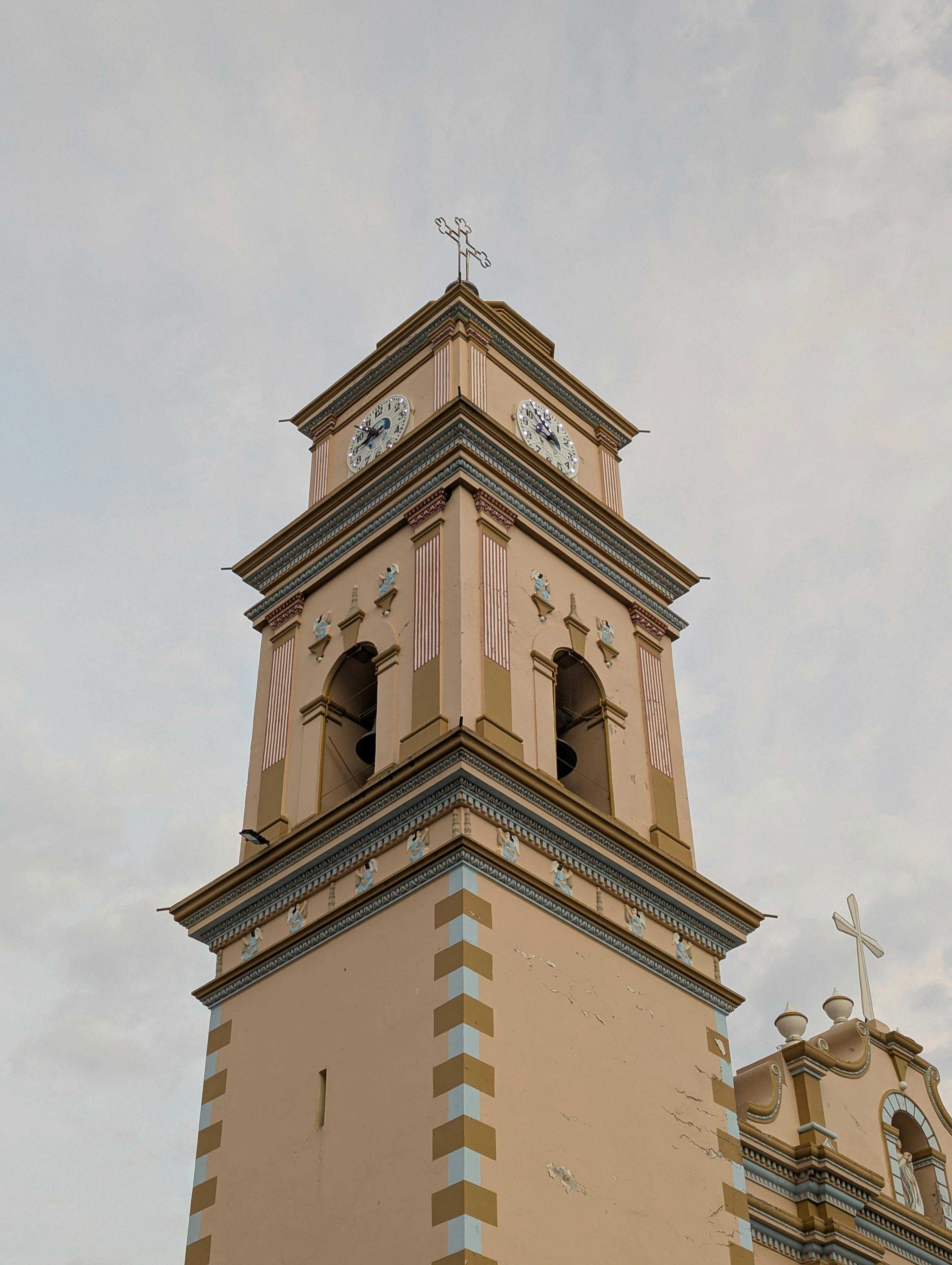
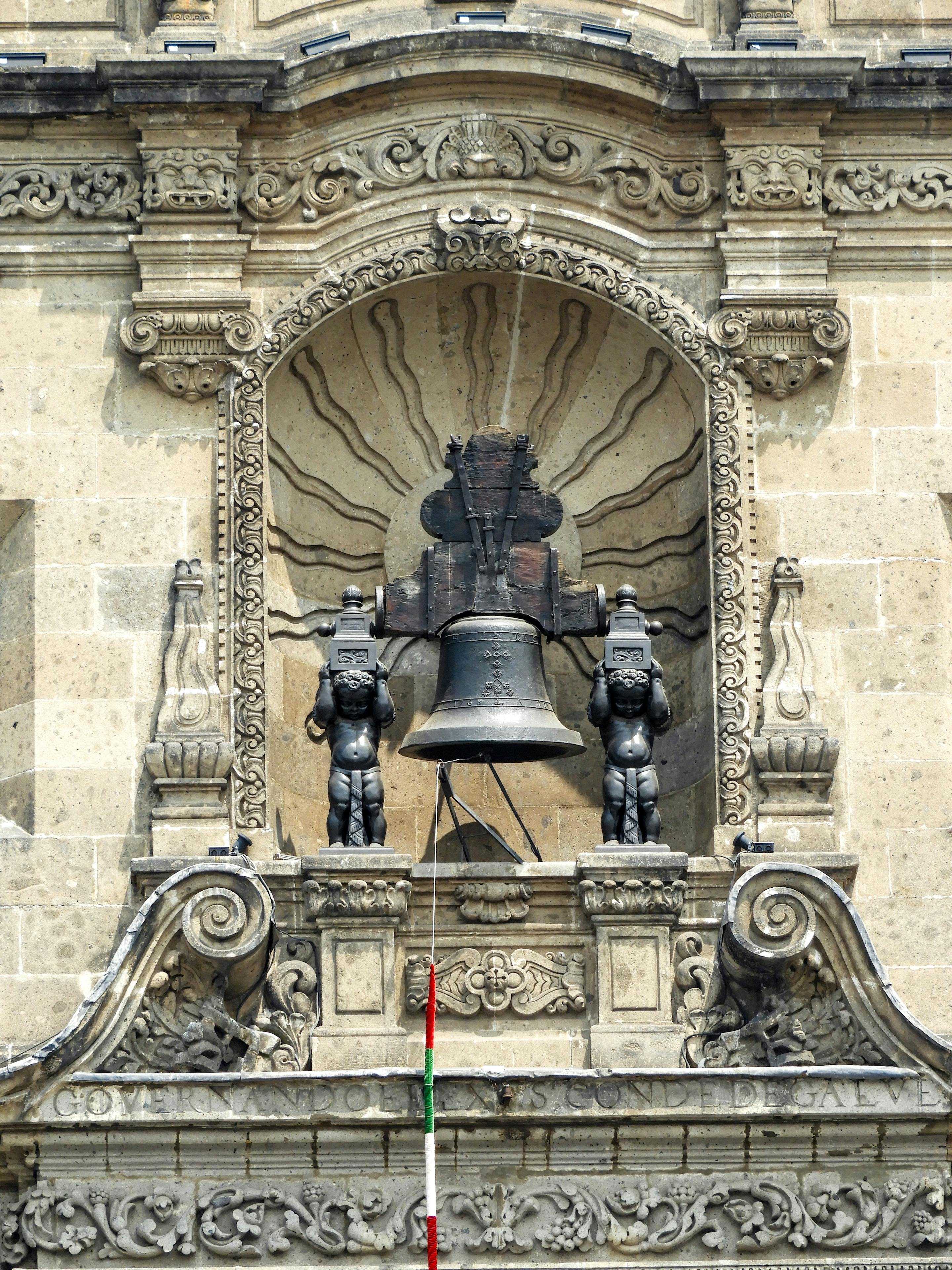
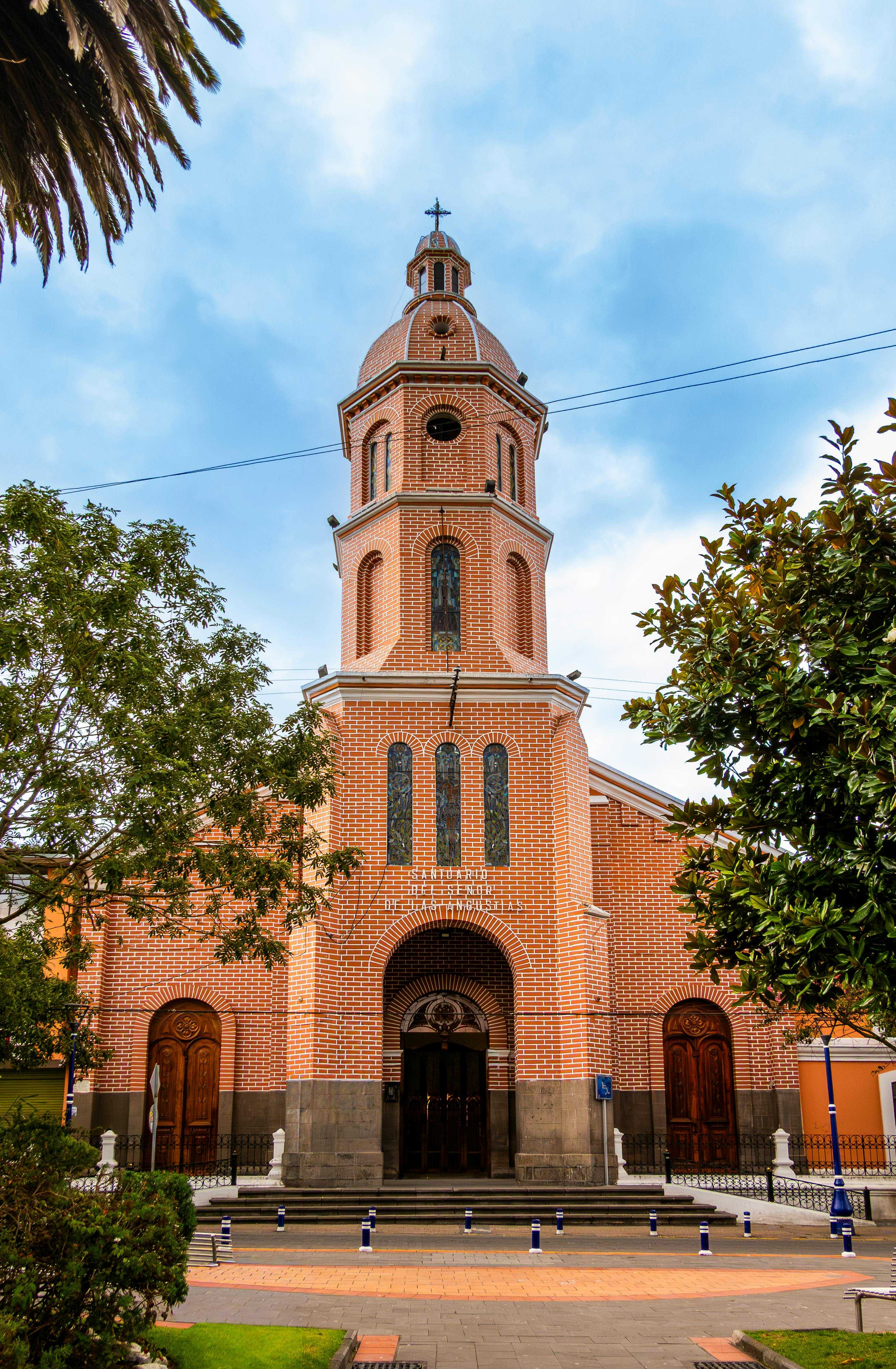
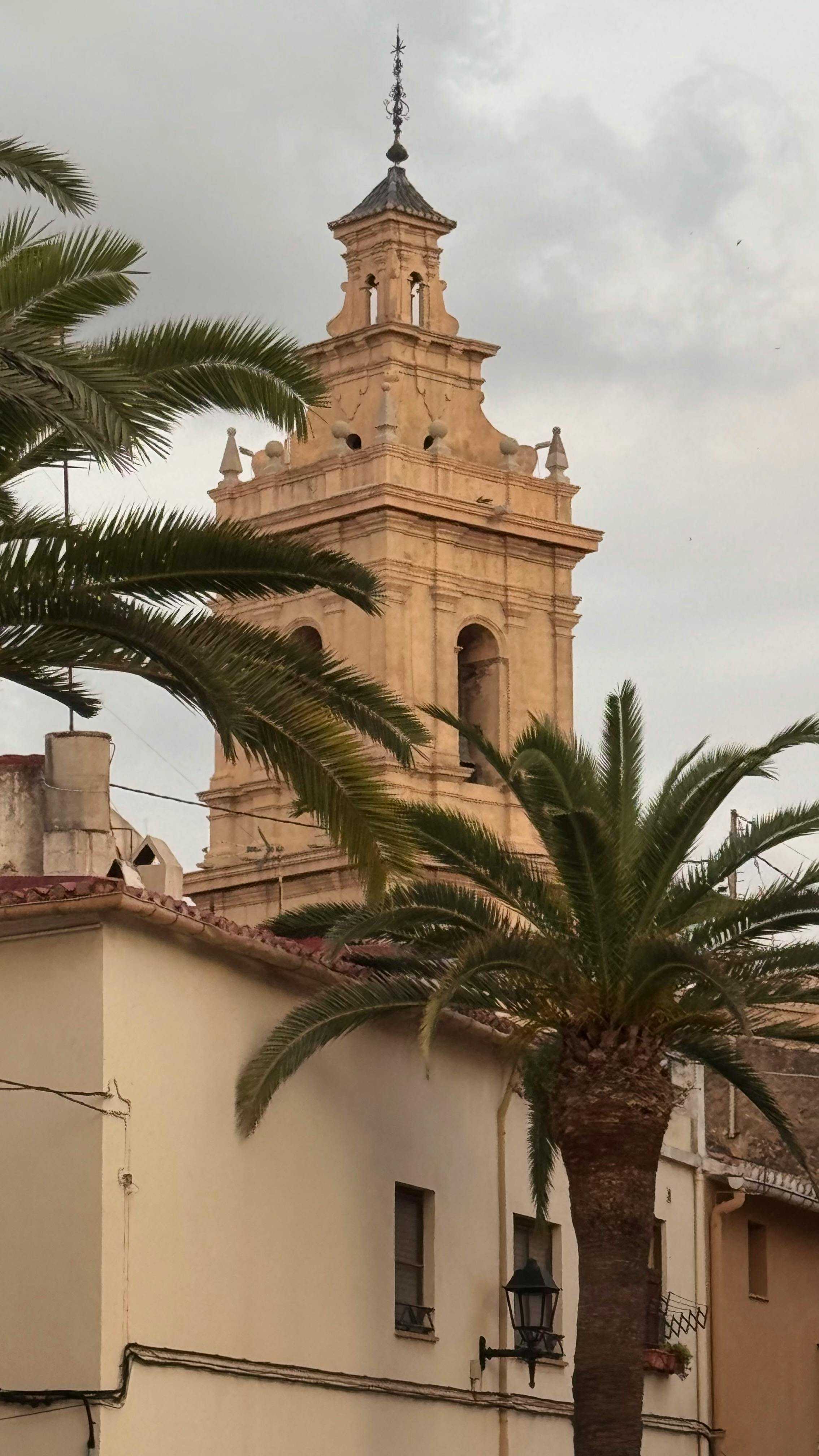
Step Back in Time in Zamora, Michoacán: The "City of Ash and Iron" Nestled in the heart of Michoacán, Mexico, Zamora beckons travelers with a captivating blend of history, culture, and natural beauty. Known as the "City …

#Zamora#Michoacán#Mexico#Historic city#Cultural heritage
1/4

Top hotels & flights

Hand-picked stays and the best fares into Zamora.

Top Hotels in Zamora

Top Flights to Zamora

Location videos

Real reels from travelers, plus longer watches to get the full picture.

From travelers

Practical info

The essentials for planning your time in Zamora.

Currency
$ | MXN | Mexican Peso
Population
207860.0
Languages
Spanish, Spanish
Average weather
Zamora
Jan
cold
10°1°
Feb
cold
12°2°
Mar
cloud
15°3°
Apr
rain
17°5°
May
sun
21°8°
Jun
sun
27°12°
Jul
hot
31°15°
Aug
hot
31°15°
Sep
sun
26°12°
Oct
cloud
19°8°
Nov
rain
13°4°
Dec
cold
10°2°

Local guide

What travelers love, what to watch for, and a deeper read on Zamora.

What people love

Traveling to Zamora, Michoacán, Mexico, can offer several benefits and unique experiences. Here are some of the pros of visiting this city:

  1. Cultural Heritage: Zamora is known for its rich cultural heritage. Visitors can explore historical sites and appreciate the city's colonial architecture. The Cathedral of Our Lady of Guadalupe, also known as the Sanctuary of Our Lady of Guadalupe, is a stunning example of Gothic architecture and a must-visit landmark.

  2. Culinary Experience: The region is famous for its traditional Mexican cuisine. Visitors can enjoy local dishes and delicacies, including regional specialties such as carnitas, uchepos (corn tamales), and chongos zamoranos, a traditional dessert made from curdled milk.

  3. Festivals and Events: Zamora hosts various festivals and events throughout the year, providing an opportunity to experience local traditions and celebrations. These events often feature music, dance, and cultural performances.

  4. Natural Beauty: The surrounding area of Zamora offers beautiful natural landscapes, including lakes, mountains, and forests. This makes it an excellent destination for outdoor activities such as hiking, bird watching, and exploring nature.

  5. Friendly Atmosphere: Zamora is known for its warm and welcoming atmosphere. Visitors often find the local people to be friendly and hospitable, making for an enriching travel experience.

  6. Art and Crafts: The city and its surrounding areas are home to artisans who produce beautiful crafts, including pottery, textiles, and more. Visitors can shop for unique souvenirs and support local craftsmanship.

  7. Accessibility: Zamora is relatively easy to reach from major cities in Mexico, making it a convenient travel destination for those exploring the state of Michoacán and the broader region.

These aspects make Zamora an attractive destination for travelers interested in culture, history, cuisine, and natural beauty.

What to know

Unfortunately, I couldn't find specific information on the cons of traveling to Zamora, Michoacán, Mexico. It's always a good idea to check the latest travel advisories, be aware of any safety concerns, and take necessary precautions when visiting any destination. If you have any specific concerns or questions about traveling to Zamora, feel free to ask, and I'll do my best to assist you.

Zamora de Hidalgo, commonly referred to as Zamora, is a city located in the state of Michoacán, Mexico. It has a rich history, marked by significant events and the presence of notable landmarks.

Early History

  • Pre-Columbian Period: The region around what is now Zamora was originally inhabited by various indigenous groups, including the Purépecha. The area was part of the Purépecha Empire, which was a significant pre-Columbian civilization in western Mexico.

Colonial Period

  • Founding: Zamora was officially founded on January 18, 1574, by Spanish settlers. It was named after the city of Zamora in Spain. The settlement was established to help consolidate Spanish control over the region and to promote agricultural development.

  • Development: During the colonial period, Zamora became an important agricultural and trade center due to its fertile lands. It was particularly noted for the production of wheat, maize, and other crops.

19th Century

  • Independence Era: During the Mexican War of Independence, like many other cities in Mexico, Zamora experienced turmoil. The city and its surrounding areas saw various skirmishes and conflicts as insurgents and royalist forces vied for control.

  • Post-Independence: After Mexico gained independence in 1821, Zamora continued to grow as a regional economic hub. In 1825, it was designated as a city and became the seat of the newly created Diocese of Zamora in 1863, reflecting its importance in the region.

20th Century to Present

  • Modern Development: Throughout the 20th century, Zamora expanded its infrastructure and economy. The city became known for its agricultural products, particularly strawberries, making it an important part of Mexico’s agricultural sector.

  • Cultural and Religious Significance: Zamora is known for its religious architecture. One of its most significant landmarks is the Cathedral of Our Lady of Guadalupe, an impressive neo-gothic structure that began construction in 1898 and is one of the tallest cathedrals in Mexico. Another important church is the San Francisco Church, built in the 16th century.

  • 21st Century: Today, Zamora is a thriving city with a blend of historical and modern influences. It continues to be an important agricultural center and is known for its cultural events and festivals.

Notable Figures

  • José María Morelos: While not from Zamora, José María Morelos was a key leader in the Mexican War of Independence who had influence over the region.

  • Rafael Guízar y Valencia: A significant religious figure who served as the Bishop of Zamora before becoming the Bishop of Veracruz. He was canonized as a saint by the Catholic Church.

Important Landmarks

  • Cathedral of Our Lady of Guadalupe: Known for its neo-gothic architecture, this cathedral is a central feature of Zamora and attracts many visitors.

  • San Francisco Church: A historical church that reflects the colonial past of the city.

  • Regional Museum of Zamora: Offers insights into the history and culture of the region.

Zamora continues to be a city that blends its rich historical past with modern development, playing a vital role in the cultural and economic landscape of Michoacán.