



Top hotels & flights
Hand-picked stays and the best fares into Yellowknife.
Top Hotels in Yellowknife
Top Flights to Yellowknife
Location videos
Real reels from travelers, plus longer watches to get the full picture.
Practical info
The essentials for planning your time in Yellowknife.


Local guide
What travelers love, what to watch for, and a deeper read on Yellowknife.
What people love
Yellowknife, located in the Northwest Territories of Canada, offers a unique travel experience with several pros:
-
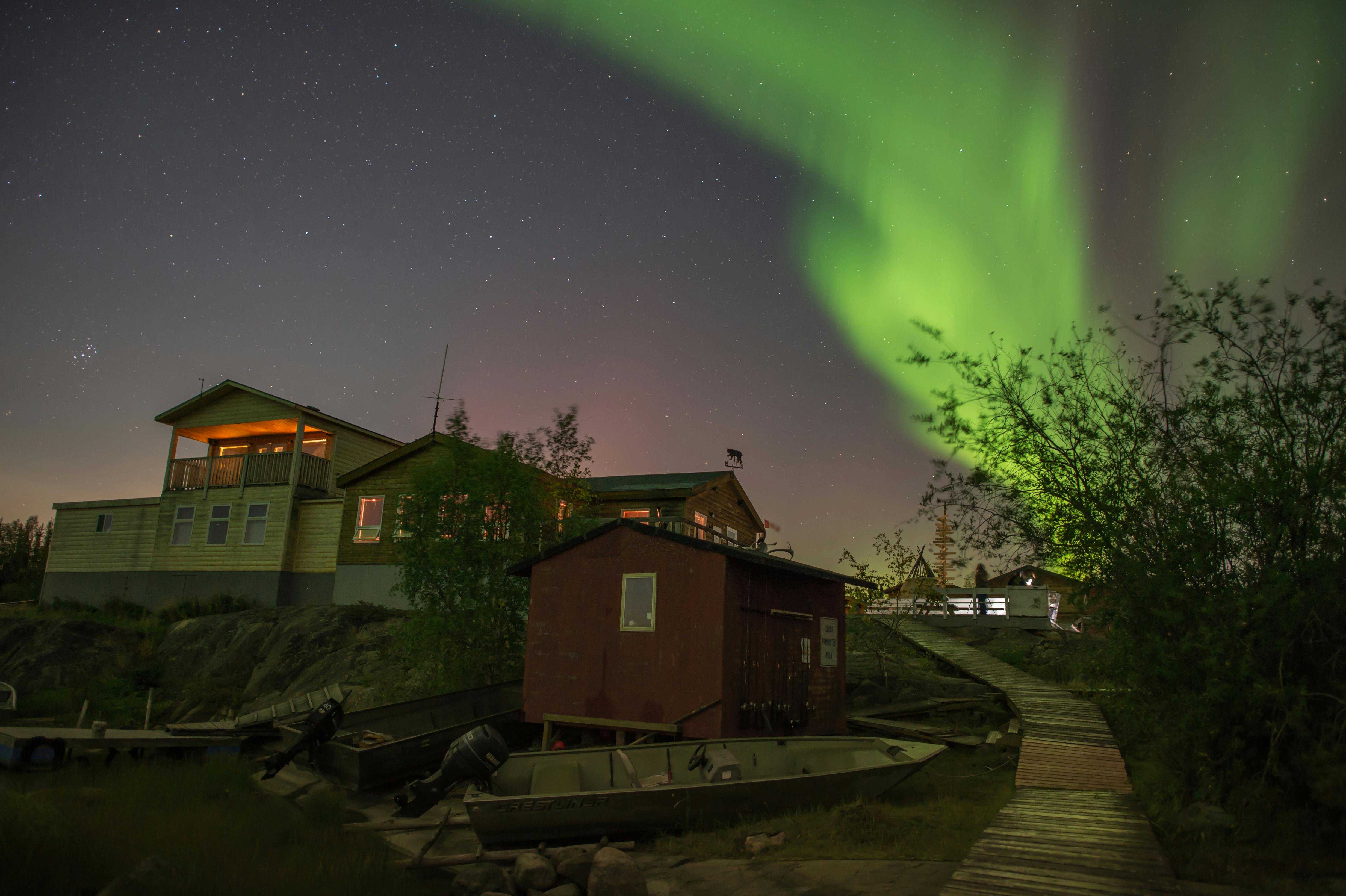
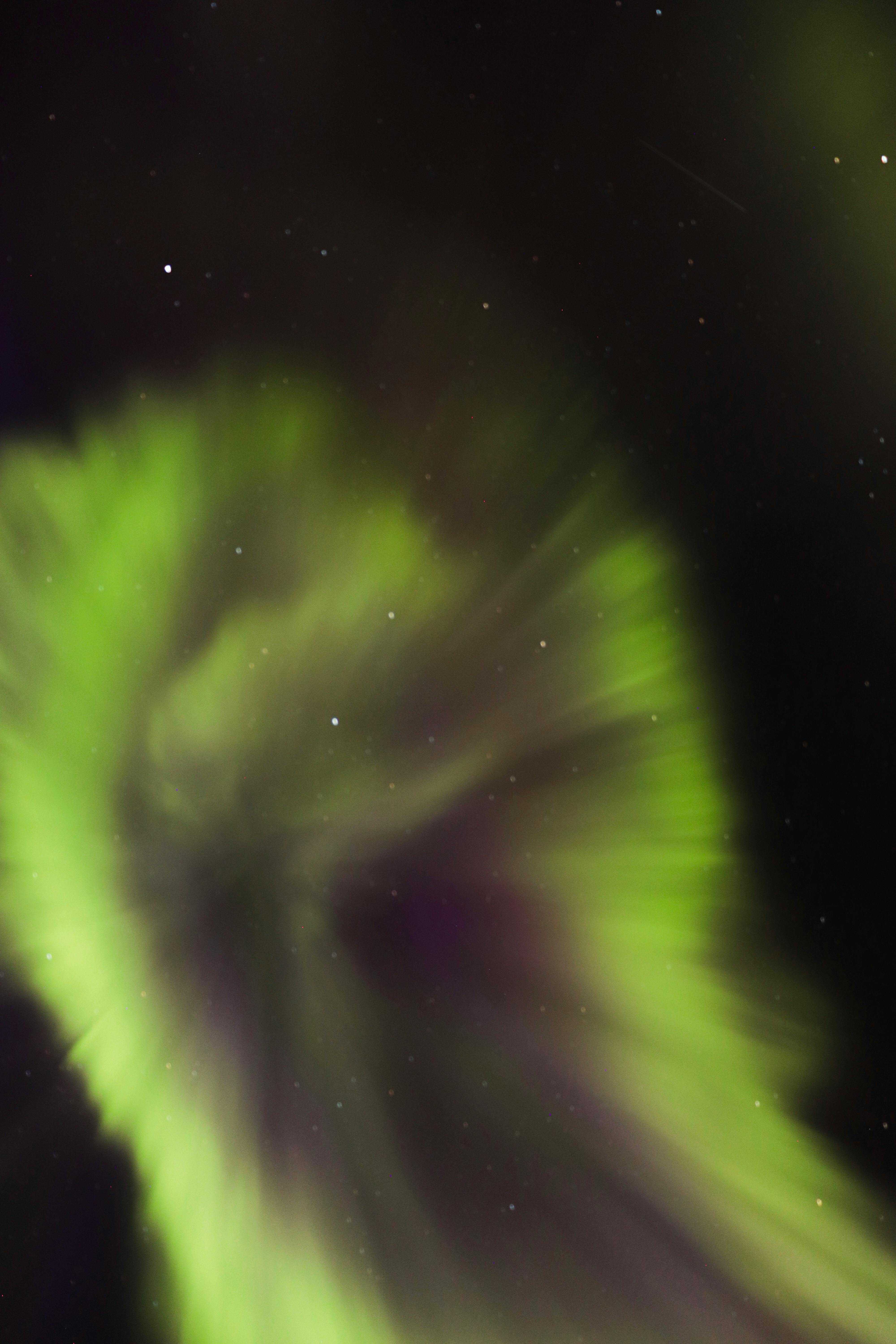
Northern Lights: Yellowknife is known as one of the best places in the world to witness the mesmerizing Northern Lights (Aurora Borealis). The city's location within the auroral oval provides excellent viewing opportunities, especially during the winter months.
-
Outdoor Adventures: Yellowknife is a paradise for outdoor enthusiasts. Visitors can enjoy activities such as dog sledding, ice fishing, snowmobiling, cross-country skiing, and hiking in the surrounding wilderness. The Great Slave Lake offers opportunities for fishing and boating in the summer.
-
Indigenous Culture: The region is home to diverse Indigenous cultures, and visitors can learn about traditional practices, art, and history through cultural tours and events. The Prince of Wales Northern Heritage Centre in Yellowknife showcases exhibits on Indigenous history and art.
-
Unique Wildlife: Yellowknife is a great place to observe wildlife such as caribou, moose, foxes, and a variety of bird species. Nature lovers can explore the nearby parks and reserves to spot these animals in their natural habitat.
-
Scenic Beauty: The pristine landscapes of Yellowknife, including boreal forests, crystal-clear lakes, and rocky terrain, offer stunning photo opportunities. Visitors can enjoy breathtaking views of the natural surroundings and experience the tranquility of the northern wilderness.
-
Midnight Sun: During the summer months, Yellowknife experiences the phenomenon of the Midnight Sun, where the sun remains visible for almost 24 hours a day. This unique natural occurrence provides an unforgettable experience for travelers looking to enjoy extended daylight hours.
Overall, traveling to Yellowknife offers a blend of natural beauty, outdoor adventures, cultural experiences, and unique natural phenomena that make it a compelling destination for those seeking an authentic northern Canadian experience.
What to know
Some potential cons of traveling to Yellowknife, Northwest Territories, Canada include:
-
Harsh weather conditions: Yellowknife experiences long, cold winters with temperatures frequently dropping below freezing. This extreme cold can be challenging for travelers not accustomed to such conditions.
-
Limited transportation options: Yellowknife is a remote location with limited transportation options. Flights to and from the city may be expensive and infrequent, especially during certain times of the year.
-
Remote location: Yellowknife is located far from major urban centers, which can make it difficult to access certain amenities or services that may be more readily available in larger cities.
-
High cost of living: Like many remote northern locations, the cost of living in Yellowknife can be relatively high, which may impact travelers' budgets.
-
Limited tourist infrastructure: While Yellowknife offers unique attractions such as the Northern Lights and outdoor activities like dog sledding and ice fishing, the city may not have as developed tourist infrastructure compared to more popular destinations.
It's important to note that these cons may vary depending on individual preferences and travel expectations. It's always a good idea to research and plan ahead when considering a trip to Yellowknife.