
Yangon
· MM

Yangon

Yangon, Burma

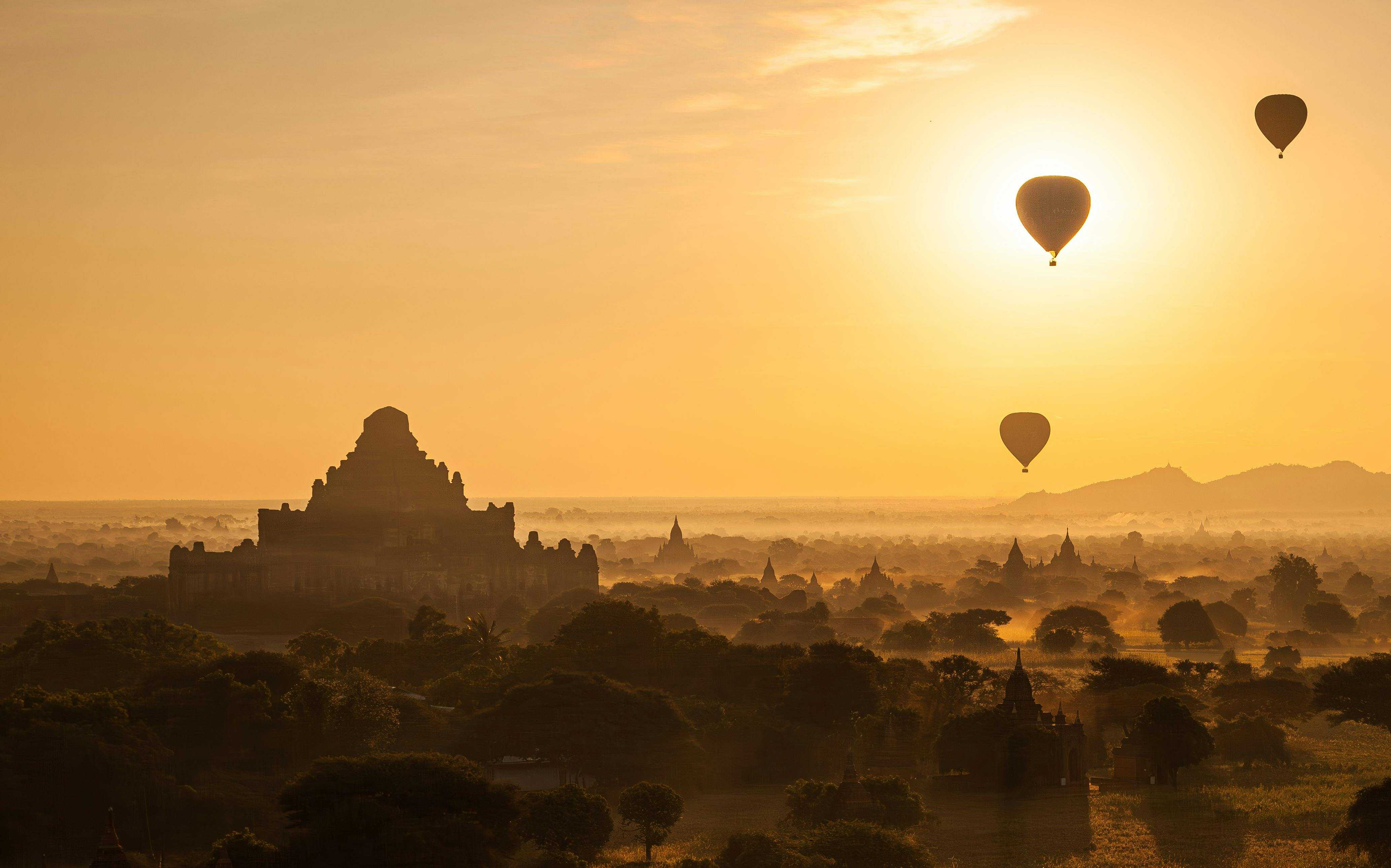
Yangon: Where Golden Pagodas Meet Colonial Charm Yangon, the former capital of Myanmar (Burma), is a city of captivating contrasts. Here, the gilded spires of ancient pagodas pierce a skyline punctuated by the faded gran…

#Capital city#Cultural hub#Historic sites#Burmese cuisine#Colonial architecture
1/5

Top hotels & flights

Hand-picked stays and the best fares into Yangon.

Top Hotels in Yangon

Top Flights to Yangon

Location videos

Real reels from travelers, plus longer watches to get the full picture.

From travelers

Practical info

The essentials for planning your time in Yangon.

Currency
K | MMK | Burmese Kyat
Population
7.3 million
Languages
Burmese, Burmese, English

Local guide

What travelers love, what to watch for, and a deeper read on Yangon.

What people love

Yangon, the former capital of Burma, now known as Myanmar, is a city with a rich history and vibrant culture. Here are some of the pros of traveling to Yangon:

  1. Shwedagon Pagoda: One of the most iconic landmarks in Yangon is the Shwedagon Pagoda, a stunning golden stupa that is over 2,500 years old. It is the most sacred Buddhist pagoda in Myanmar and a must-visit for anyone traveling to Yangon.

  2. Colonial Architecture: Yangon boasts a unique blend of colonial architecture, showcasing buildings from the British colonial era. Walking around the city, you can admire the grandeur of structures such as the Yangon City Hall and the Secretariat Building.

  3. Street Food: Yangon is a paradise for food lovers, with a wide variety of street food stalls and local eateries offering delicious Burmese cuisine. Don't miss trying out traditional dishes like Mohinga (fish noodle soup) and Shan noodles.

  4. Cultural Diversity: Yangon is a melting pot of different cultures and ethnicities, making it a fascinating place to explore. You can visit vibrant markets, interact with friendly locals, and learn about the diverse traditions and customs of Myanmar.

  5. Yangon River: The city is situated near the Yangon River, providing opportunities for scenic boat rides and waterfront dining experiences. You can take a cruise along the river to enjoy panoramic views of the city skyline.

  6. Shopping: Yangon offers a range of shopping options, from bustling markets like Bogyoke Aung San Market, where you can buy souvenirs and local handicrafts, to modern shopping malls with international brands.

  7. Friendly Locals: Myanmar is known for its warm hospitality, and the people of Yangon are no exception. You'll be greeted with smiles and kindness wherever you go, making your travel experience even more enjoyable.

Overall, traveling to Yangon offers a unique blend of history, culture, and culinary delights that are sure to leave a lasting impression on any visitor.

What to know

Some potential cons of traveling to Yangon, located in Myanmar (formerly known as Burma), include:

  1. Political Instability: Myanmar has experienced periods of political unrest and instability in recent years, which can impact travel plans and safety.

  2. Health Concerns: Like many developing countries, Myanmar faces challenges with healthcare infrastructure and access to clean water. Travelers may be at risk of contracting diseases such as dengue fever, malaria, and foodborne illnesses.

  3. Limited Infrastructure: Myanmar is still developing its infrastructure, which means that transportation and communication systems may not be as reliable or efficient as in other countries.

  4. Cultural Sensitivities: Travelers should be mindful of local customs and traditions, as Myanmar is a predominantly Buddhist country with its own unique cultural practices and social norms.

  5. Language Barrier: While English is spoken in some tourist areas, language barriers may still pose a challenge for travelers who do not speak Burmese.

  6. Monsoon Season: Yangon experiences a monsoon season from May to October, which can bring heavy rainfall and potential flooding, affecting travel plans.

It's important to conduct thorough research and stay informed about the current situation in Myanmar before planning a trip to Yangon.

Yangon, formerly known as Rangoon, is the largest city in Myanmar (Burma) and has a rich and complex history. Here is a detailed account of its history, significant events, historical figures, and important landmarks:

Early History

  • Foundation and Early Settlements: Yangon was originally a small fishing village known as Dagon, centered around the Shwedagon Pagoda, which is believed to have been founded over 2,500 years ago. The pagoda is one of the most significant religious sites in Myanmar, believed to enshrine relics of the four previous Buddhas.

Colonial Era

  • 1755: King Alaungpaya, the founder of the Konbaung Dynasty, conquered Dagon and renamed it "Yangon," meaning "End of Strife."
  • 1824-1826: During the First Anglo-Burmese War, the British briefly occupied Yangon.
  • 1852: The city became a major British administrative center after the Second Anglo-Burmese War, when the British annexed Lower Burma.
  • 1853-1948: Yangon was developed into a significant commercial and political hub under British rule, and it was the capital of British Burma. The city's infrastructure, including roads, railways, and public buildings, was significantly expanded.

20th Century

  • World War II: Yangon was occupied by Japanese forces from 1942 until 1945, during which significant parts of the city were damaged.
  • Post-War and Independence: After the war, Yangon resumed its role as the capital of Burma. On January 4, 1948, Burma gained independence from British rule.

Post-Independence and Political Changes

  • 1962: General Ne Win led a coup d'état, and Yangon saw the nationalization of businesses and the establishment of a socialist state.
  • 1988 Uprisings: Yangon was a focal point for the pro-democracy protests. The military violently suppressed the uprisings.
  • 1989: The military government changed the city's name from Rangoon to Yangon and the country's name from Burma to Myanmar.

Recent History

  • 2005: The military junta moved the national capital from Yangon to Naypyidaw.
  • 2010s: Yangon has experienced economic growth and development, with increased foreign investment and urbanization. However, political tensions occasionally arise.

Important Landmarks

  1. Shwedagon Pagoda: An iconic Buddhist stupa that dominates the city's skyline and is a significant pilgrimage site.
  2. Sule Pagoda: Located in the city center, this pagoda is a historical landmark with a history dating back over 2,000 years.
  3. Yangon City Hall: A colonial-era building that remains a hub for city administration.
  4. Bogyoke Aung San Market: A major bazaar in central Yangon, known for its colonial architecture and a wide array of goods.
  5. Kandawgyi Lake and Park: A popular recreational area with a view of the Shwedagon Pagoda.

Notable Figures

  • Aung San: A national hero and key figure in Burma's independence movement. He was assassinated in 1947.
  • Aung San Suu Kyi: Nobel laureate and prominent political leader who has played a crucial role in Myanmar's modern political landscape.

Yangon's history reflects the broader narrative of Myanmar, marked by its colonial past, struggles for independence, and ongoing political challenges. Its landmarks and historical figures continue to shape its identity as a city.