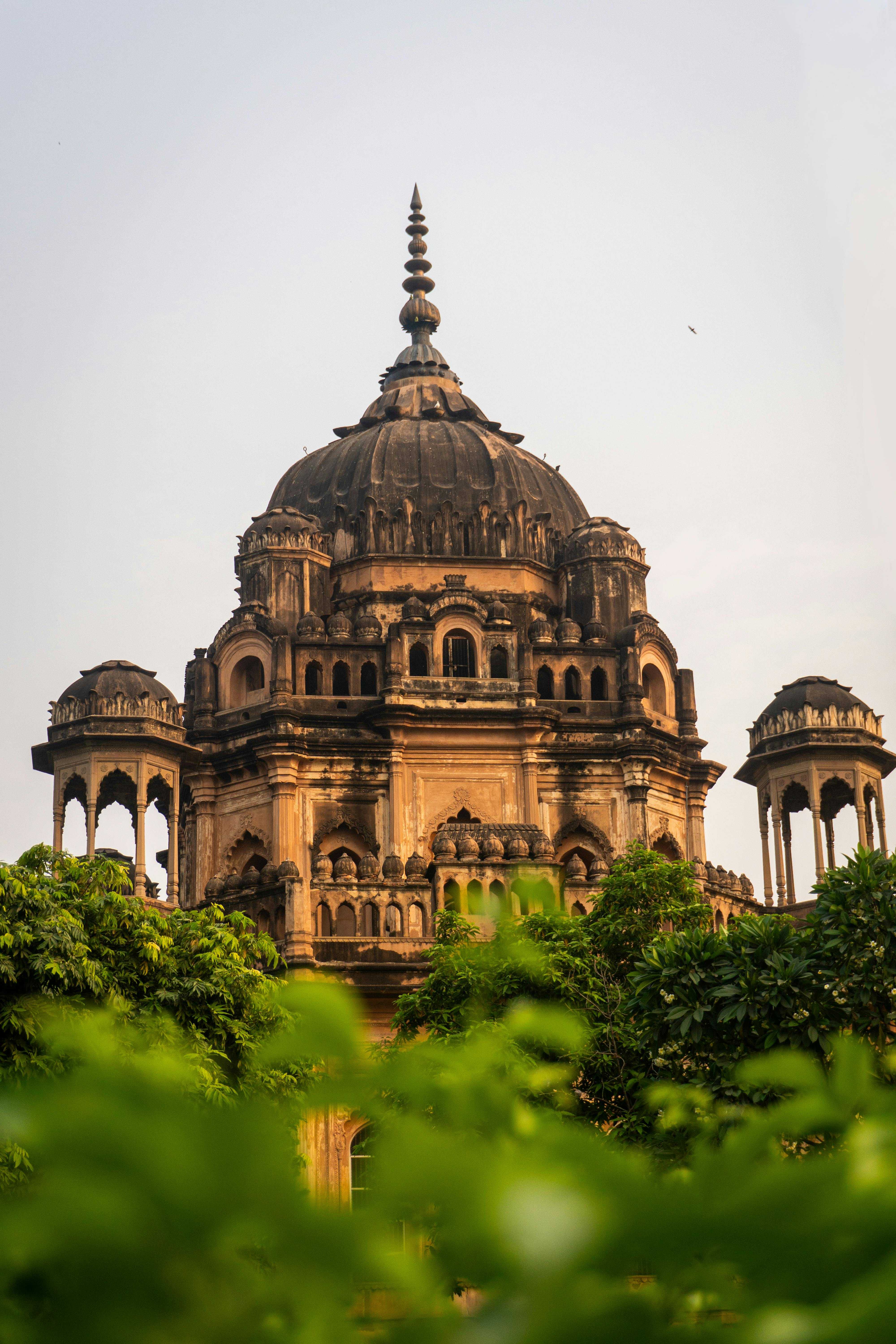

Yamunānagar
· IN

Yamunānagar

Yamunanagar, Haryana, India

Discover Yamunanagar: Where History Flows into Nature Nestled on the banks of the sacred Yamuna River, Yamunanagar in Haryana, India, offers a unique blend of historical intrigue, natural beauty, and spiritual solace. T…

#Yamunānagar#Haryāna#India#Industrial city#River Yamuna
1/4

Top hotels & flights

Hand-picked stays and the best fares into Yamunānagar.

Top Hotels in Yamunānagar

Top Flights to Yamunānagar

Location videos

Real reels from travelers, plus longer watches to get the full picture.

From travelers

Practical info

The essentials for planning your time in Yamunānagar.

Currency
₹ | INR | Indian Rupee
Population
The approximate estimated total population of Yamunanagar, Haryana, India is not available.
Languages
Hindi, Urdu, Punjabi
Average weather
Yamunānagar
Jan
cold
19°7°
Feb
clear
22°10°
Mar
clear
27°14°
Apr
hot
34°20°
May
hot
38°25°
Jun
hot
37°27°
Jul
rain
34°26°
Aug
rain
33°26°
Sep
rain
33°24°
Oct
clear
31°19°
Nov
clear
27°13°
Dec
cold
21°8°

Local guide

What travelers love, what to watch for, and a deeper read on Yamunānagar.

What people love

Yamunanagar, located in Haryana, India, offers several pros for travelers:

  1. Historical Sites: Yamunanagar has a rich historical background, with attractions like the Kapal Mochan Temple, a revered religious site, and the ancient Buria Fort, which offers panoramic views of the surroundings.

  2. Natural Beauty: The city is surrounded by lush greenery, making it a serene and peaceful destination for nature lovers. The Chuharpur Nature Reserve is a great spot for bird watching and wildlife enthusiasts.

  3. Industrial Hub: Yamunanagar is known for its plywood and paper industry, offering visitors a chance to explore the industrial side of India and witness the manufacturing process firsthand.

  4. Local Cuisine: Travelers can indulge in authentic Haryanvi cuisine, with dishes like kadhi pakora, paneer tikka, and bajra ki khichdi being popular choices. The local street food scene is vibrant and offers a variety of flavors to savor.

  5. Cultural Experience: Yamunanagar hosts various festivals and events throughout the year, providing visitors with an opportunity to immerse themselves in the local culture and traditions.

Overall, traveling to Yamunanagar can offer a unique blend of history, nature, industry, cuisine, and culture, making it a diverse destination worth exploring.

What to know

Some potential cons of traveling to Yamunānagar in Haryāna, India, could include:

  1. Limited tourist infrastructure: Yamunānagar may not have as many accommodations, restaurants, or tourist attractions compared to more popular tourist destinations in India.

  2. Language barrier: English may not be widely spoken in Yamunānagar, making communication challenging for international travelers.

  3. Lack of transportation options: Public transportation in Yamunānagar may be limited, requiring visitors to rely on private transportation options like taxis or rickshaws.

  4. Limited nightlife and entertainment options: Yamunānagar may not offer a vibrant nightlife scene or a wide variety of entertainment options for tourists.

  5. Health and safety concerns: Like any destination, travelers should be aware of potential health risks and take necessary precautions, such as drinking bottled water and being cautious with street food.

It's important to note that specific information about Yamunānagar's cons may vary based on individual experiences and preferences. It's always a good idea to research thoroughly and plan accordingly before traveling to any destination.

Yamunanagar is a city in the Indian state of Haryana, known for its industrial significance and historical context. Here’s a detailed history:

Historical Background:

Yamunanagar, originally known as Abdullahpur, is named after the Yamuna River, which flows close to the city. The region around Yamunanagar has been inhabited since ancient times, with evidence suggesting the presence of early human settlements.

British Period:

During the British era, the city began to develop as a small town. Its location along the Yamuna River made it an important area for agriculture and trade. The British established a railway line through the region, which spurred further development.

Post-Independence Development:

After India gained independence in 1947, Yamunanagar experienced significant industrial growth. The partition of India led to an influx of refugees, which contributed to the city's population growth and industrial expansion.

Industrial Hub:

Yamunanagar is recognized as an industrial city. It is a significant center for plywood production and paper manufacturing, with numerous factories contributing to the local economy. The city is also known for its metal and sugar industries.

Significant Events:

  • Establishment of Industries: The post-independence era saw the establishment of various industries, which changed the economic landscape of Yamunanagar.
  • Educational Development: The city has seen the development of educational institutions, contributing to its status as an educational hub in Haryana.

Historical Figures:

While there are no widely recognized historical figures specifically associated with Yamunanagar, the city's growth can be attributed to the collective efforts of local entrepreneurs and the community who transformed it into an industrial center.

Important Landmarks:

  • Kapal Mochan: This is a famous religious site located near Yamunanagar. It is an ancient pilgrimage site for Hindus and Sikhs, known for its historical and spiritual significance.
  • Ch. Devi Lal Herbal Nature Park: Located in the vicinity, this park is an important center for the conservation of medicinal plants and biodiversity.
  • Yamuna River: The river itself is a significant geographical and cultural landmark, influencing the lifestyle and economy of the region.

Modern Development:

In recent years, Yamunanagar has continued to evolve, with improvements in infrastructure, transportation, and public services. The city is part of Haryana's efforts to boost industrialization and urban development.

Yamunanagar is a testament to the industrial growth and cultural heritage of Haryana, reflecting the broader historical trends of the region.

If you're looking for more specific or detailed events, unfortunately, there is limited detailed historical documentation on Yamunanagar beyond its industrial significance and development in the post-independence period.