
Top hotels & flights
Hand-picked stays and the best fares into Yakushima.
Top Hotels in Yakushima
Top Flights to Yakushima
Practical info
The essentials for planning your time in Yakushima.

Local guide
What travelers love, what to watch for, and a deeper read on Yakushima.
What people love
Yakushima, located in Kagoshima, Japan, is a beautiful and unique destination that offers a variety of attractions and experiences. Here are some of the pros of traveling to Yakushima:
-
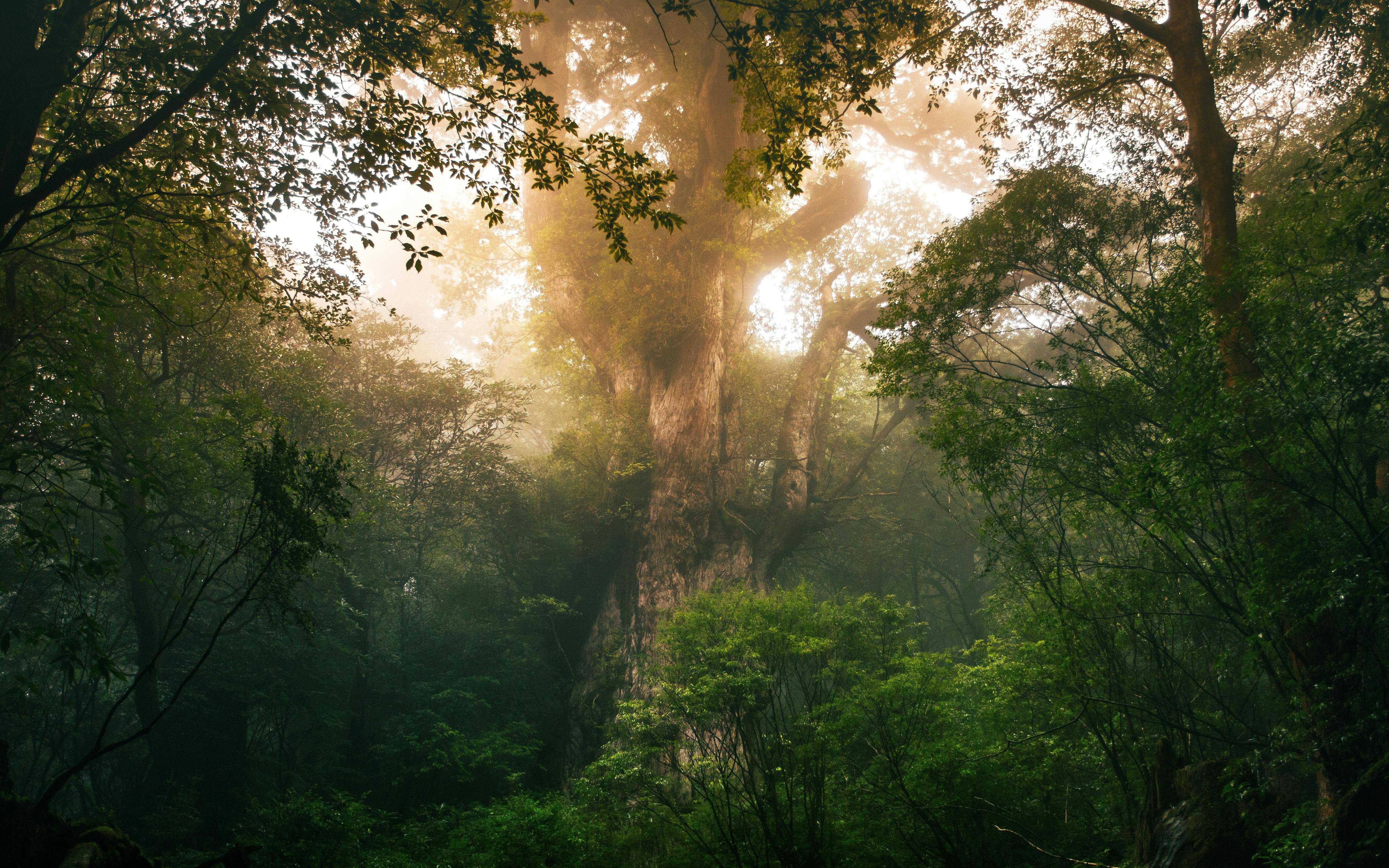
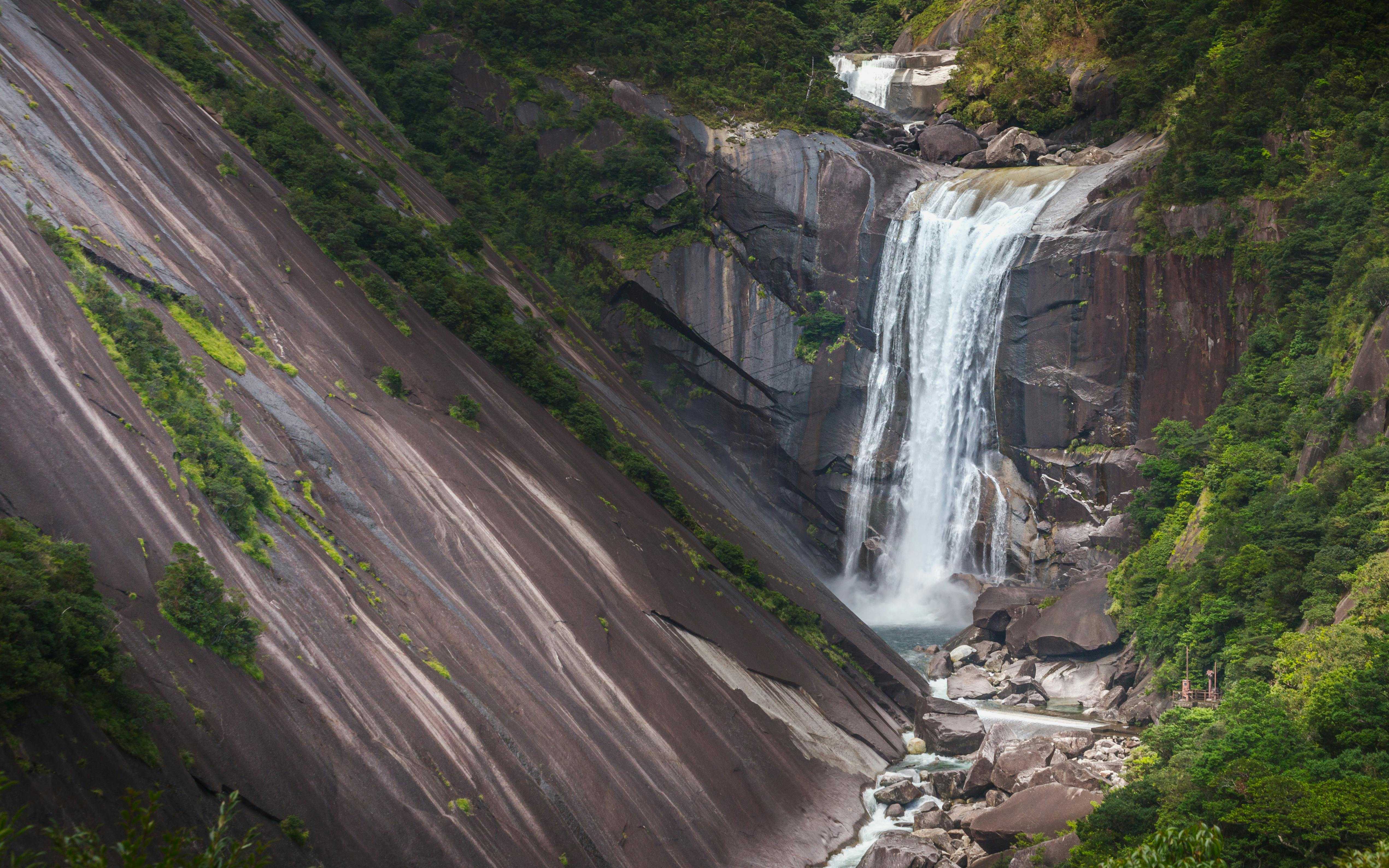
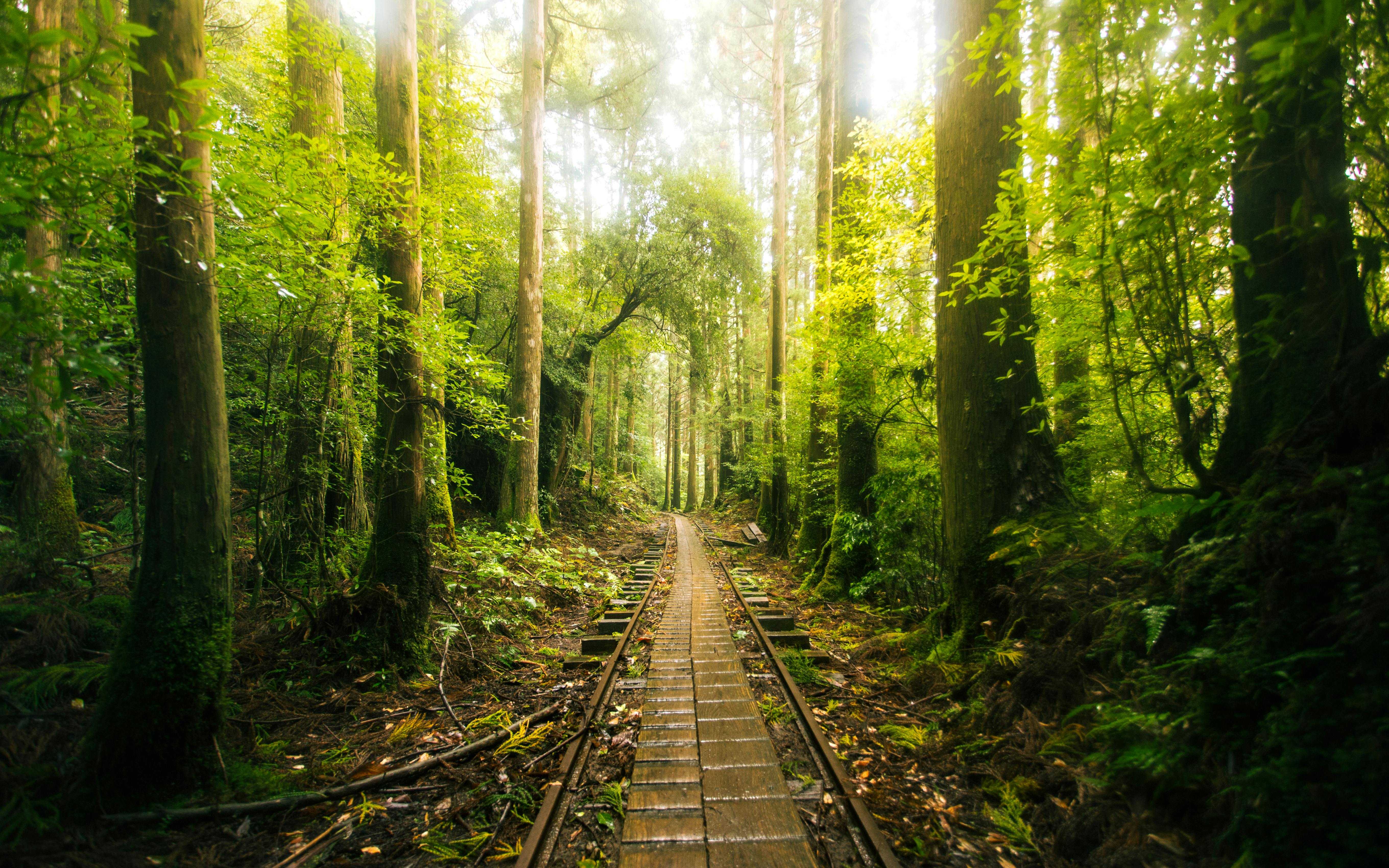
Natural Beauty: Yakushima is known for its stunning natural beauty, including lush forests, crystal clear waters, and beautiful beaches. The island is home to ancient cedar trees, some of which are thousands of years old, making it a UNESCO World Heritage Site.
-
Outdoor Activities: Yakushima is a paradise for outdoor enthusiasts, offering a wide range of activities such as hiking, snorkeling, diving, and kayaking. The island's rugged terrain and diverse ecosystems provide opportunities for exploration and adventure.
-
Wildlife Viewing: Yakushima is home to a variety of wildlife, including deer, monkeys, and sea turtles. Visitors can also spot rare bird species such as the Yakushika deer and the Yakushima macaque.
-
Hot Springs: Yakushima is known for its natural hot springs, which are perfect for relaxing and rejuvenating after a day of exploring the island. Many accommodations offer hot spring baths with stunning views of the surrounding nature.
-
Local Cuisine: Visitors to Yakushima can enjoy delicious local cuisine, including fresh seafood, fruits, and vegetables. The island's cuisine is influenced by its natural surroundings and is sure to delight food lovers.
Overall, traveling to Yakushima offers a unique and unforgettable experience for nature lovers, outdoor enthusiasts, and those looking to immerse themselves in Japan's natural beauty and culture.
What to know
Traveling to Yakushima in Kagoshima, Japan, does have some potential cons to consider:
-
Remote Location: Yakushima is a relatively remote island, which means getting there can be time-consuming and potentially expensive. The island is located about 60 kilometers off the southern coast of Kyushu, so you'll likely need to take a ferry or a short flight to reach it.
-
Limited Accommodation Options: While Yakushima does have a range of accommodation options, including hotels, guesthouses, and campsites, the choices may be more limited compared to more popular tourist destinations in Japan. During peak seasons, it can be challenging to find available rooms.
-
Unpredictable Weather: Yakushima is known for its lush forests and high rainfall, which means the weather can be unpredictable. Heavy rain and storms are common, especially during the summer months, which can impact outdoor activities and hiking plans.
-
Limited Public Transportation: While there is a bus network on Yakushima, it may not be as frequent or convenient as in larger cities in Japan. Renting a car may be necessary to explore the island fully, but driving on the narrow and winding roads can be challenging for some travelers.
-
Language Barrier: While some people on Yakushima may speak English, overall, the level of English proficiency may be lower compared to more touristy areas in Japan. This could potentially pose challenges when seeking assistance or information.
Overall, while Yakushima offers a unique and beautiful natural environment, travelers should be prepared for the potential challenges that come with visiting a more remote and less touristy destination.