
Yakima
· US

Yakima

Yakima, Washington, United States

Yakima: Where sunshine meets adventure in Washington State Nestled in the heart of Washington's Yakima Valley, Yakima offers a vibrant blend of outdoor recreation, agricultural bounty, and small-town charm. Bathed in sun…

#Yakima#Washington#United States#Pacific Northwest#Wine Country
1/5

Top hotels & flights

Hand-picked stays and the best fares into Yakima.

Top Hotels in Yakima

Top Flights to Yakima

Location videos

Real reels from travelers, plus longer watches to get the full picture.

From travelers
Watch & explore

Practical info

The essentials for planning your time in Yakima.

Currency
$ | USD | US Dollar
Population
As of the most recent estimates, the approximate population of Yakima, Washington is 97,000.
Languages
English, Spanish
Average weather
Yakima
Jan
cold
4°-4°
Feb
cold
8°-2°
Mar
cloud
13°0°
Apr
cloud
18°3°
May
sun
23°7°
Jun
clear
27°11°
Jul
hot
32°14°
Aug
hot
31°13°
Sep
clear
26°9°
Oct
cloud
18°4°
Nov
cloud
9°-1°
Dec
cold
4°-4°

Local guide

What travelers love, what to watch for, and a deeper read on Yakima.

What people love

Yakima, located in Washington state, has several pros for travelers:

  1. Wine Country: Yakima is part of the Yakima Valley AVA, which is known for its vineyards and wineries. Visitors can enjoy wine tasting tours, explore the beautiful vineyards, and learn about the local wine-making process.

  2. Outdoor Activities: The Yakima area offers a variety of outdoor activities such as hiking, cycling, fishing, and golfing. With its proximity to the Cascade Mountains, visitors can also enjoy skiing and snowboarding in the winter months.

  3. Cultural Attractions: Yakima has several cultural attractions, including the Yakima Valley Museum, which showcases the history and cultural heritage of the region. The Capitol Theatre hosts a variety of performances, including music, theater, and dance.

  4. Farmer's Markets: Yakima is known for its abundant agriculture, and visitors can experience the local produce at the various farmer's markets in the area. The markets offer fresh fruits, vegetables, and other local products.

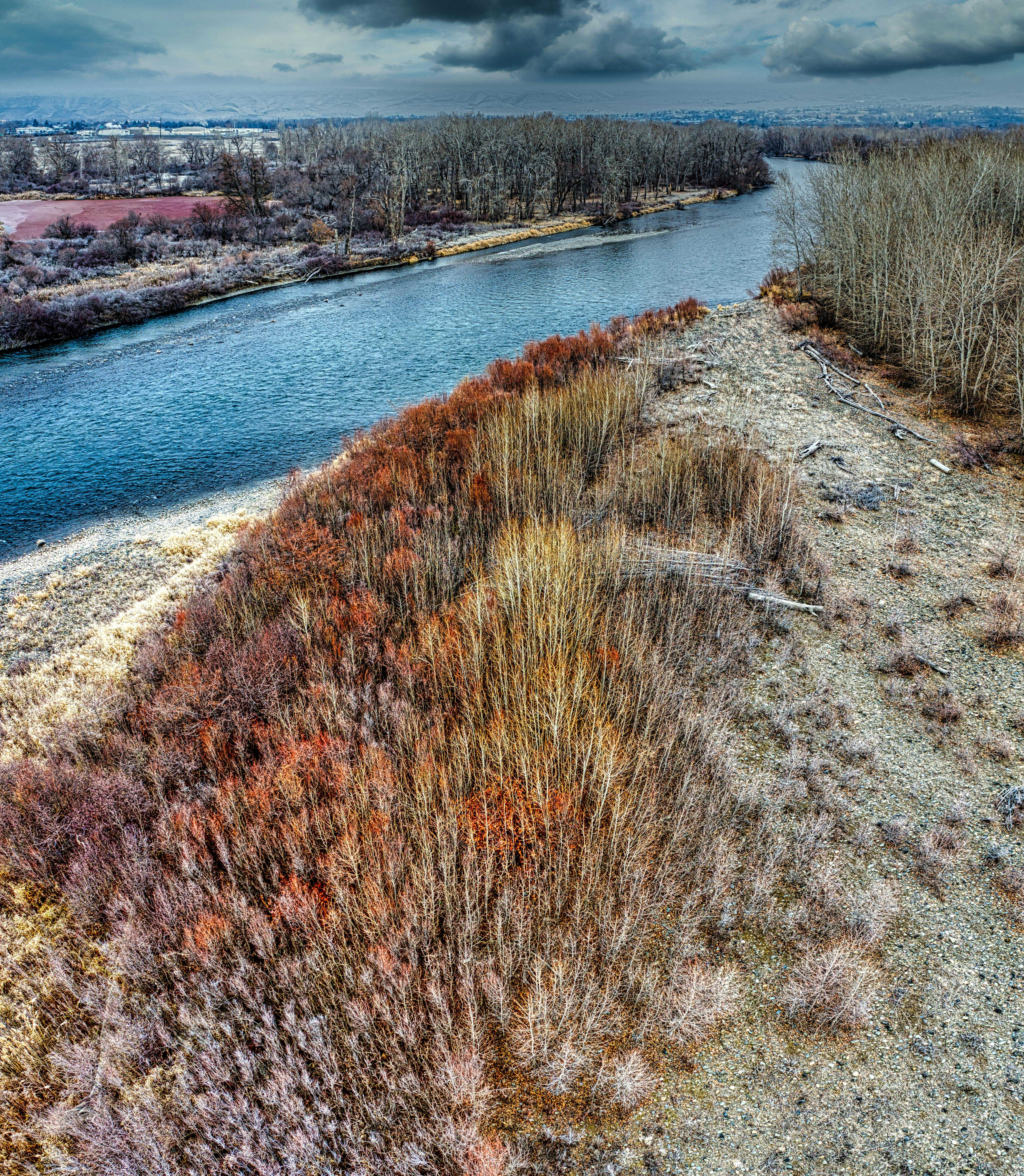
  5. Scenic Beauty: The Yakima area is surrounded by beautiful landscapes, including rolling hills, orchards, and the Yakima River. Visitors can enjoy scenic drives, hiking trails, and picnicking spots throughout the region.

Overall, Yakima offers a mix of outdoor activities, cultural attractions, and scenic beauty, making it a great destination for travelers looking to explore the Pacific Northwest.

What to know

Traveling to Yakima, Washington, specifically to the city of Yakima, may have some drawbacks including:

  1. Weather: Yakima experiences a semi-arid climate with hot summers and cold winters. Summer temperatures can reach over 100°F (37.8°C) which may be uncomfortable for some travelers. Winters can be cold and snowy, which may limit outdoor activities.

  2. Air Quality: Yakima has occasionally poor air quality due to factors such as agricultural activities, wildfires, and industrial emissions. This may be a concern for individuals with respiratory issues.

  3. Limited Public Transportation: Yakima's public transportation system is not as extensive as in larger cities, so getting around may require a car rental or ridesharing service.

  4. Crime Rate: Like any city, Yakima has areas with higher crime rates. Travelers should be cautious and aware of their surroundings, especially at night.

  5. Limited Tourist Attractions: While Yakima is known for its wineries and outdoor recreational activities, it may not have as many tourist attractions compared to larger cities. Visitors looking for a bustling urban environment may find Yakima lacking in this aspect.

  6. Distance from Major Cities: Yakima is located about 2.5 hours southeast of Seattle. Travelers looking to explore other major cities in the region may find the distance to be a disadvantage.

Overall, while Yakima has its unique charm and offerings, travelers should be aware of these potential drawbacks when planning a visit to the area.

Yakima, Washington, is a city with a rich history that reflects the broader story of the Pacific Northwest. Here is a detailed account of its history, significant events, historical figures, and important landmarks:

Early History and Founding

  • Indigenous Peoples: The Yakama Nation, part of the Plateau culture area, traditionally inhabited the Yakima Valley. The Yakama people have lived in the region for thousands of years, relying on the fertile land for agriculture, hunting, and fishing.
  • European Exploration: Explorers such as Lewis and Clark passed through the region in the early 19th century, followed by fur traders and missionaries.
  • Yakima Treaty of 1855: This treaty involved the cession of large tracts of land by the Yakama Nation to the United States government. It led to the establishment of the Yakama Indian Reservation.

Settlement and Development

  • 19th Century: Yakima was initially settled by European Americans in the latter half of the 19th century. The arrival of the Northern Pacific Railway in 1884 spurred development.
  • City Founding: Originally known as North Yakima, the city was officially incorporated in 1886. The name was later shortened to Yakima.
  • Agriculture: The fertile Yakima Valley became an important agricultural hub, particularly known for its apple orchards and hop fields. Irrigation projects in the early 20th century expanded farming.

20th Century Growth

  • Economic Expansion: Throughout the 20th century, Yakima's economy diversified beyond agriculture to include commerce and manufacturing. The city became a regional economic center.
  • Military and WWII: During World War II, the nearby Yakima Firing Range (now the Yakima Training Center) was established, contributing to the local economy and development.
  • Post-War Era: The post-war period saw continued growth and modernization. Infrastructure improvements and urban development projects were undertaken to accommodate the increasing population.

Notable Historical Figures

  • Chief Kamiakin: A prominent Yakama leader who played a significant role during the Yakima War (1855–1858), resisting U.S. government encroachments on tribal lands.
  • William O. Douglas: Although born in Minnesota, U.S. Supreme Court Justice William O. Douglas was raised in Yakima and maintained a lifelong connection to the area.

Important Landmarks and Cultural Sites

  • Yakima Valley Museum: Offers exhibits on the region's history, including Native American culture, the development of agriculture, and the city's growth.
  • Ahtanum Mission: Established in the mid-19th century by Catholic missionaries, this site was an important center for local Indigenous peoples.
  • Yakima Sportsman State Park: A popular recreation area showcasing the natural beauty of the region, emphasizing the importance of conservation and outdoor activities.
  • Capitol Theatre: Built in 1920, this historic theater is a key cultural venue for performing arts in Yakima.
  • The Yakama Nation Cultural Center: Located in nearby Toppenish, it provides insights into the history and culture of the Yakama people.

Modern Yakima

Today, Yakima is a vibrant city known for its agricultural products, particularly hops, apples, and wine. It continues to serve as a cultural and economic hub in central Washington, celebrating its diverse heritage and community spirit.

Yakima's history is a tapestry of Native American heritage, agricultural innovation, and economic development, reflecting the dynamic changes that have shaped the region over time.