

Wuhan
· CN

Wuhan

Wuhan, Hubei, China

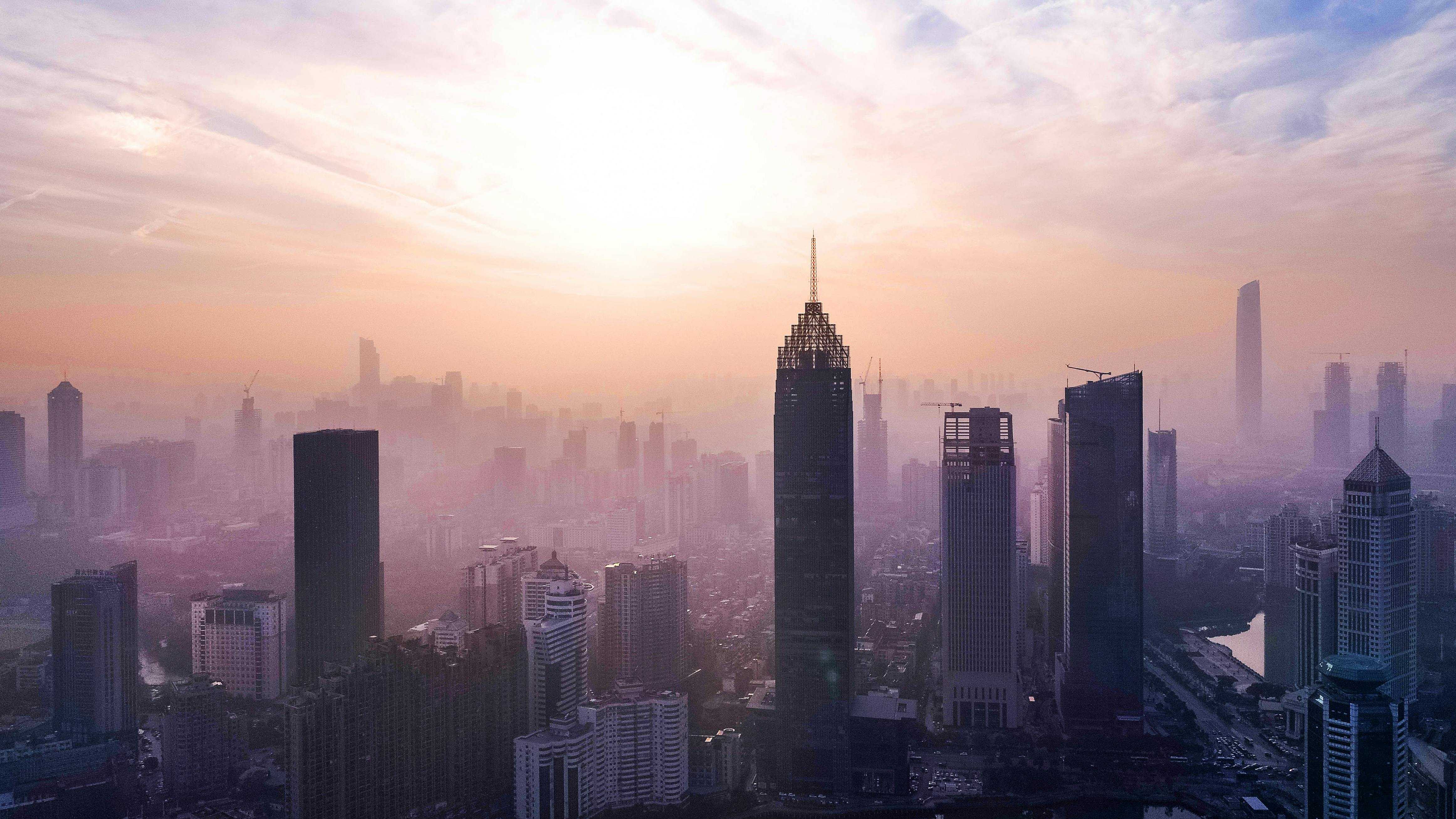
Wuhan, the capital of Hubei province in China, is a dynamic metropolis situated at the confluence of the Yangtze and Han rivers. Known as the "Thoroughfare of Nine Provinces," Wuhan has been a vital transportation hub an…

#Wuhan#Hubei#China#City#Capital
1/9

Top hotels & flights

Hand-picked stays and the best fares into Wuhan.

Top Hotels in Wuhan

Top Flights to Wuhan

Location videos

Real reels from travelers, plus longer watches to get the full picture.

From travelers
Watch & explore

Practical info

The essentials for planning your time in Wuhan.

Currency
¥ | CNY | Chinese Yuan
Population
The approximate estimated total population of Wuhan, Hubei, China is 11.2 million.
Languages
Mandarin, Mandarin, Wuhanese
Average weather
Wuhan
Jan
cold
8°1°
Feb
cloud
10°3°
Mar
rain
15°7°
Apr
cloud
21°12°
May
rain
26°17°
Jun
rain
30°21°
Jul
hot
33°25°
Aug
hot
32°24°
Sep
cloud
28°20°
Oct
clear
23°14°
Nov
cloud
17°8°
Dec
cold
11°3°

Local guide

What travelers love, what to watch for, and a deeper read on Wuhan.

What people love

Traveling to Wuhan, the capital of Hubei Province in China, offers a range of experiences and cultural highlights. Here are some of the pros of visiting Wuhan:

  1. Rich Cultural Heritage: Wuhan has a deep historical and cultural significance. It is home to numerous museums and historical sites, such as the Hubei Provincial Museum, which houses ancient artifacts, including the famous chime bells of the Marquis Yi of Zeng.

  2. Scenic Attractions: The city is known for its beautiful natural scenery. The East Lake Scenic Area is one of the largest city lake parks in China, offering picturesque landscapes, walking paths, and cycling routes.

  3. Architectural Landmarks: Wuhan is home to several significant architectural landmarks. The Yellow Crane Tower, a symbol of the city, stands on Snake Hill and offers panoramic views of the Yangtze River and the cityscape.

  4. Culinary Delights: Wuhan is known for its unique cuisine, which is part of the broader Hubei culinary tradition. Visitors can enjoy local dishes such as hot dry noodles (reganmian), Wuhan duck neck, and various freshwater fish dishes.

  5. Educational and Research Hub: Wuhan hosts several prestigious universities, including Wuhan University and Huazhong University of Science and Technology, making it a center for education and research. The city's vibrant academic atmosphere can be appealing to visitors interested in these fields.

  6. Economic and Industrial Development: As a major transportation hub and one of the most important cities in Central China, Wuhan has a well-developed infrastructure and is a center for economic and industrial development. This makes it an interesting destination for business travelers.

  7. Cultural Events and Festivals: Wuhan hosts various cultural events and festivals throughout the year, such as the Wuhan International Yangtze River Crossing Festival and the Cherry Blossom Festival at Wuhan University, which attract visitors from around the world.

  8. Transportation Hub: Wuhan is strategically located at the intersection of the Yangtze and Han rivers, making it an important transportation hub in China. The city is well-connected by air, rail, and road, making travel convenient for visitors.

  9. Vibrant Nightlife and Shopping: The city offers a vibrant nightlife scene with numerous bars, clubs, and entertainment venues. Wuhan also has a variety of shopping options, from modern shopping malls to traditional markets.

Traveling to Wuhan provides a mix of historical, cultural, and modern experiences, making it a unique destination for travelers.

What to know

As of now, the main concern with traveling to Wuhan, located in Hubei, China, is the potential risk of exposure to infectious diseases. Wuhan was the initial epicenter of the COVID-19 outbreak in late 2019, and while the situation has improved significantly since then, travelers may still face some health risks.

Additionally, as with any travel to a foreign country, there may be language barriers, cultural differences, and unfamiliarity with local customs. It's important to be prepared for these challenges and take necessary precautions to ensure a safe and enjoyable trip.

Lastly, it's worth noting that travel restrictions or advisories may be in place due to ongoing health concerns or other issues. It's essential to stay updated on the latest travel advisories from official sources before planning a trip to Wuhan.

Overall, while Wuhan is a historically significant city with much to offer in terms of culture and history, travelers should be aware of the potential risks and take appropriate precautions when visiting.

Wuhan, the capital of Hubei Province in China, is a city with a rich and diverse history. It is situated at the confluence of the Yangtze and Han rivers and is often referred to as the "Chicago of China" due to its central role in transportation and industry.

Early History

  • Ancient Times: The area around Wuhan has been inhabited for over 3,500 years. During the Spring and Autumn Period (770-476 BC) and the Warring States Period (475-221 BC), it was part of the State of Chu, a powerful state in ancient China.

  • Han Dynasty: By the Han Dynasty (206 BC – 220 AD), Wuhan had developed into a busy port and commercial center due to its strategic location on the Yangtze River.

Middle Ages

  • Three Kingdoms Period: During the Three Kingdoms Period (220-280 AD), the famous Battle of Red Cliffs took place nearby, a pivotal event in Chinese history.

  • Tang and Song Dynasties: Wuhan continued to grow during the Tang (618-907 AD) and Song (960-1279 AD) dynasties, establishing itself as a major commercial hub.

Ming and Qing Dynasties

  • Ming Dynasty: The Ming Dynasty (1368-1644) saw Wuhan develop further as a center of trade and culture.

  • Qing Dynasty: During the Qing Dynasty (1644-1912), Hankou, one of the three towns that now make up Wuhan, became one of the four most famous towns in China for its commerce.

19th and Early 20th Century

  • Opium Wars: Following the Opium Wars, Hankou was opened as a treaty port in 1861, leading to significant foreign influence and the establishment of foreign concessions.

  • Wuchang Uprising: In 1911, the Wuchang Uprising in Wuhan was a key event that led to the Xinhai Revolution, which overthrew the Qing Dynasty and established the Republic of China. This event marked Wuhan's significant role in modern Chinese history.

Modern History

  • Republic of China: Wuhan continued to play a crucial role during the early Republic of China era. It served as the capital for a short period during the Nationalist Government under Chiang Kai-shek.

  • World War II: During the Second Sino-Japanese War, Wuhan was a major center of resistance against Japanese occupation until it fell in 1938.

  • People’s Republic of China: After 1949, Wuhan became an important industrial and educational center in the People's Republic of China.

Recent History

  • COVID-19 Pandemic: In late 2019, Wuhan gained international attention as the initial epicenter of the COVID-19 pandemic. The city underwent a strict lockdown in early 2020, which was one of the first and most significant responses to the pandemic.

Important Landmarks

  • Yellow Crane Tower: A historic tower that is one of the Four Great Towers of China, originally built in 223 AD.

  • East Lake: The largest urban lake in China, offering scenic views and recreational activities.

  • Hubei Provincial Museum: Known for its collection of ancient artifacts, including the famous bronze chime bells from the Tomb of Marquis Yi of Zeng.

  • Wuhan Yangtze River Bridge: The first bridge built over the Yangtze River in Wuhan, completed in 1957, symbolizing the city’s importance in transportation and engineering.

Notable Figures

  • Sun Yat-sen: Often referred to as the "Father of Modern China," he led the 1911 revolution that began in Wuhan.

  • Chiang Kai-shek: Leader of the Nationalist Government, he temporarily moved the capital to Wuhan during the 1920s.

Wuhan's history is characterized by its strategic importance, cultural richness, and pivotal role in both ancient and modern Chinese history.