
Wiesloch
· DE

Wiesloch

Wiesloch, Baden-Wurttemberg, Germany

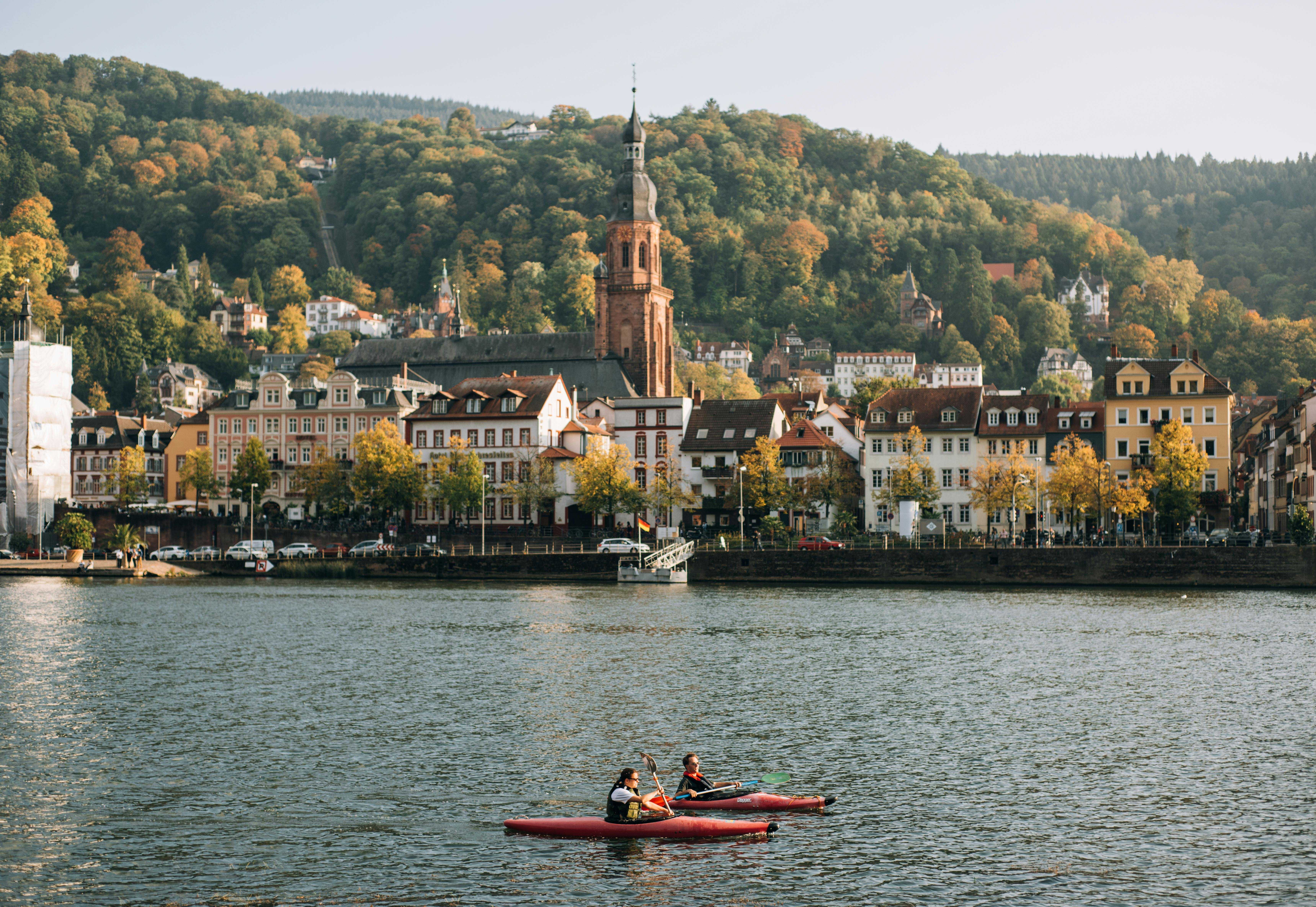
Wiesloch, located in the picturesque region of Baden-Württemberg, Germany, is a charming town that seamlessly blends a rich history with modern amenities. Known as the "City of Asparagus," Wiesloch offers a delightful ex…

#Historic town#Baden-Württemberg#Germany#Wine region#Cultural heritage
1/4

Top hotels & flights

Hand-picked stays and the best fares into Wiesloch.

Top Hotels in Wiesloch

Top Flights to Wiesloch

Location videos

Real reels from travelers, plus longer watches to get the full picture.

Watch & explore

Practical info

The essentials for planning your time in Wiesloch.

Currency
€ | EUR | Euro
Population
The approximate estimated total population of Wiesloch, Baden-Wurttemberg, Germany, is '27,000'.
Languages
German, German
Average weather
Wiesloch
Jan
cold
4°-1°
Feb
cold
6°0°
Mar
cloud
11°2°
Apr
cloud
15°5°
May
rain
20°9°
Jun
sun
23°13°
Jul
hot
26°15°
Aug
hot
26°14°
Sep
clear
21°11°
Oct
cloud
15°7°
Nov
rain
8°3°
Dec
cold
5°0°

Local guide

What travelers love, what to watch for, and a deeper read on Wiesloch.

What people love

Wiesloch, located in Baden-Württemberg, Germany, offers several pros for travelers to enjoy:

  1. Historic Charm: Wiesloch is a picturesque town with a rich history dating back to the Middle Ages. Visitors can explore historic buildings, churches, and monuments that showcase the town's heritage.

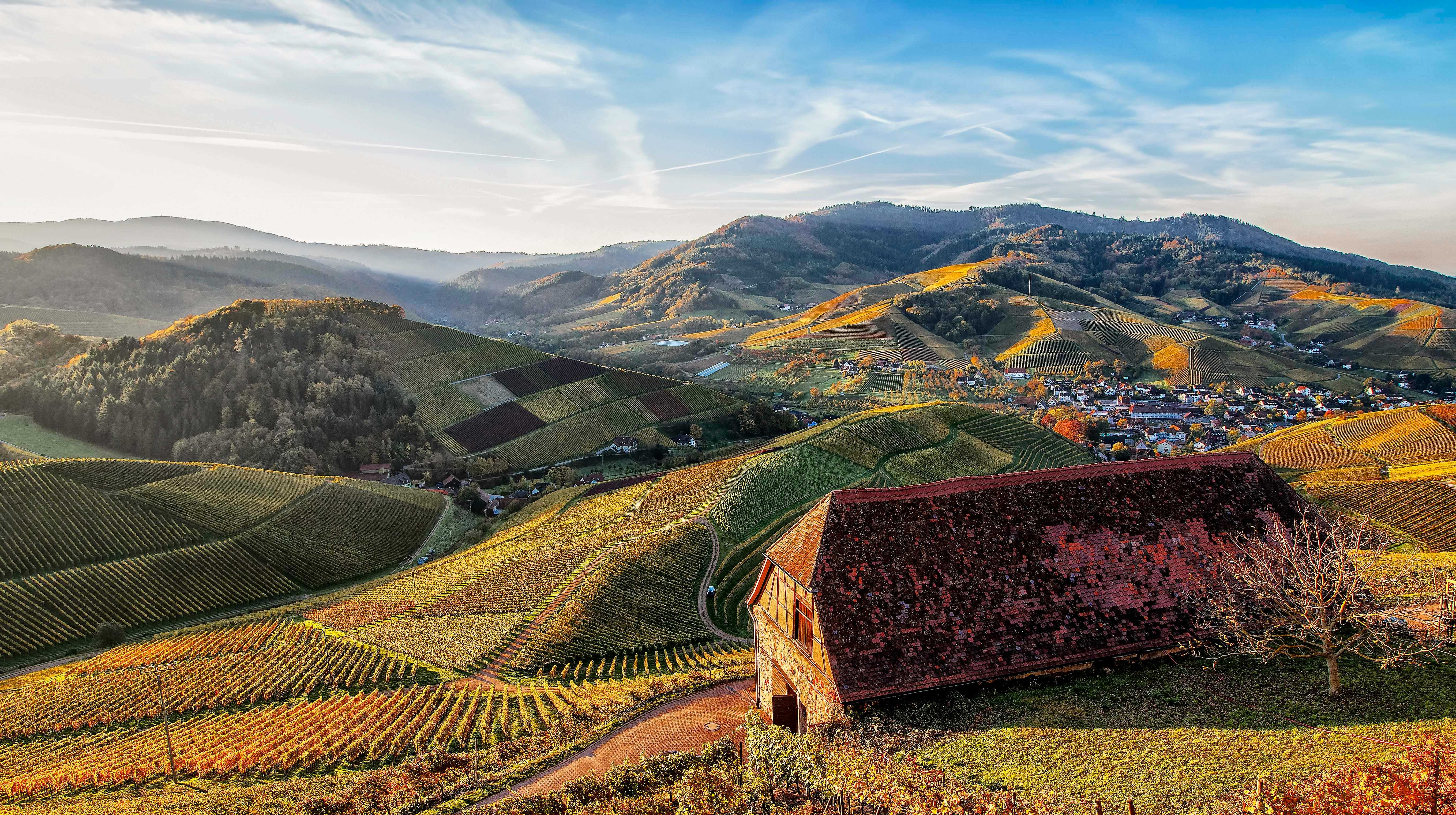
  2. Wine Culture: The Baden region is known for its wine production, and Wiesloch is no exception. Travelers can visit local vineyards, wine bars, and wine festivals to experience the area's wine culture firsthand.

  3. Thermal Baths: Wiesloch is home to the Thermen & Badewelt Sinsheim, a popular thermal spa and wellness center. Visitors can relax in thermal pools, saunas, and indulge in various spa treatments for a truly rejuvenating experience.

  4. Outdoor Activities: The surrounding countryside of Wiesloch offers plenty of opportunities for outdoor activities such as hiking, cycling, and nature walks. The nearby Kraichgau region is known for its scenic landscapes and beautiful vineyards.

  5. Gastronomy: Wiesloch boasts a variety of restaurants, cafes, and beer gardens where travelers can savor traditional German cuisine and local specialties. Don't miss the chance to try regional dishes and sample the local beer and wine.

Overall, Wiesloch offers a mix of history, culture, relaxation, and outdoor adventures for travelers to enjoy during their visit to this charming town in Baden-Württemberg, Germany.

What to know

Some potential cons of traveling to Wiesloch in Baden-Württemberg, Germany, could include:

  1. Limited tourist attractions: Wiesloch is a smaller town and may not offer as many tourist attractions or activities compared to larger cities in Germany.

  2. Language barrier: While many people in Germany speak English, in smaller towns like Wiesloch, you may encounter fewer English speakers, which could make communication more challenging.

  3. Limited transportation options: Wiesloch may not have as extensive public transportation options as larger cities, making it more difficult to get around without a car.

  4. Limited dining and entertainment options: Smaller towns like Wiesloch may have fewer dining and entertainment options compared to larger cities, which could limit your choices for activities and meals.

  5. Seasonal considerations: Wiesloch's weather can vary throughout the year, with cold winters and potentially rainy weather in other seasons, so it's important to plan accordingly for your visit.

Overall, while Wiesloch may offer a more relaxed and authentic German experience, travelers should be aware of these potential cons when planning their trip.

Wiesloch is a town located in the Rhein-Neckar-Kreis district of Baden-Württemberg, Germany. Its history is rich and spans several centuries, marked by significant events and developments:

Early History

  • Roman Era: The area around Wiesloch was already inhabited during Roman times. Archaeological finds suggest that there was a Roman settlement in the vicinity.
  • Middle Ages: The first documented mention of Wiesloch dates back to 801 AD. During the Middle Ages, it became a significant settlement due to its strategic location on trade routes.

Significant Historical Events

  • Battle of Wiesloch (1632): During the Thirty Years' War, Wiesloch was the site of a notable battle between the Swedish forces under Gustavus Adolphus and the Imperial forces. This battle was part of a series of conflicts that ravaged the region during the war.
  • Industrial Development: In the 19th century, Wiesloch underwent industrialization, which led to economic growth and urban development. The establishment of railway lines further enhanced its connectivity and industrial prospects.

Modern History

  • 20th Century: Wiesloch, like many German towns, was affected by the World Wars. Post-World War II, it became part of the newly formed state of Baden-Württemberg in West Germany.
  • Economic Growth: In the latter half of the 20th century, Wiesloch benefited from the economic boom in Germany. Its proximity to Heidelberg and Mannheim has made it a commuter town with a diverse economy.

Historical Figures

  • Robert Mayer: Although not directly from Wiesloch, the nearby city of Heilbronn is the birthplace of Robert Mayer, a notable figure in the region’s history. He is recognized for his contributions to the law of conservation of energy.

Important Landmarks

  • Wiesloch Town Hall (Rathaus): The historic town hall is a significant landmark and a symbol of the town's governance and history.
  • Palatine Museum Wiesloch: This museum offers insights into the local history and culture of Wiesloch and the surrounding region. It showcases artifacts from different historical periods.
  • St. Laurentius Church: A prominent religious site in Wiesloch, known for its architecture and historical significance.

Cultural and Economic Significance

  • Wiesloch serves as a local cultural hub with various festivals and events that celebrate its heritage. The town's economy is diverse, with sectors ranging from manufacturing to services, reflecting its historical development as a trade and industrial center.

Overall, Wiesloch is a town with a deep historical legacy, marked by its medieval origins, involvement in significant historical events, and steady modern development.