



Top hotels & flights
Hand-picked stays and the best fares into Washington.
Top Hotels in Washington
Top Flights to Washington
Location videos
Real reels from travelers, plus longer watches to get the full picture.
Practical info
The essentials for planning your time in Washington.


Local guide
What travelers love, what to watch for, and a deeper read on Washington.
What people love
Washington, District of Columbia, also known as Washington, D.C., is the capital of the United States and offers a unique and enriching travel experience. Here are some pros of traveling to Washington, D.C.:
-
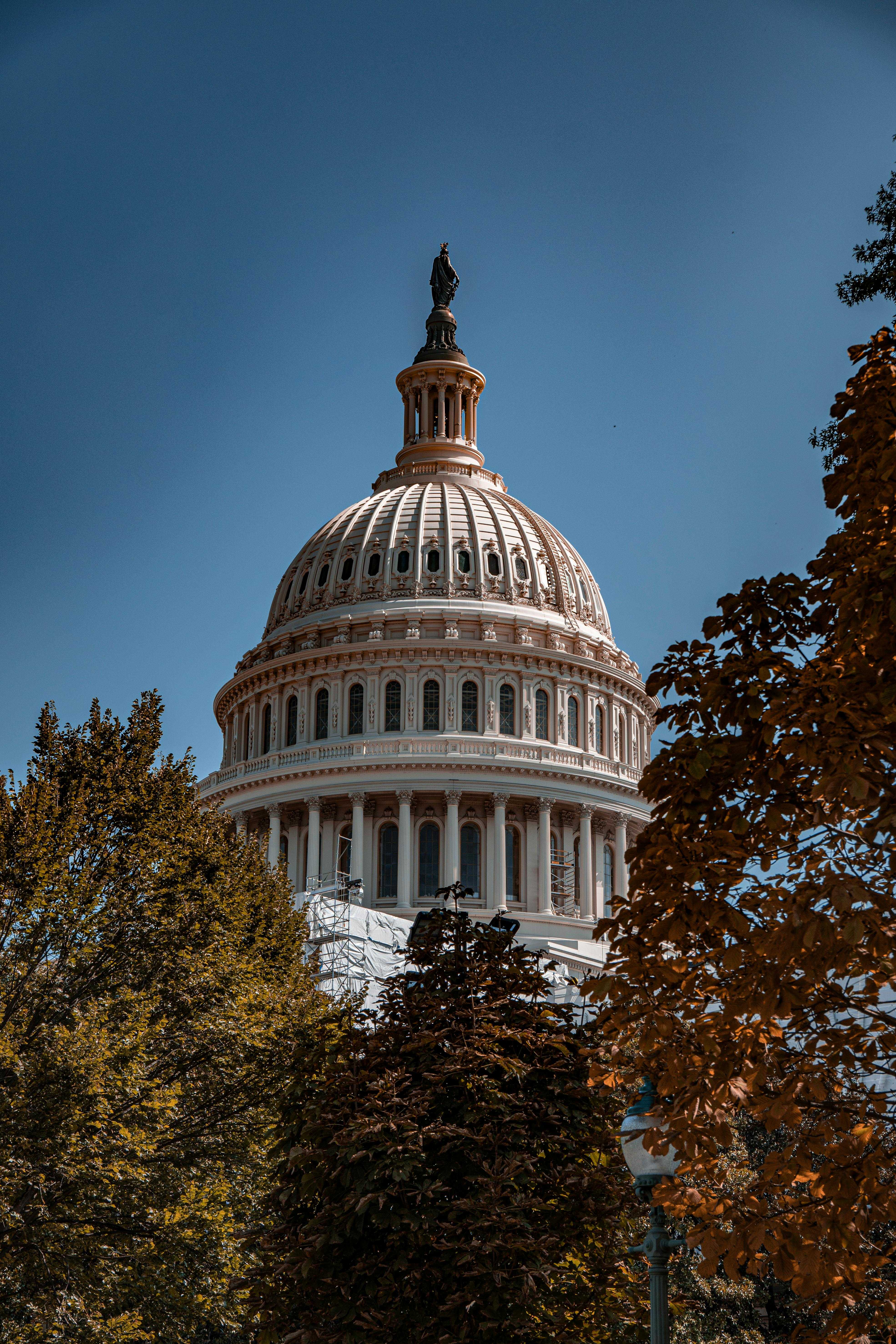
Historical Landmarks: Washington, D.C. is home to numerous iconic landmarks such as the White House, the Capitol Building, the Washington Monument, and the Lincoln Memorial. These historical sites offer a glimpse into the nation's history and provide great opportunities for sightseeing and learning.
-
Museums and Galleries: The city boasts a wide range of world-class museums and galleries, many of which are free to enter. The Smithsonian museums, including the National Air and Space Museum and the National Museum of American History, are must-visit attractions for history and culture enthusiasts.
-
Cultural Diversity: Washington, D.C. is a diverse and vibrant city that celebrates different cultures, traditions, and cuisines. Visitors can explore neighborhoods like Chinatown, Adams Morgan, and Georgetown to experience a variety of international cuisines and cultural events.
-
Political Center: As the capital of the United States, Washington, D.C. is the political hub of the country. Travelers can witness the democratic process in action by visiting the Capitol Building, attending congressional sessions, or taking a guided tour of the Supreme Court.
-
Green Spaces: Despite being a bustling urban center, Washington, D.C. offers plenty of green spaces and parks for visitors to relax and unwind. The National Mall, with its expansive lawns and iconic monuments, is a popular spot for picnics, outdoor activities, and leisurely strolls.
-
Vibrant Events: The city hosts numerous events and festivals throughout the year, showcasing music, art, food, and culture. From the National Cherry Blossom Festival in spring to the Smithsonian Folklife Festival in summer, there is always something exciting happening in Washington, D.C.
Overall, traveling to Washington, D.C. offers a rich and diverse cultural experience, with a mix of history, politics, art, and entertainment that appeals to a wide range of interests.
What to know
Some potential cons of traveling to Washington, D.C. include:
-
Weather: Washington, D.C. experiences a wide range of weather conditions throughout the year. Summers can be hot and humid, while winters can be cold and snowy. It's important to pack accordingly and be prepared for varying weather conditions.
-
Traffic and Parking: Washington, D.C. is known for its heavy traffic congestion, especially during peak hours. Finding parking can also be a challenge, and parking fees in the city can be expensive.
-
Tourist Crowds: Washington, D.C. is a popular tourist destination, especially during peak travel seasons. This can lead to crowded attractions, long lines, and difficulty securing reservations at popular restaurants and hotels.
-
High Cost of Living: Washington, D.C. has a relatively high cost of living compared to other cities in the United States. This can translate to higher prices for accommodations, dining, and entertainment.
-
Security Concerns: Washington, D.C. is home to many important government buildings and institutions, which can make it a potential target for security threats. Visitors should be aware of their surroundings and follow any security protocols in place.
Overall, while Washington, D.C. offers a wealth of cultural and historical attractions, visitors should be prepared for some of the challenges that come with traveling to a busy and bustling city.