
Vitry-sur-Seine
· FR

Vitry-sur-Seine

Vitry-sur-Seine, Ile-de-France, France

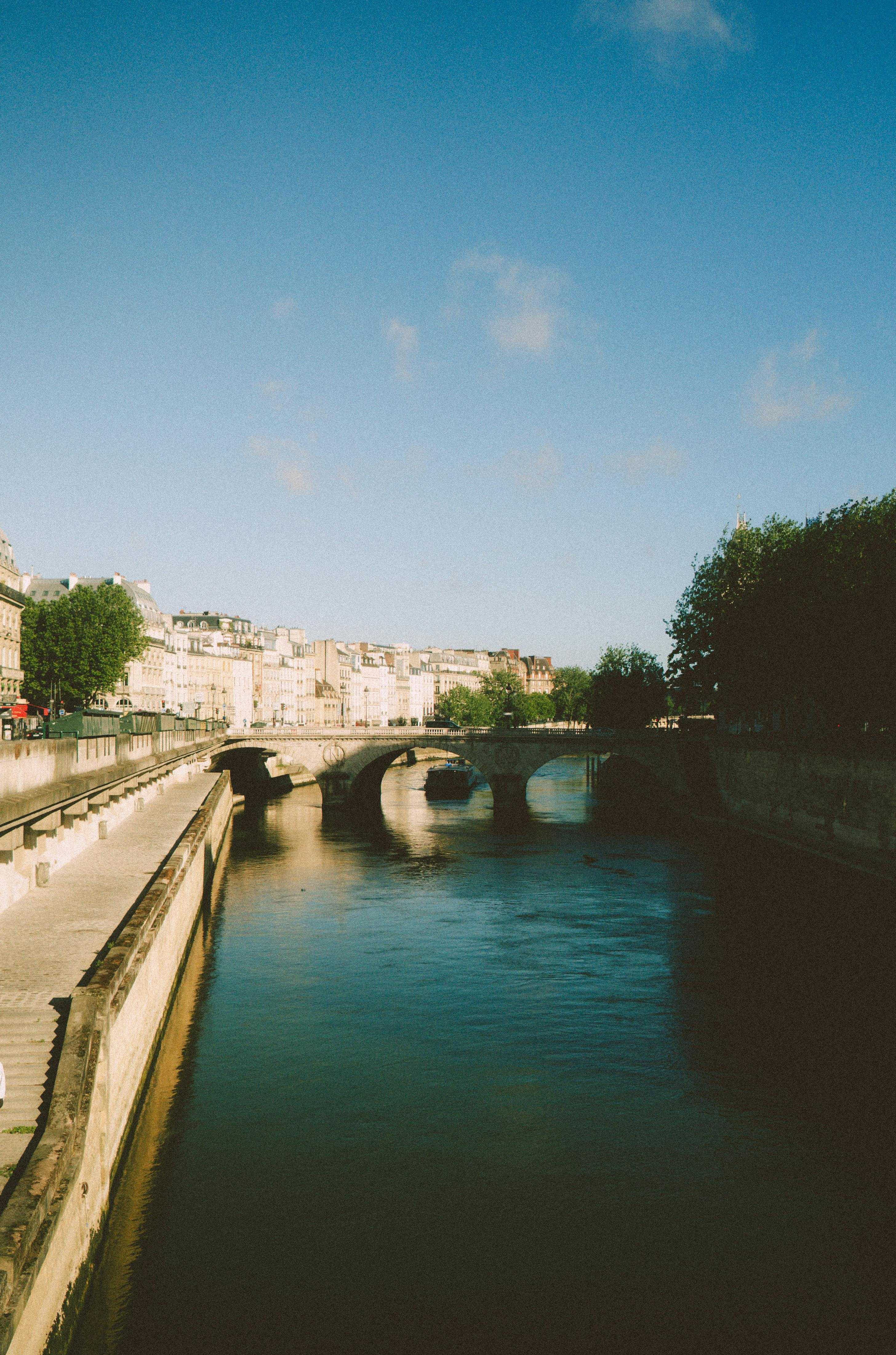
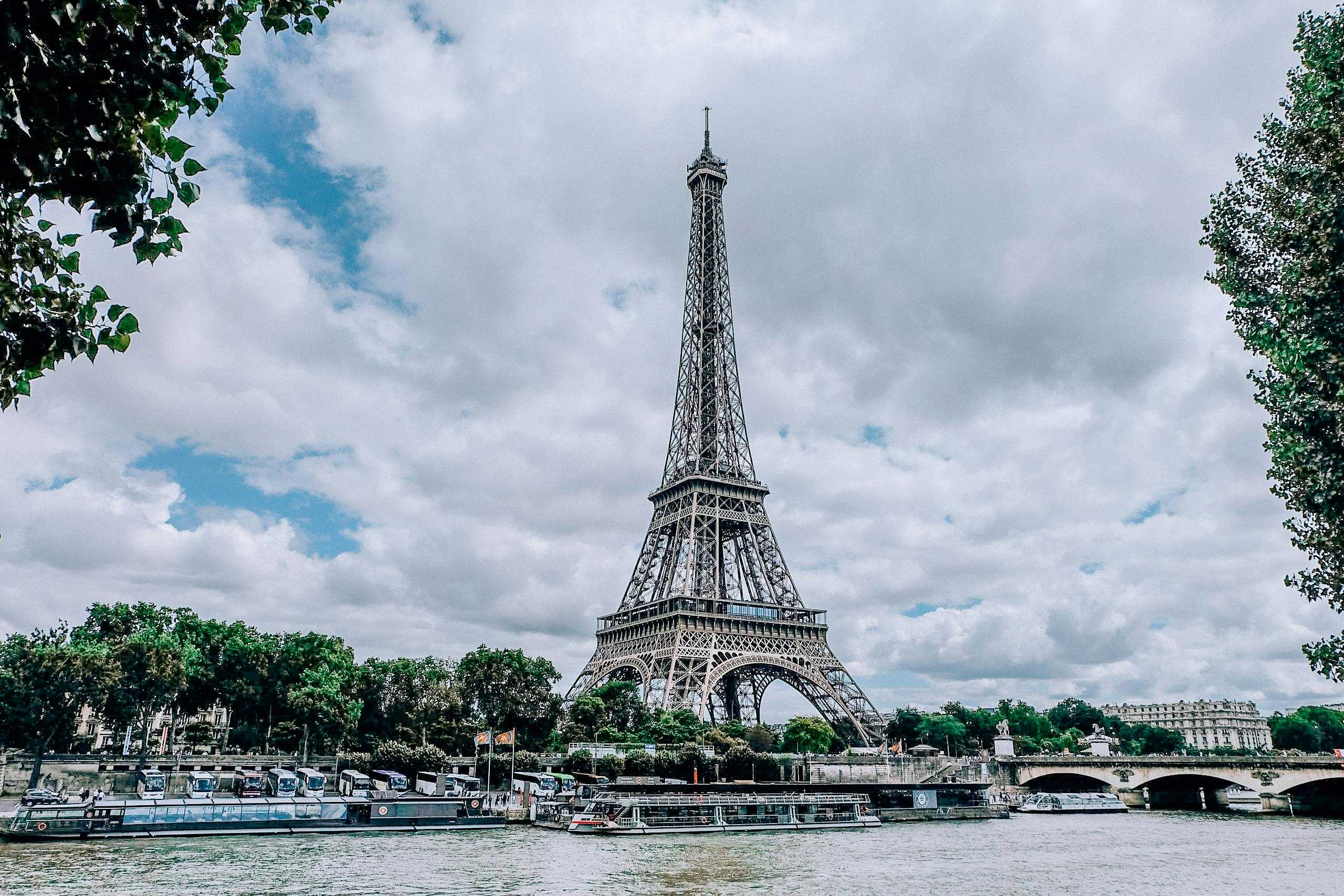
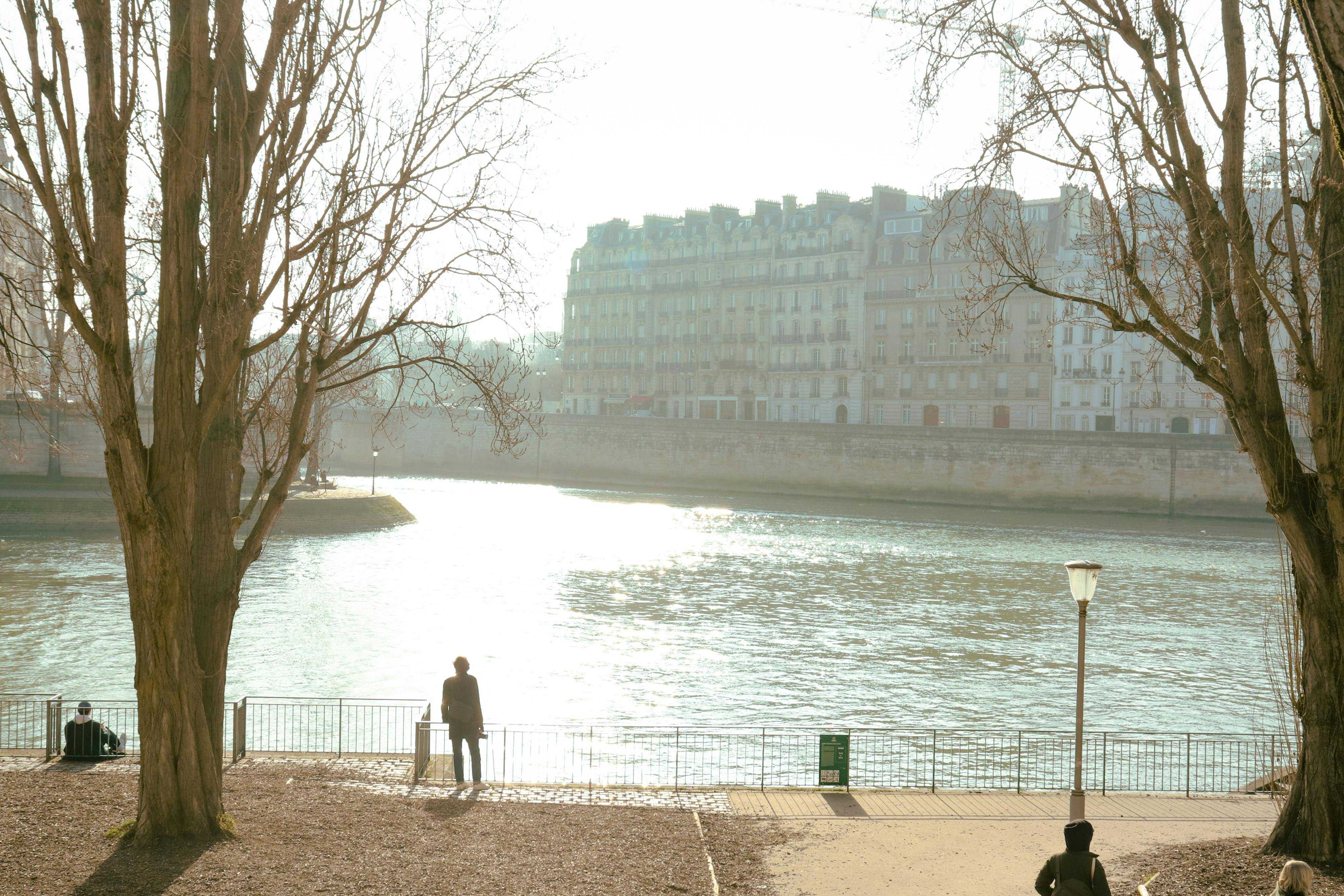
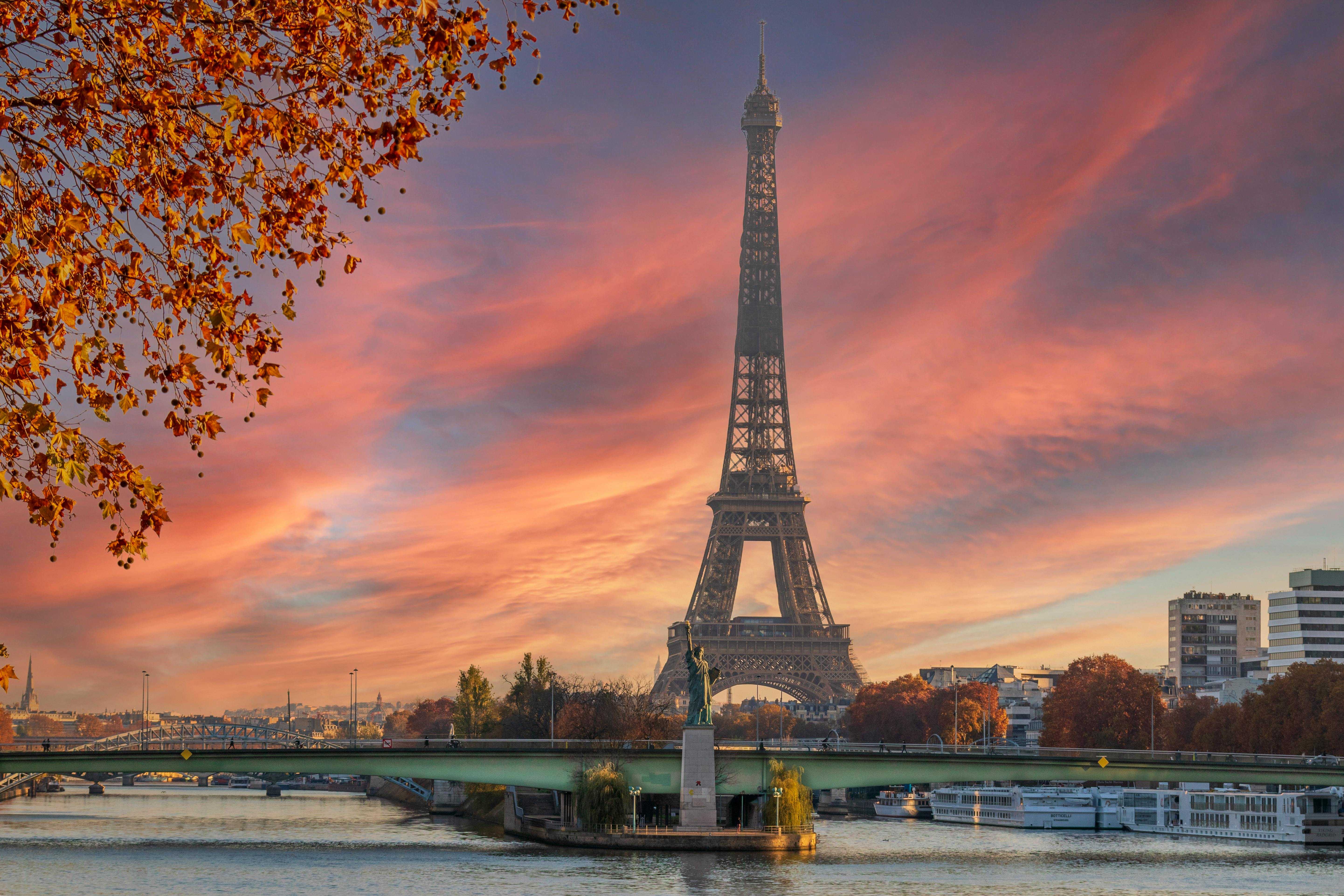
Beyond the Périphérique: Discover the Unexpected Charms of Vitry-sur-Seine Just a stone's throw from the bustling heart of Paris, yet a world away in atmosphere, lies Vitry-sur-Seine. More than just a suburb, Vitry is a…

#Suburban#Cultural#Artistic#Seine River#Multicultural
1/19

Top hotels & flights

Hand-picked stays and the best fares into Vitry-sur-Seine.

Top Hotels in Vitry-sur-Seine

Top Flights to Vitry-sur-Seine

Location videos

Real reels from travelers, plus longer watches to get the full picture.

From travelers

Practical info

The essentials for planning your time in Vitry-sur-Seine.

Currency
€ | EUR | Euro
Population
information not available
Languages
French, Arabic, Portuguese
Average weather
Vitry-sur-Seine
Jan
cold
6°1°
Feb
cold
8°1°
Mar
cloud
12°3°
Apr
rain
15°5°
May
cloud
19°9°
Jun
sun
23°13°
Jul
sun
25°15°
Aug
sun
25°14°
Sep
cloud
21°12°
Oct
rain
16°9°
Nov
cloud
10°4°
Dec
cold
7°2°

Local guide

What travelers love, what to watch for, and a deeper read on Vitry-sur-Seine.

What people love

Vitry-sur-Seine, located in the Île-de-France region of France, offers several advantages for travelers:

  1. Proximity to Paris: Vitry-sur-Seine is just a short distance away from Paris, making it a convenient option for those who want to explore the French capital but prefer a quieter and more affordable place to stay.

  2. Cultural attractions: The city has a rich cultural scene, with art galleries, theaters, and museums showcasing both contemporary and traditional French art.

  3. Outdoor spaces: Vitry-sur-Seine is known for its beautiful parks and gardens, providing a peaceful escape from the hustle and bustle of city life. The Seine River also runs through the city, offering scenic views and opportunities for leisurely walks.

  4. Local cuisine: The city boasts a variety of restaurants and cafes where travelers can indulge in delicious French cuisine, including regional specialties and international dishes.

  5. Authentic experience: Vitry-sur-Seine offers a more authentic and off-the-beaten-path experience compared to tourist-heavy destinations, allowing travelers to immerse themselves in local culture and daily life.

Overall, Vitry-sur-Seine is a charming destination with a lot to offer for travelers looking to explore the Île-de-France region of France.

What to know

Some potential cons of traveling to Vitry-sur-Seine in Île-de-France, France, include:

  1. Distance from central Paris: Vitry-sur-Seine is located outside central Paris, which may require additional time and effort to travel to popular tourist attractions in the city.

  2. Limited tourist infrastructure: Vitry-sur-Seine is primarily a residential suburb, so it may lack the tourist amenities and attractions found in more popular tourist destinations.

  3. Language barrier: While many people in France speak English, there may be fewer English speakers in Vitry-sur-Seine compared to major tourist areas, which could make communication more challenging.

  4. Safety concerns: As with any destination, it is important to be aware of your surroundings and take precautions to ensure your safety, especially in unfamiliar areas.

It's worth noting that these potential cons are not unique to Vitry-sur-Seine and may apply to traveling to any suburban area within a major city. It's always a good idea to research and plan ahead to make the most of your trip.

Vitry-sur-Seine is a commune located in the southeastern suburbs of Paris, France. It is part of the Val-de-Marne department in the Île-de-France region. Here is a detailed history of Vitry-sur-Seine:

Early History

  • Origins: The area now known as Vitry-sur-Seine has been inhabited since ancient times. Archaeological findings suggest that it was a settlement area for the Gauls.
  • Roman Era: During the Roman Empire, the region around Vitry-sur-Seine was part of the territories that were under Roman control, and roads connecting to Lutetia (ancient Paris) passed nearby.

Medieval Period

  • Middle Ages: Vitry-sur-Seine, like many other towns around Paris, developed during the medieval period. The name 'Vitry' is derived from the Latin "Victoriacum," suggesting a Roman origin or influence.

Modern Period

  • 19th Century: With the Industrial Revolution, Vitry-sur-Seine became increasingly industrialized. The proximity to Paris and the Seine River made it an attractive location for factories and warehouses.
  • Railway Expansion: The arrival of railway lines in the 19th century significantly contributed to Vitry's growth, connecting it more effectively to Paris and facilitating the movement of goods and people.

20th Century

  • World Wars: Like much of France, Vitry-sur-Seine was affected by both World Wars. During World War II, the area was occupied by German forces.
  • Post-War Development: After World War II, Vitry-sur-Seine experienced rapid urbanization. The town expanded with new residential developments to accommodate the growing population.
  • Cultural Development: In the latter half of the 20th century, Vitry began to develop its cultural identity, with increased investment in public art and cultural infrastructure.

Modern Era

  • Urban Renewal: In recent decades, Vitry-sur-Seine has undergone significant urban renewal projects aimed at improving living conditions and infrastructure.
  • Cultural Significance: The town is known for its commitment to public art and has numerous murals and sculptures. The "Mac/Val" (Musée d'Art Contemporain du Val-de-Marne) opened in 2005 and is a major contemporary art museum in the region.

Notable Figures

  • Jean Jaurès: Although not directly from Vitry-sur-Seine, the influence of socialist leader Jean Jaurès was significant in the region, especially considering its working-class roots during the industrial era.
  • Street Artists: In more recent years, Vitry-sur-Seine has become known for its vibrant street art scene, which has attracted numerous artists from around the world.

Important Landmarks

  • Mac/Val: The contemporary art museum is a centerpiece of cultural life in Vitry-sur-Seine.
  • Church of Saint-Germain: An historic church that represents the architectural heritage of the commune.
  • Street Art: The city itself acts as an open-air gallery, with numerous murals and art installations.

Cultural and Social Aspects

Vitry-sur-Seine has a diverse population and is known for its multicultural community. The town is active in promoting multicultural events and has a strong tradition of community engagement and social activism.

Overall, Vitry-sur-Seine's history is closely tied to its geographical and economic position as a suburb of Paris, its industrial past, and its ongoing cultural developments.