
Vitrolles
· FR

Vitrolles

Vitrolles, Provence-Alpes-Cote d'Azur, France

Escape the Ordinary in Vitrolles, a Hidden Gem of Provence Nestled between the sparkling Mediterranean and the rugged beauty of the Alpilles mountains, Vitrolles, in the heart of Provence-Alpes-Côte d’Azur, offers a capt…

#Vitrolles#Provence-Alpes-Côte d’Azur#France#Mediterranean#historic
1/5

Top hotels & flights

Hand-picked stays and the best fares into Vitrolles.

Top Hotels in Vitrolles

Top Flights to Vitrolles

Location videos

Real reels from travelers, plus longer watches to get the full picture.

From travelers
Watch & explore

Practical info

The essentials for planning your time in Vitrolles.

Currency
€ | EUR | Euro
Population
Information not available.
Languages
French, French
Average weather
Vitrolles
Jan
cloud
10°2°
Feb
cloud
11°3°
Mar
rain
14°5°
Apr
sun
17°8°
May
sun
21°12°
Jun
clear
26°16°
Jul
hot
30°19°
Aug
hot
30°19°
Sep
sun
26°16°
Oct
cloud
21°12°
Nov
rain
15°7°
Dec
cloud
11°3°

Local guide

What travelers love, what to watch for, and a deeper read on Vitrolles.

What people love

Vitrolles, located in the Provence-Alpes-Côte d’Azur region of France, offers several pros for travelers:

  1. Proximity to Marseille: Vitrolles is located near Marseille, one of the largest cities in France. Travelers can easily visit Marseille to explore its historic sites, museums, and vibrant culture.

  2. Scenic Beauty: The Provence-Alpes-Côte d’Azur region is known for its stunning landscapes, including rolling hills, vineyards, and olive groves. Vitrolles itself is surrounded by natural beauty, making it a great destination for outdoor enthusiasts.

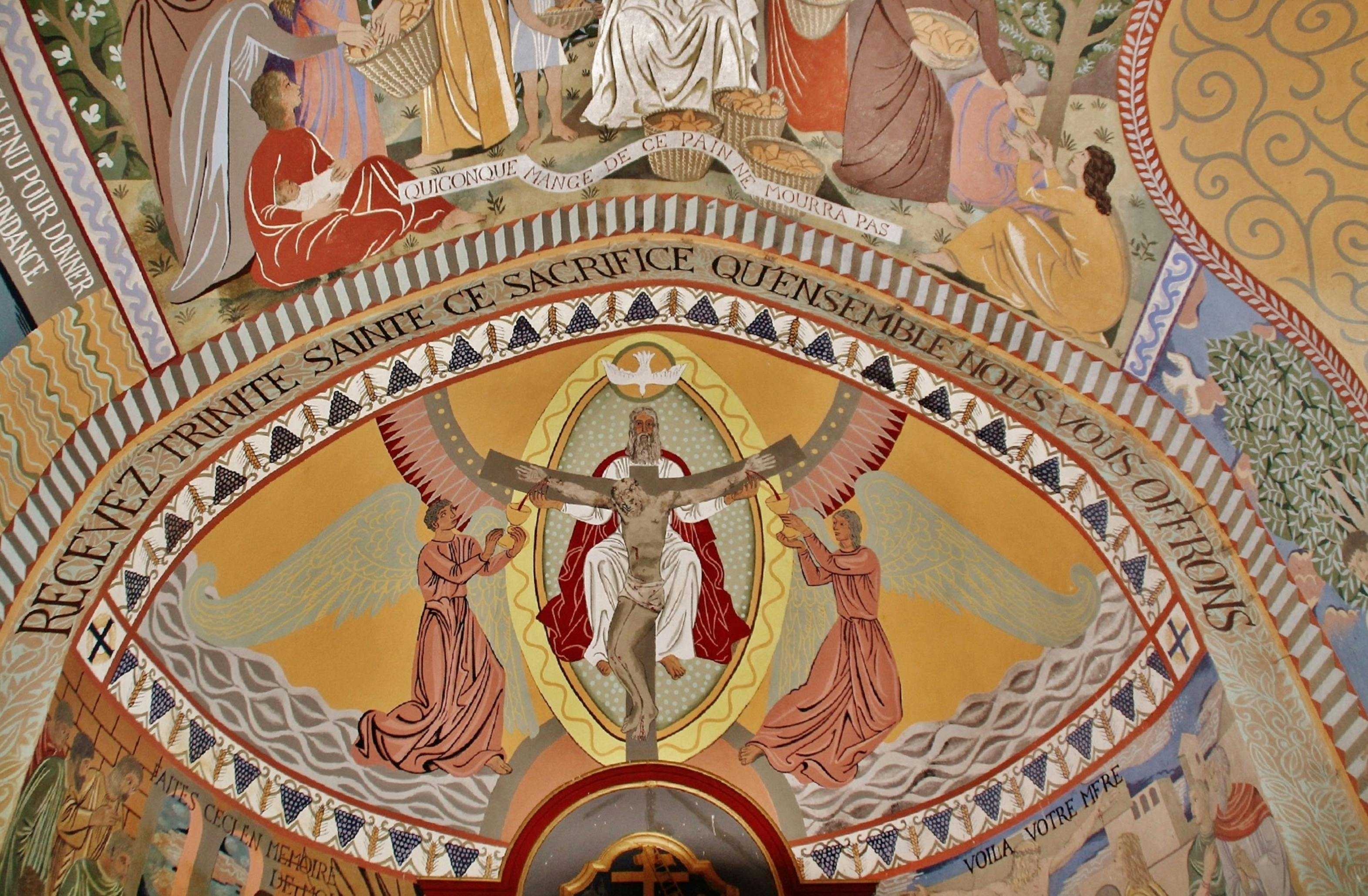
  3. Cultural Heritage: Vitrolles has a rich cultural heritage, with historical sites such as the Château de l'Empéri and the Chapelle Notre-Dame-de-Vie. Visitors can immerse themselves in the region's history and architecture.

  4. Gastronomy: Provence is renowned for its delicious cuisine, characterized by fresh seafood, aromatic herbs, and locally-produced wines. Travelers to Vitrolles can enjoy authentic Provençal dishes at local restaurants and markets.

  5. Proximity to the Mediterranean: Vitrolles is located close to the Mediterranean Sea, offering easy access to beautiful beaches and coastal towns. Visitors can relax on the sandy shores, swim in the clear waters, and enjoy water sports activities.

Overall, traveling to Vitrolles offers a mix of cultural experiences, natural beauty, and culinary delights, making it a wonderful destination for those looking to explore the Provence-Alpes-Côte d’Azur region of France.

What to know

Traveling to Vitrolles in Provence-Alpes-Côte d’Azur, France, may have some cons that visitors should be aware of:

  1. Limited Tourist Attractions: Vitrolles is a smaller town and may not offer as many tourist attractions or activities compared to larger cities in the region. Visitors looking for a bustling tourist scene might find Vitrolles to be quieter in comparison.

  2. Transportation: While Vitrolles is well-connected by road networks, public transportation options within the town may be limited. Visitors may need to rely on private transportation such as taxis or rental cars to get around.

  3. Language Barrier: As a smaller town, English may not be as widely spoken in Vitrolles compared to major tourist destinations. Visitors who do not speak French may encounter some communication challenges.

  4. Limited Accommodation Options: Vitrolles may have limited choices when it comes to accommodation, especially in terms of luxury or high-end hotels. Visitors looking for a wide range of accommodation options may need to consider staying in nearby cities.

  5. Seasonal Considerations: Depending on the time of year, Vitrolles may experience extreme weather conditions such as high temperatures in summer or colder weather in winter. Visitors should plan their trip accordingly to ensure a comfortable stay.

Overall, while Vitrolles offers a more authentic and quieter experience compared to larger tourist hubs, visitors should be prepared for the potential limitations that come with a smaller town setting.

Vitrolles is a commune located in the Bouches-du-Rhône department in the Provence-Alpes-Côte d'Azur region of southern France. The town has a rich history that is intertwined with the broader history of the Provence region. Here is a detailed historical overview of Vitrolles:

Early History

  • Ancient Times: The area around Vitrolles has been inhabited since prehistoric times. Archaeological findings suggest that the region was occupied by Celtic-Ligurian tribes before the arrival of the Romans.
  • Roman Era: During the Roman period, the area was integrated into the Roman Empire. There is limited specific information on Vitrolles during this time, but the region of Provence was known for its Roman roads and settlements.

Middle Ages

  • Medieval Development: Vitrolles, like many towns in Provence, developed around a feudal structure. The presence of a castle suggests the town's strategic importance during medieval times.
  • The Templars: In the 12th and 13th centuries, the Knights Templar were known to have a presence in the region, and Vitrolles was part of the land holdings that were under their influence.

Renaissance to 18th Century

  • Vitrolles Castle: The Château de Vitrolles, whose ruins can still be seen today, played a significant role in the town's history. It was a defensive structure and a symbol of the town's medieval heritage.
  • Religious Influence: The church of Saint-Gérard, with origins tracing back to this period, showcases the religious influence on the town's development.

19th Century

  • Industrialization: The 19th century brought industrial changes to the region. Though Vitrolles remained relatively rural, nearby Marseille's growth as a major port city influenced economic activities.
  • Infrastructure: The construction of roads and railways in the 19th century improved accessibility to Vitrolles, integrating it more closely with the rest of Provence and France.

20th Century

  • World Wars: Like much of France, Vitrolles was affected by the World Wars, with local residents serving in the military and the town adapting to the broader socio-economic changes brought about by the wars.
  • Post-war Development: After World War II, Vitrolles experienced significant growth and urbanization, partially due to its proximity to Marseille and the expansion of the Aix-Marseille-Provence Metropolis.

Modern Era

  • Political Changes: In the late 20th century, Vitrolles gained national attention when its municipal government came under the control of the National Front (now National Rally) in the 1990s. This period was marked by controversial policies and significant political discourse.
  • Urban Expansion: Today, Vitrolles is a suburban area with a mix of residential, commercial, and industrial zones. The town has modern infrastructure and serves as a residential community for those working in nearby urban centers.

Landmarks

  • Château de Vitrolles: The ruins of this castle are a testament to the town’s medieval past.
  • Église Saint-Gérard: This church is a notable religious landmark with historical significance.
  • La Tour Sarrasine: A tower that offers historical insight into the town's fortifications.

Vitrolles continues to balance its historical heritage with modern development, making it an integral part of the Provence-Alpes-Côte d'Azur region.