
Vernal
· US

Vernal

Vernal, Utah, United States

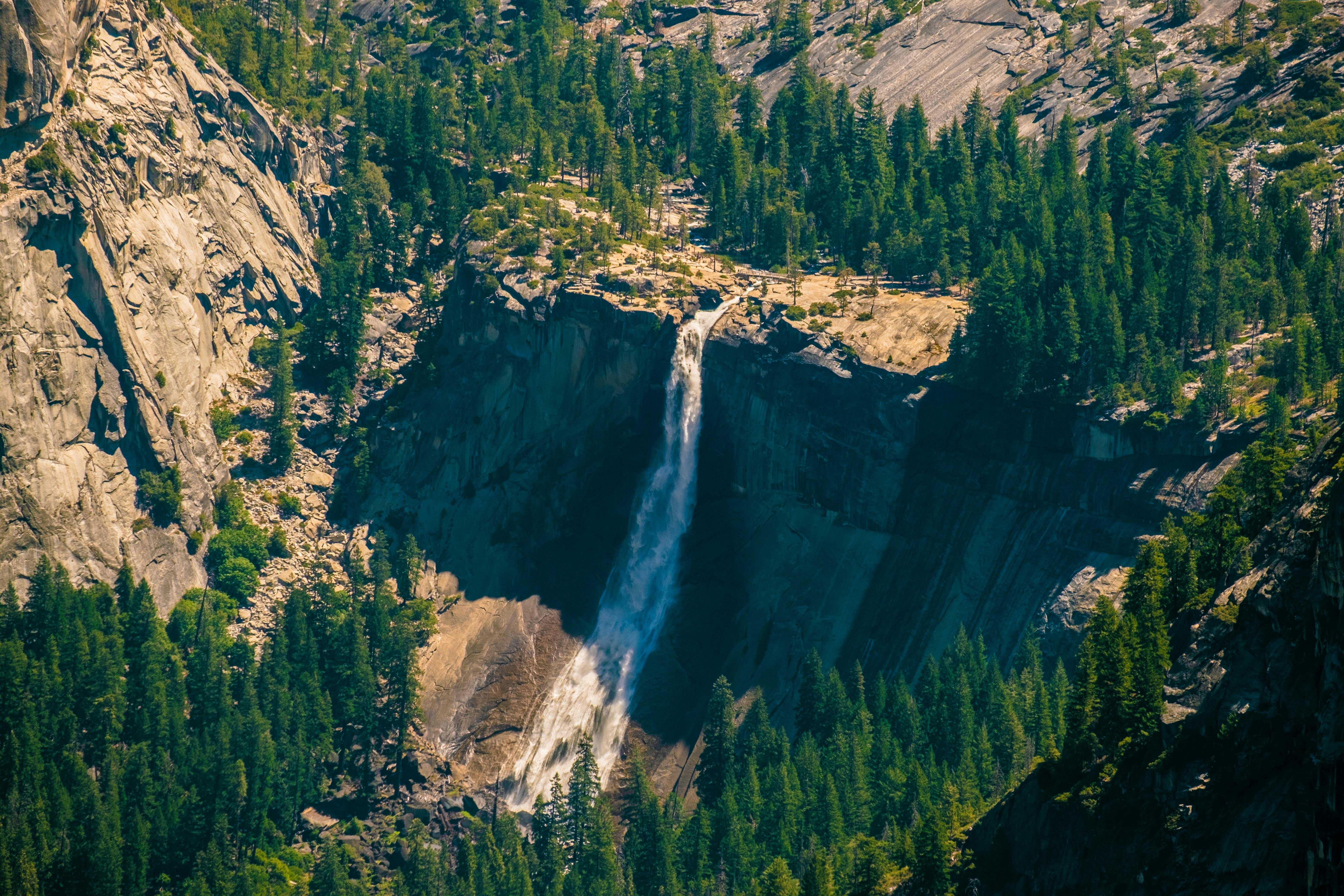
Nestled in the picturesque state of Utah, Vernal is a hidden gem waiting to be discovered by curious travelers. Located in the northeastern corner of the state, Vernal boasts a unique blend of natural beauty, rich histor…

#Vernal#Utah#United States#rural#outdoors
1/3

Top hotels & flights

Hand-picked stays and the best fares into Vernal.

Top Hotels in Vernal

Top Flights to Vernal

Location videos

Real reels from travelers, plus longer watches to get the full picture.

From travelers

Practical info

The essentials for planning your time in Vernal.

Currency
$ | USD | US Dollar
Population
As of the most recent estimates, the approximate population of Vernal, Utah is around 11,000.
Languages
English, English
Average weather
Vernal
Jan
snow
-1°-12°
Feb
cold
3°-9°
Mar
cloud
9°-5°
Apr
rain
15°0°
May
sun
21°5°
Jun
clear
27°10°
Jul
hot
32°14°
Aug
hot
31°13°
Sep
clear
25°7°
Oct
cloud
17°1°
Nov
cold
8°-6°
Dec
snow
1°-10°

Local guide

What travelers love, what to watch for, and a deeper read on Vernal.

What people love

Vernal, located in Utah, United States, offers a variety of unique attractions and activities for travelers to enjoy. Some of the pros of traveling to Vernal include:

  1. Dinosaur National Monument: Vernal is known for its close proximity to Dinosaur National Monument, which is a must-visit for dinosaur enthusiasts. The monument features an extensive collection of dinosaur fossils, petroglyphs, and stunning landscapes.

  2. Outdoor Recreation: Vernal is surrounded by beautiful natural landscapes, making it a great destination for outdoor enthusiasts. Visitors can enjoy activities such as hiking, camping, fishing, and river rafting in the nearby Uinta Mountains and Green River.

  3. Flaming Gorge Reservoir: Located just a short drive from Vernal, Flaming Gorge Reservoir offers opportunities for boating, fishing, and water sports. The area is also known for its scenic beauty, with red rock cliffs contrasting against the blue waters of the reservoir.

  4. Western Heritage: Vernal has a rich history of western heritage, with attractions such as the Western Heritage Museum showcasing the area's cowboy culture and pioneer history. Visitors can learn about the region's past through exhibits, artifacts, and interactive displays.

  5. Small-Town Charm: Vernal has a welcoming small-town atmosphere, with friendly locals and a relaxed pace of life. Travelers can explore the quaint downtown area, visit local shops and restaurants, and experience the community's warm hospitality.

Overall, traveling to Vernal, Utah, offers a unique blend of natural beauty, outdoor recreation, dinosaur history, and western heritage, making it a great destination for travelers seeking an authentic American experience.

What to know

Vernal, Utah, is a beautiful destination with many attractions and outdoor activities, but like any other place, it also has its drawbacks. Some potential cons of traveling to Vernal include:

  1. Remote Location: Vernal is located in a relatively remote area of Utah, which can make it more difficult to access compared to larger cities. The nearest major airport is in Salt Lake City, which is about a 3.5-hour drive away.

  2. Limited Dining and Entertainment Options: As a smaller town, Vernal may have fewer dining and entertainment options compared to larger cities. Visitors looking for a variety of restaurants, nightlife, and cultural attractions may find Vernal to be lacking in these areas.

  3. Seasonal Weather Extremes: Vernal experiences a wide range of weather conditions, from hot summers to cold winters. Travelers should be prepared for temperature extremes and potential weather-related disruptions depending on the time of year they visit.

  4. Limited Public Transportation: Vernal does not have a comprehensive public transportation system, so visitors may need to rely on their own vehicles or rental cars to get around. This can be a challenge for those who prefer not to drive or who are looking for alternative transportation options.

  5. Limited Accommodation Options: While Vernal does offer a range of accommodation options, including hotels, motels, and vacation rentals, the choices may be more limited compared to larger tourist destinations. It's advisable to book accommodations in advance, especially during peak travel times.

Overall, while Vernal has its drawbacks, many visitors find the natural beauty and outdoor activities in the area to be well worth the trip. It's essential to plan ahead and be prepared for the challenges that come with traveling to a smaller, more remote destination like Vernal.

Vernal, Utah, is a city with a rich history located in the northeastern part of the state, serving as the county seat of Uintah County. Here is a detailed look at its history, significant events, historical figures, and important landmarks:

Early History:

  • Native American Origins: Before European settlers arrived, the area around Vernal was inhabited by the Ute Indians. The Utes were the dominant tribe in the region and utilized the land for hunting and gathering.

  • Exploration and Settlement: The first known European to explore the Uintah Basin, where Vernal is located, was the Spanish priest Silvestre Vélez de Escalante in 1776. However, significant settlement did not occur until much later.

Settlement and Development:

  • Establishment: Vernal was settled in 1876 by pioneers sent by The Church of Jesus Christ of Latter-day Saints (LDS Church). These settlers were part of a movement to establish communities throughout the Utah Territory.

  • Name Origin: The origin of the name "Vernal" is not entirely clear, but it is often thought to relate to the word "vernal" meaning spring-like or green, perhaps reflecting the area's renewal and potential.

  • Economic Development: The economy of Vernal historically relied on agriculture, with sheep and cattle ranching being primary activities. The discovery of oil and natural resources in the early 20th century significantly contributed to its economic growth.

Significant Events:

  • Uintah Basin Boom: In the early 20th century, the discovery of gilsonite, a unique form of asphalt, led to economic growth and an influx of workers and settlers. The mining of gilsonite was a major economic driver for the area.

  • Oil and Gas Industry: The discovery and development of oil fields in the 1920s and beyond have been crucial to Vernal's economy. The energy sector continues to play a significant role in the city's economic landscape.

  • Dinosaur National Monument: The establishment of Dinosaur National Monument in 1915, located northeast of Vernal, has been an important event in the region's history. It attracts numerous tourists and paleontology enthusiasts each year.

Historical Figures:

  • Pioneer Settlers: While individual names may not be as well-known, the early settlers sent by the LDS Church laid the foundation for Vernal's development.

  • Earl Douglass: A significant historical figure associated with the area, Douglass was a paleontologist who discovered the dinosaur fossil beds at Dinosaur National Monument, which contributed greatly to the scientific significance and tourism draw of the region.

Important Landmarks:

  • Dinosaur National Monument: This landmark is famous for its rich deposits of dinosaur fossils and offers a unique window into the prehistoric past. The Quarry Exhibit Hall allows visitors to view fossils embedded in the rock.

  • Uintah County Heritage Museum: This museum in Vernal provides insights into the history and culture of the area, featuring exhibits on Native American artifacts, pioneer history, and the local economy.

  • Uintah County Western Park: A central venue for community events, rodeos, and fairs, this park is an important part of Vernal's social and cultural life.

  • Vernal Utah Temple: The Vernal Utah Temple, dedicated in 1997, is a significant religious landmark for the LDS Church community in the area.

Vernal's history is closely tied to its natural resources, pioneering spirit, and the rugged beauty of the surrounding landscape. It continues to be a vibrant community with a deep appreciation for its historical roots and natural heritage.