
Valle d’Aosta
· IT

Valle d’Aosta

Valle d’Aosta, Italy

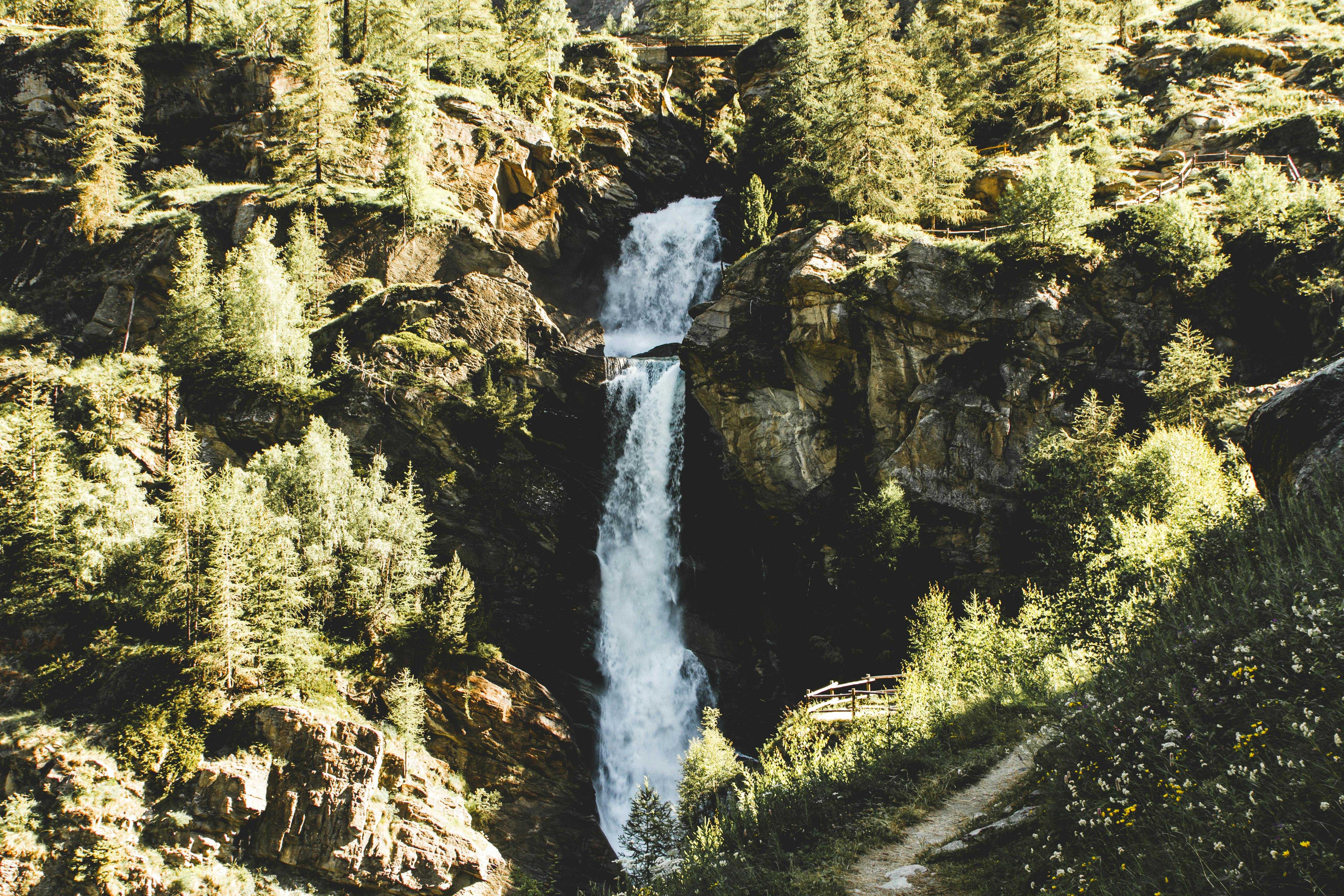
Valle d’Aosta, located in the picturesque region of northwest Italy, is a hidden gem waiting to be explored by adventurous travelers. Nestled in the heart of the Alps, this stunning valley is renowned for its breathtakin…

#mountains#skiing#hiking#Italian Alps#cultural heritage
1/2

Top hotels & flights

Hand-picked stays and the best fares into Valle d’Aosta.

Top Hotels in Valle d’Aosta

Top Flights to Valle d’Aosta

Practical info

The essentials for planning your time in Valle d’Aosta.

Currency
€ | EUR | Euro
Population
Approximately 126,000
Languages
French, Italian, French, German

Local guide

What travelers love, what to watch for, and a deeper read on Valle d’Aosta.

What people love

Valle d'Aosta, located in northern Italy, offers a unique travel experience with several pros for visitors:

  1. Stunning Scenery: Valle d'Aosta is known for its breathtaking Alpine landscapes, including majestic mountains, lush valleys, and picturesque villages. Nature lovers and outdoor enthusiasts will appreciate the stunning views and ample opportunities for hiking, skiing, and other outdoor activities.

  2. Rich History and Culture: The region has a rich history dating back to Roman times, with well-preserved castles, fortresses, and Roman ruins to explore. Visitors can also experience the local culture through traditional festivals, cuisine, and artisanal products such as fontina cheese and local wines.

  3. Outdoor Activities: Valle d'Aosta is a paradise for outdoor enthusiasts, offering a wide range of activities such as skiing, snowboarding, hiking, mountain biking, and paragliding. The region boasts several world-class ski resorts, including Courmayeur, Cervinia, and La Thuile.

  4. Thermal Spas: Valle d'Aosta is home to several thermal spas and wellness centers where visitors can relax and rejuvenate in natural hot springs. These spas offer a range of treatments and facilities, providing a perfect way to unwind after a day of exploring the region.

  5. Gastronomic Delights: The region's cuisine is a highlight for foodies, featuring hearty dishes made with locally sourced ingredients such as game meats, polenta, and chestnuts. Visitors can enjoy traditional Valdostano dishes at cozy mountain restaurants and trattorias.

  6. Accessibility: Valle d'Aosta is easily accessible by car or public transportation from major cities such as Milan, Turin, and Geneva. The region's small size makes it easy to explore multiple attractions in a short amount of time, making it an ideal destination for a weekend getaway or a longer vacation.

Overall, Valle d'Aosta offers a perfect blend of natural beauty, cultural heritage, outdoor activities, and culinary delights, making it a must-visit destination for travelers seeking an authentic Italian experience.

What to know

Some potential cons of traveling to Valle d'Aosta in Italy may include:

  1. Weather: The region experiences cold winters with heavy snowfall, which may impact travel plans and outdoor activities.

  2. Accessibility: Valle d'Aosta is a mountainous region with winding roads, which may be challenging to navigate for those not used to driving in such terrain.

  3. Limited public transportation: Public transportation options may be limited in certain areas of Valle d'Aosta, making it more difficult to get around without a car.

  4. Higher cost of living: Being a popular tourist destination, prices for accommodations, dining, and activities in Valle d'Aosta may be higher compared to other regions in Italy.

  5. Language barrier: While Italian is widely spoken, Valle d'Aosta is a bilingual region where French is also commonly used. This may pose challenges for travelers who do not speak either language.

  6. Crowds: During peak tourist seasons, Valle d'Aosta can become crowded with visitors, which may detract from the peaceful and natural beauty of the region.

These are some potential cons to consider when planning a trip to Valle d'Aosta.

Valle d’Aosta, also known as the Aosta Valley, is an autonomous region in northwest Italy, bordered by France to the west, Switzerland to the north, and the Italian region of Piedmont to the south and east. It is the smallest and least populous region in Italy, known for its stunning Alpine landscapes, historical sites, and cultural heritage.

Ancient History

  • Roman Era: The region's history dates back to ancient times. The Romans conquered the area in 25 BC under Emperor Augustus. They established Augusta Praetoria Salassorum, which is present-day Aosta, as a key military outpost. Significant Roman landmarks include the Arch of Augustus and the Roman Theatre in Aosta.

  • Salassi Tribe: Before Roman conquest, the Valle d’Aosta was inhabited by the Celtic-Ligurian tribe known as the Salassi. They were known for their resistance against Roman occupation.

Medieval Period

  • Frankish Rule: After the fall of the Western Roman Empire, the region came under the control of the Franks in the 5th century. It later became part of the Kingdom of Italy under the Holy Roman Empire.

  • House of Savoy: In the 11th century, the Valle d’Aosta came under the rule of the House of Savoy. This dynasty played a significant role in the region’s history, and their influence persisted for centuries.

Renaissance and Early Modern Period

  • Strategic Importance: Due to its location in the Alps, the Aosta Valley was of great strategic importance, serving as a key passage between Italy and the rest of Europe.

  • Fortifications: During this period, numerous castles and fortresses were built to protect against invasions. Notable examples include the Fénis Castle, Verrès Castle, and the Fortress of Bard.

19th and 20th Century

  • Napoleonic Era: The Aosta Valley was occupied by French forces under Napoleon in the early 19th century. It was returned to the Kingdom of Sardinia in 1815 after the Congress of Vienna.

  • Italian Unification: In 1861, Valle d’Aosta became part of the unified Kingdom of Italy.

  • World War II: The region was affected by World War II and experienced German occupation. After the war, it was granted autonomous status in 1948, recognizing its distinct cultural identity, particularly its French-speaking population.

Autonomy and Modern Era

  • Autonomous Region: Today, the Valle d’Aosta is an autonomous region with special statutes that allow it greater legislative powers, especially in education and cultural affairs. It is bilingual, with both Italian and French as official languages.

  • Tourism and Economy: The region is known for its ski resorts, hiking trails, and natural parks, including the Gran Paradiso National Park. Tourism is a major part of the economy, along with agriculture and hydroelectric power.

Significant Landmarks

  1. Gran Paradiso National Park: Italy's first national park, shared with Piedmont, known for its wildlife and scenic beauty.

  2. Mont Blanc: The highest mountain in the Alps and Western Europe, part of which lies within the region.

  3. Fénis Castle: A well-preserved medieval castle, famous for its architecture and frescoes.

  4. Bard Fortress: A 19th-century fortress dominating the Dora Baltea River, now housing a museum and exhibitions.

  5. Aosta Cathedral: An important religious site with origins dating back to the 4th century.

Valle d’Aosta's rich history and cultural heritage continue to attract visitors interested in exploring its unique blend of Italian and French influences, as well as its breathtaking natural landscapes.