
Valladolid
· MX

Valladolid

Valladolid, Yucatan, Mexico

Journey to the Heart of Yucatán: Discover Valladolid Step off the beaten path and into the vibrant heart of Yucatán in Valladolid, a colonial gem bursting with history, culture, and authentic Mexican charm. This enchanti…

#Colonial architecture#Mayan culture#Historic sites#Cenotes#Local cuisine
1/5

Top hotels & flights

Hand-picked stays and the best fares into Valladolid.

Top Hotels in Valladolid

Top Flights to Valladolid

Practical info

The essentials for planning your time in Valladolid.

Currency
$ | MXN | Mexican Peso
Population
48973.0
Languages
Spanish, Spanish
Average weather
Valladolid
Jan
cold
10°1°
Feb
cold
12°2°
Mar
cloud
16°4°
Apr
rain
18°6°
May
sun
22°9°
Jun
sun
28°13°
Jul
hot
32°15°
Aug
hot
31°15°
Sep
sun
26°12°
Oct
cloud
19°8°
Nov
rain
13°4°
Dec
cold
10°2°

Local guide

What travelers love, what to watch for, and a deeper read on Valladolid.

What people love

Valladolid, located in the Yucatán Peninsula of Mexico, offers a unique and diverse travel experience with several pros for visitors:

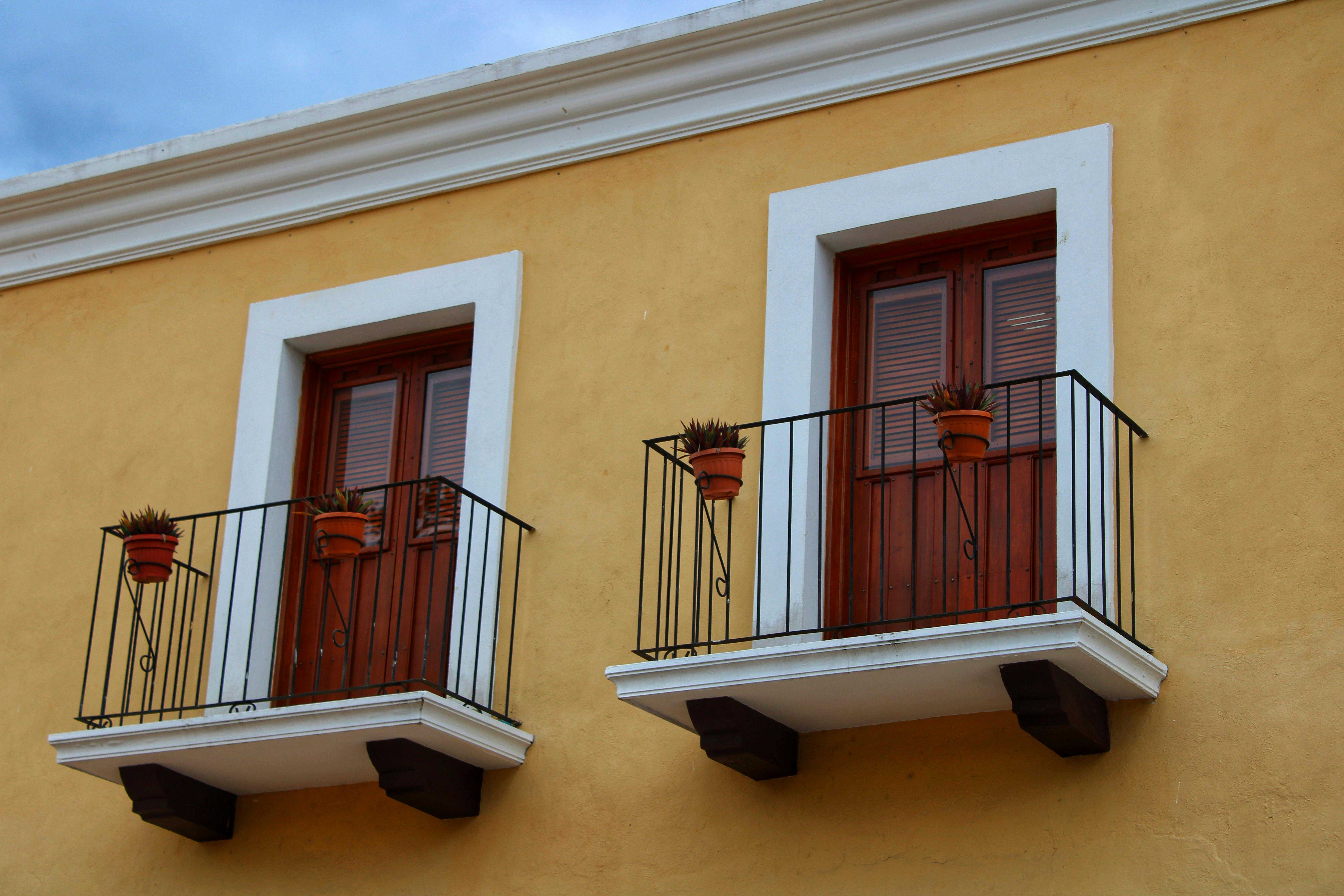
  1. Historical and Cultural Richness: Valladolid is a charming colonial town with a rich history dating back to ancient Mayan times. Visitors can explore well-preserved colonial architecture, historic churches, and traditional Mayan culture.

  2. Cenotes and Natural Beauty: The region surrounding Valladolid is home to numerous cenotes, natural sinkholes filled with crystal-clear water. These cenotes provide opportunities for swimming, diving, and exploring stunning underground caves.

  3. Proximity to Mayan Ruins: Valladolid serves as a convenient base for visiting nearby Mayan archaeological sites such as Chichén Itzá, Ek Balam, and Coba. These ancient ruins offer insights into the fascinating Mayan civilization.

  4. Local Cuisine: The town is known for its delicious Yucatecan cuisine, which includes traditional dishes like cochinita pibil (slow-roasted pork), salbutes, and panuchos. Visitors can also enjoy street food stalls and local markets offering authentic flavors.

  5. Authentic Experience: Valladolid provides a more authentic and less touristy atmosphere compared to other popular destinations in the Yucatán Peninsula. Visitors can immerse themselves in local life, interact with friendly residents, and experience genuine Mexican hospitality.

  6. Convenient Location: Valladolid's central location makes it a great hub for exploring other parts of the Yucatán Peninsula, including nearby cities like Mérida and Tulum, as well as beautiful beaches along the Riviera Maya.

Overall, Valladolid offers a mix of history, culture, natural beauty, and culinary delights, making it a rewarding destination for travelers seeking an immersive and authentic Mexican experience.

What to know

Traveling to Valladolid, Yucatán, Mexico can have some cons that you may want to consider:

  1. Extreme Heat: Valladolid can get very hot, especially during the summer months. The high temperatures can make it uncomfortable to explore the town and its attractions during the day.

  2. Humidity: Along with the heat, Valladolid can also be quite humid, which may not be enjoyable for everyone, especially those who are not used to such high levels of humidity.

  3. Limited Public Transportation: Valladolid is a smaller town, and while it is walkable, the public transportation options are limited. This can make it challenging to get around if you don't have a car.

  4. Language Barrier: While many people in Valladolid may speak some English, the primary language is Spanish. If you don't speak Spanish, you may encounter some communication barriers, which can make it difficult to navigate the town or seek help if needed.

  5. Crowds: Valladolid has become a popular tourist destination in recent years, so it can get crowded, especially during peak travel seasons. This can lead to longer wait times at attractions and restaurants.

  6. Limited Nightlife: If you're looking for a vibrant nightlife scene, Valladolid may not be the best destination for you. The town is more laid-back and quiet in the evenings, with limited options for entertainment.

Remember that these cons are subjective and may not apply to everyone. It's always a good idea to research further and consider your own preferences and needs before traveling to Valladolid, Yucatán, Mexico.

Valladolid, Yucatán, Mexico, is a city with a rich and varied history, deeply rooted in both pre-Columbian and colonial eras. Here is a detailed account of its history, significant events, historical figures, and important landmarks:

Pre-Columbian Era

  • Maya Civilization: The area that is now Valladolid was originally populated by the Maya civilization. Before the arrival of the Spanish, it was part of the region controlled by the Cupul Maya.

Founding and Colonial Period

  • 1543: Valladolid was founded by Spanish conquistador Francisco de Montejo on May 28, 1543. The original location was at a site called Chauac-Ha, but due to resistance from native Maya and unfavorable conditions, it was moved in 1545 to its current location, where the Maya town of Zací once stood.

  • Revolt of the Indigenous Populations: The relocation displaced the Maya inhabitants of Zací, leading to tensions and revolts. These conflicts were part of the broader struggles and resistance faced by the Spanish throughout the Yucatán Peninsula.

19th Century

  • Caste War of Yucatán (1847-1901): Valladolid played a significant role during this period. The Caste War was a long-running conflict between the Maya people and the Mexican government. Valladolid was sacked by Maya rebels in 1848, which was a pivotal event in the war.

20th Century to Present

  • Modern Development: Today, Valladolid is a vibrant city that serves as a cultural and economic center in the Yucatán Peninsula. It has become a popular tourist destination due to its historical sites and proximity to other attractions like Chichen Itza and the cenotes.

Important Landmarks and Cultural Heritage

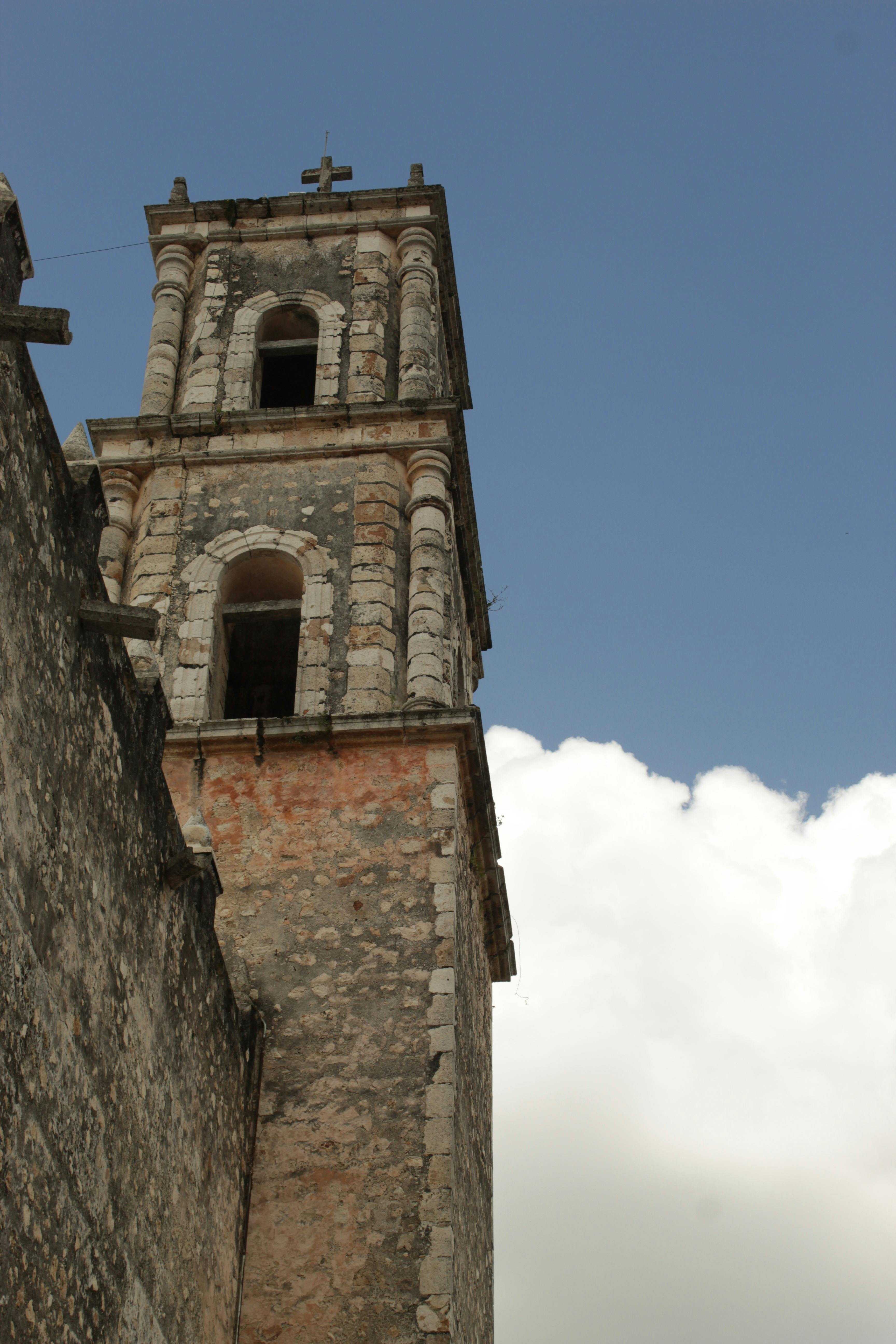
  • San Servacio Church: Originally built in 1545 and rebuilt in the early 18th century, this church is a prominent feature of the central square, Plaza Principal. Its architecture reflects the colonial and religious history of the region.

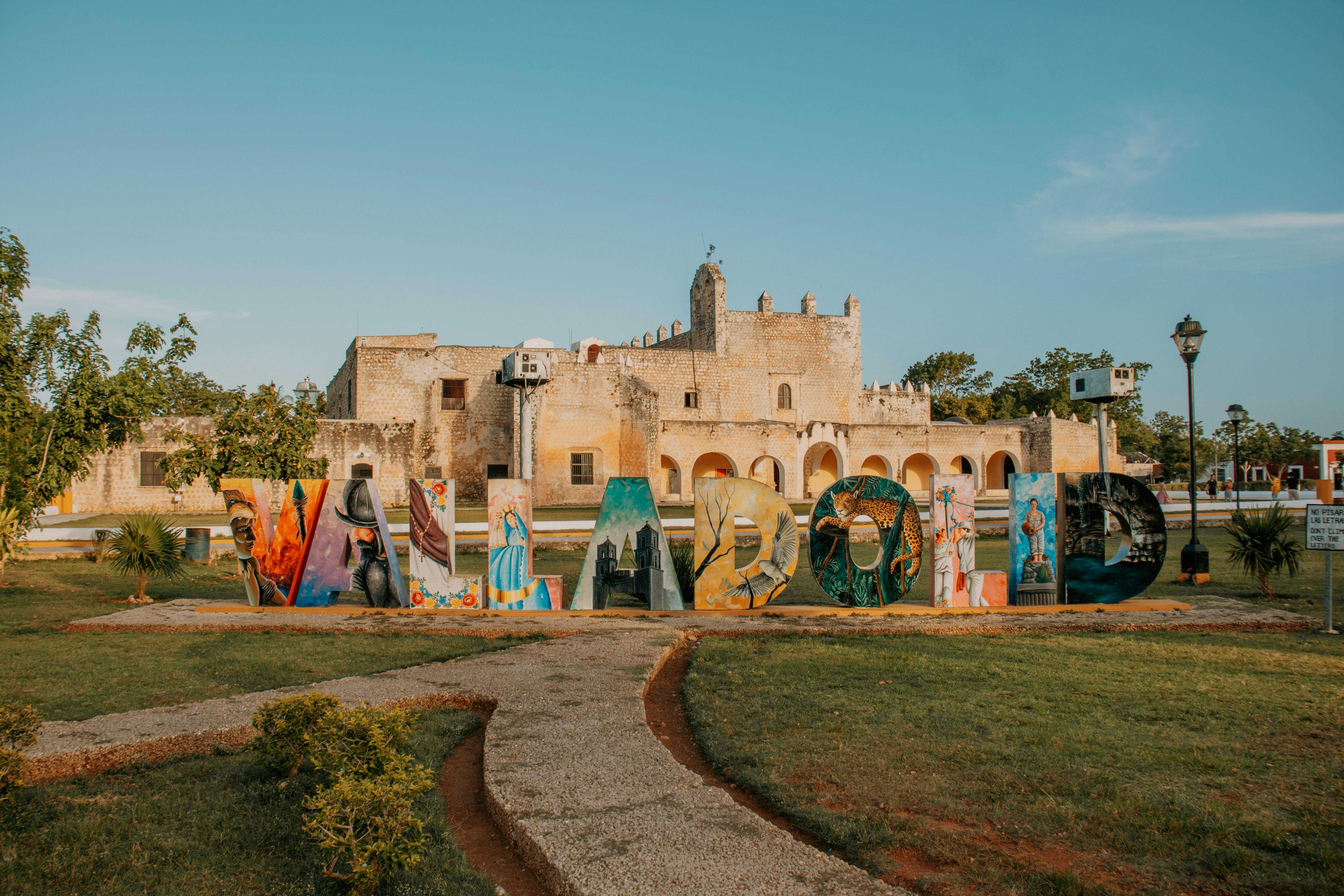
  • Convent of San Bernardino de Siena: Founded in 1552, this Franciscan convent is one of the oldest in the Americas. It played a critical role in the Spanish efforts to evangelize the indigenous population.

  • Casa de los Venados: A private home open to the public, showcasing one of the largest collections of Mexican folk art.

  • Zací Cenote: This natural sinkhole is located in the city and is a popular spot for both locals and tourists. It also holds historical significance, as it was part of the original Maya settlement.

  • Calzada de los Frailes: A picturesque colonial street that connects the city center with the Convent of San Bernardino de Siena, showcasing beautiful architecture and local shops.

Cultural Significance

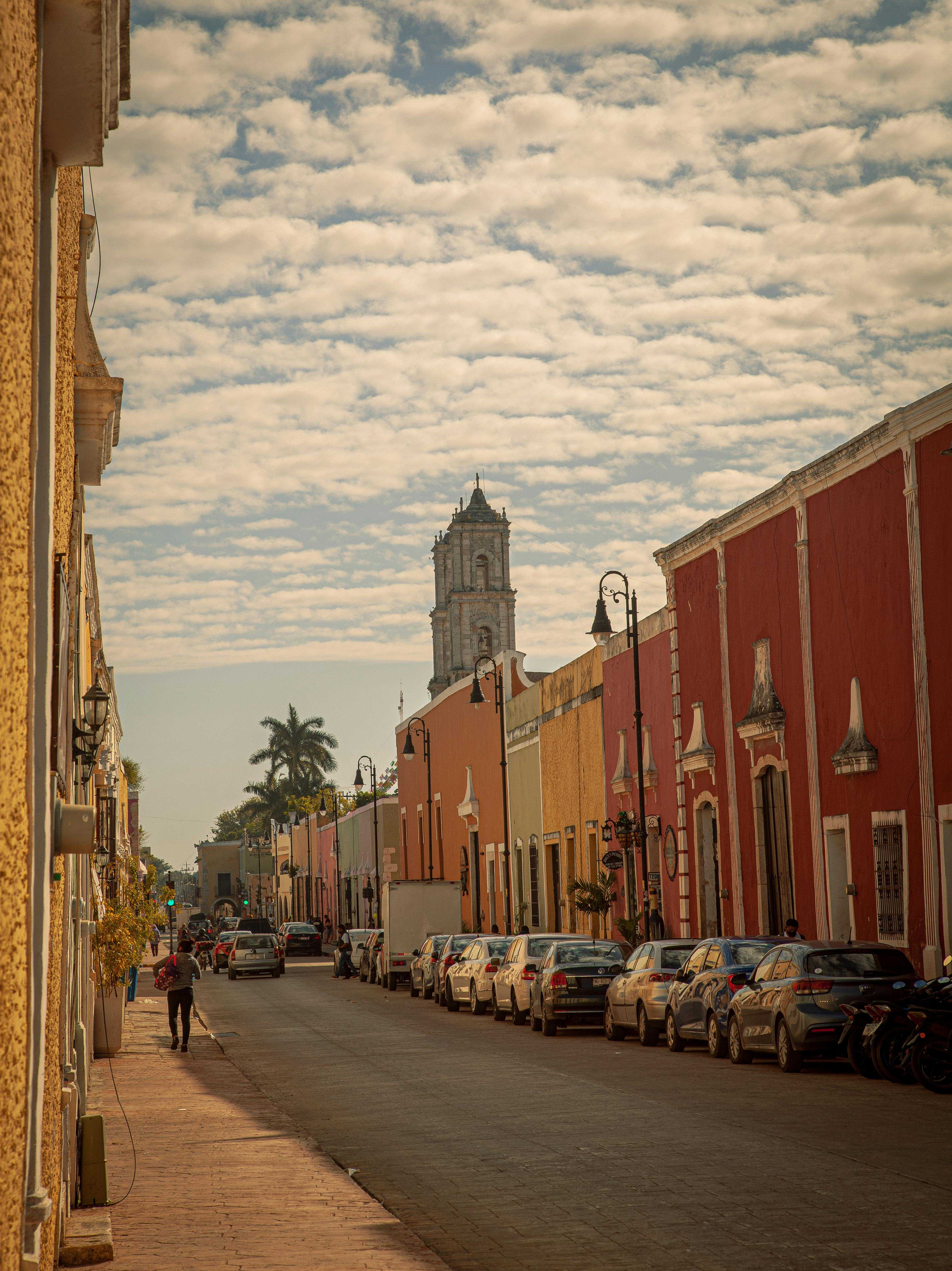
Valladolid is known for its colonial architecture, colorful streets, and rich cultural traditions. It has been designated a "Pueblo Mágico" (Magical Town) by the Mexican government, highlighting its cultural, historical, and aesthetic significance.

Valladolid continues to be a symbol of the blending of cultures, where indigenous Maya traditions coexist with Spanish colonial heritage, reflected in its architecture, traditions, and community life.