
Tukwila
· US

Tukwila

Tukwila, Washington, United States

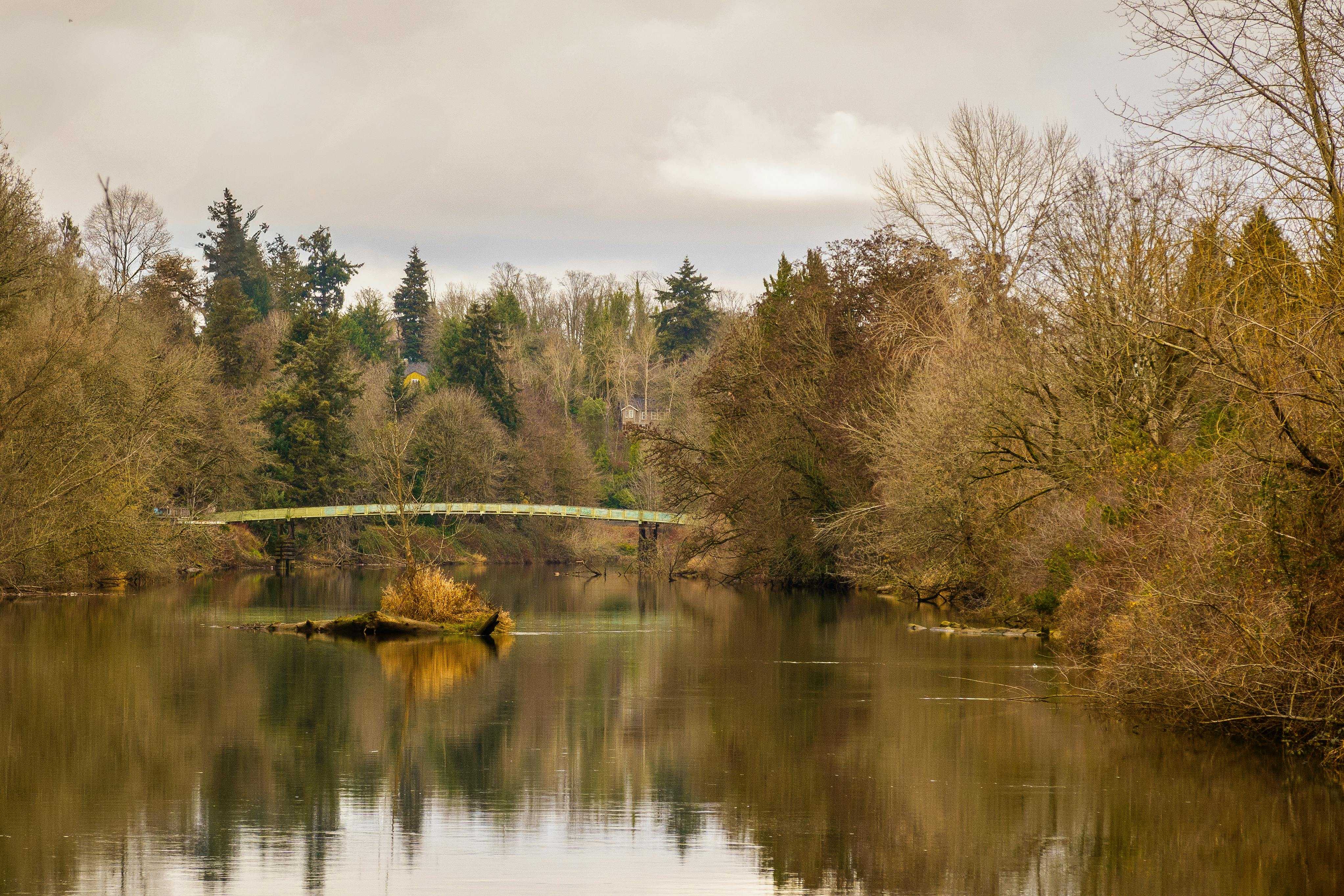
Tukwila, located in the beautiful state of Washington, is a hidden gem waiting to be explored by tourists seeking a unique and diverse travel experience. Nestled between Seattle and Tacoma, Tukwila offers a perfect blend…

#Tukwila#Washington#United States#Suburb#Shopping
1/1

Top hotels & flights

Hand-picked stays and the best fares into Tukwila.

Top Hotels in Tukwila

Top Flights to Tukwila

Location videos

Real reels from travelers, plus longer watches to get the full picture.

Watch & explore

Practical info

The essentials for planning your time in Tukwila.

Currency
$ | USD | US Dollar
Population
The approximate estimated total population of Tukwila, Washington, is around 21,000.
Languages
English, English
Average weather
Tukwila
Jan
rain
8°2°
Feb
rain
10°2°
Mar
cloud
13°3°
Apr
cloud
16°5°
May
cloud
20°8°
Jun
sun
23°11°
Jul
sun
27°13°
Aug
sun
27°13°
Sep
cloud
23°11°
Oct
rain
16°7°
Nov
rain
11°4°
Dec
rain
8°2°

Local guide

What travelers love, what to watch for, and a deeper read on Tukwila.

What people love

Tukwila, Washington, located just south of Seattle, offers several advantages for travelers:

  1. Convenient Location: Tukwila is strategically located near Seattle-Tacoma International Airport, making it a convenient stop for travelers flying in or out of the region. It also provides easy access to major highways for those exploring the greater Seattle area.

  2. Shopping: Tukwila is home to the Westfield Southcenter Mall, one of the largest shopping centers in the Pacific Northwest. With a wide range of stores, restaurants, and entertainment options, it's a great destination for shopping enthusiasts.

  3. Outdoor Activities: Tukwila boasts several parks and outdoor recreational areas, such as Tukwila Park and the Duwamish Greenbelt. Visitors can enjoy hiking, picnicking, and other outdoor activities in these green spaces.

  4. Cultural Attractions: The Museum of Flight, located nearby in Seattle, is a must-visit for aviation enthusiasts and history buffs. It houses an impressive collection of aircraft and offers interactive exhibits for visitors of all ages.

  5. Dining Options: Tukwila offers a diverse culinary scene, with restaurants serving a variety of cuisines to suit every palate. From local eateries to popular chains, there's something for everyone to enjoy.

Overall, Tukwila provides a blend of convenience, entertainment, and outdoor opportunities for travelers looking to explore the Seattle area.

What to know

Tukwila, Washington, located in the United States, is a relatively safe and peaceful city. However, there are a few cons or considerations to keep in mind when traveling to Tukwila:

  1. Traffic Congestion: Tukwila is located near Seattle, a major metropolitan area, so traffic congestion can be an issue during peak hours. Plan your travel times accordingly to avoid getting stuck in traffic.

  2. Weather: Washington State is known for its rainy weather, so be prepared for potentially wet conditions during your visit to Tukwila. It's a good idea to pack appropriate clothing and gear for rain.

  3. Limited Public Transportation: Tukwila is not as well-connected by public transportation compared to larger cities like Seattle. Renting a car or using ride-sharing services may be necessary to get around conveniently.

  4. Limited Tourist Attractions: Tukwila is primarily a residential and commercial area, so there are fewer tourist attractions compared to nearby cities like Seattle. If you're looking for a bustling tourist scene, you may need to travel to other areas.

  5. Noise from Airport: Tukwila is close to Seattle-Tacoma International Airport, so there may be noise from aircraft taking off and landing. If you are sensitive to noise, this could be a drawback.

Overall, while Tukwila has its drawbacks like any other destination, it is a generally safe and pleasant place to visit. With some planning and preparation, you can have a enjoyable trip to Tukwila.

Tukwila, Washington, is a city located in King County, part of the Seattle metropolitan area. It has a rich history that reflects the broader development of the Pacific Northwest region.

Early History:

  • Indigenous Peoples: The area that is now Tukwila was originally inhabited by the Duwamish people, a Coast Salish tribe. The name "Tukwila" is derived from the Chinook Jargon word for "nut" or "hazelnut," which were abundant in the area.

19th Century:

  • Settlement: The first European settler was Joseph Foster, known as the "Father of Tukwila," who arrived in 1853. Foster was influential in the community, serving as a county commissioner and state legislator. His homestead became a central point for the early settlers.
  • Agriculture: The fertile land in the Green River Valley made it an attractive location for farming, with early settlers cultivating the land for crops.

20th Century:

  • Incorporation: Tukwila was incorporated as a city on June 23, 1908. The early 20th century saw the development of infrastructure, including roads and schools, essential for supporting the growing population.
  • World War II: The war effort brought industrial growth to the region, with Boeing establishing facilities nearby. This growth spurred urban development and increased the population.
  • Transportation Hub: Tukwila's location at the intersection of major transportation routes, including Interstate 5 and Interstate 405, positioned it as a key commercial and retail hub.

Late 20th Century to Present:

  • Southcenter Mall: Opened in 1968, Southcenter Mall (now Westfield Southcenter) became one of the largest shopping centers in the area, drawing visitors from throughout the region and contributing significantly to the local economy.
  • Diversity and Growth: The late 20th and early 21st centuries saw a demographic shift, with a more diverse population moving into Tukwila. This has enriched the cultural fabric of the city, with a variety of ethnic communities and businesses.

Important Landmarks:

  • Joseph Foster Memorial Park: Dedicated to the city's founder, this park is a reminder of Tukwila's early history and the contributions of its first settlers.
  • Duwamish Hill Preserve: This natural site offers a glimpse into the ecological and cultural history of the area, with ties to the Native American heritage of the Duwamish people.
  • Westfield Southcenter: A major retail landmark and one of the largest shopping centers in the Pacific Northwest, it remains a crucial part of Tukwila's economy.

Significant Events:

  • Flood Control Efforts: Over the years, the city has been involved in significant flood control projects, given its location in the Green River Valley, to protect residents and businesses from periodic flooding.

Tukwila's development from a small farming community to a bustling urban center reflects the broader trends of urbanization and economic change in the Seattle metropolitan area. Its strategic location has made it a pivotal point for commerce and transportation in the region.