
Trentino-Alto Adige
· IT

Trentino-Alto Adige

Trentino-Alto Adige, Italy

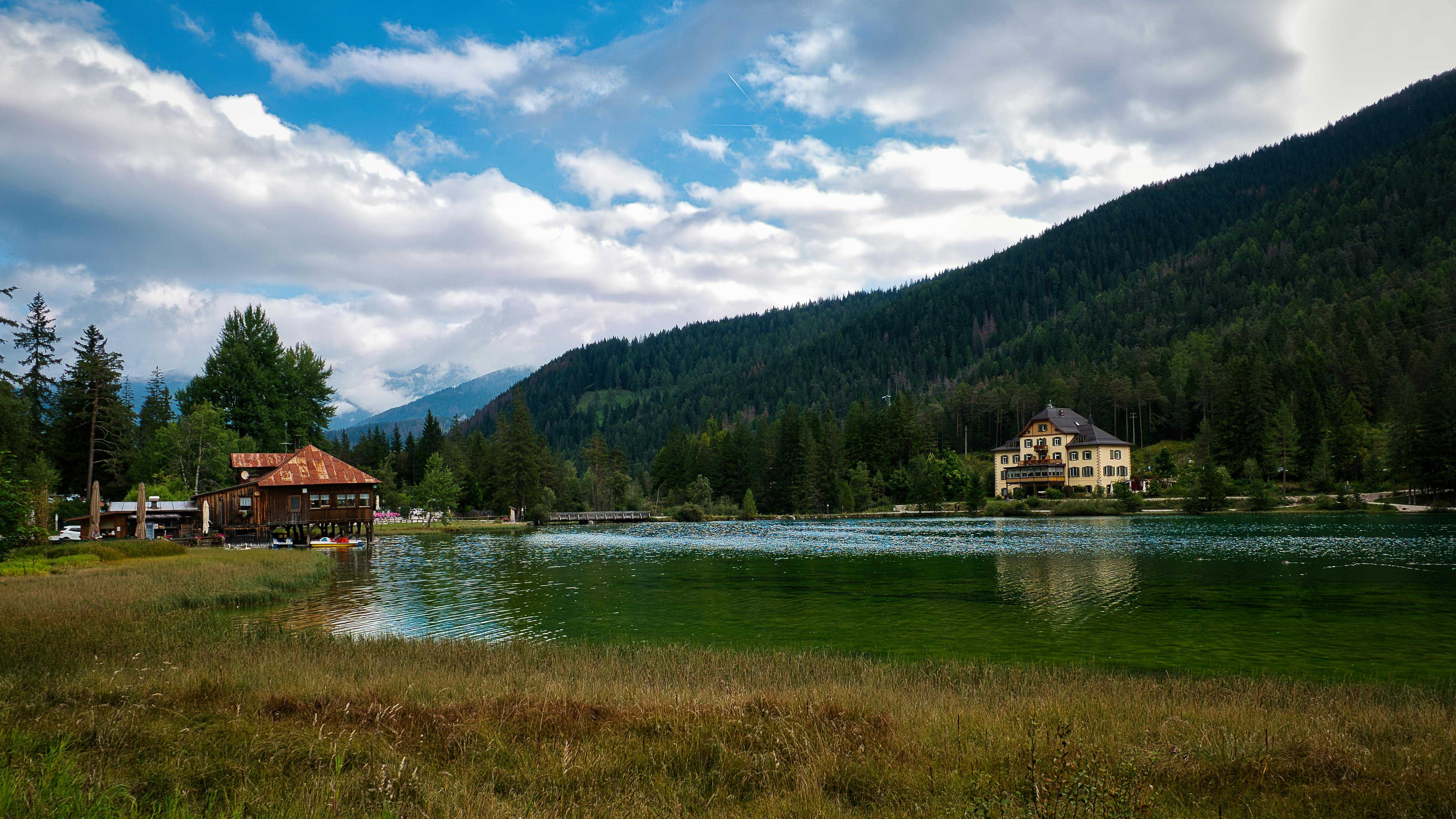
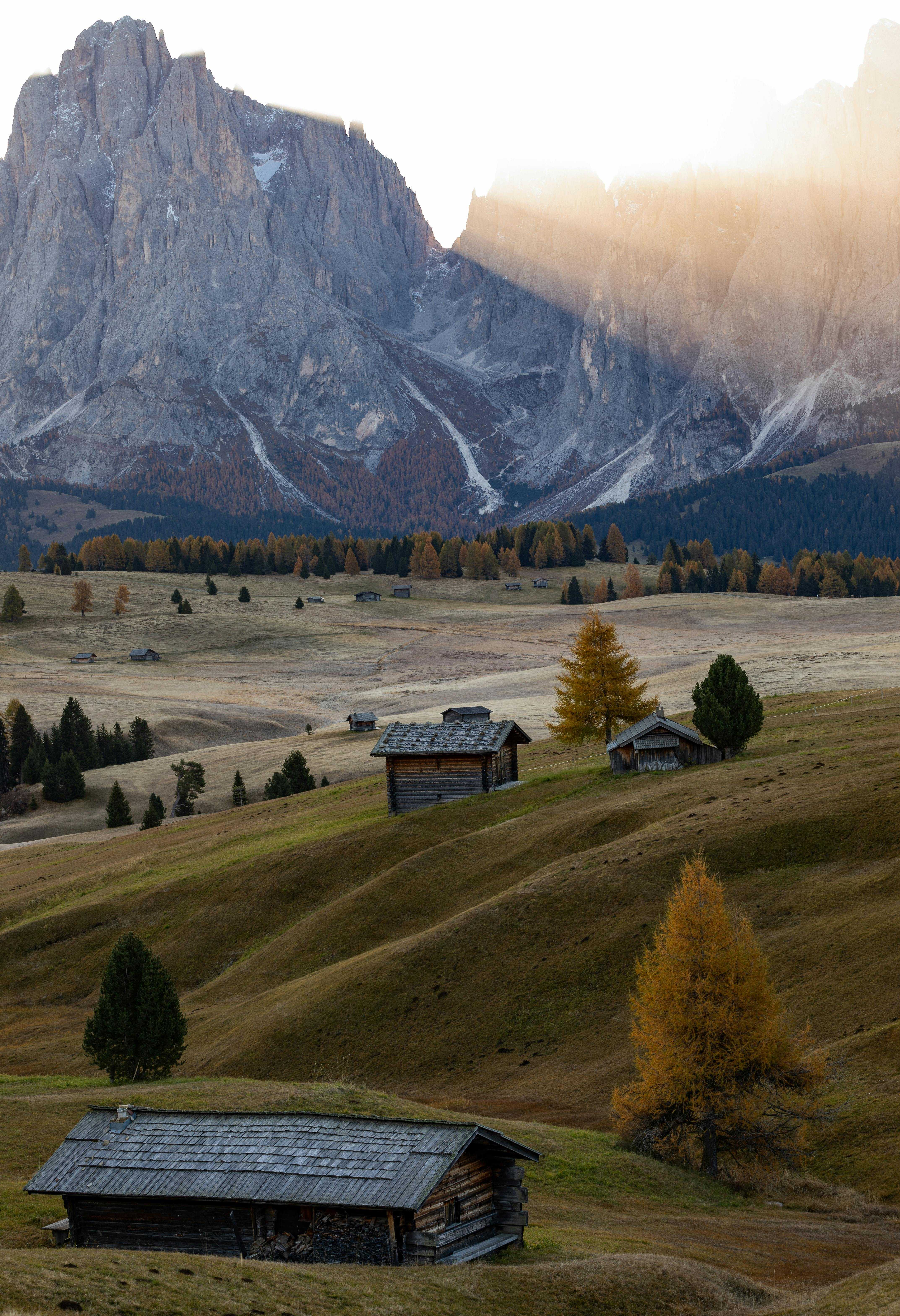
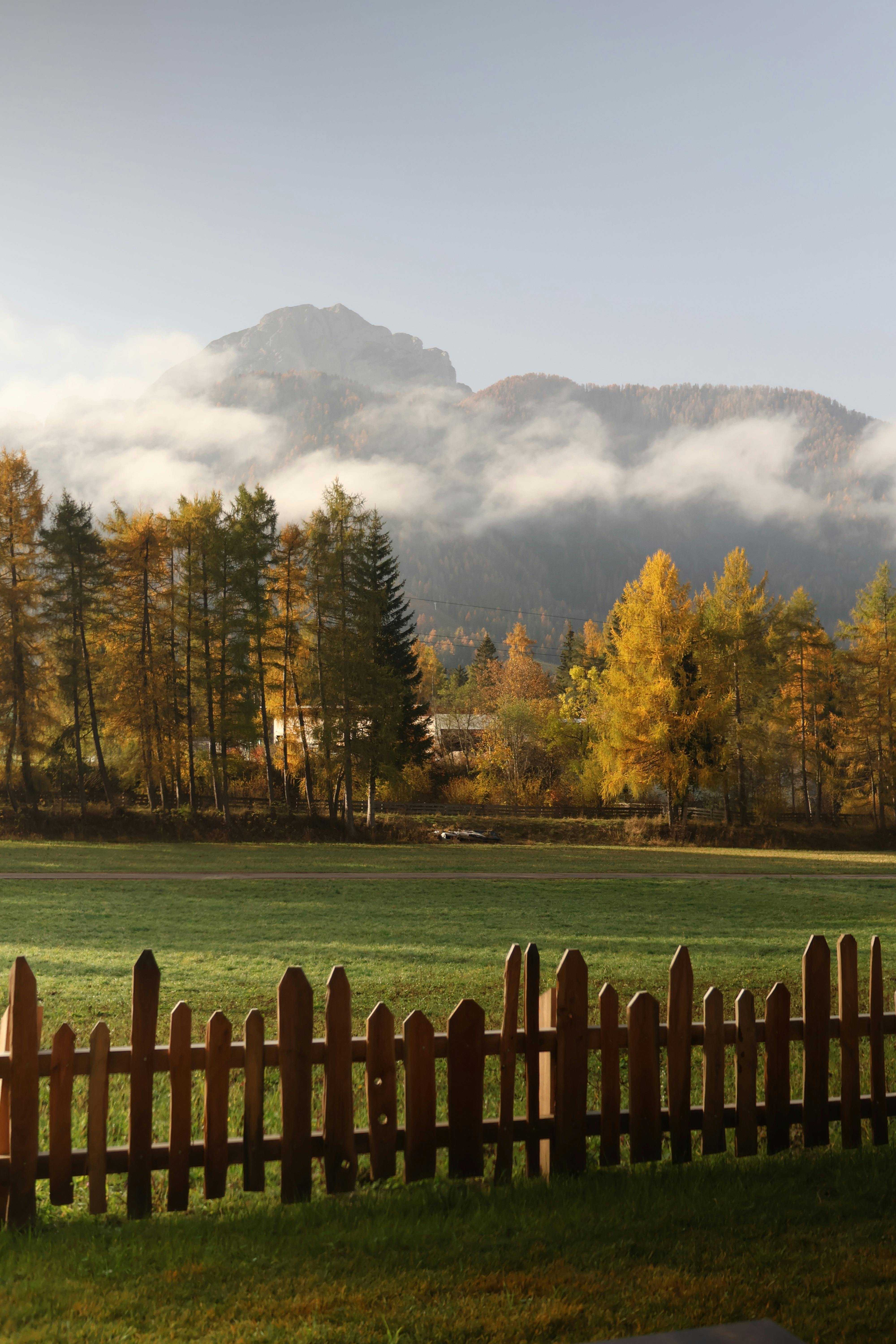
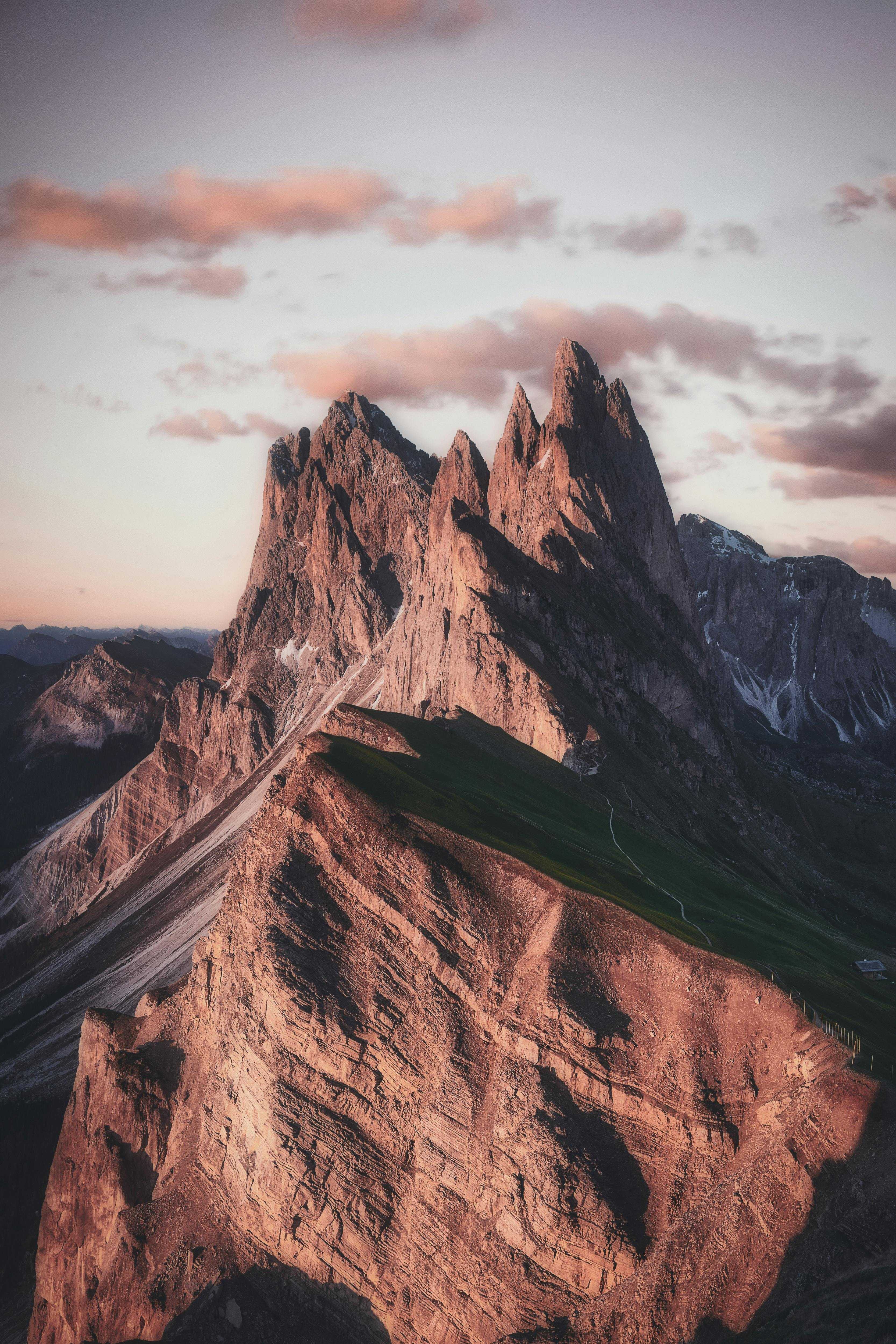
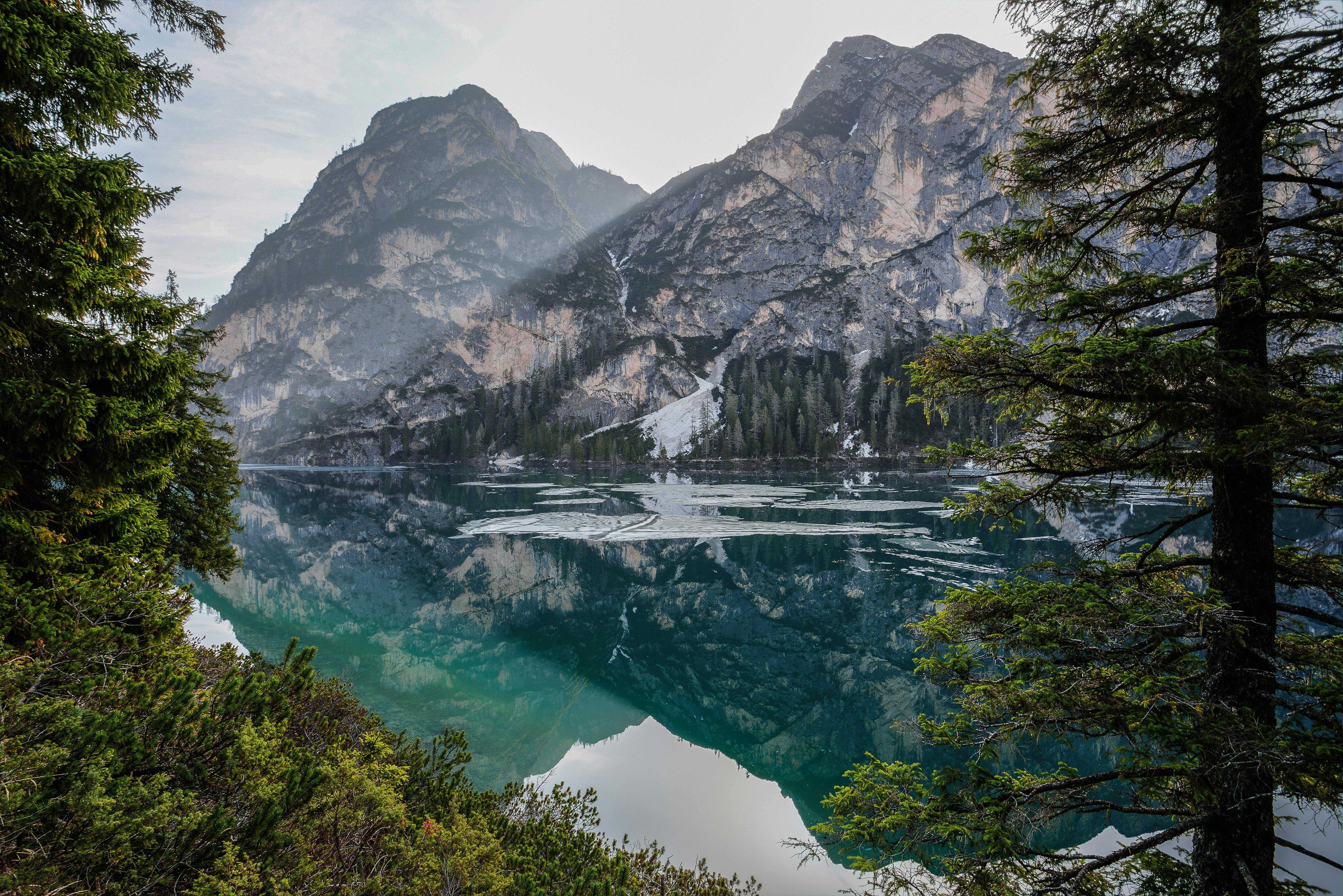
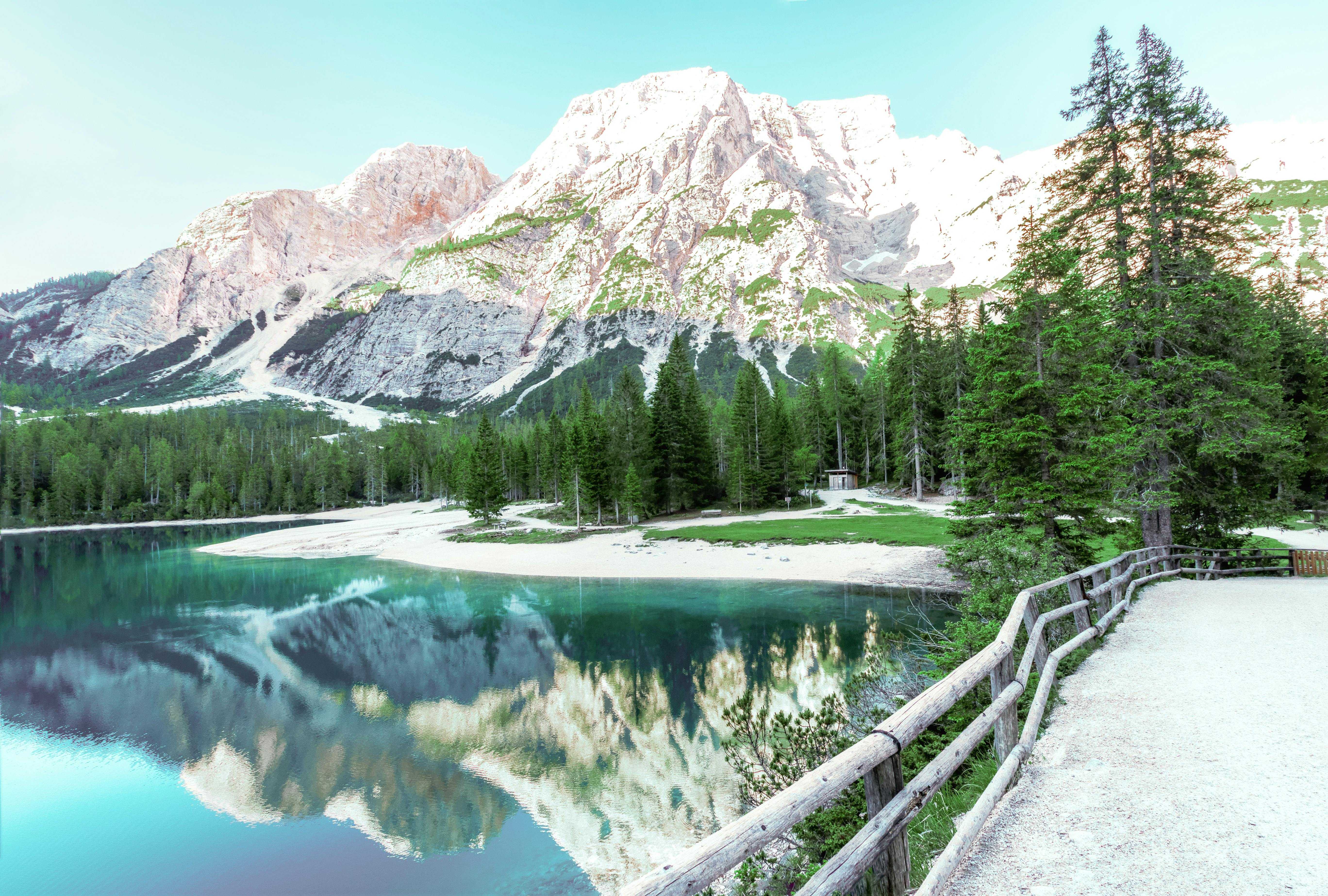
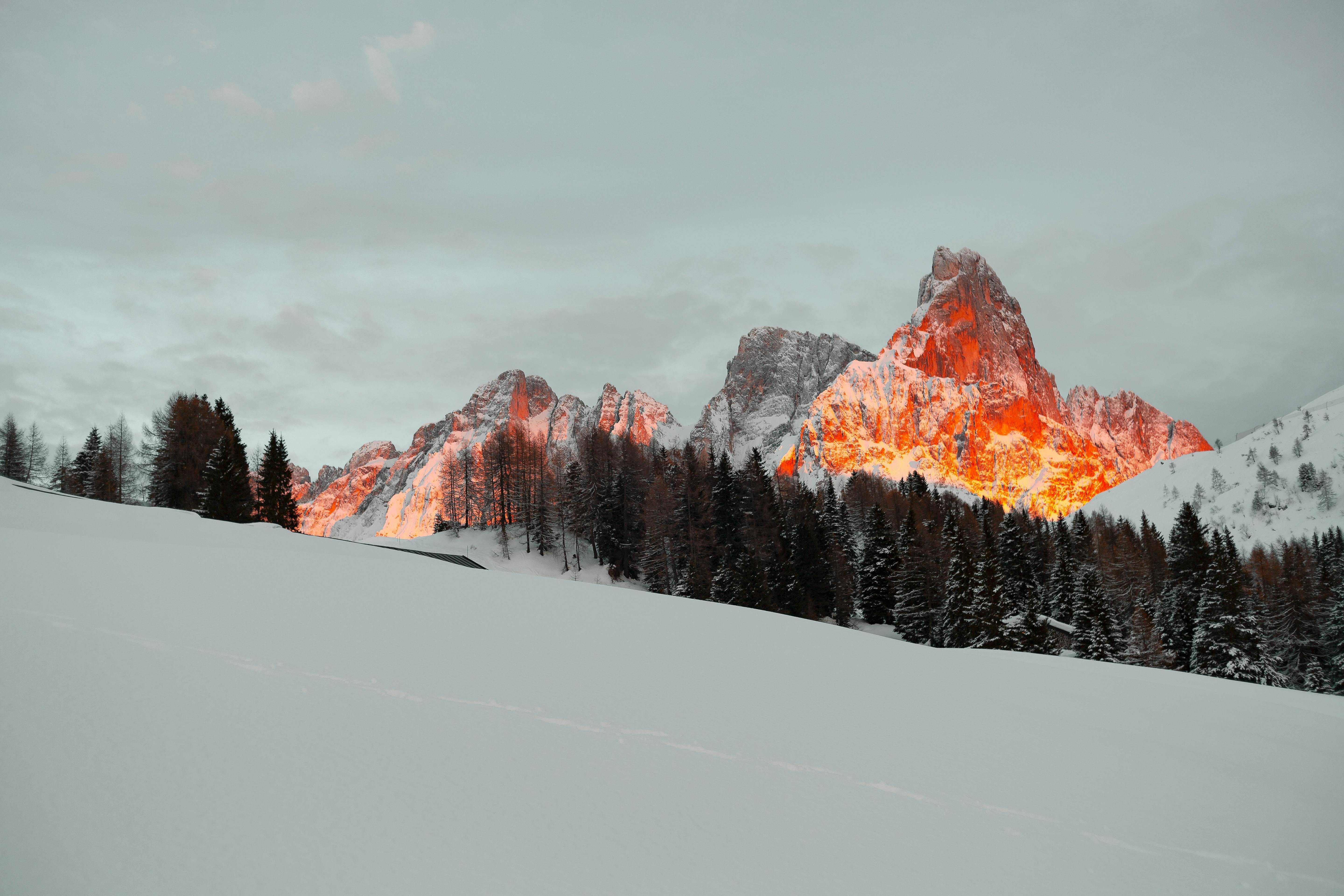
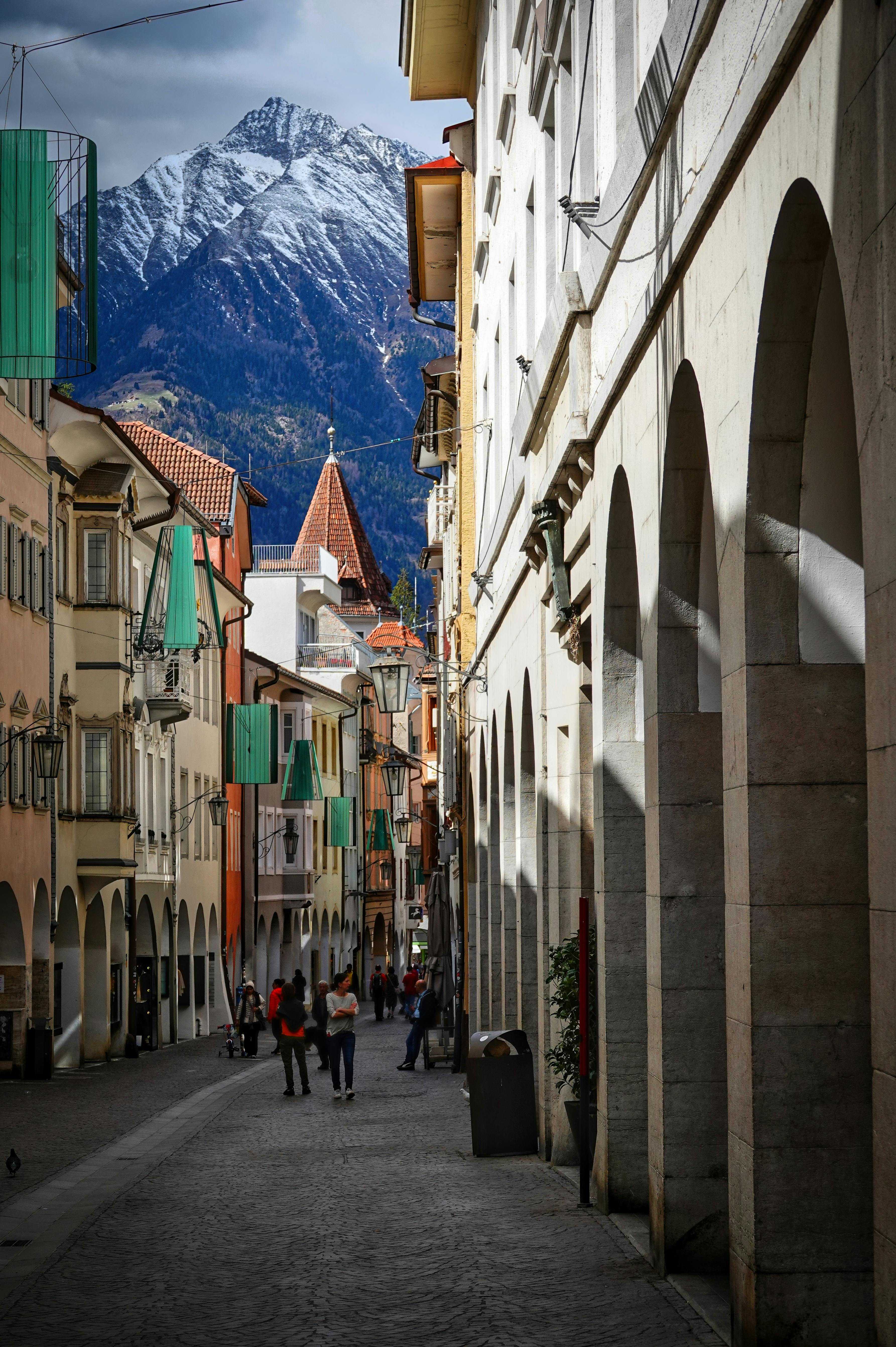
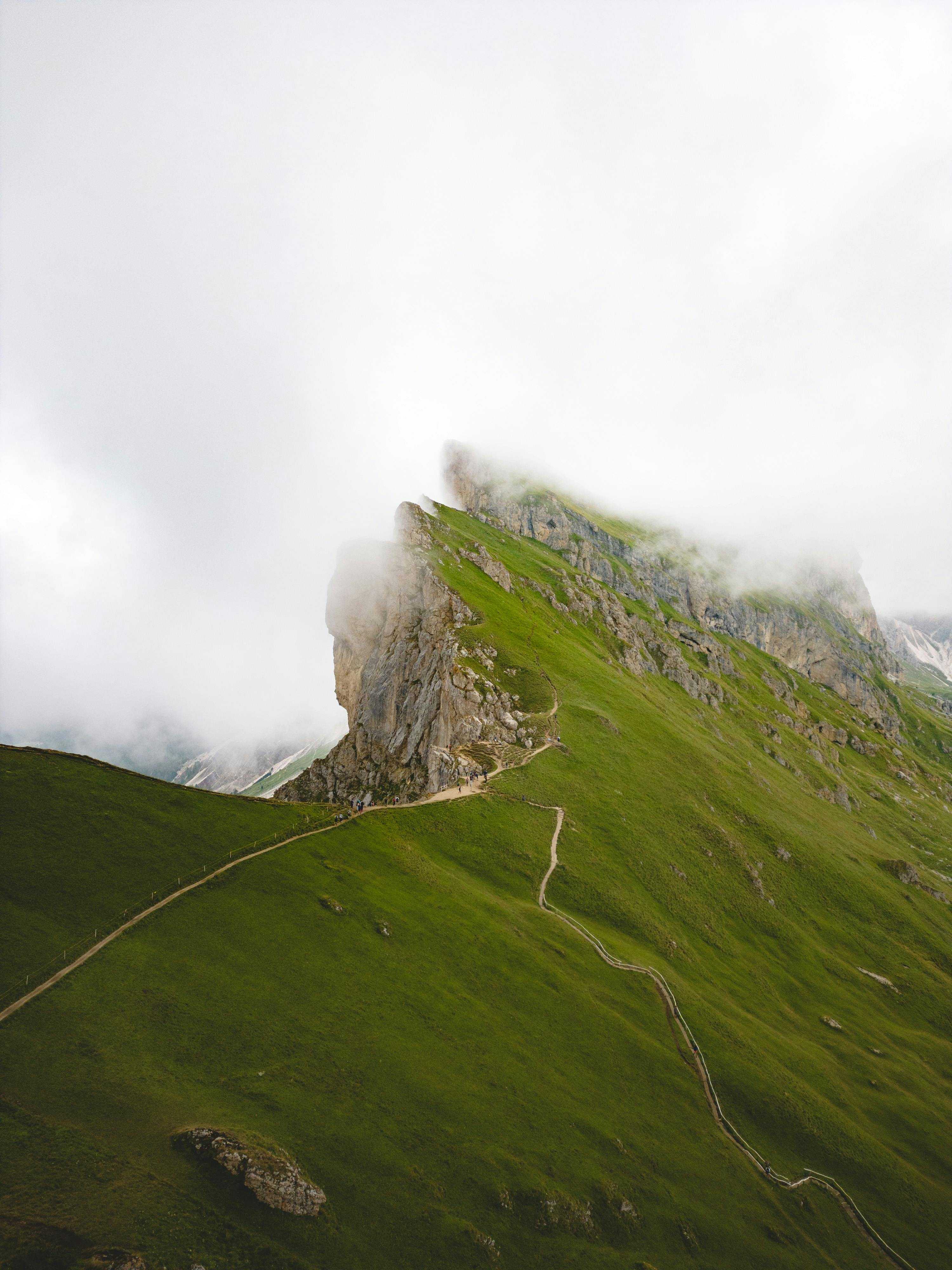
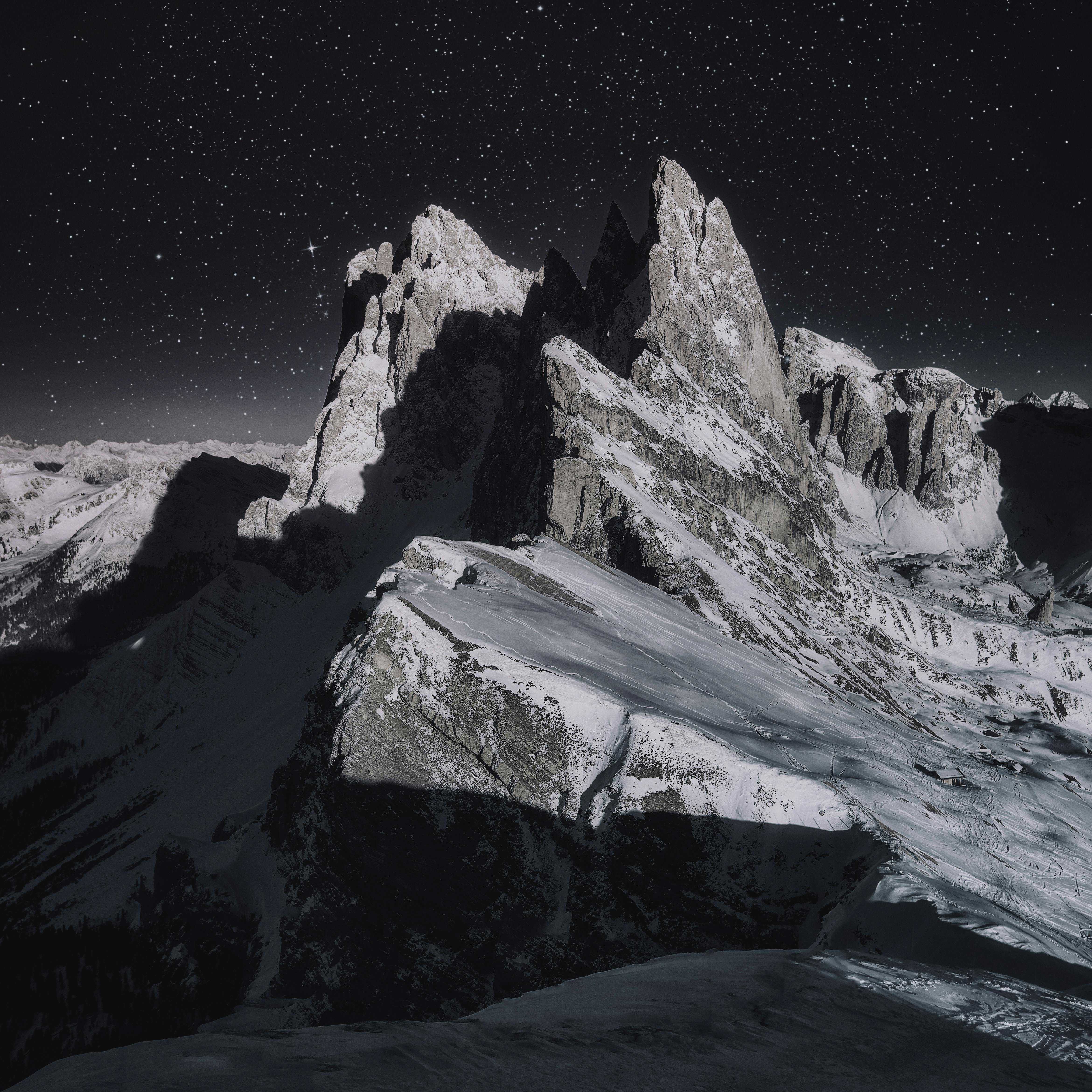
Escape to the Majestic Mountains of Trentino-Alto Adige Nestled amidst the breathtaking Italian Alps, Trentino-Alto Adige is a region where stunning natural beauty meets charming cultural heritage. Imagine soaring peaks …

#mountains#skiing#wineries#German-speaking#alpine lakes
1/31

Top hotels & flights

Hand-picked stays and the best fares into Trentino-Alto Adige.

Top Hotels in Trentino-Alto Adige

Top Flights to Trentino-Alto Adige

Location videos

Real reels from travelers, plus longer watches to get the full picture.

From travelers
Watch & explore

Practical info

The essentials for planning your time in Trentino-Alto Adige.

Currency
€ | EUR | Euro
Population
1.1 million
Languages
German, Italian, German

Local guide

What travelers love, what to watch for, and a deeper read on Trentino-Alto Adige.

What people love

Trentino-Alto Adige, located in northern Italy, is a region known for its stunning alpine landscapes, charming villages, and rich cultural heritage. Here are some of the pros of traveling to Trentino-Alto Adige:

  1. Natural beauty: Trentino-Alto Adige is home to the Dolomites, a UNESCO World Heritage site known for its dramatic peaks, lush valleys, and crystal-clear lakes. Outdoor enthusiasts will enjoy activities such as hiking, skiing, and mountain biking in this breathtaking landscape.

  2. Cultural diversity: Trentino-Alto Adige has a unique mix of Italian and Austrian influences, resulting in a rich cultural tapestry. Visitors can explore picturesque towns like Bolzano and Trento, where they can discover historic architecture, traditional cuisine, and local crafts.

  3. Wine and food: The region is famous for its wines, including the crisp white wines of Alto Adige and the full-bodied reds of Trentino. Foodies will also appreciate the delicious local cuisine, which features dishes such as speck (cured ham), canederli (dumplings), and apple strudel.

  4. Wellness and relaxation: Trentino-Alto Adige is home to several world-class spa resorts, where visitors can unwind and rejuvenate in natural thermal waters. The region's tranquil atmosphere and clean mountain air make it an ideal destination for those seeking relaxation and wellness.

  5. Outdoor activities: In addition to hiking and skiing, Trentino-Alto Adige offers a wide range of outdoor activities, including rock climbing, paragliding, and rafting. The region's diverse landscape provides ample opportunities for adventure and exploration.

Overall, Trentino-Alto Adige is a fantastic destination for nature lovers, culture enthusiasts, food and wine connoisseurs, and those seeking relaxation and outdoor adventures.

What to know

Traveling to Trentino-Alto Adige in Italy may have some cons, including:

  1. Weather: The region experiences cold winters with heavy snowfall, which may affect travel plans and activities.

  2. Tourist Crowds: Popular tourist destinations in Trentino-Alto Adige can get crowded, especially during peak seasons, leading to longer wait times and a less peaceful experience.

  3. Language Barrier: While Italian is the official language, German is also widely spoken in Trentino-Alto Adige. Travelers who do not speak either language may face communication challenges.

  4. Cost: Like many tourist destinations in Italy, prices in Trentino-Alto Adige can be relatively high, especially in popular areas and during peak seasons.

  5. Transportation: Public transportation in some remote areas may be limited, making it challenging to explore the region without a rental car.

  6. Cultural Differences: Trentino-Alto Adige has a unique cultural identity due to its history of being part of Austria-Hungary. Travelers may encounter cultural differences compared to other regions of Italy.

Please note that these are general considerations and may vary based on individual preferences and travel experiences.

Trentino-Alto Adige, located in the northernmost part of Italy, has a rich and complex history influenced by its geographical position and cultural diversity. The region is composed of two distinct provinces: Trentino (with the capital Trento) and South Tyrol (with the capital Bolzano).

Ancient and Medieval Periods

  • Pre-Roman Era: The region was originally inhabited by Rhaetian tribes. The Rhaetians were a group of ancient peoples described by Roman authors as living in the central Alps.
  • Roman Conquest: The area came under Roman control around 15 BC when Emperor Augustus launched campaigns to annex the Alpine regions. Trento (Tridentum) became an important Roman city.
  • Medieval Period: After the fall of the Western Roman Empire, the region was ruled by various Germanic tribes, including the Ostrogoths and Lombards. In the Middle Ages, it became part of the Holy Roman Empire. The Prince-Bishopric of Trento was established, enjoying a certain degree of autonomy within the empire.

Renaissance and Early Modern Period

  • Council of Trent: From 1545 to 1563, the Council of Trent was held in Trento. It was a major event of the Counter-Reformation and had a significant impact on the Catholic Church's response to Protestantism.
  • Habsburg Rule: The region was part of the Habsburg Monarchy from the late 14th century. It remained under Austrian control until the early 20th century, fostering a mix of Italian and Germanic cultures.

19th and 20th Centuries

  • Nationalism and WWI: The rise of nationalism in the 19th century created tensions between Italian and German-speaking populations. During World War I, the region was a battleground between Italian and Austro-Hungarian forces.
  • Post-WWI Adjustments: After World War I, the Treaty of Saint-Germain (1919) awarded Trentino-Alto Adige to Italy. The Italian government implemented policies of Italianization, which caused friction with the German-speaking population.
  • WWII and Aftermath: During World War II, the region was annexed by Nazi Germany from 1943 to 1945. After the war, the Gruber-De Gasperi Agreement (1946) between Italy and Austria granted the region a significant degree of autonomy.

Autonomy and Modern Era

  • Autonomous Status: In 1972, a new statute of autonomy was enacted, granting significant self-government to both Trentino and South Tyrol. This arrangement has largely eased ethnic tensions by allowing both Italian and German-speaking communities to preserve their languages and cultures.

Historical Figures

  • Alcide De Gasperi: An important figure from Trentino, De Gasperi was a founding father of the European Union and served as Prime Minister of Italy. He played a key role in post-war reconstruction and the establishment of autonomy in the region.

Important Landmarks

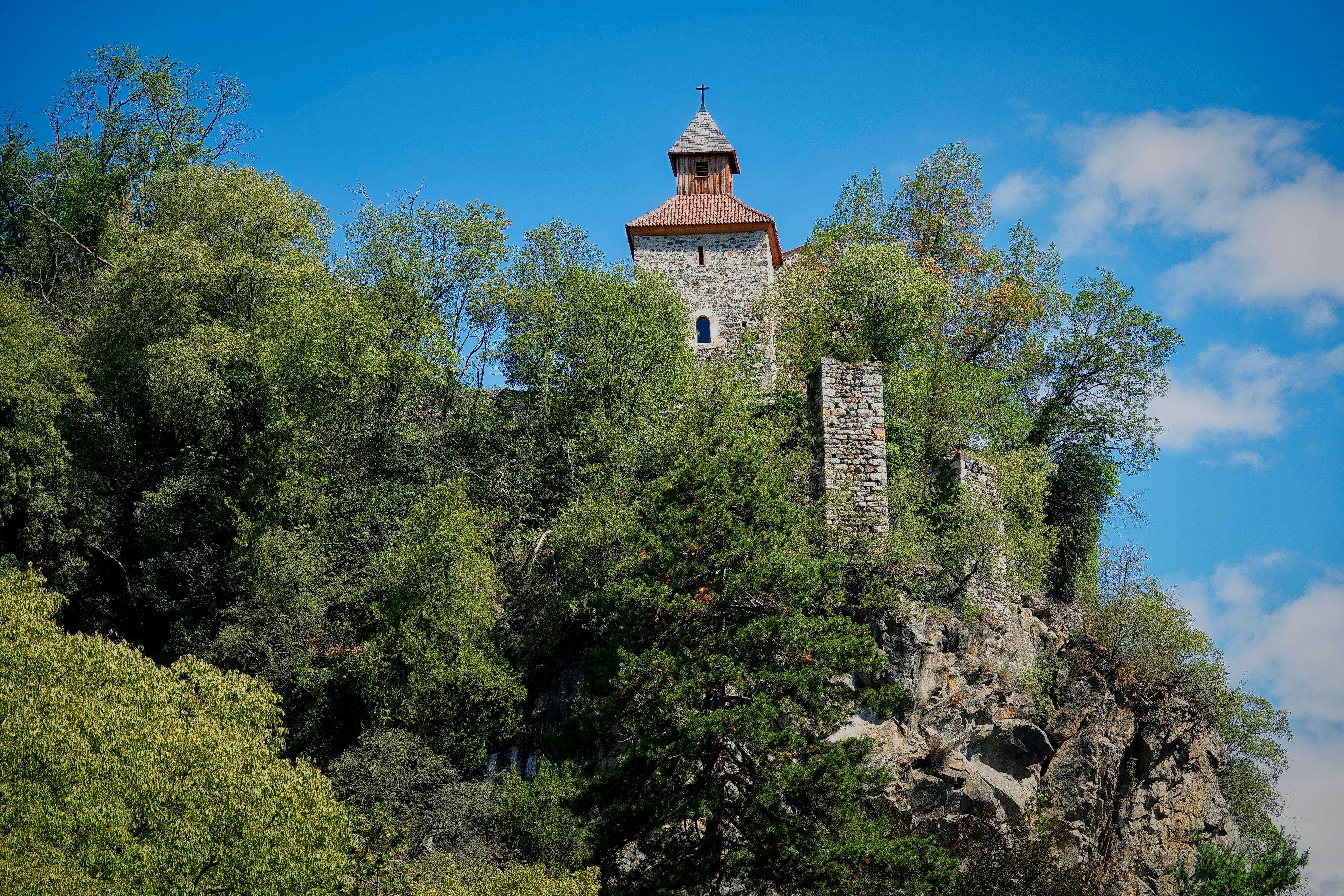
  • Castello del Buonconsiglio: Located in Trento, this castle was the residence of the Prince-Bishops of Trento and is a significant historical site.
  • Dolomites: A UNESCO World Heritage Site, the Dolomites offer stunning natural beauty and are a major attraction for tourists and outdoor enthusiasts.
  • Ötzi the Iceman: Discovered in the Ötztal Alps on the border between Italy and Austria, Ötzi is one of the oldest natural mummies in Europe. He is housed in the South Tyrol Museum of Archaeology in Bolzano.

Trentino-Alto Adige today is renowned for its unique blend of Italian and Austrian cultures, its stunning landscapes, and its history of peaceful coexistence and autonomy.