Travnik
· BA

Travnik

Travnik, Bosnia and Herzegovina, Federation of, Bosnia and Herzegovina

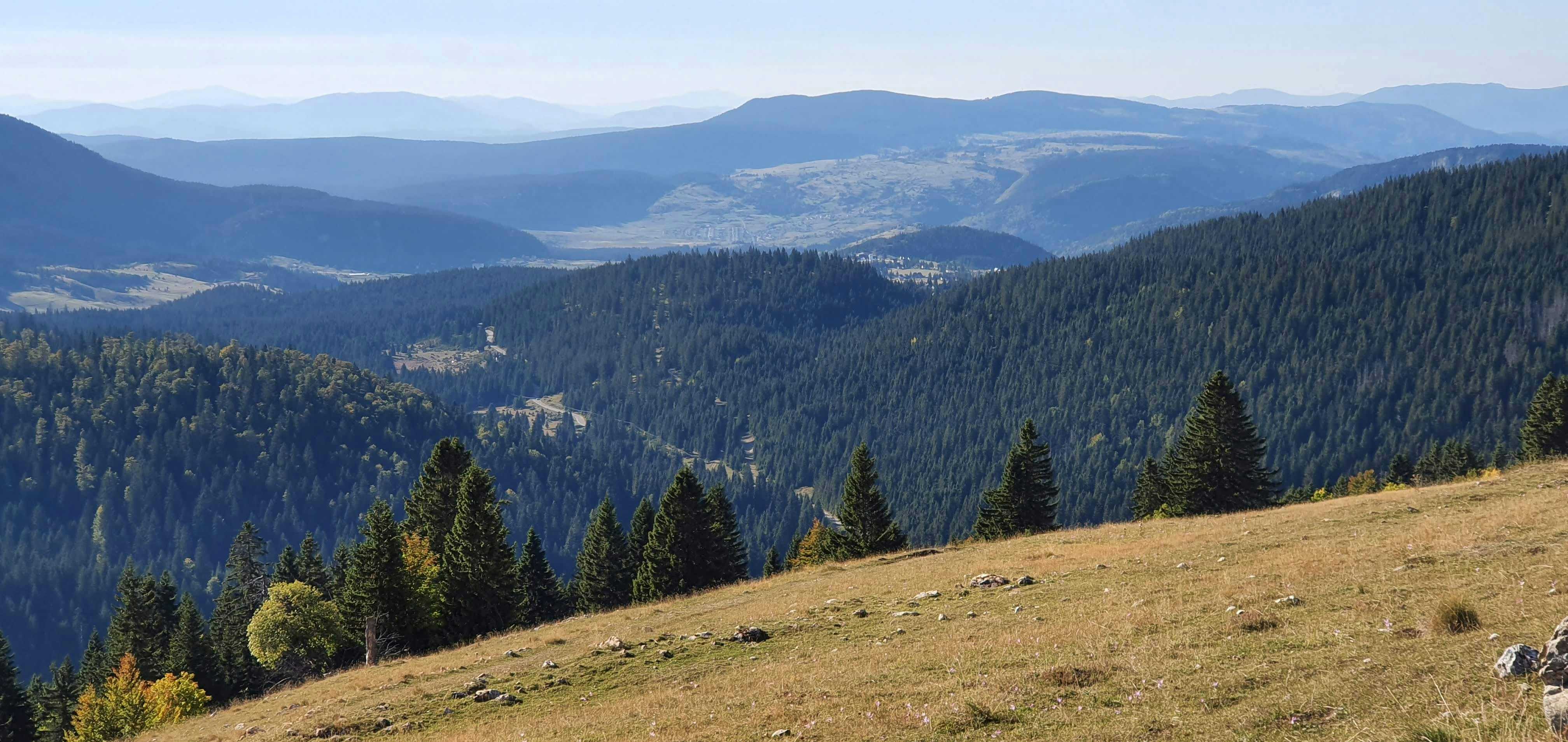
Step Back in Time in Travnik, Bosnia and Herzegovina Nestled amidst rolling hills and the stunning Bosnian landscape lies Travnik, a charming town where history whispers from every cobblestone street and ancient fortress…

#Historic town#Cultural heritage#Beautiful landscapes#Ottoman architecture#Bosnian history
1/1

Top hotels & flights

Hand-picked stays and the best fares into Travnik.

Top Hotels in Travnik

Top Flights to Travnik

Location videos

Real reels from travelers, plus longer watches to get the full picture.

From travelers

Practical info

The essentials for planning your time in Travnik.

Currency
KM | BAM | Bosnian Convertible Mark
Population
The approximate estimated total population of Travnik, Bosnia and Herzegovina, is around 50,000.
Languages
Bosnian, Bosnian, Serbian, Croatian
Average weather
Travnik
Jan
snow
3°-4°
Feb
snow
5°-3°
Mar
cloud
10°0°
Apr
rain
15°4°
May
rain
20°8°
Jun
sun
24°12°
Jul
sun
27°14°
Aug
sun
27°14°
Sep
clear
22°11°
Oct
cloud
16°6°
Nov
rain
9°2°
Dec
snow
4°-2°

Local guide

What travelers love, what to watch for, and a deeper read on Travnik.

What people love

Traveling to Travnik, Bosnia and Herzegovina offers several pros, including:

  1. Historical significance: Travnik has a rich history and was the capital of the Ottoman province of Bosnia during the 15th and 16th centuries. Visitors can explore its well-preserved historic sites such as the Old Town, fortress, mosques, and museums.

  2. Cultural experience: The town's diverse cultural heritage, influenced by Ottoman, Austro-Hungarian, and Yugoslav periods, provides a unique experience for travelers interested in history and architecture.

  3. Natural beauty: Surrounded by picturesque mountains and lush greenery, Travnik offers stunning views and outdoor activities such as hiking, biking, and exploring the nearby Vlašić mountain.

  4. Local cuisine: Travelers can enjoy traditional Bosnian dishes in Travnik, including cevapi, burek, and baklava, as well as locally produced cheeses and dairy products.

  5. Authentic atmosphere: Unlike more touristy destinations in Bosnia and Herzegovina, Travnik offers a more authentic and less crowded experience, allowing visitors to immerse themselves in local life and culture.

Overall, traveling to Travnik can provide a unique and enriching experience for those seeking history, culture, nature, and authentic Bosnian hospitality.

Enjoy your trip!

What to know

Traveling to Travnik, Bosnia and Herzegovina, like any destination, may have some cons. Here are some potential drawbacks to consider:

  1. Limited tourist infrastructure: Travnik is a smaller city compared to more popular tourist destinations in Bosnia and Herzegovina, so the tourist infrastructure may be limited. This could mean fewer accommodation options, restaurants, and activities available for visitors.

  2. Language barrier: While some people in Travnik may speak English or other languages, the primary language spoken is Bosnian. If you do not speak the local language, you may encounter challenges in communication.

  3. Limited transportation options: Getting to and around Travnik may be more challenging compared to larger cities. Public transportation options may be limited, and renting a car could be necessary for exploring the surrounding areas.

  4. Seasonal weather variations: Travnik experiences distinct seasonal weather patterns, with cold winters and hot summers. Depending on the time of year you visit, you may need to pack accordingly and be prepared for weather extremes.

  5. Limited tourist attractions: While Travnik has historical significance and a charming old town, it may not offer as many tourist attractions or activities as other destinations in Bosnia and Herzegovina. Visitors seeking a wide range of entertainment options may find Travnik lacking in this regard.

It's essential to research and plan your trip to Travnik carefully to ensure a smooth and enjoyable travel experience.

Travnik is a town with a rich historical and cultural heritage, located in central Bosnia and Herzegovina. It is part of the Federation of Bosnia and Herzegovina and serves as the administrative center of the Central Bosnia Canton. Here is a detailed history of Travnik, along with information about significant events, historical figures, and important landmarks:

Historical Overview

  1. Medieval Period:

    • Travnik was first mentioned in historical records in the 15th century. During this time, it was part of the medieval Bosnian state. The region was known for its strategic location and was a significant settlement in the Bosnian Kingdom.
  2. Ottoman Era (1463-1878):

    • Travnik came under Ottoman rule in 1463. It flourished during this period due to its strategic location on the trading routes connecting the Adriatic Sea and the inland regions.
    • In the late 17th century, it became the seat of the Ottoman viziers of Bosnia, establishing itself as a key administrative center. For nearly 150 years, Travnik was the capital of the Ottoman province of Bosnia.
    • The town's architecture and urban layout were significantly influenced by the Ottomans, with several mosques, madrasas, and a clock tower being constructed.
  3. Austro-Hungarian Period (1878-1918):

    • Following the Congress of Berlin in 1878, Bosnia and Herzegovina came under Austro-Hungarian administration. Travnik retained its importance as an administrative and cultural center.
    • The Austro-Hungarian period brought modernization and Western architectural influences to the town.
  4. 20th Century:

    • After World War I, Travnik became part of the newly formed Kingdom of Serbs, Croats, and Slovenes, later known as the Kingdom of Yugoslavia.
    • During World War II, the town was occupied by Axis forces and included in the Independent State of Croatia, a Nazi puppet state.
    • In the post-war period, Travnik was part of socialist Yugoslavia, experiencing industrialization and urban development.
  5. Bosnian War (1992-1995):

    • During the Bosnian War, Travnik was significantly affected by conflict. It was initially controlled by the Bosnian government forces and later became the site of clashes between Bosniak (Bosnian Muslim) and Croat forces.
    • The town has since been part of the Federation of Bosnia and Herzegovina, following the Dayton Accords that ended the war.

Significant Figures

  • Ivo Andrić (1892-1975): Born in Dolac, a small village near Travnik, Andrić is one of Bosnia and Herzegovina's most celebrated authors. He won the Nobel Prize in Literature in 1961. His novel "The Bridge on the Drina" is a classic of Yugoslav literature.

Important Landmarks

  1. Travnik Fortress:

    • Also known as Stari Grad, this medieval fortress dates back to the Ottoman period and offers panoramic views of the town. It is one of Travnik’s most prominent historical sites.
  2. Sulejmanija Mosque:

    • Built in the 16th century, this mosque is one of the oldest in Travnik and exemplifies Ottoman architectural style.
  3. Clock Tower:

    • Known as Sahat Kula, this clock tower is a notable landmark, reflecting the town's Ottoman heritage.
  4. Colored Mosque (Šarena Džamija):

    • Known for its colorful decorations, this mosque is unique in Bosnia and Herzegovina and attracts many visitors.
  5. Ivo Andrić Museum:

    • Located in the house where Ivo Andrić was born, this museum is dedicated to the life and work of the Nobel laureate.

Travnik's blend of Ottoman and Austro-Hungarian influences, coupled with its natural beauty and historical significance, makes it a fascinating destination for those interested in the history and culture of Bosnia and Herzegovina.