





Top hotels & flights
Hand-picked stays and the best fares into Torrevieja.
Top Hotels in Torrevieja
Top Flights to Torrevieja
Location videos
Real reels from travelers, plus longer watches to get the full picture.
Practical info
The essentials for planning your time in Torrevieja.


Local guide
What travelers love, what to watch for, and a deeper read on Torrevieja.
What people love
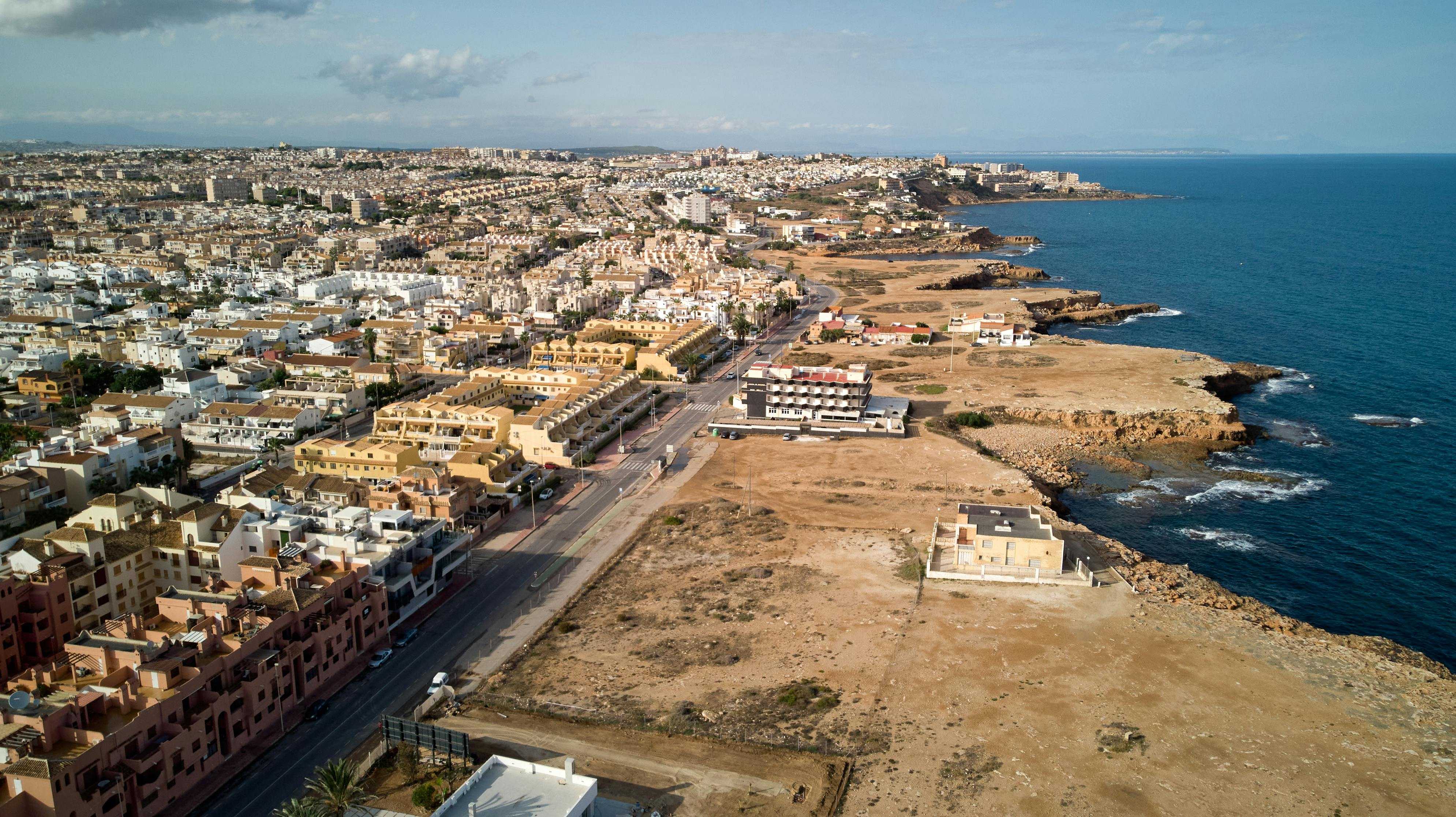
Torrevieja, located in the province of Alicante in the Valencian Community of Spain, is a popular destination for tourists seeking sun, sea, and relaxation. Here are some of the pros of traveling to Torrevieja:
-
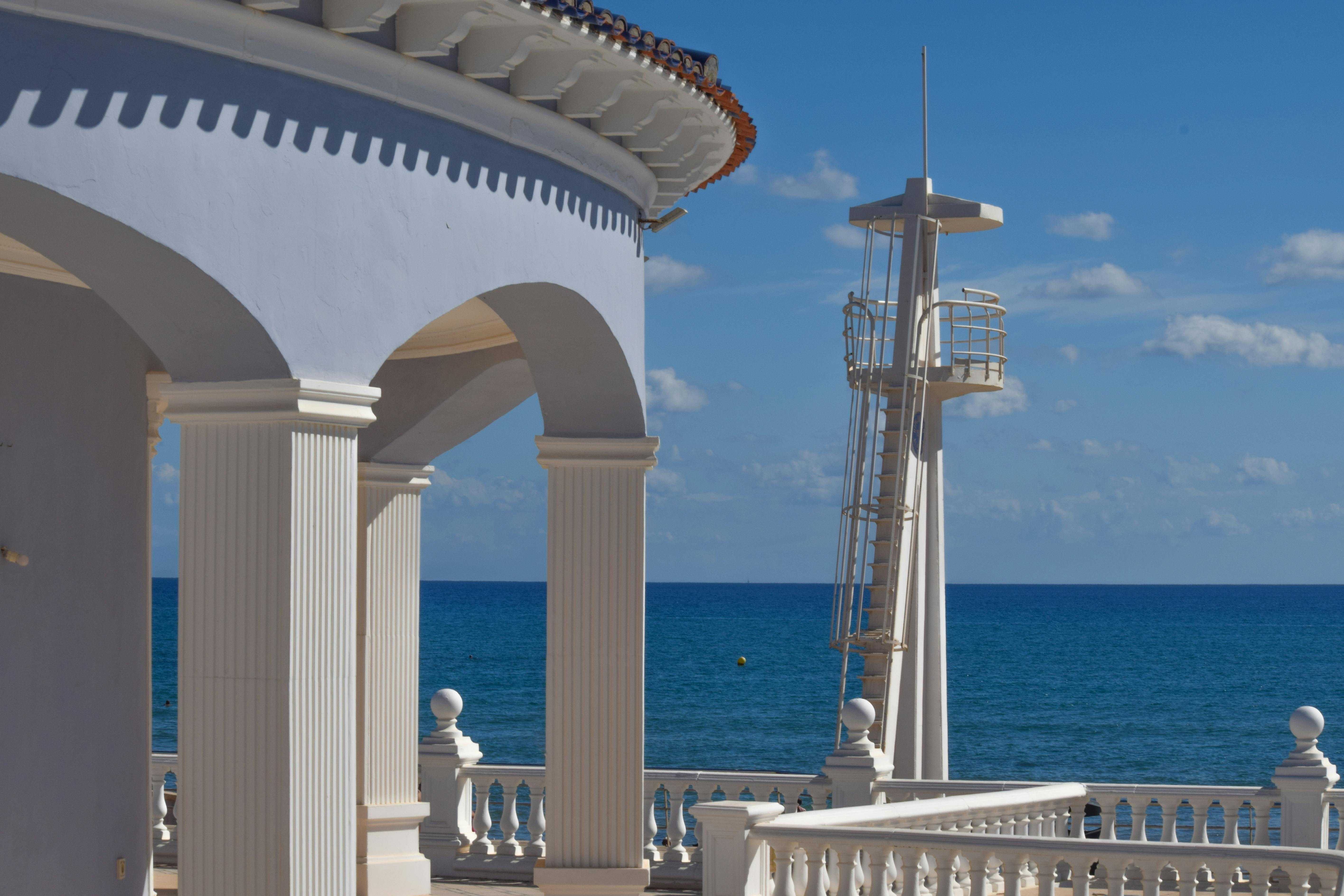
Beautiful Beaches: Torrevieja boasts several stunning beaches with crystal-clear waters and fine golden sand. Playa del Cura, Playa de los Locos, and La Mata Beach are some of the most popular beaches in the area, perfect for sunbathing, swimming, and water sports.
-
Mild Climate: The climate in Torrevieja is Mediterranean, characterized by mild winters and hot summers. This makes it an ideal destination for visitors looking to escape colder climates and enjoy sunshine throughout the year.
-
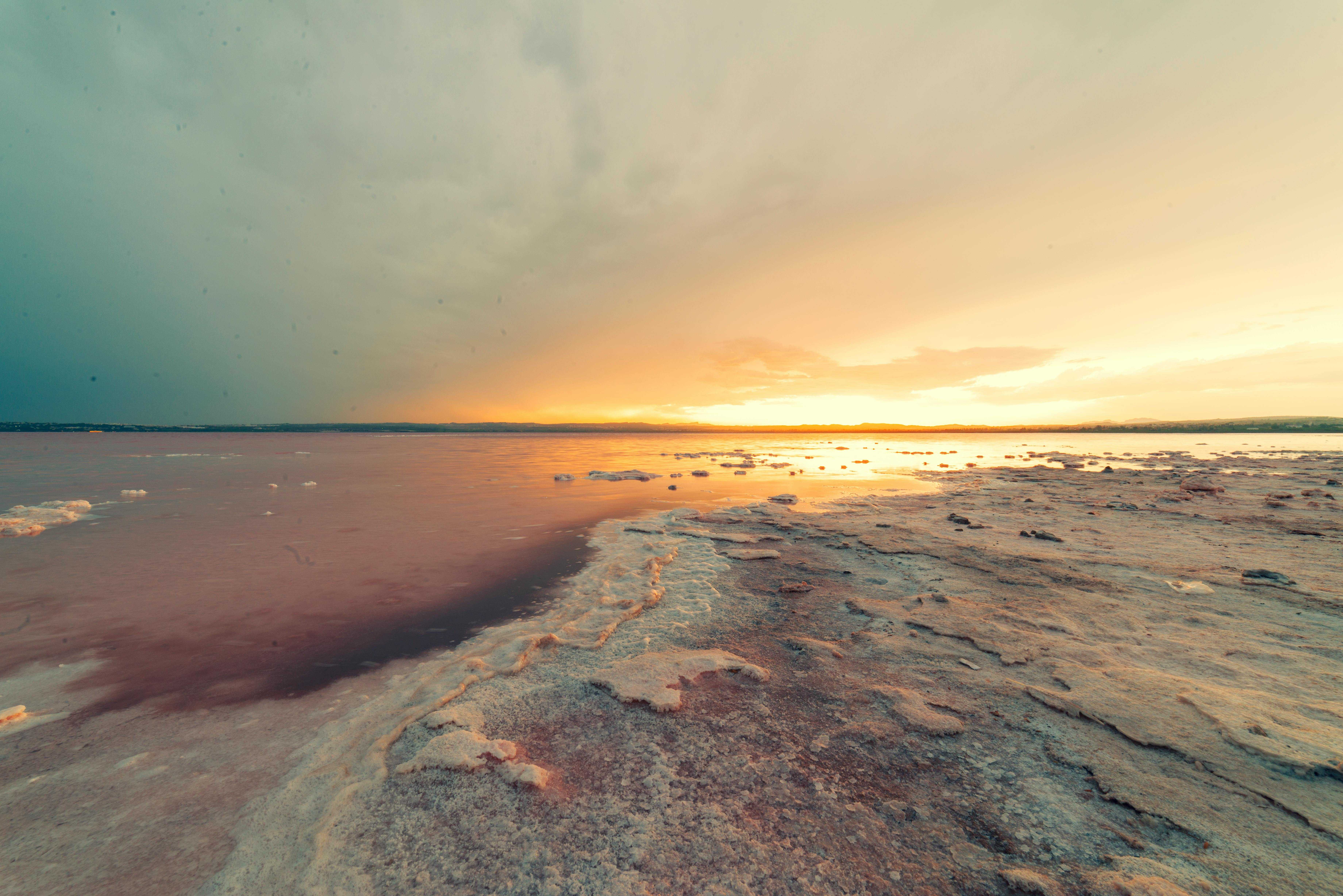
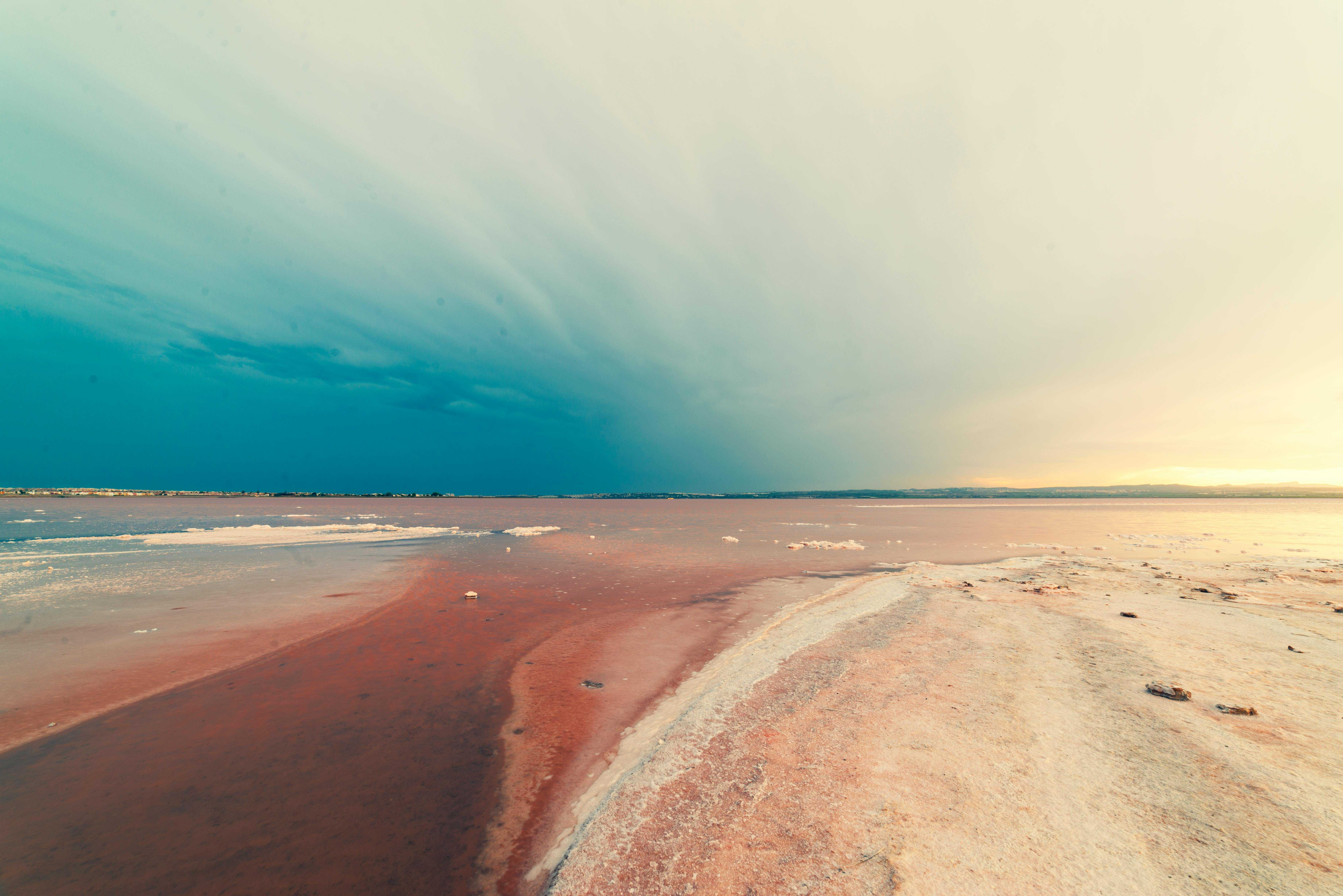
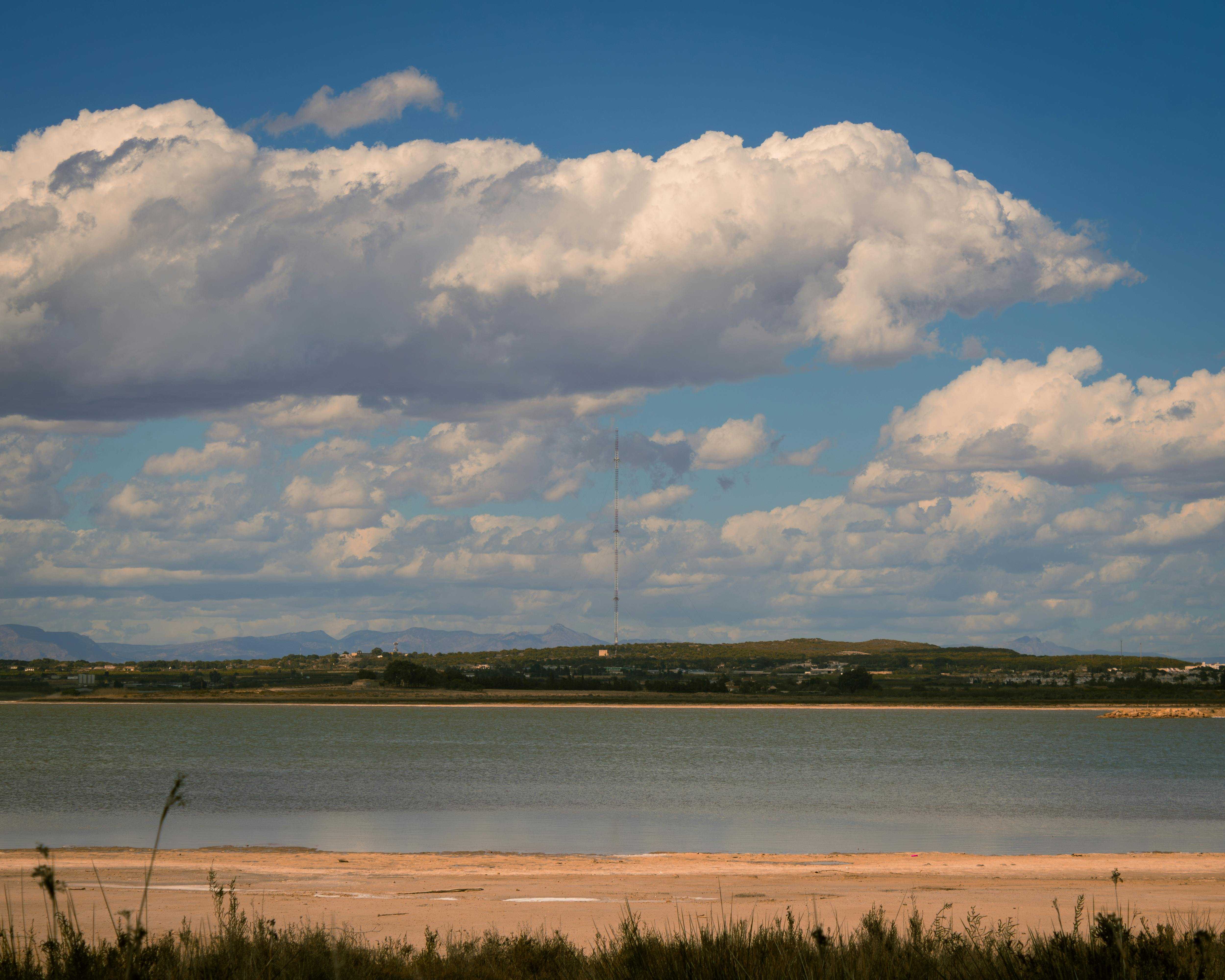
Salt Lakes: Torrevieja is known for its two large saltwater lakes, the Salinas de Torrevieja and the Salinas de la Mata. These lakes are not only picturesque but also have health benefits due to the high concentration of minerals in the water.
-
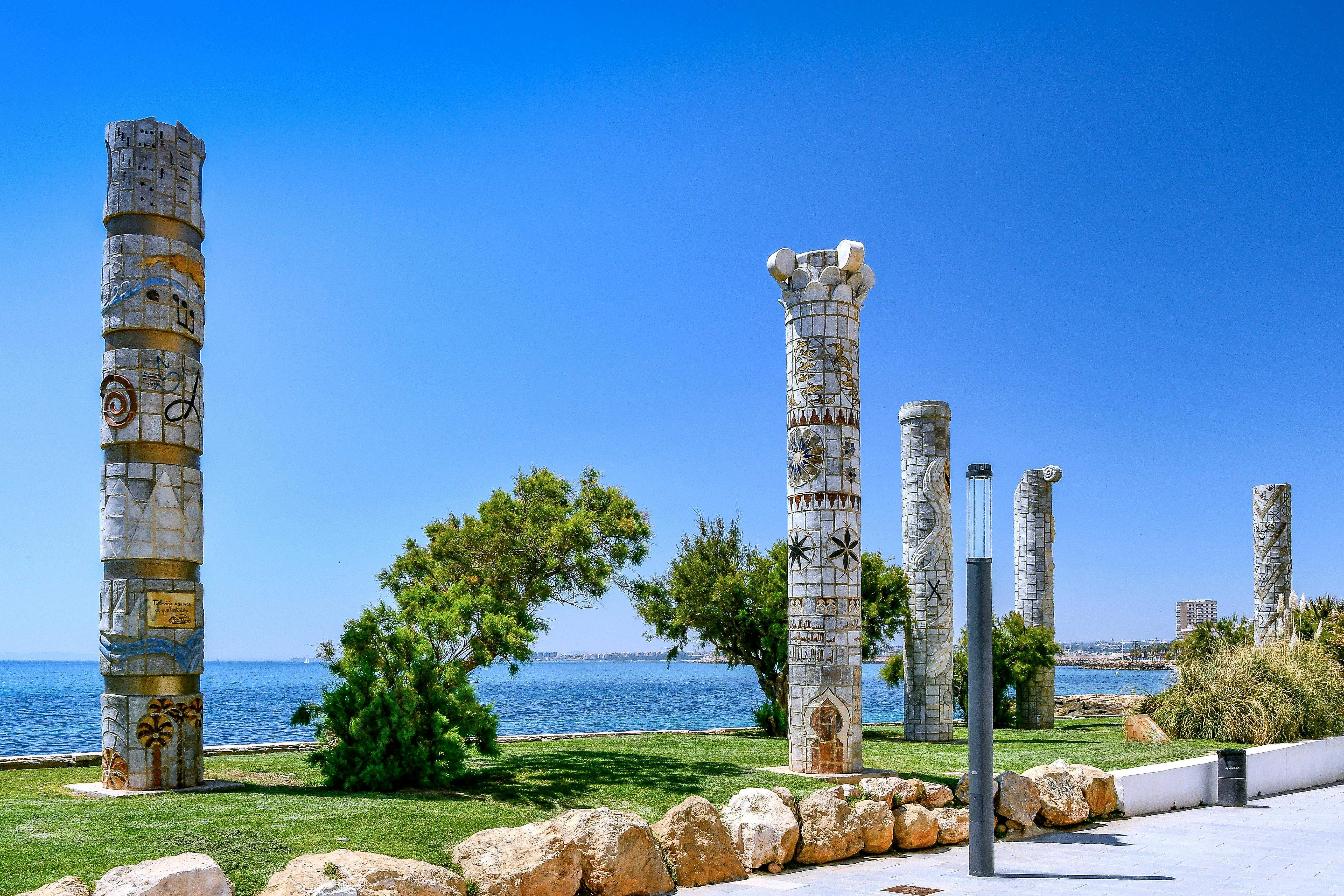
Cultural Attractions: Torrevieja has a rich cultural heritage with several museums, art galleries, and historic sites to explore. The Torrevieja Museum, the Sea and Salt Museum, and the Eras de la Sal are some of the must-visit cultural attractions in the city.
-
Gastronomy: The local cuisine in Torrevieja is a delightful mix of Mediterranean flavors with a focus on fresh seafood. Visitors can enjoy traditional Spanish dishes like paella, seafood tapas, and local wines in the numerous restaurants and tapas bars in the city.
-
Nature Reserves: Nature lovers will appreciate the natural beauty of the surrounding area, including the nearby nature reserves of the Laguna de la Mata and the Parque Natural de las Lagunas de la Mata y Torrevieja. These reserves offer opportunities for hiking, bird watching, and enjoying the local flora and fauna.
Overall, Torrevieja offers a perfect blend of sun, sea, culture, and nature, making it a great destination for a relaxing and enjoyable vacation.
What to know
Some potential cons of traveling to Torrevieja, located in the Valencia region of Spain, could include:
-
Climate: Torrevieja can experience extreme heat during the summer months, with temperatures often exceeding 35°C (95°F). This may be uncomfortable for some travelers, especially those not used to such high temperatures.
-
Crowds: Torrevieja is a popular tourist destination, particularly during the summer season. This means that the beaches and attractions may be crowded, leading to longer wait times and less opportunity for a peaceful experience.
-
Language Barrier: While many locals in Torrevieja may speak some English, the predominant language is Spanish. Travelers who do not speak Spanish may encounter difficulties in communication, especially in more remote areas or when dealing with locals who do not speak English.
-
Tourist Prices: As a tourist hotspot, prices in Torrevieja may be higher compared to other parts of Spain. Travelers should be prepared for potentially inflated costs for accommodations, dining, and activities.
-
Lack of Authenticity: Some visitors may find that Torrevieja has become overly commercialized and lacks the authentic charm of other, less touristy destinations in Spain. Those seeking a more traditional Spanish experience may be disappointed by the prevalence of tourist-focused businesses.
Please note that these are general considerations and individual experiences may vary. It's always a good idea to research further and consider your own preferences and priorities when planning a trip to Torrevieja.