
Torrelavega
· ES

Torrelavega

Torrelavega, Cantabria, Spain

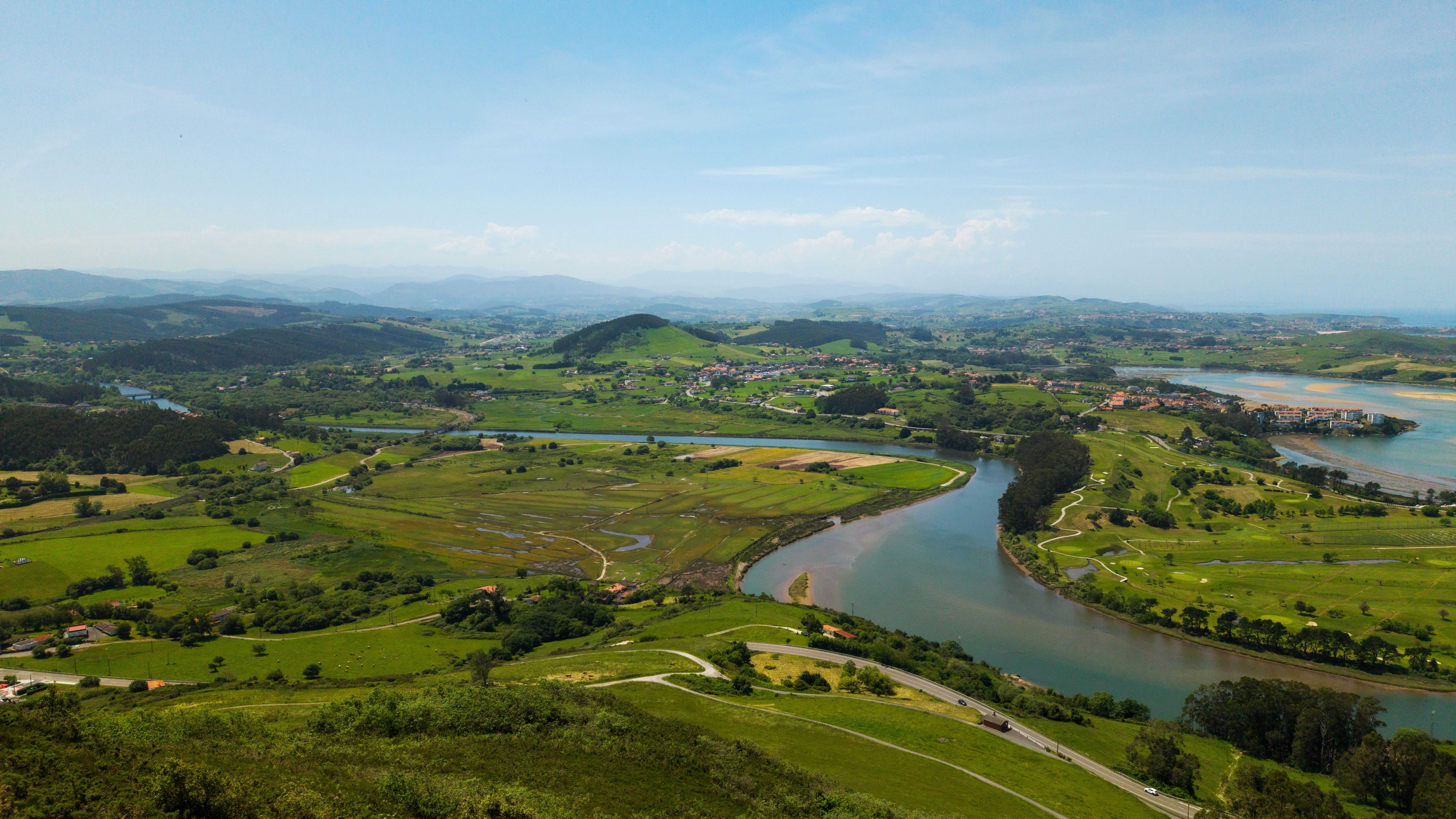
Torrelavega: Unveiling Cantabria's Dynamic Heart Don't be fooled by its industrial past, Torrelavega, nestled in the heart of Cantabria, Spain, pulsates with a vibrant energy that captivates visitors. More than just a ga…

#Torrelavega#Cantabria#Spain#Historic town#Cultural attractions
1/4

Top hotels & flights

Hand-picked stays and the best fares into Torrelavega.

Top Hotels in Torrelavega

Top Flights to Torrelavega

Location videos

Real reels from travelers, plus longer watches to get the full picture.

From travelers
Watch & explore

Practical info

The essentials for planning your time in Torrelavega.

Currency
€ | EUR | Euro
Population
The approximate estimated total population of Torrelavega, Cantabria, Spain is '51,000'.
Languages
Spanish, Spanish
Average weather
Torrelavega
Jan
rain
13°5°
Feb
rain
14°5°
Mar
rain
16°6°
Apr
cloud
17°7°
May
cloud
20°10°
Jun
sun
23°13°
Jul
sun
25°15°
Aug
sun
26°15°
Sep
cloud
24°14°
Oct
rain
20°11°
Nov
rain
16°8°
Dec
rain
13°6°

Local guide

What travelers love, what to watch for, and a deeper read on Torrelavega.

What people love

Torrelavega, located in the region of Cantabria, Spain, offers several advantages for travelers looking to explore this area:

  1. Scenic Beauty: Torrelavega is surrounded by stunning natural landscapes, including mountains, rivers, and forests. Visitors can enjoy outdoor activities such as hiking, biking, and exploring the picturesque countryside.

  2. Cultural Heritage: The town has a rich history dating back to the Roman era, with several historical sites and monuments to explore. The town also hosts traditional festivals and events throughout the year, providing visitors with a glimpse into Cantabrian culture.

  3. Gastronomy: Cantabria is known for its delicious cuisine, with an emphasis on fresh seafood, locally sourced produce, and traditional dishes. Visitors to Torrelavega can sample authentic Cantabrian specialties at local restaurants and markets.

  4. Convenient Location: Torrelavega serves as a great base for exploring the wider Cantabria region, including nearby coastal towns, beaches, and natural parks. The town is also well-connected by road and rail, making it easy to travel to other parts of Spain.

Overall, Torrelavega offers a mix of natural beauty, cultural heritage, and gastronomic delights, making it a great destination for travelers seeking an authentic Spanish experience.

What to know

Torrelavega, located in the region of Cantabria, Spain, is a charming town with many attractions. However, there are some potential cons to consider when traveling to Torrelavega:

  1. Limited public transportation options: Torrelavega is a relatively small town, and its public transportation system may not be as extensive or convenient as in larger cities. This could make it challenging to get around the town and surrounding areas without a car.

  2. Weather variability: Cantabria, where Torrelavega is located, experiences a maritime climate with mild, wet winters and cool, rainy summers. Visitors should be prepared for potential rain and cooler temperatures, especially if traveling during the winter months.

  3. Language barrier: While many locals in Torrelavega may speak some English, the primary language spoken is Spanish. Travelers who do not speak Spanish may encounter some difficulties in communication, especially in more rural or less touristy areas.

  4. Limited nightlife and entertainment options: Torrelavega is a quieter town compared to larger cities in Spain. Visitors looking for a vibrant nightlife scene or a wide variety of entertainment options may find the town to be more subdued.

  5. Limited tourist infrastructure: Torrelavega is not as popular with tourists as other destinations in Spain, so the town may have limited tourist infrastructure, including fewer accommodations, restaurants, and tourist services compared to more touristy areas.

Overall, while Torrelavega has much to offer in terms of natural beauty, historic sites, and local culture, travelers should be aware of these potential cons when planning a trip to the area.

Torrelavega is a city located in the autonomous community of Cantabria in northern Spain. It is the second most important city in Cantabria after Santander, the capital. The area is historically significant and has evolved through various periods, contributing to its cultural and economic development.

Historical Overview:

  1. Early History:

    • The region around Torrelavega has been inhabited since ancient times, with evidence of prehistoric settlements. However, significant historical records begin in the medieval period.
  2. Medieval Period:

    • The town's origins can be traced back to the late 13th century. The name "Torrelavega" is derived from the Torre (tower) of the family of Garci Lasso de la Vega, a prominent noble family. The tower served as a defensive structure and a symbol of their power in the region.
    • The town was officially founded in 1315 by Garci Lasso de la Vega II, who was granted the right to hold markets, contributing to its development as a commercial hub.
  3. 16th to 18th Centuries:

    • During these centuries, Torrelavega grew as a center for agriculture and livestock, benefiting from its location on the main road between Santander and the Castilian plateau.
    • The town suffered during the conflicts and wars of this period, like many others in Spain, but continued to maintain its economic importance.
  4. 19th Century:

    • The industrial revolution brought significant changes to Torrelavega. The city became an industrial center, with the establishment of various factories, particularly in the sectors of ceramics, textiles, and food processing.
    • The arrival of the railway in the second half of the 19th century further boosted its economic growth and connections with other regions.
  5. 20th Century:

    • Torrelavega continued to expand and modernize, becoming an important industrial and commercial city in Cantabria.
    • It played a role during the Spanish Civil War, like many areas in Spain, but it continued to develop post-war.
  6. Modern Day:

    • Today, Torrelavega is known for its commercial and industrial activities, as well as being a service center for the surrounding rural areas.
    • The city hosts various cultural events and fairs, continuing its tradition as a market town.

Notable Figures:

  • Garci Lasso de la Vega: A key historical figure associated with the founding of Torrelavega.

Important Landmarks:

  1. La Lechera:

    • Originally a dairy factory, it is now a cultural space hosting various exhibitions and events.
  2. Boulevard Demetrio Herrero:

    • A central area in the town where many civic and cultural activities take place.
  3. Church of Nuestra Señora de la Asunción:

    • A notable church and architectural landmark in the city.
  4. The Market:

    • Torrelavega is famous for its livestock market, one of the most important in Spain.
  5. Altamira Caves:

    • Although not within Torrelavega itself, the nearby Altamira Caves are a significant prehistoric site with ancient cave paintings, adding to the regional historical interest.

Torrelavega's history is marked by its transformation from a medieval settlement to an industrial and commercial center, reflecting the broader economic and social changes in the region of Cantabria.