

Toowoomba
· AU

Toowoomba

Toowoomba, Queensland, Australia

Discover Toowoomba: Queensland's Garden City Escape the ordinary and embrace the charm of Toowoomba, affectionately known as Queensland's Garden City. Perched atop the Great Dividing Range, Toowoomba offers a refreshing …

#Regional city#Garden city#Cultural hub#Education#Heritage buildings
1/3

Top hotels & flights

Hand-picked stays and the best fares into Toowoomba.

Top Hotels in Toowoomba

Top Flights to Toowoomba

Location videos

Real reels from travelers, plus longer watches to get the full picture.

From travelers
Watch & explore

Practical info

The essentials for planning your time in Toowoomba.

Currency
$ | AUD | Australian Dollar
Population
Toowoomba, Queensland, Australia has an approximate estimated total population of '0.17 million'.
Languages
English, English
Average weather
Toowoomba
Jan
sun
28°17°
Feb
rain
27°17°
Mar
cloud
26°15°
Apr
clear
24°12°
May
clear
21°8°
Jun
cold
18°5°
Jul
cold
18°4°
Aug
clear
20°6°
Sep
sun
23°9°
Oct
sun
25°12°
Nov
sun
27°15°
Dec
sun
28°17°

Local guide

What travelers love, what to watch for, and a deeper read on Toowoomba.

What people love

Toowoomba, located in Queensland, Australia, has several pros that make it a great destination for travelers:

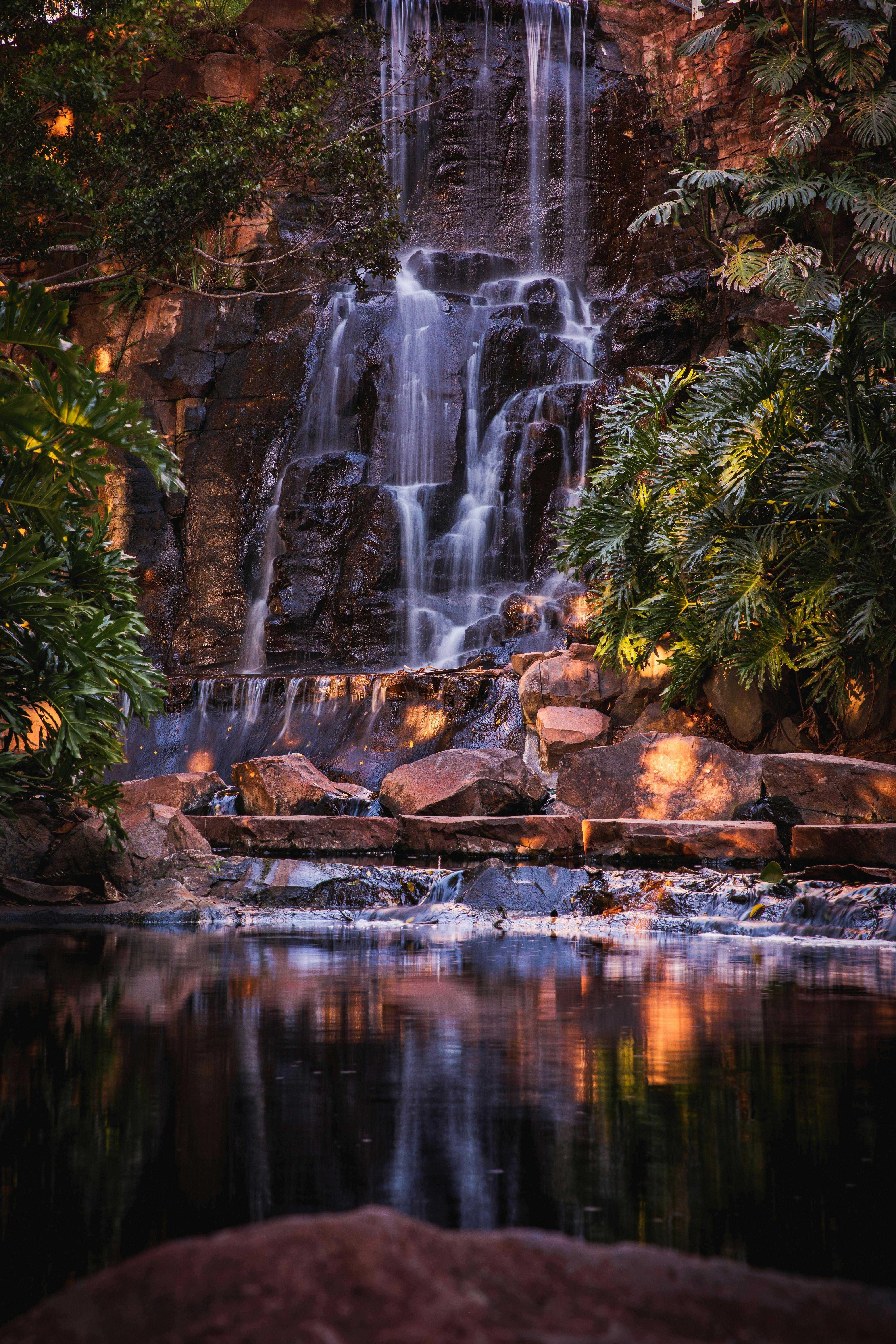
  1. Scenic Beauty: Toowoomba is known as the "Garden City" due to its beautiful parks, gardens, and tree-lined streets. The city hosts the annual Carnival of Flowers, which showcases stunning floral displays and attracts visitors from all over the country.

  2. Heritage and Culture: Toowoomba has a rich heritage and offers visitors a chance to explore its historical buildings, museums, and art galleries. The Cobb & Co Museum and the Toowoomba Regional Art Gallery are popular attractions for those interested in history and culture.

  3. Outdoor Activities: The surrounding region of Toowoomba offers a range of outdoor activities for nature lovers and adventure seekers. You can explore the nearby national parks, go hiking in the Great Dividing Range, or enjoy picnics and barbecues in the beautiful parks within the city.

  4. Food and Wine: Toowoomba has a thriving food scene with a variety of cafes, restaurants, and markets offering delicious local produce and cuisine. The region is also known for its wineries, where you can taste some of Queensland's finest wines.

  5. Events and Festivals: Throughout the year, Toowoomba hosts a range of events and festivals that showcase the local culture, arts, and music scene. From food festivals to music concerts, there is always something happening in Toowoomba.

Overall, Toowoomba offers a mix of natural beauty, cultural experiences, and outdoor activities that make it a great destination for travelers looking to explore regional Australia.

What to know

Some potential cons of traveling to Toowoomba, Queensland, Australia could include:

  1. Weather: Toowoomba experiences a range of weather conditions, including hot summers and cold winters. Travelers may need to pack accordingly to be comfortable during their stay.

  2. Limited public transportation: Toowoomba is not as well-served by public transportation compared to larger cities like Brisbane. Travelers may need to rely on taxis or rental cars to get around.

  3. Limited nightlife and entertainment options: While Toowoomba has a vibrant arts and culture scene, it may not offer as many nightlife options as larger cities. Travelers looking for a lively nightlife scene may find Toowoomba to be quieter.

  4. Distance from major attractions: Toowoomba is located inland and may require additional travel time to reach popular coastal destinations or other major tourist attractions in Queensland.

  5. Limited shopping options: While Toowoomba has shopping centers and boutique stores, travelers looking for a wide range of shopping options may find the choices to be more limited compared to larger cities.

Overall, Toowoomba is a charming city with plenty to offer visitors, but travelers should be aware of these potential cons when planning their trip.

Toowoomba, situated in the Darling Downs region of Queensland, Australia, has a rich history that dates back to its early settlement and development. Here is an overview of its history, significant events, historical figures, and important landmarks:

Early History

  • Indigenous Heritage: Before European settlement, the area around Toowoomba was inhabited by the Jagera, Giabal, and Jarowair people. These Indigenous Australians lived in the region for thousands of years, and their cultural heritage remains an important part of Toowoomba’s history.

  • European Settlement: European explorers began venturing into the Darling Downs in the early 19th century. Allan Cunningham was one of the first European explorers to pass through the area in 1827. The region's rich agricultural potential was soon recognized, leading to settlement.

Development of Toowoomba

  • Founding and Growth: The town of Toowoomba was officially established in the 1840s, beginning as a small village serving the pastoral industry in the Darling Downs. The name "Toowoomba" is believed to derive from an Aboriginal word that refers to the reeds in the swampy area.

  • Railway and Economic Growth: The arrival of the railway in 1867 significantly boosted Toowoomba’s economy, facilitating the transport of goods and people between Brisbane and the Darling Downs. This connection helped establish Toowoomba as a key regional hub.

Significant Events

  • City Status: Toowoomba was declared a municipality in 1860 and was later proclaimed a city in 1904. This development marked its importance as a regional center for commerce, education, and agriculture.

  • Carnival of Flowers: Established in 1950, the Toowoomba Carnival of Flowers is an annual event that celebrates the city’s horticultural heritage. It has become one of Toowoomba’s most well-known and enduring traditions, attracting visitors from across Australia.

Historical Figures

  • James Taylor: A prominent landowner and politician, James Taylor was instrumental in the development of Toowoomba. He was heavily involved in local politics and served as the mayor, contributing significantly to the city’s infrastructure and growth.

  • William Henry Groom: Another key figure in Toowoomba’s history, Groom was a politician and businessman who served as the first mayor of Toowoomba. He later became a member of the Queensland Legislative Assembly and the Australian House of Representatives.

Important Landmarks

  • Empire Theatre: Originally built in 1911, the Empire Theatre is a heritage-listed building and a prominent cultural venue in Toowoomba. It underwent restoration in the late 20th century and continues to host a variety of performances and events.

  • Queens Park: Established in the 19th century, Queens Park is a significant public park in Toowoomba. It is well-known for its beautiful gardens and serves as a central location for the Carnival of Flowers.

  • Cobb+Co Museum: The museum is dedicated to the history of horse-drawn vehicles and houses a collection that reflects the transportation history of the region. It is part of the Queensland Museum network.

  • St. Patrick’s Cathedral: This Gothic Revival style cathedral is a key religious and architectural landmark in Toowoomba, serving as the seat of the Roman Catholic Diocese of Toowoomba.

Modern Day

Today, Toowoomba is recognized as a major regional center in Queensland, known for its educational institutions, cultural events, and as a gateway to the Darling Downs. It balances its rich historical heritage with modern growth and development, continuing to play a vital role in the region.