Tierra del Fuego, Antártida e Islas del Atlántico Sur
· AR

Tierra del Fuego, Antártida e Islas del Atlántico Sur

Tierra del Fuego, Antártida e Islas del Atlántico Sur, Argentina

At the Edge of the World: Adventure Awaits in Tierra del Fuego, Antártida e Islas del Atlántico Sur Imagine a land sculpted by glaciers, where jagged peaks pierce the sky and icy winds whisper tales of exploration and ad…

#southernmost region#remote location#islands#Antarctic territory#Argentinian province
1/10

Top hotels & flights

Hand-picked stays and the best fares into Tierra del Fuego, Antártida e Islas del Atlántico Sur.

Top Hotels in Tierra del Fuego, Antártida e Islas del Atlántico Sur

Top Flights to Tierra del Fuego, Antártida e Islas del Atlántico Sur

Location videos

Real reels from travelers, plus longer watches to get the full picture.

Watch & explore

Practical info

The essentials for planning your time in Tierra del Fuego, Antártida e Islas del Atlántico Sur.

Currency
$ | ARS | Argentine Peso
Population
Not Available
Languages
Spanish, Spanish

Local guide

What travelers love, what to watch for, and a deeper read on Tierra del Fuego, Antártida e Islas del Atlántico Sur.

What people love

Traveling to Tierra del Fuego, Antártida e Islas del Atlántico Sur, Argentina has several pros. Here are some detailed benefits:

  1. Unique Wildlife: This region is home to diverse and unique wildlife, including penguins, sea lions, whales, and various bird species. Wildlife enthusiasts will have the opportunity to observe these animals in their natural habitats.

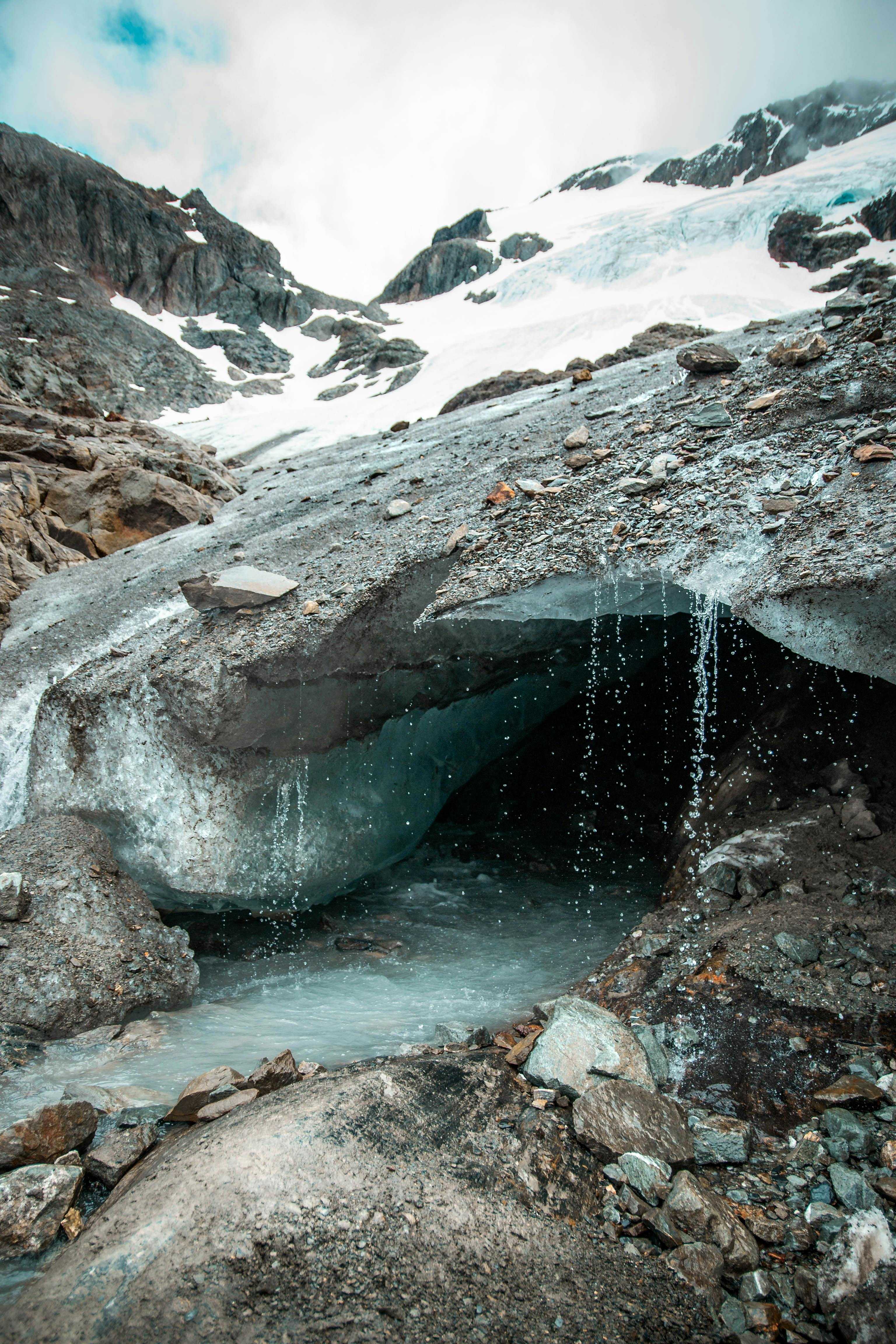
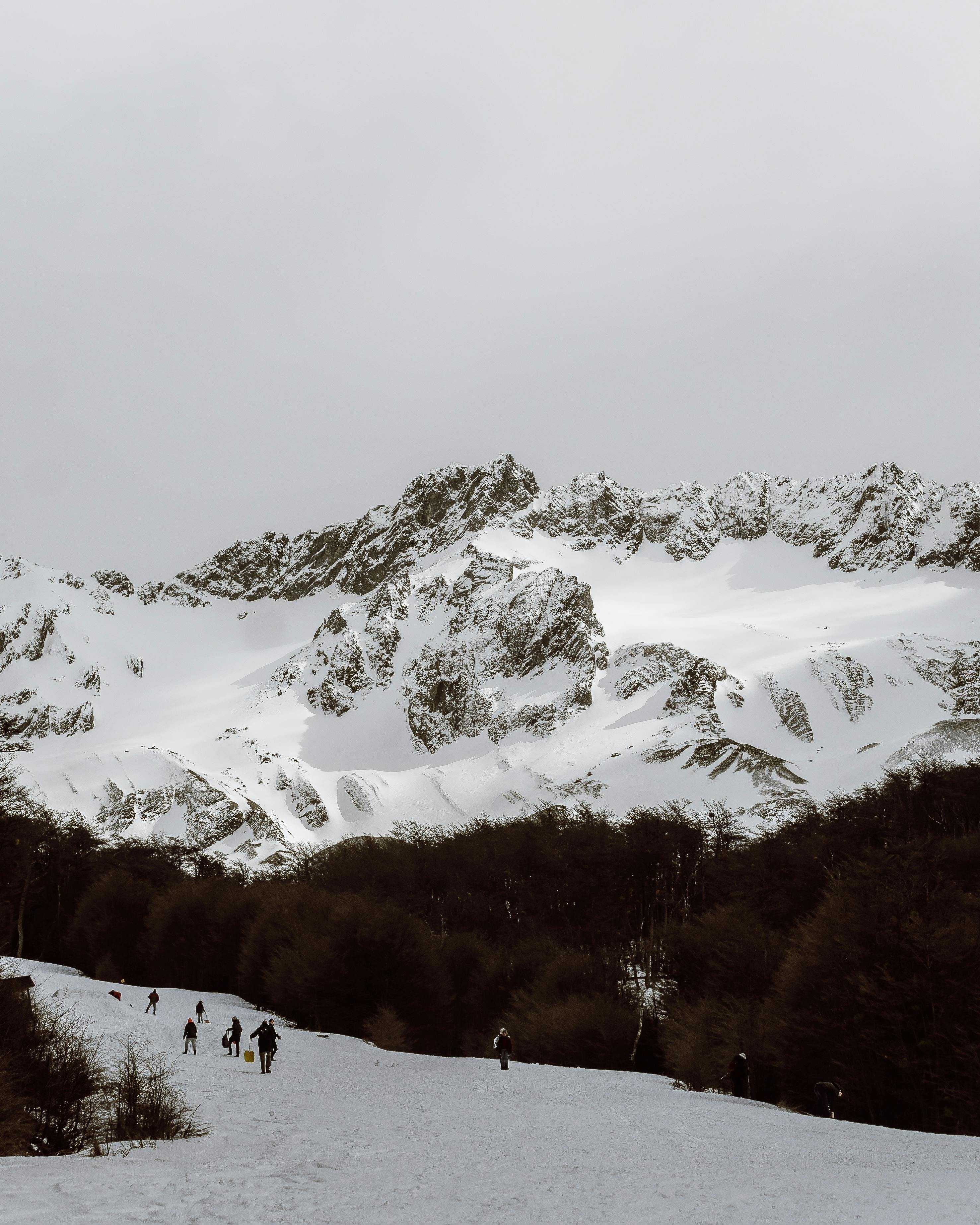
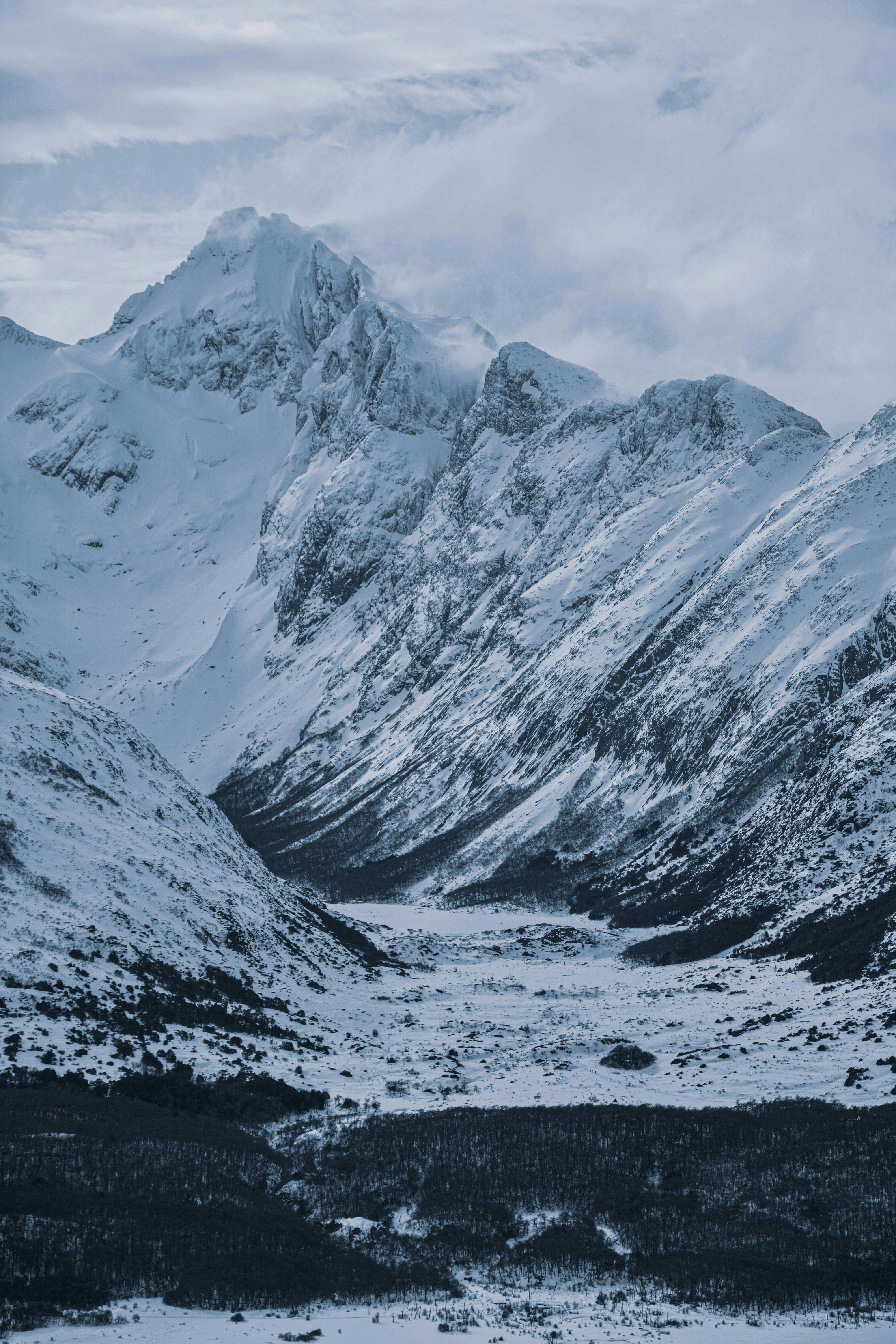
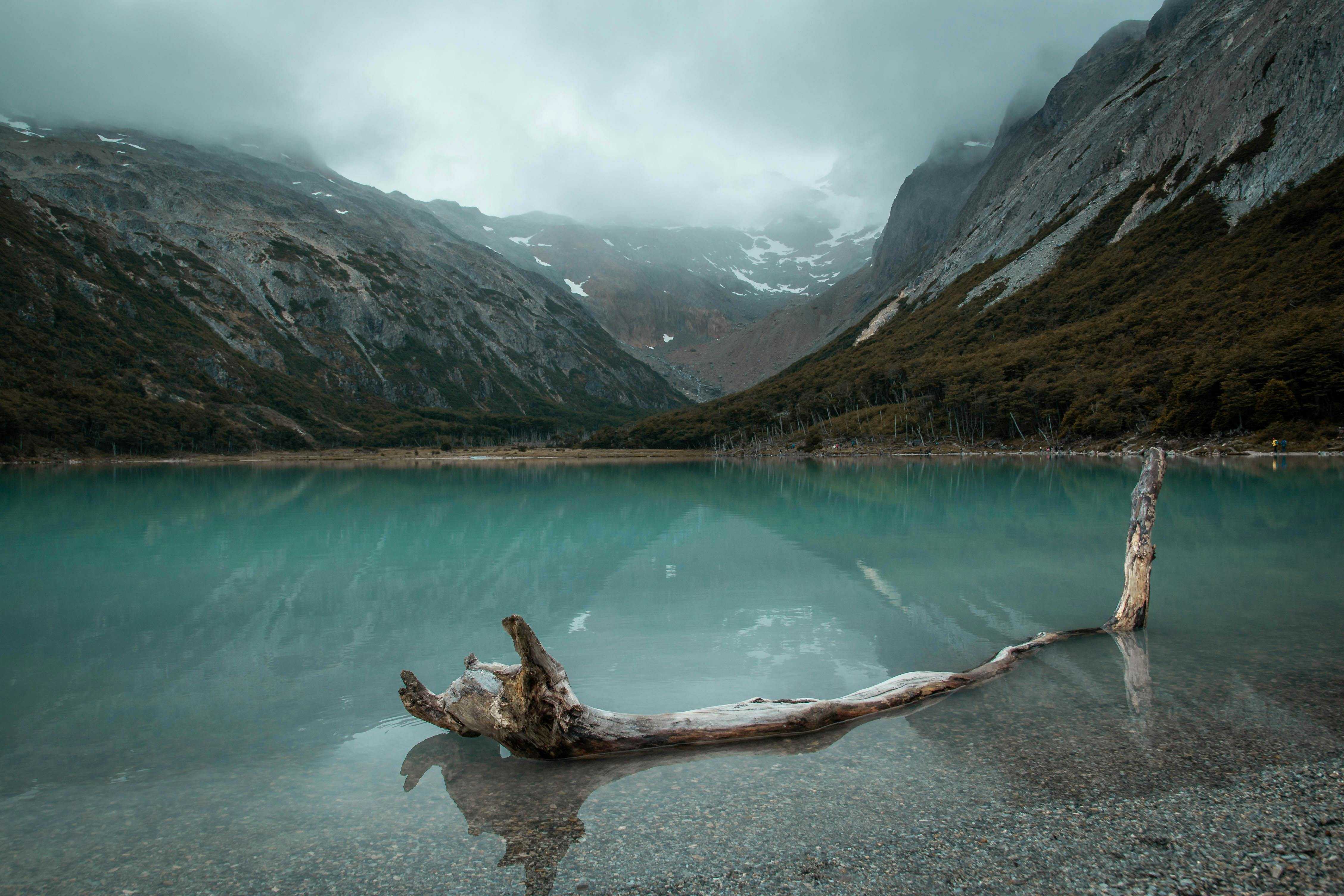
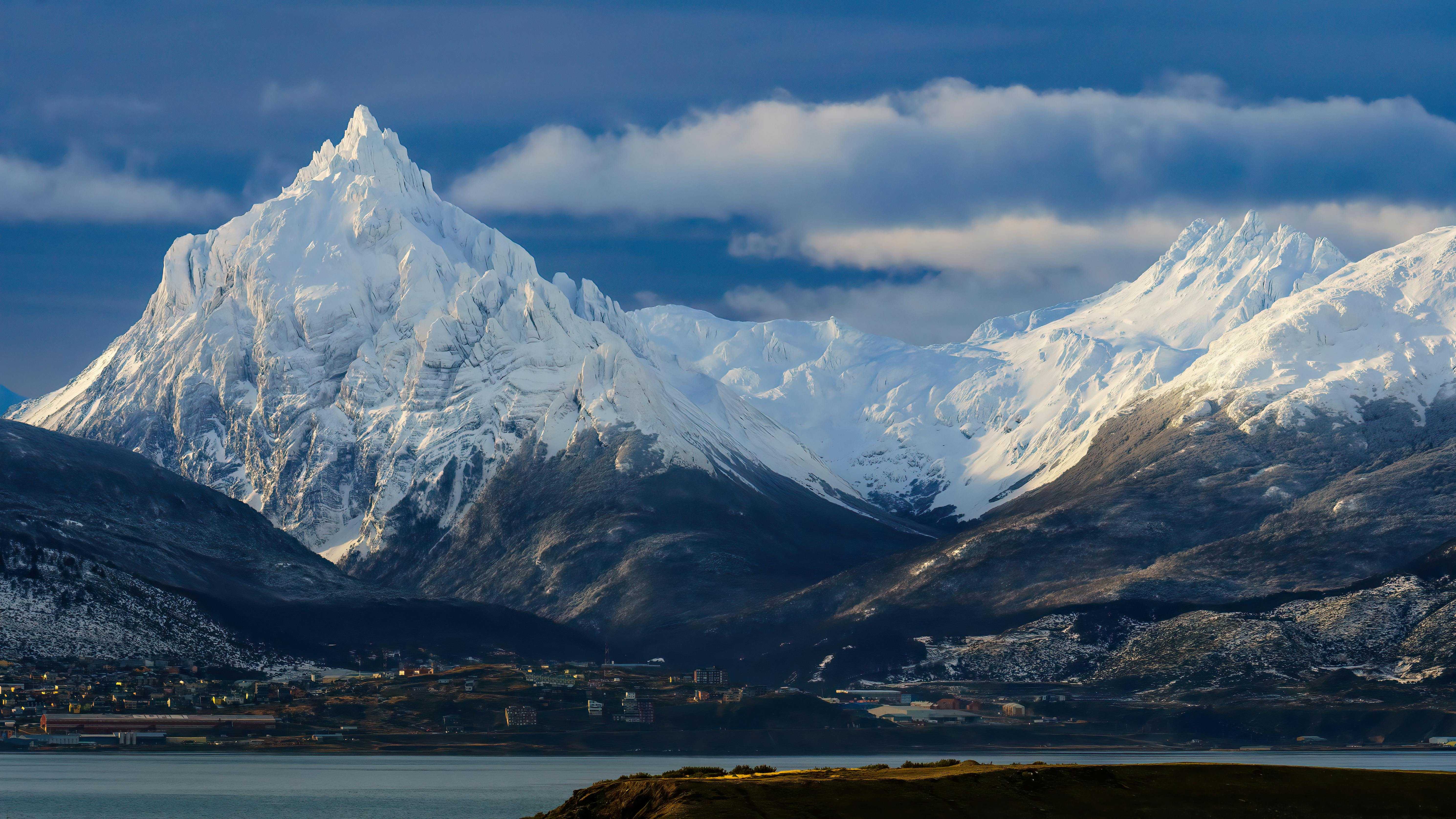
  2. Natural Beauty: Tierra del Fuego offers stunning landscapes, including snow-capped mountains, glaciers, fjords, and forests. The remote and untouched beauty of the region is a draw for nature lovers and photographers.

  3. Adventure Activities: The area provides a range of adventure activities such as hiking, kayaking, and wildlife watching. Visitors can explore the rugged terrain and experience the thrill of outdoor adventures.

  4. Cultural Immersion: Traveling to Tierra del Fuego allows visitors to learn about the indigenous cultures of the region, such as the Selk'nam and Yamana peoples. Visitors can engage with local communities and gain insight into their traditions and way of life.

  5. Gateway to Antarctica: Tierra del Fuego serves as a gateway to Antarctica, with cruises departing from Ushuaia to the frozen continent. Travelers can embark on expeditions to Antarctica, a once-in-a-lifetime experience for many.

Overall, traveling to Tierra del Fuego, Antártida e Islas del Atlántico Sur, Argentina offers a unique blend of wildlife, natural beauty, adventure opportunities, cultural experiences, and access to Antarctica.

What to know

Traveling to Tierra del Fuego, Antártida e Islas del Atlántico Sur in Argentina may have some cons to consider:

  1. Remote location: Tierra del Fuego, Antártida e Islas del Atlántico Sur is a remote region, which may pose challenges in terms of accessibility and transportation options. Travelers may need to plan ahead and be prepared for limited infrastructure in certain areas.

  2. Harsh weather conditions: The region is known for its extreme weather conditions, with cold temperatures and strong winds being common. Travelers should be prepared for these conditions and pack appropriate clothing and gear.

  3. Limited services: Due to the remote nature of the region, services such as accommodations, restaurants, and medical facilities may be limited in some areas. Travelers should plan accordingly and be prepared for potential limitations.

  4. Wildlife encounters: While the diverse wildlife in the region is a major attraction, travelers should be cautious of potential wildlife encounters, especially in more remote areas. It's important to respect the local wildlife and follow guidelines to ensure safety.

  5. Language barrier: Spanish is the primary language spoken in Argentina, so travelers who do not speak Spanish may encounter some language barriers, especially in more remote areas where English may not be as widely spoken.

Overall, while Tierra del Fuego, Antártida e Islas del Atlántico Sur is a unique and beautiful destination, travelers should be aware of these potential cons and plan accordingly to have a safe and enjoyable experience.

Tierra del Fuego, Antártida e Islas del Atlántico Sur is an Argentine province that encompasses the eastern part of the Tierra del Fuego archipelago, the Argentine claim to Antarctica, and the South Atlantic islands claimed by Argentina. Here's a detailed history:

Early History

  • Indigenous Peoples: The region was originally inhabited by various indigenous groups, including the Yaghan, Selk'nam (Ona), Haush, and Kawésqar. These groups lived as hunter-gatherers and had a rich cultural heritage.

European Exploration

  • 1520 - Ferdinand Magellan: The first European to explore the region was Ferdinand Magellan in 1520 during his circumnavigation of the globe. He named the area "Tierra del Fuego" (Land of Fire) due to the numerous fires he observed on the islands, which were set by the indigenous people.

Colonial Era

  • 19th Century: European interest in the region increased due to its strategic location and natural resources. Missionaries, such as the Anglican Thomas Bridges, settled in the area.
  • 1880s - Gold Rush: There was a gold rush in the late 19th century which attracted European settlers, significantly impacting the indigenous populations through disease and displacement.

20th Century

  • 1955 - Province Status: Tierra del Fuego was initially part of the National Territory of Tierra del Fuego, but in 1955 it was recognized as a separate entity within Argentina.
  • 1985 - Provincial Status: The territory was officially declared a province in 1990, following the 1985 enactment of a law that paved the way for its provincial status.

Political and Territorial Claims

  • Antarctic Claim: Argentina has maintained a claim to a portion of Antarctica, which it administratively includes as part of the province, although this claim is not internationally recognized due to the Antarctic Treaty.
  • Islas del Atlántico Sur (South Atlantic Islands): The province includes Argentina's claims to the Falkland Islands (Islas Malvinas), South Georgia, and the South Sandwich Islands. These territories are administered by the United Kingdom, but Argentina maintains its claim.

Significant Events

  • 1982 - Falklands War: Argentina's attempt to assert its claim over the Falkland Islands by military force led to a conflict with the United Kingdom. The war lasted 74 days and ended with an Argentine defeat, but the sovereignty dispute remains unresolved.

Economical and Cultural Development

  • Ushuaia: The capital of the province, Ushuaia, is often regarded as the southernmost city in the world. It serves as a major tourist hub, particularly for cruises to Antarctica and the surrounding natural parks.
  • Tourism: The region's unique landscapes, including the Beagle Channel and Tierra del Fuego National Park, attract visitors interested in wildlife and natural beauty.

Notable Figures

  • Julius Popper: A Romanian explorer and engineer who played a controversial role during the Tierra del Fuego gold rush, known for his conflicts with indigenous peoples.

Important Landmarks

  • Tierra del Fuego National Park: Located near Ushuaia, it is known for its stunning landscapes and biodiversity.
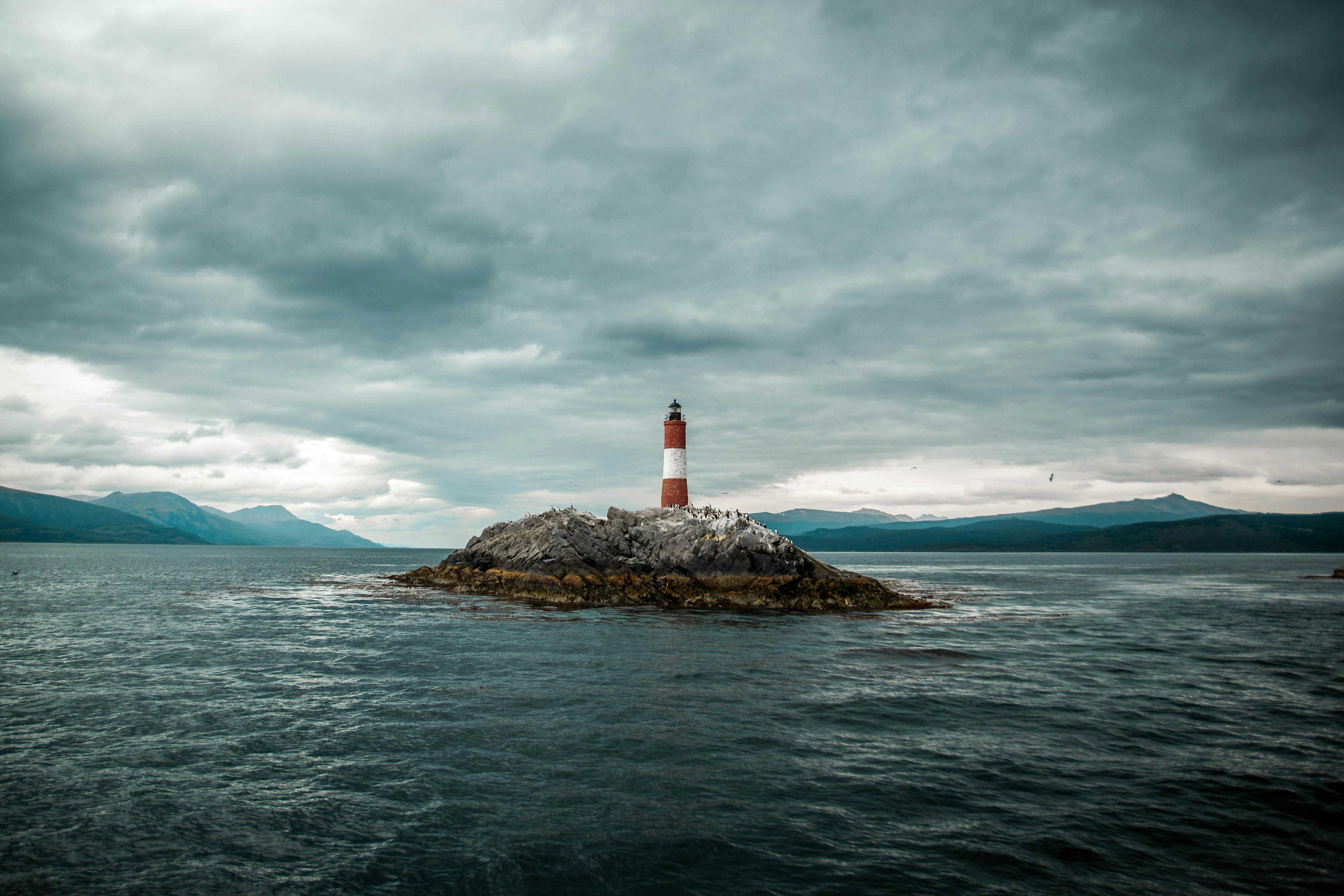
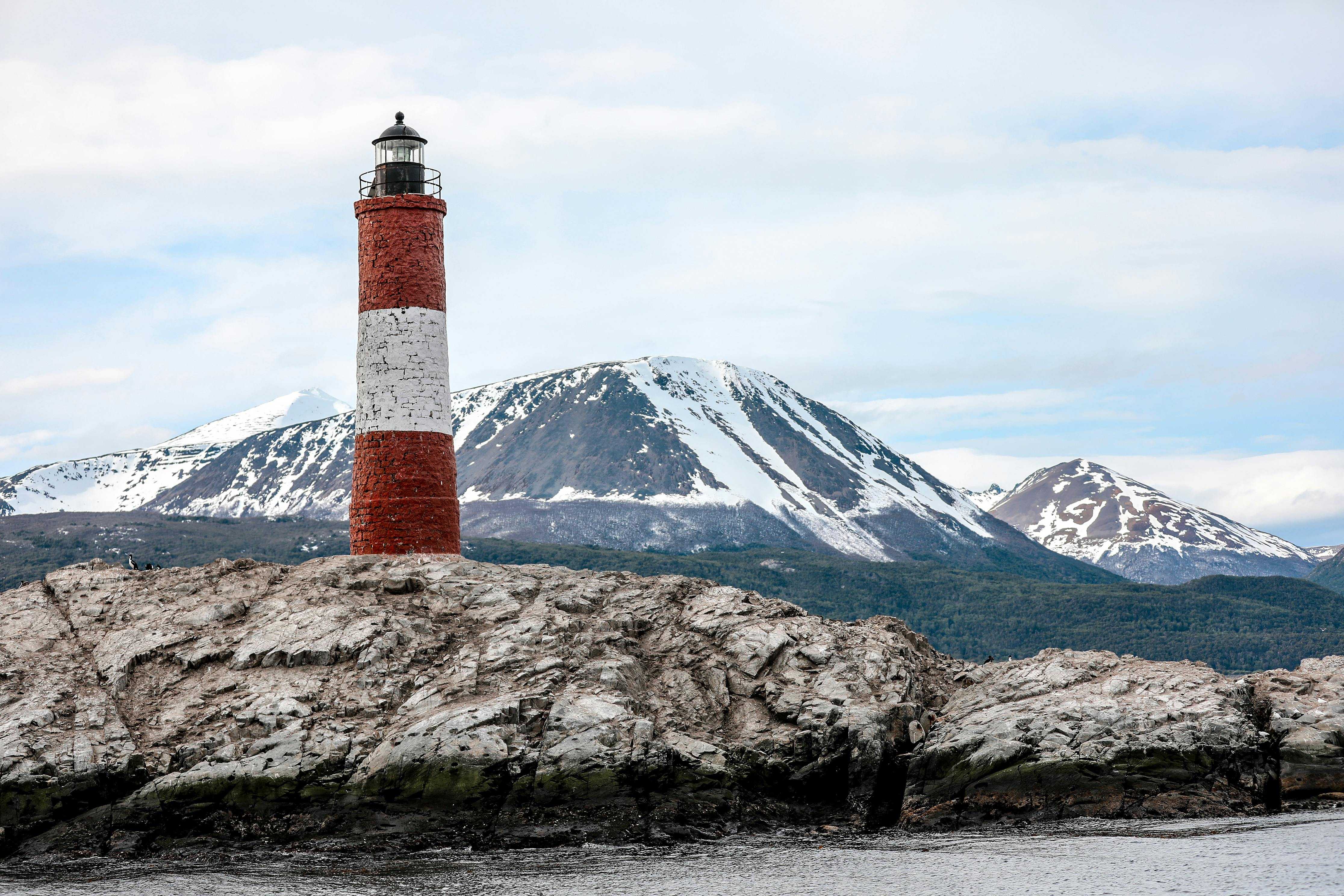
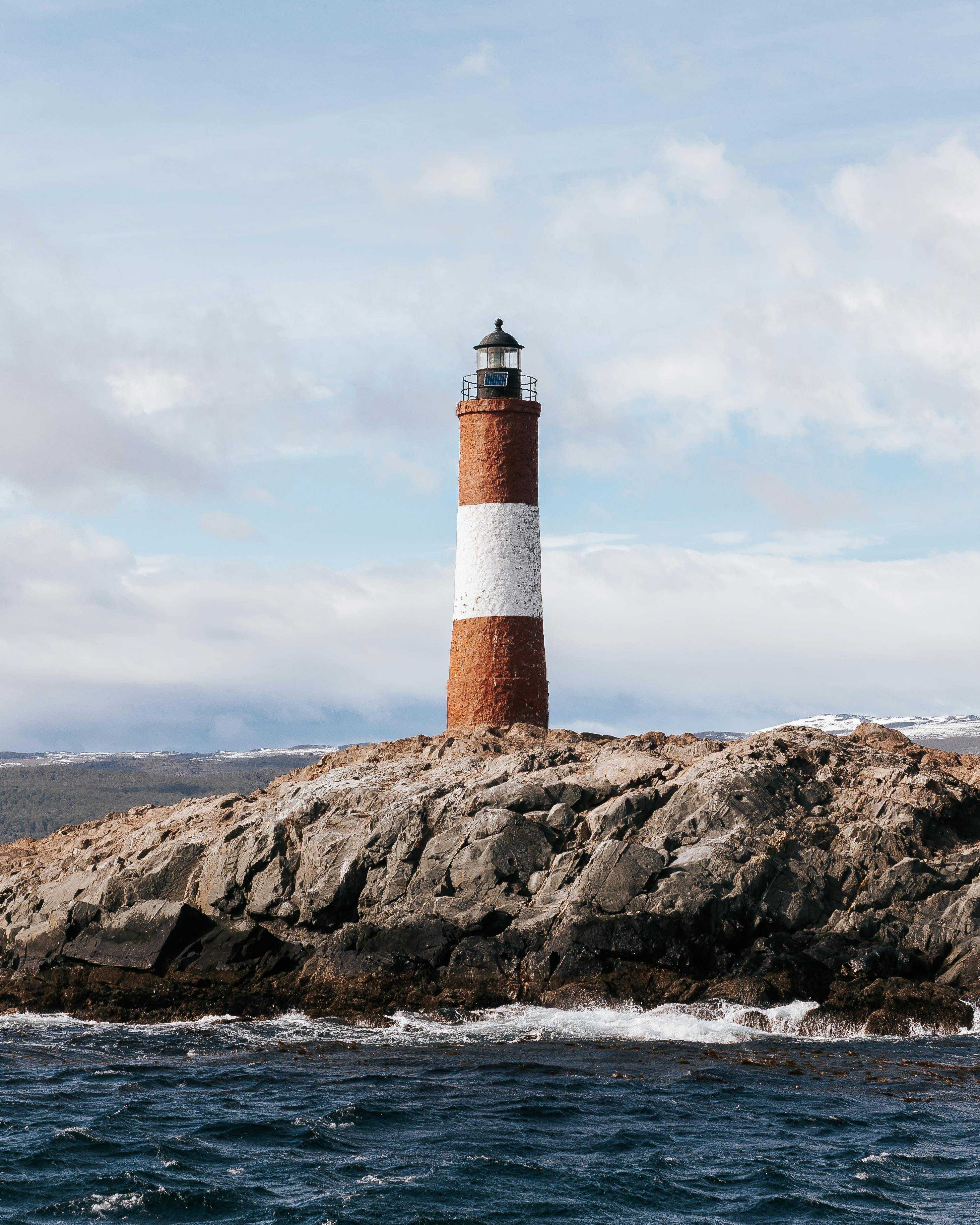
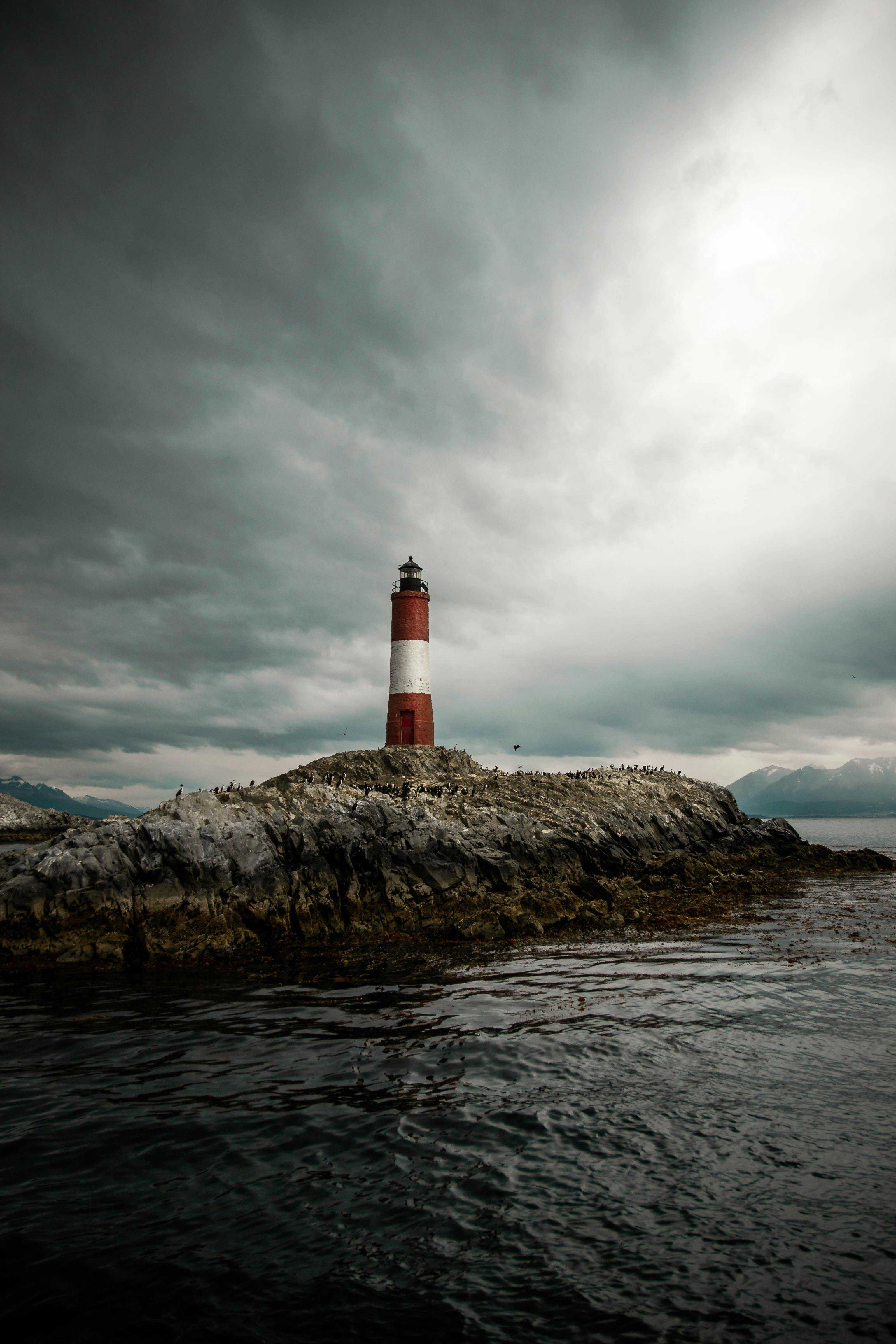
  • Les Eclaireurs Lighthouse: Often mistakenly referred to as the "Lighthouse at the End of the World," it is a navigational aid at the Beagle Channel.

The history of Tierra del Fuego, Antártida e Islas del Atlántico Sur is marked by its geographic isolation, cultural encounters, and ongoing territorial disputes. The region's unique cultural and natural heritage continues to attract global interest.