



Top hotels & flights
Hand-picked stays and the best fares into Thurgau.
Top Hotels in Thurgau
Top Flights to Thurgau
Location videos
Real reels from travelers, plus longer watches to get the full picture.
Practical info
The essentials for planning your time in Thurgau.
Local guide
What travelers love, what to watch for, and a deeper read on Thurgau.
What people love
Thurgau is a beautiful canton located in northeastern Switzerland, known for its picturesque landscapes, charming villages, and rich cultural heritage. Here are some pros of traveling to Thurgau:
-
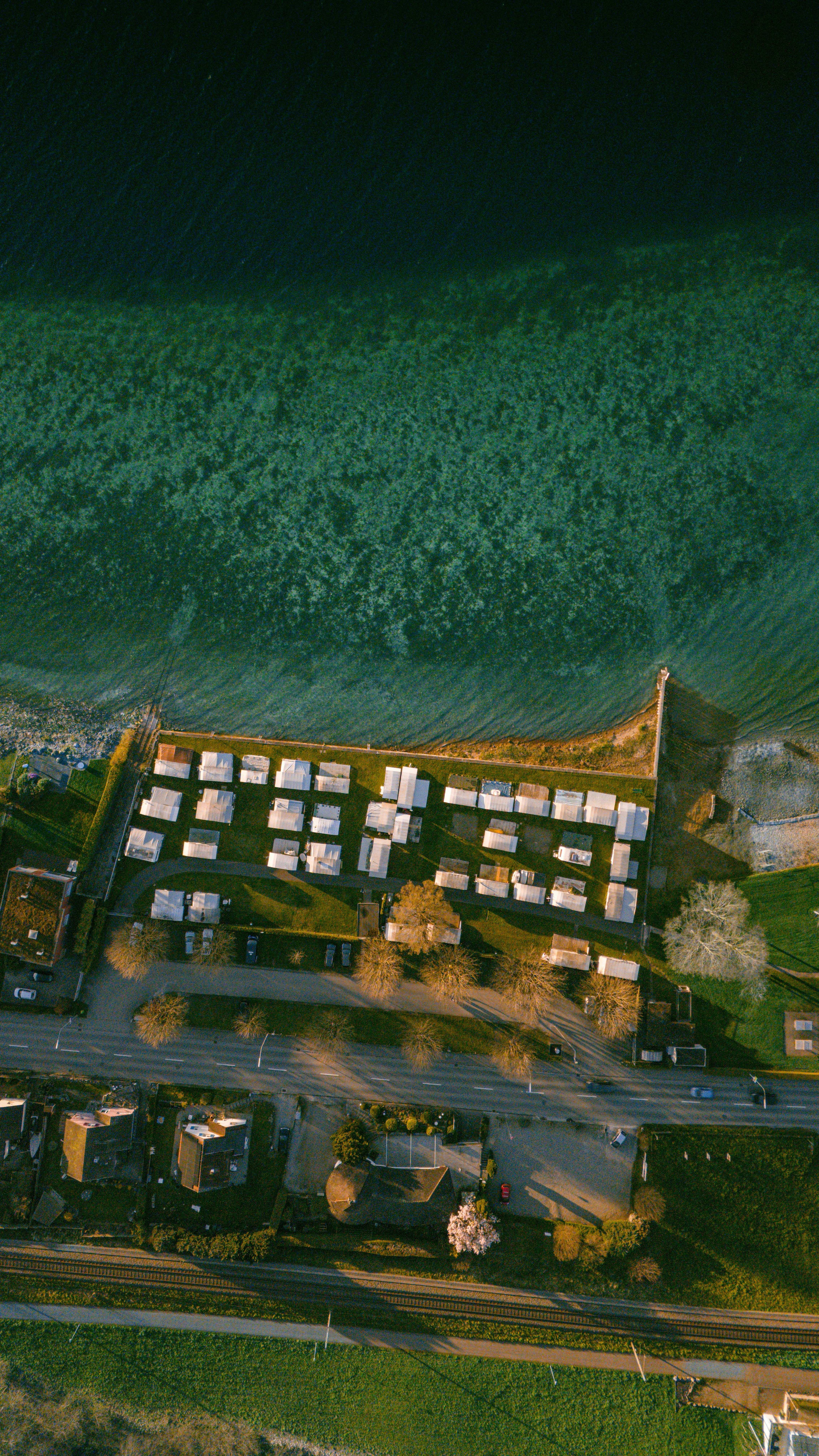
Scenic Beauty: Thurgau is famous for its stunning natural beauty, with rolling hills, vineyards, orchards, and the picturesque Lake Constance. Visitors can enjoy outdoor activities such as hiking, biking, and boating while taking in the breathtaking views.
-
Culinary Delights: Thurgau is known for its delicious regional cuisine, including fresh fish from Lake Constance, apples from the orchards, and wines from the local vineyards. Foodies will enjoy exploring the local markets, restaurants, and wineries to indulge in the authentic flavors of the region.
-
Rich History and Culture: Thurgau has a rich history dating back to Roman times, with many historic sites and museums to explore. Visitors can learn about the region's heritage through its castles, churches, and traditional festivals.
-
Relaxing Atmosphere: Thurgau offers a peaceful and tranquil environment, perfect for those looking to unwind and escape the hustle and bustle of city life. The laid-back atmosphere, friendly locals, and clean air make it an ideal destination for relaxation and rejuvenation.
-
Convenient Location: Thurgau is conveniently located near major cities such as Zurich and St. Gallen, making it easily accessible for travelers. The efficient public transportation system in Switzerland also makes it easy to explore the surrounding areas.
Overall, traveling to Thurgau offers a perfect combination of natural beauty, cultural experiences, and relaxation, making it a great destination for those seeking a peaceful and authentic Swiss experience.
What to know
Thurgau is a beautiful region located in Switzerland, known for its stunning landscapes, picturesque villages, and rich cultural heritage. However, like any travel destination, there are some potential cons to consider when visiting Thurgau:
-
Limited public transportation: Thurgau is a relatively rural area, and public transportation options may be limited compared to larger cities in Switzerland. This could make it more challenging to get around and explore the region, especially if you don't have access to a car.
-
Language barrier: While many people in Thurgau speak English, the primary language spoken in the region is Swiss German. If you are not familiar with this language, communication could be a bit more challenging, especially in smaller towns or more remote areas.
-
Seasonal variations: Thurgau experiences distinct seasons, with cold winters and warm summers. Depending on when you visit, weather conditions could impact your travel plans and activities. Additionally, some attractions or services may be limited during the off-peak tourist season.
-
Limited nightlife and entertainment options: Thurgau is known for its natural beauty and outdoor activities, but if you are looking for a vibrant nightlife scene or a wide range of entertainment options, you may find the region to be relatively quiet in the evenings.
-
Higher cost of living: Switzerland is known for its high cost of living, and this can also apply to Thurgau. Accommodation, dining, and other expenses may be higher compared to other destinations, so budget-conscious travelers should plan accordingly.
Overall, Thurgau offers a unique and charming travel experience, but it's essential to consider these potential cons when planning your trip to ensure a smooth and enjoyable visit.