



Terengganu
· MY

Terengganu

Terengganu, Malaysia

Escape to Terengganu: Where History Meets Paradise Craving pristine beaches, vibrant culture, and a taste of authentic Malaysia? Look no further than Terengganu, a hidden gem on the east coast of Peninsular Malaysia. Her…

#Beaches#Islands#Cultural heritage#Outdoor activities#Malaysia
1/12

Top hotels & flights

Hand-picked stays and the best fares into Terengganu.

Top Hotels in Terengganu

Top Flights to Terengganu

Location videos

Real reels from travelers, plus longer watches to get the full picture.

Watch & explore

Practical info

The essentials for planning your time in Terengganu.

Currency
RM | MYR | Malaysian Ringgit
Population
1.2 million
Languages
Malay, Malay, Chinese, English

Local guide

What travelers love, what to watch for, and a deeper read on Terengganu.

What people love

Terengganu, located in Malaysia, offers a unique travel experience with its beautiful beaches, rich cultural heritage, and diverse natural attractions. Here are some of the pros of traveling to Terengganu:

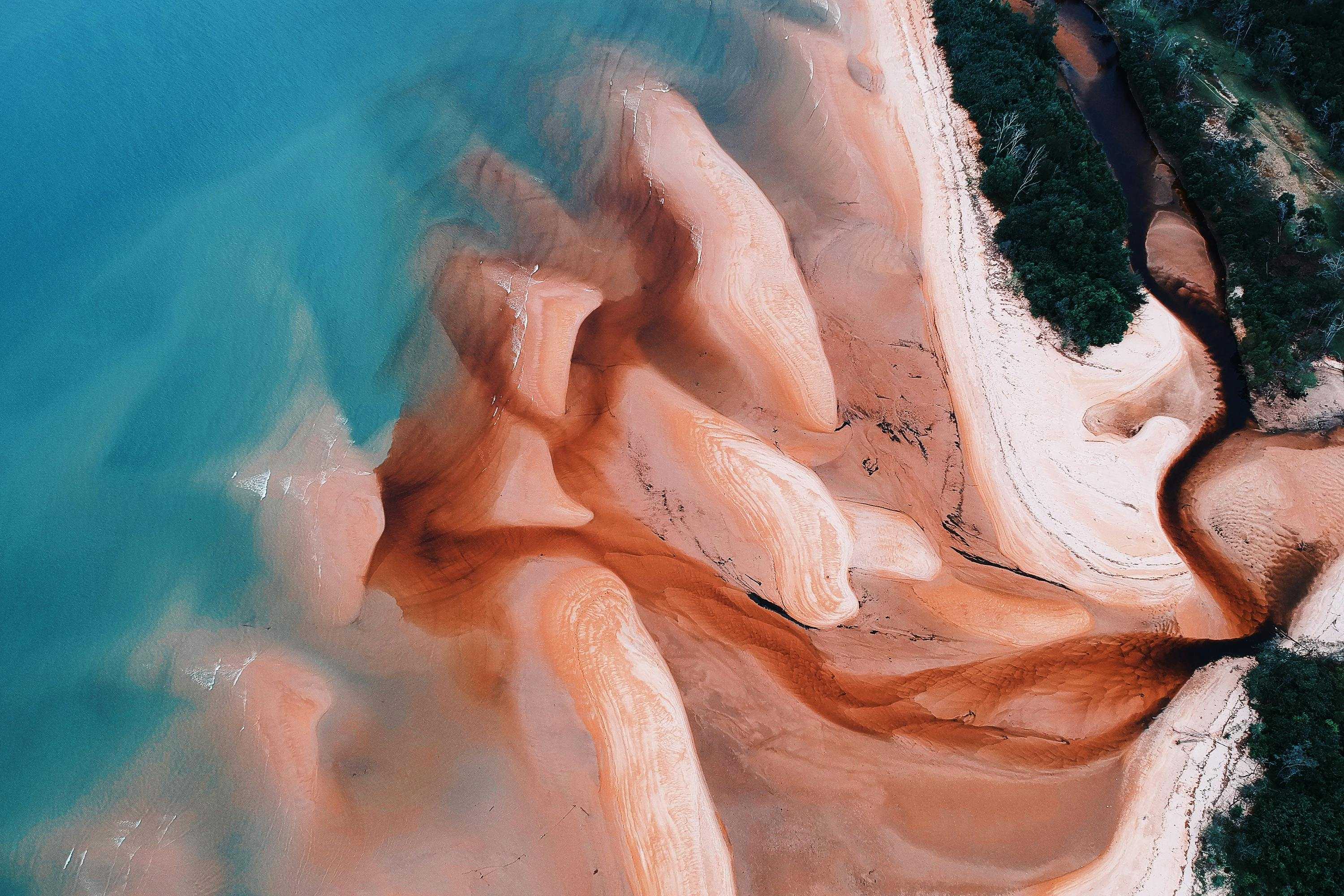
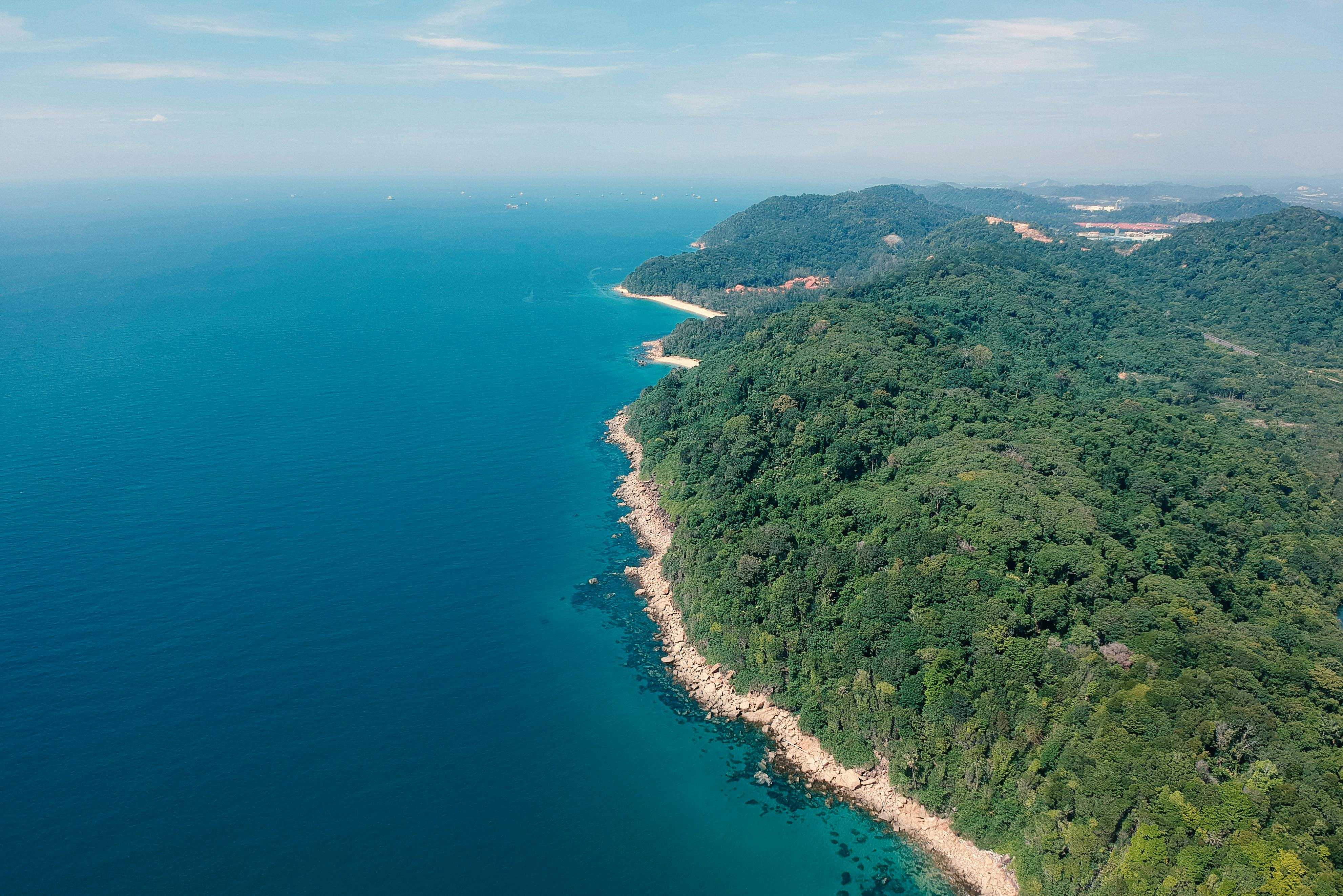
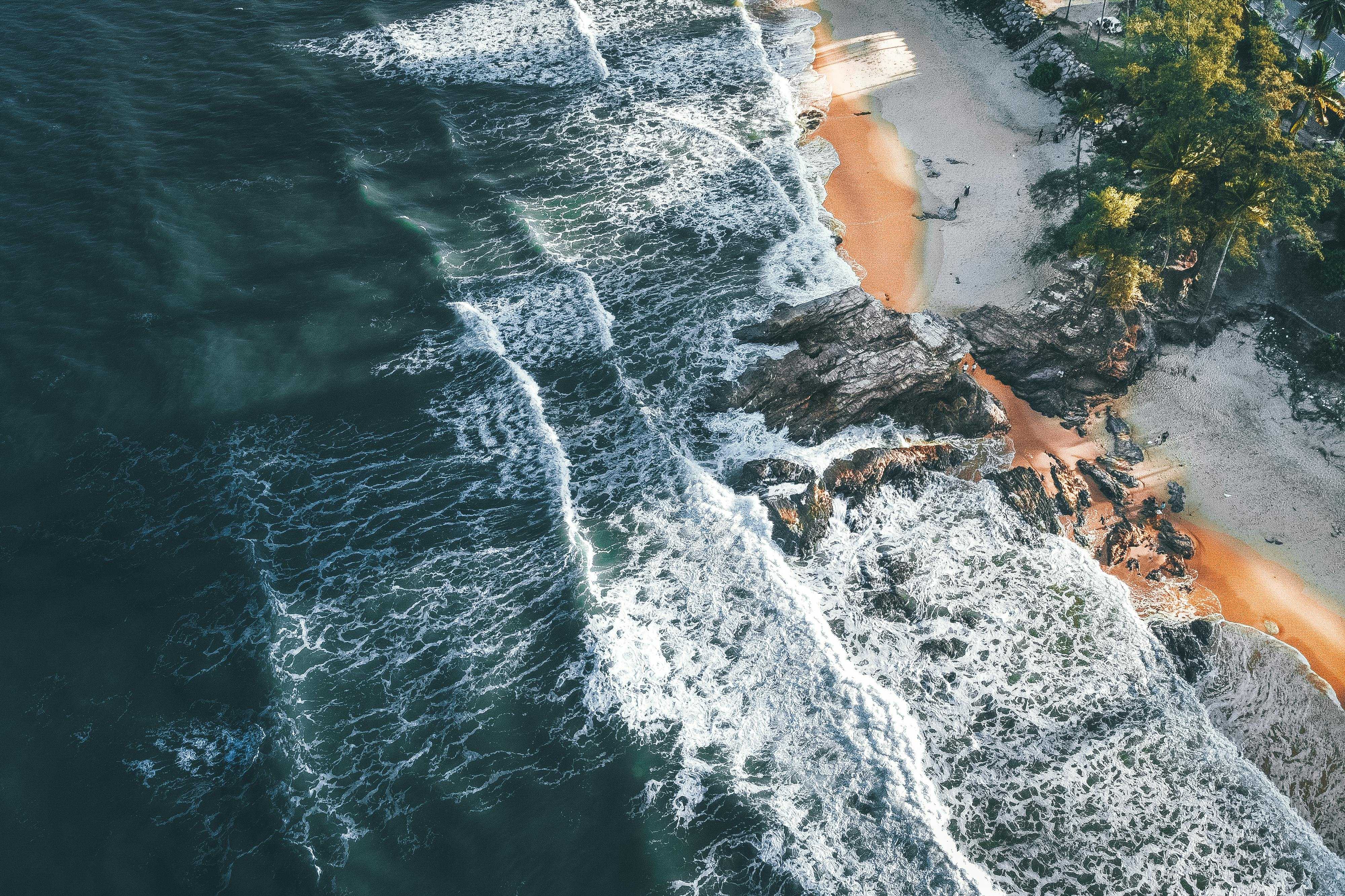
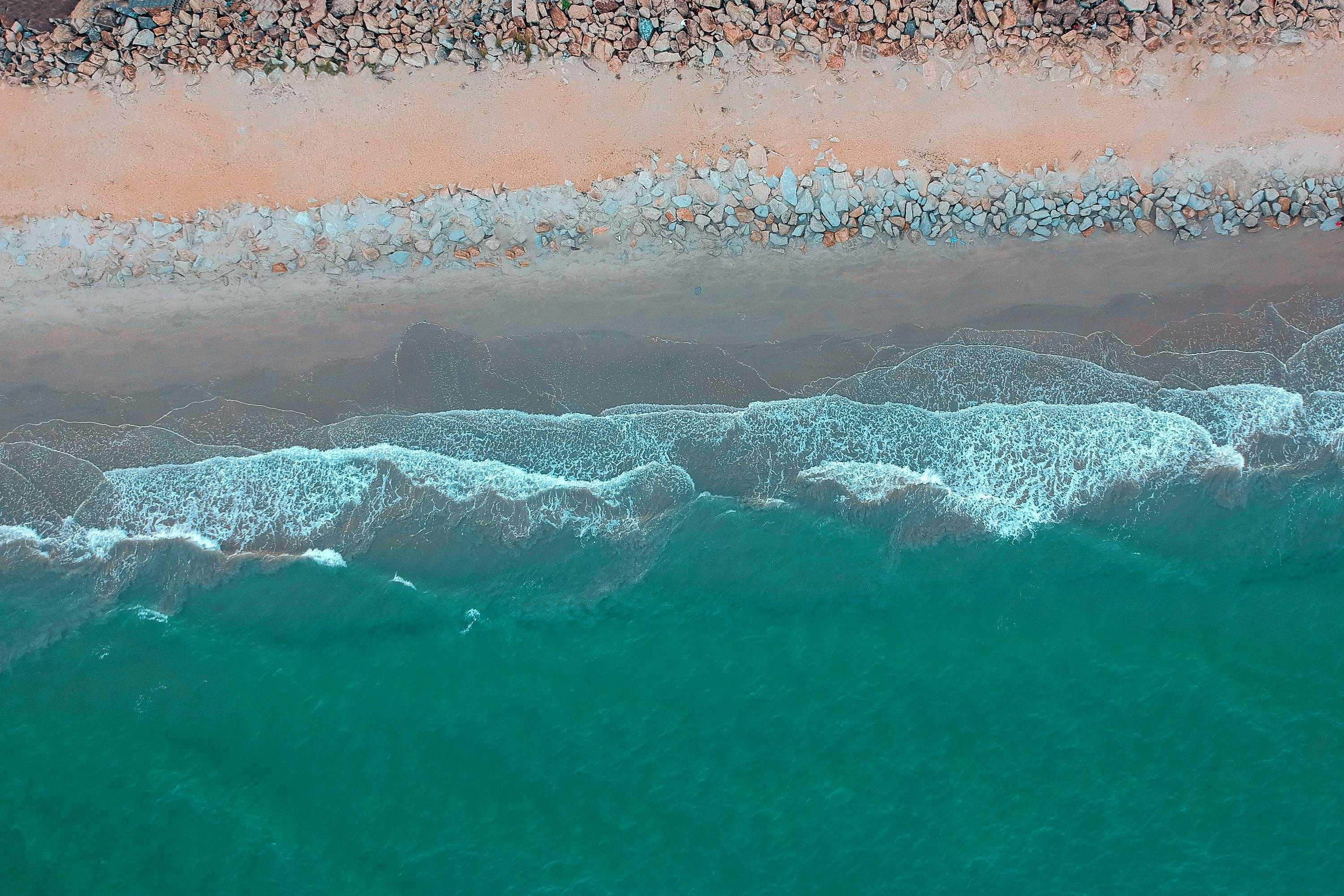
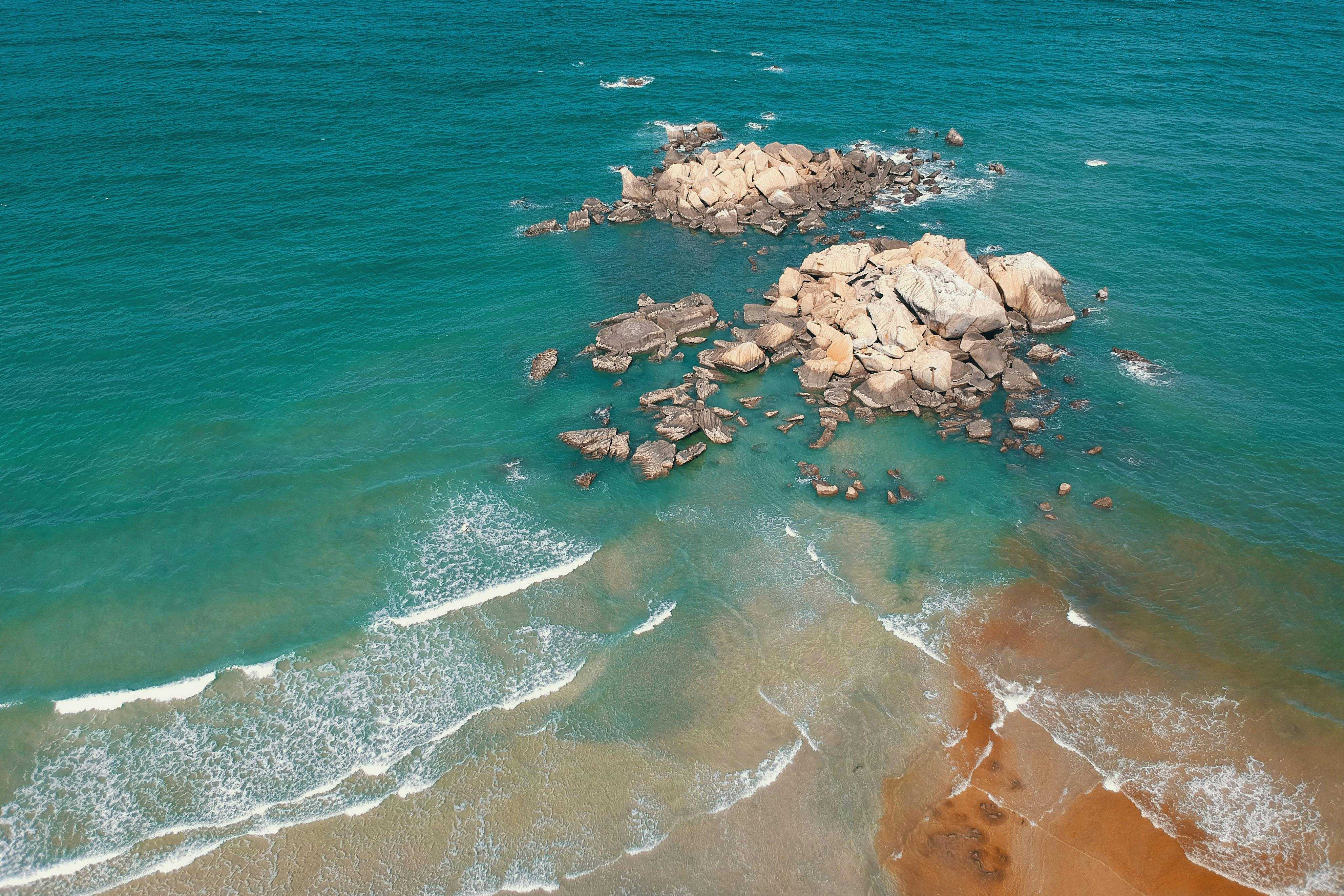
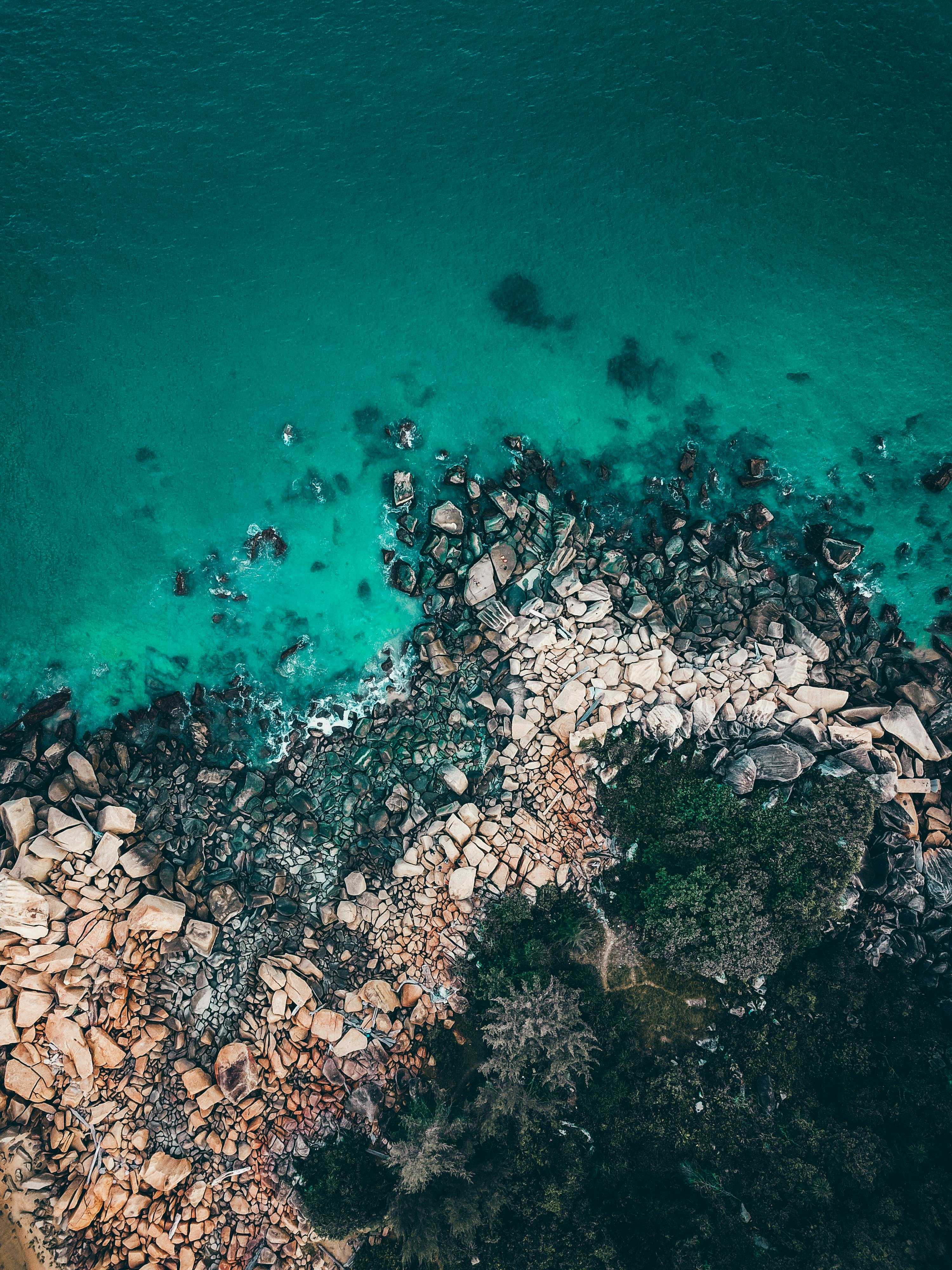
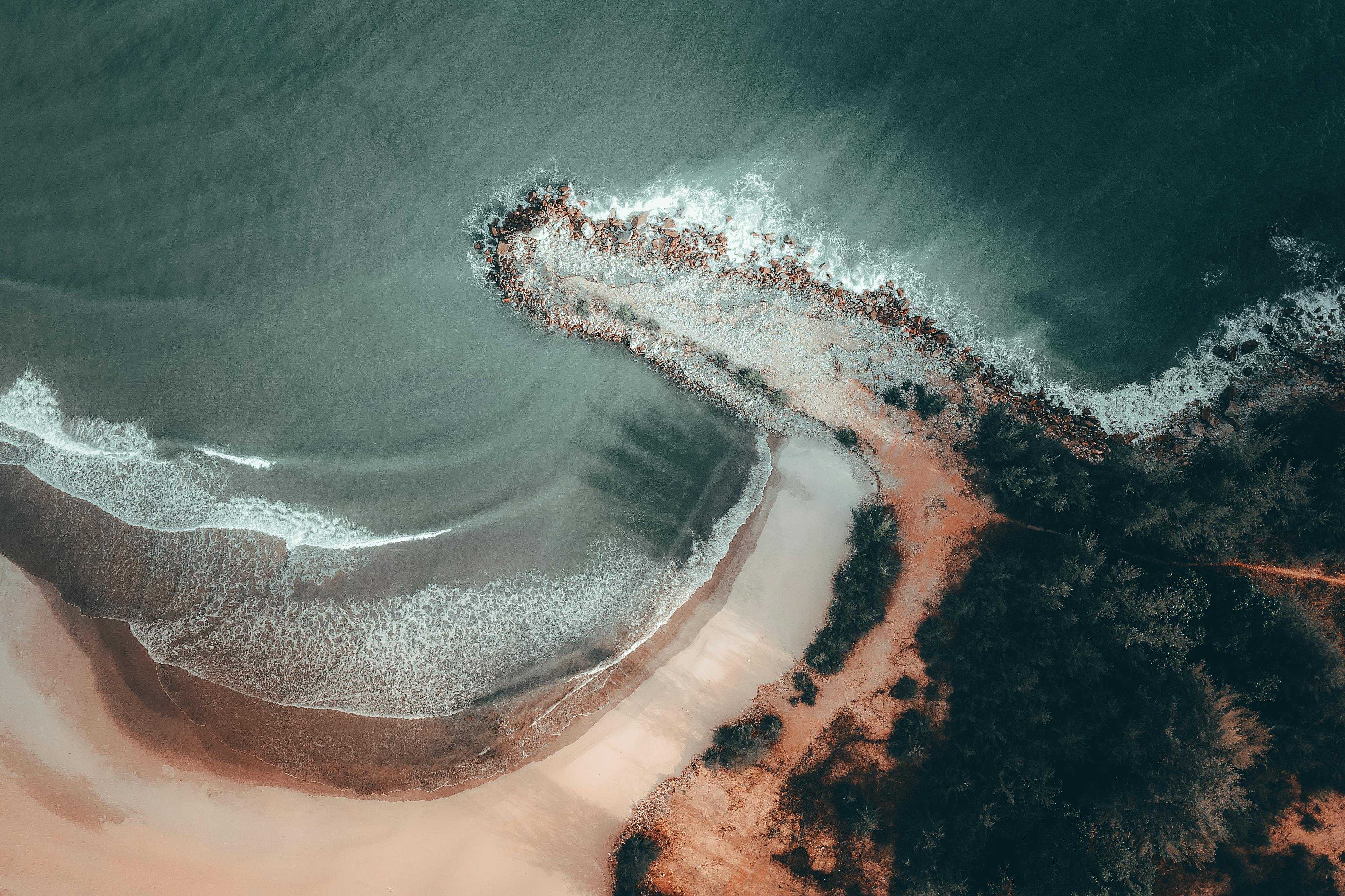
  1. Stunning Beaches: Terengganu is known for its pristine beaches such as Redang, Perhentian, and Kapas islands. These beaches offer crystal clear waters, white sandy shores, and vibrant marine life, making it an ideal destination for snorkeling, diving, and relaxing by the sea.

  2. Cultural Heritage: Terengganu boasts a rich cultural heritage with a blend of Malay, Chinese, and Siamese influences. Visitors can explore traditional Malay villages, visit historical sites such as the Crystal Mosque and Islamic Civilization Park, and experience local customs and traditions.

  3. Outdoor Activities: The region offers a range of outdoor activities for adventure seekers, including jungle trekking, bird watching, and river cruises. Visitors can explore the lush rainforests of Taman Negara National Park or go on a boat trip along the Terengganu River to discover the local flora and fauna.

  4. Delicious Cuisine: Terengganu is known for its delicious local cuisine, which includes fresh seafood dishes, traditional Malay dishes, and sweet treats like keropok lekor (fish crackers) and kaya toast. Visitors can sample authentic Terengganu flavors at local eateries, night markets, and food stalls.

  5. Arts and Crafts: Terengganu is famous for its traditional arts and crafts, including batik printing, songket weaving, and wood carving. Visitors can shop for unique handicrafts at local markets and workshops, and even participate in hands-on workshops to learn about these traditional art forms.

Overall, traveling to Terengganu offers a mix of natural beauty, cultural experiences, and outdoor adventures, making it a great destination for those looking to explore the diverse offerings of Malaysia.

Enjoy your trip to Terengganu!

What to know

There are a few potential cons of traveling to Terengganu in Malaysia.

  1. Weather: Terengganu experiences a tropical climate with high humidity and frequent rainfall, especially during the monsoon season from November to March. This may affect outdoor activities and sightseeing plans.

  2. Limited public transportation: Terengganu may not have as developed public transportation options compared to other popular tourist destinations in Malaysia. This could make it challenging to get around the area, especially if you are not familiar with the local transportation system.

  3. Language barrier: While English is widely spoken in tourist areas, you may encounter communication challenges in more remote or rural parts of Terengganu where the local dialect or Malay language is predominantly spoken.

  4. Limited nightlife: Terengganu is known for its natural beauty and cultural attractions rather than a vibrant nightlife scene. If you are looking for a bustling nightlife with clubs and bars, you may find Terengganu to be quieter in the evenings.

  5. Limited shopping options: While Terengganu offers unique local handicrafts and traditional products, it may not have as many shopping malls or international brands compared to other cities in Malaysia. Shopaholics may find the shopping options in Terengganu to be limited.

Overall, while Terengganu offers stunning beaches, rich cultural heritage, and a peaceful atmosphere, travelers should be aware of these potential cons when planning their trip to the region.

Terengganu, located on the eastern coast of Peninsular Malaysia, has a rich and diverse history that has been shaped by its geographic location, cultural interactions, and political developments. Here's a detailed history of Terengganu:

Early History

  • Prehistoric Era: Archeological evidence suggests human habitation in Terengganu dating back thousands of years. Stone tools and artifacts have been discovered in various parts of the state.
  • Malay Kingdoms: As part of the Malay Peninsula, Terengganu was influenced by early Malay kingdoms and was a crucial point for trade, due to its strategic location along the maritime routes.

Emergence of the Terengganu Sultanate

  • 14th Century: The earliest references to Terengganu appear in historical records around this time, with mentions of trade relations with the Majapahit Empire.
  • Islamic Influence: Islam was introduced to the region around the 14th to 15th centuries, significantly impacting its culture and governance. The Terengganu Inscription Stone, dated to 1303, is one of the earliest proofs of Islam in the region.

Colonial Period

  • 16th Century: Terengganu fell under the influence of the Malacca Sultanate and later the Johor Sultanate after the fall of Malacca to the Portuguese.
  • 18th Century: The Terengganu Sultanate was formally established, with Sultan Zainal Abidin I recognized as the first sultan. The state maintained relative independence but was influenced by Siam (Thailand).

British and Siamese Influence

  • 19th Century: Terengganu came under the suzerainty of Siam and later negotiated treaties with the British. In 1909, the Anglo-Siamese Treaty resulted in Terengganu becoming a British protectorate.
  • Colonial Administration: The British influence brought administrative changes, but the local rulers retained significant autonomy.

World War II and Post-War Era

  • Japanese Occupation: During World War II, Terengganu was occupied by Japanese forces from 1941 to 1945.
  • Post-War Developments: After the war, Terengganu became part of the Federation of Malaya in 1948, gaining independence along with the rest of Malaya in 1957.

Modern Era

  • State Development: Since independence, Terengganu has developed its economy, focusing on petroleum resources, tourism, and agriculture. The discovery of offshore oil in the 1970s significantly impacted the state's economy.
  • Cultural Preservation: The state is known for its rich cultural heritage, traditional crafts, and as a center for Malay culture and arts.

Significant Historical Figures

  • Sultan Zainal Abidin I: The first sultan of Terengganu, who established the sultanate in the 18th century.
  • Sultan Mahmud II: Ruler in the late 19th century, known for his efforts to maintain Terengganu's independence from colonial powers.

Important Landmarks

  • Masjid Terapung (Floating Mosque): An iconic mosque located in Kuala Terengganu, known for its unique design and location on the water.
  • Istana Maziah: A historical palace in Kuala Terengganu that serves as a venue for royal ceremonies and functions.
  • Terengganu State Museum: The largest museum in Malaysia, featuring exhibits on the state's history, culture, and natural resources.
  • Pulau Redang and Pulau Perhentian: Renowned islands popular for their beautiful beaches and marine biodiversity.
  • Terengganu Inscription Stone: A significant archaeological artifact that marks the early presence of Islam in the region.

Terengganu's history reflects its role as a crossroads of trade, religion, and culture, contributing to its unique identity within Malaysia.