
Takashima
· JP

Takashima

Takashima, Shiga, Japan

Escape to Takashima: Where Tranquility Meets Breathtaking Beauty on Lake Biwa Nestled on the western shores of Japan's largest lake, Biwa-ko, Takashima (Takashima, Shiga, Japan) is a haven for nature lovers and those see…

#Takashima#Shiga#Japan#Lake Biwa#Rural
1/3

Top hotels & flights

Hand-picked stays and the best fares into Takashima.

Top Hotels in Takashima

Top Flights to Takashima

Location videos

Real reels from travelers, plus longer watches to get the full picture.

From travelers
Watch & explore

Practical info

The essentials for planning your time in Takashima.

Currency
¥ | JPY | Japanese Yen
Population
Not Available
Languages
Japanese, Japanese
Average weather
Takashima
Jan
snow
6°0°
Feb
snow
7°0°
Mar
cloud
11°3°
Apr
rain
17°8°
May
cloud
22°13°
Jun
rain
26°18°
Jul
rain
30°23°
Aug
hot
32°24°
Sep
rain
28°20°
Oct
cloud
22°14°
Nov
cloud
16°8°
Dec
snow
10°3°

Local guide

What travelers love, what to watch for, and a deeper read on Takashima.

What people love

Takashima is a beautiful town located in Shiga Prefecture, Japan, known for its stunning natural scenery and cultural attractions. Here are some of the pros of traveling to Takashima:

  1. Lake Biwa: Takashima is situated on the shores of Lake Biwa, the largest lake in Japan. Visitors can enjoy a range of water activities such as boating, fishing, and swimming, as well as take in the picturesque views of the lake and surrounding mountains.

  2. Historical Sites: Takashima is home to several historical sites and cultural landmarks, including temples, shrines, and traditional Japanese houses. One of the must-visit attractions is the Chikubushima Shrine, located on a small island in Lake Biwa.

  3. Outdoor Adventures: The surrounding area of Takashima offers plenty of opportunities for outdoor activities such as hiking, cycling, and camping. The lush forests and rolling hills provide a peaceful and serene environment for nature lovers to explore.

  4. Local Cuisine: Takashima is known for its delicious local cuisine, including fresh seafood from Lake Biwa and traditional Shiga specialties. Visitors can enjoy a variety of dishes made with locally sourced ingredients at restaurants and cafes in the town.

  5. Relaxing Atmosphere: Takashima is a tranquil and peaceful town, perfect for those looking to escape the hustle and bustle of city life. The laid-back atmosphere, friendly locals, and beautiful surroundings make it an ideal destination for relaxation and rejuvenation.

Overall, Takashima offers a unique blend of natural beauty, cultural heritage, and outdoor adventures, making it a great destination for travelers looking to experience the charm of rural Japan.

What to know

There are a few potential cons to traveling to Takashima in Shiga, Japan:

  1. Limited public transportation: Takashima is a rural area, and public transportation options may be limited compared to larger cities in Japan. This could make it more challenging to get around and explore the area without a car.

  2. Limited tourist infrastructure: Takashima is not as developed for tourism as other popular destinations in Japan. This means there may be fewer accommodation options, restaurants, and tourist attractions compared to more touristy areas.

  3. Language barrier: In a less touristy area like Takashima, you may encounter fewer English speakers compared to major cities in Japan. This could make communication and navigation more challenging if you do not speak Japanese.

  4. Limited entertainment options: Takashima is a more rural area, so there may be fewer entertainment options such as shopping centers, nightlife, and cultural activities compared to larger cities.

Overall, while Takashima offers beautiful natural scenery and a more peaceful atmosphere, travelers should be aware of these potential limitations when planning a trip to the area.

Takashima is a city located in Shiga Prefecture, Japan. It is situated on the western shore of Lake Biwa, the largest freshwater lake in Japan. The city is known for its natural beauty, historical sites, and cultural heritage.

Historical Overview

  1. Ancient and Feudal Periods:

    • Takashima has a long history that dates back to ancient times. The region was historically part of the province of Ōmi.
    • During the feudal period, the area of present-day Takashima was under the control of various samurai clans. It became strategically important due to its proximity to Lake Biwa and its location along the routes connecting Kyoto with the Hokuriku region.
  2. Edo Period:

    • The Edo period (1603–1868) saw the development of villages and towns in the area, with agriculture and fishing being the main economic activities.
    • The region was known for its production of goods such as rice and textiles.
  3. Meiji Restoration and Modernization:

    • With the Meiji Restoration in 1868, Japan underwent rapid modernization. The traditional domains were abolished and replaced with prefectures, leading to the formation of Shiga Prefecture.
    • The region continued to develop infrastructure and industry.
  4. Post-War Period:

    • After World War II, Japan experienced economic growth, which led to significant changes in rural areas like Takashima. Urbanization and modernization brought new industries and improved living standards.
  5. City Formation:

    • The modern city of Takashima was established on January 1, 2005, through the merger of several towns: Takashima, Adogawa, Imazu, Makino, Shin'Asahi, and Kutsuki.

Significant Figures

  • The Azai Clan: Although primarily associated with Nagahama, the Azai clan played a role in the broader region, including areas around Lake Biwa.
  • Local Leaders and Samurai: Various local leaders throughout history have contributed to the development and protection of the region.

Important Landmarks

  1. Lake Biwa:

    • As the largest freshwater lake in Japan, Lake Biwa is a significant natural landmark that influences the culture, economy, and environment of Takashima.
  2. Metasequoia Namiki:

    • A famous tree-lined road in Makino, known for its beautiful scenery, especially in autumn when the leaves change color.
  3. Shirahige Shrine:

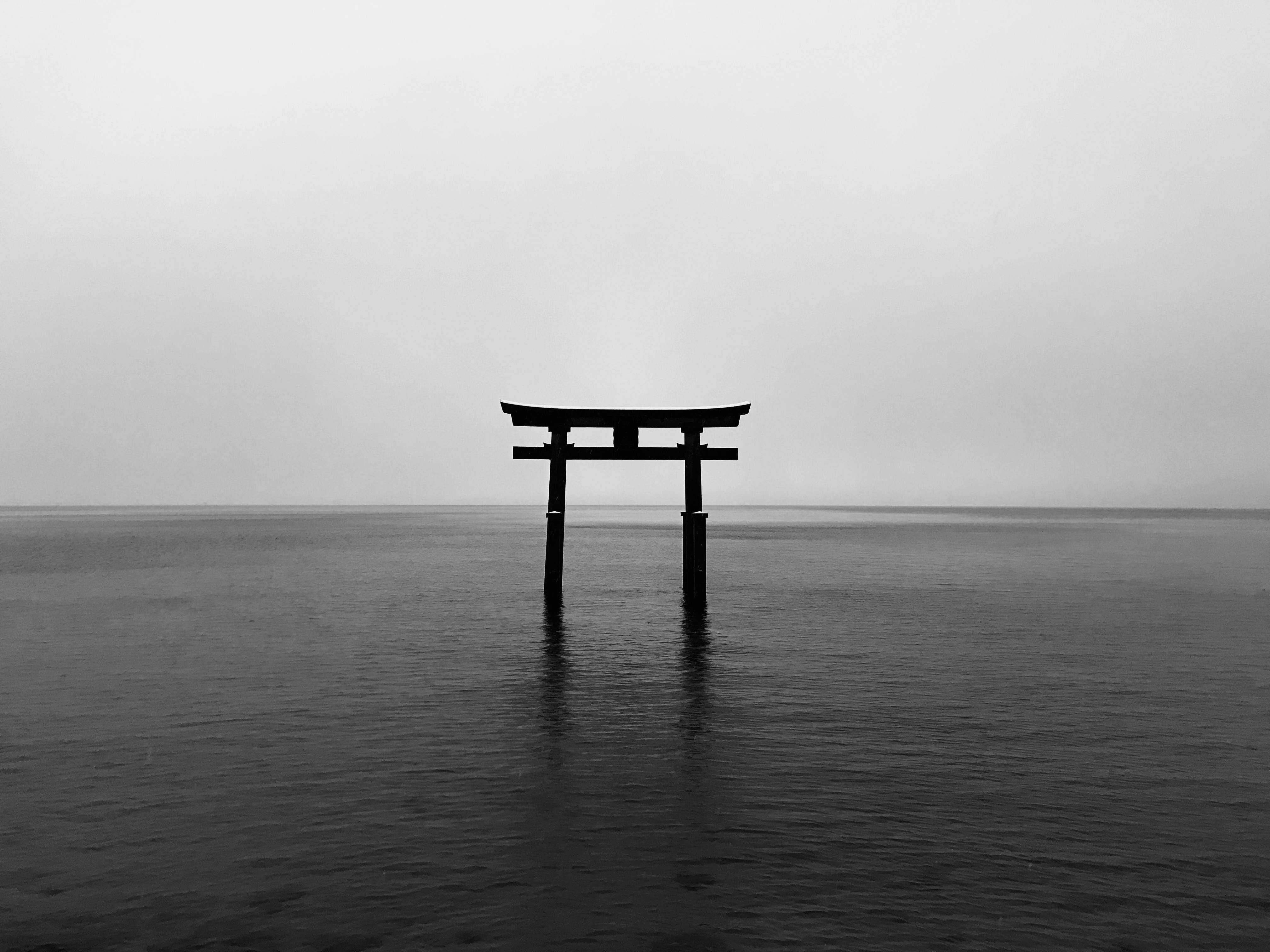
    • An ancient Shinto shrine located on the shores of Lake Biwa. It is famous for its torii gate that stands in the water, reminiscent of the Itsukushima Shrine in Hiroshima.
  4. Chikubu Island:

    • Though technically part of Nagahama city, this island in Lake Biwa is accessible from Takashima and features historical sites like Hogonji Temple.
  5. Omi-Takashima Station:

    • A railway station that serves as a key transport hub in the area, connecting Takashima to other parts of Shiga Prefecture and beyond.

Overall, Takashima is a city with a rich cultural and historical heritage, deeply connected to the natural beauty of Lake Biwa and the surrounding landscapes. It continues to be a place of interest for visitors seeking to explore the historical and natural attractions of Shiga Prefecture.