
Taguig
· PH

Taguig

Taguig, Philippines

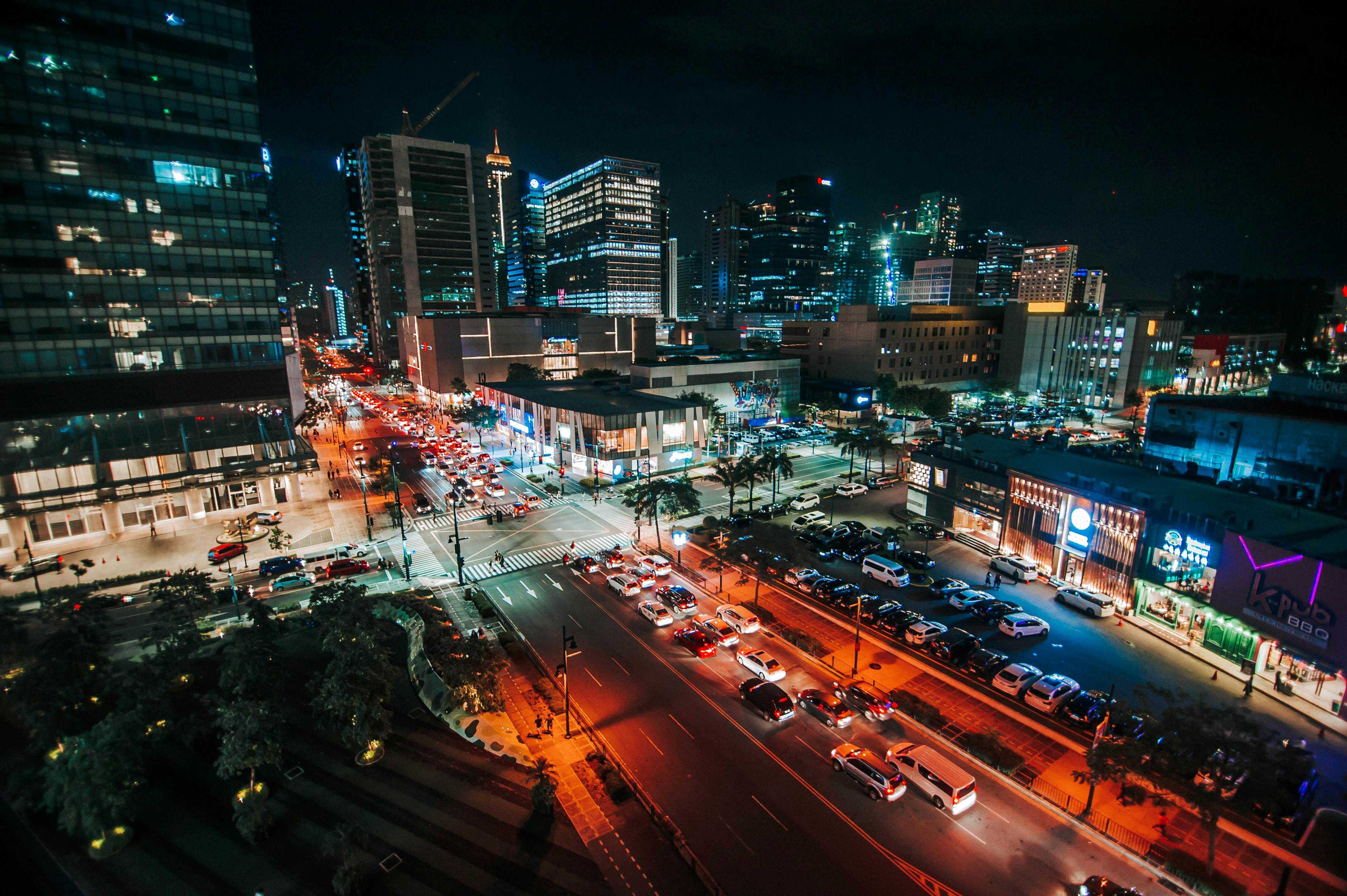
Dive into the Dynamic Heart of Metro Manila: Taguig Awaits! Gone are the days when Taguig was just a sleepy fishing town. Today, it stands tall as a vibrant testament to the Philippines' booming economy and cultural fusi…

#urban#developing city#business district#cosmopolitan#high-end residential area
1/8

Top hotels & flights

Hand-picked stays and the best fares into Taguig.

Top Hotels in Taguig

Top Flights to Taguig

Location videos

Real reels from travelers, plus longer watches to get the full picture.

From travelers
Watch & explore

Practical info

The essentials for planning your time in Taguig.

Currency
₱ | PHP | Philippine Peso
Population
1.2 million
Languages
Filipino, Filipino, English, Tagalog

Local guide

What travelers love, what to watch for, and a deeper read on Taguig.

What people love

Taguig, located in the Philippines, is a vibrant city with a mix of modern development and traditional charm. Here are some pros of traveling to Taguig:

  1. Bonifacio Global City (BGC): Taguig is home to the Bonifacio Global City, a bustling financial and lifestyle district known for its skyscrapers, shopping centers, and dining options. BGC offers a mix of green spaces, art installations, and a lively nightlife scene.

  2. High-end shopping: Taguig is known for its upscale shopping destinations such as SM Aura Premier, Market! Market!, and Uptown Mall. These malls offer a wide range of local and international fashion brands, as well as dining and entertainment options.

  3. Cultural attractions: Taguig is rich in culture and history, with attractions such as the Philippine Veterans Museum, The Mind Museum, and the American Cemetery and Memorial. Visitors can learn about the country's heritage and explore exhibits on various topics.

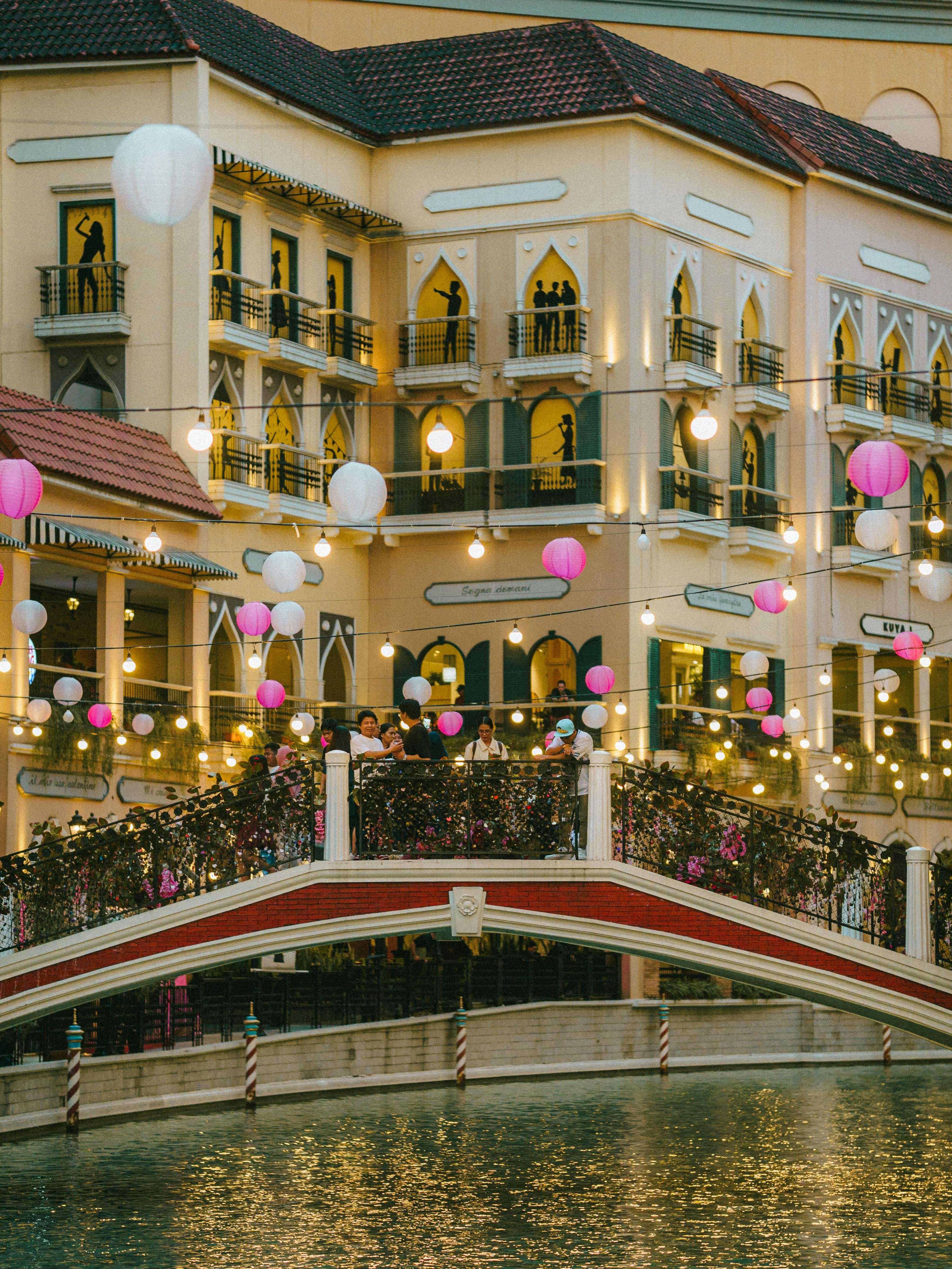
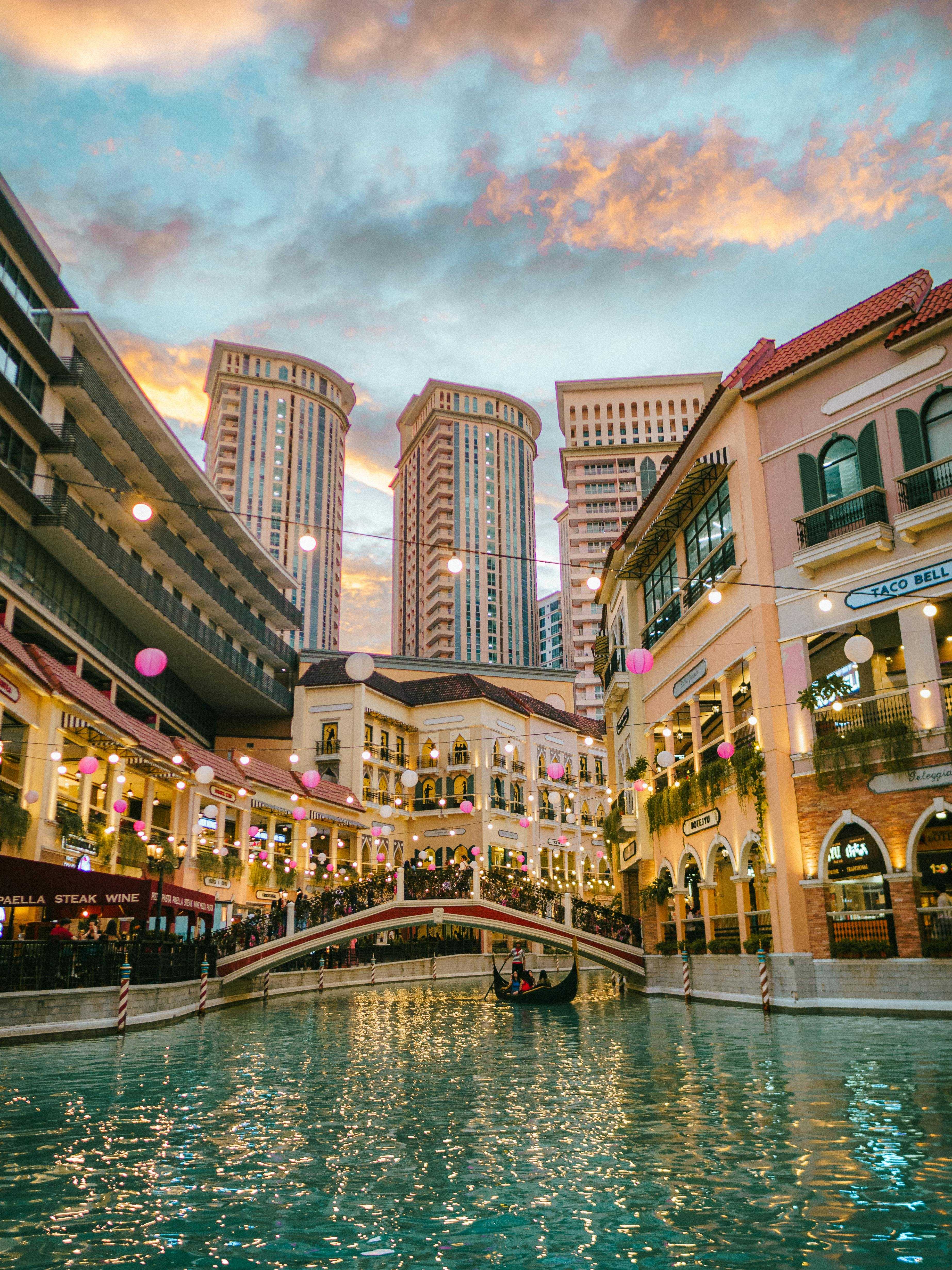
  4. Outdoor activities: Taguig offers various outdoor activities for nature lovers and adventure enthusiasts. Visitors can explore the lush green spaces of parks like Track 30th and Terra 28th, go biking or jogging along the Bonifacio High Street, or enjoy a relaxing boat ride at the Venice Grand Canal Mall.

  5. Accessibility: Taguig is conveniently located near the Ninoy Aquino International Airport, making it a convenient base for travelers arriving in or departing from Manila. The city is also well-connected by public transportation, including buses, jeepneys, and taxis.

Overall, traveling to Taguig offers a mix of modern amenities, cultural experiences, and outdoor activities, making it a dynamic destination for visitors seeking a diverse travel experience.

What to know

Taguig is a vibrant city in the Philippines known for its modern developments, shopping centers, and dining options. However, like any other destination, there are some potential drawbacks to traveling to Taguig:

  1. Traffic congestion: Taguig, like many cities in the Philippines, can experience heavy traffic congestion, especially during rush hours. Navigating through the city can be time-consuming, and travelers may face delays when trying to reach their destinations.

  2. Pollution: With the high volume of vehicles on the road and rapid urbanization, pollution levels in Taguig can be a concern. Poor air quality can be a health risk, particularly for individuals with respiratory issues.

  3. Noise and crowds: Taguig is a bustling city with a significant population, which can lead to noise and crowds in certain areas. Travelers seeking a quiet and peaceful environment may find the city overwhelming at times.

  4. Limited public transportation options: While there are public transportation options available in Taguig, such as buses and jeepneys, the coverage may not be as extensive or efficient compared to other cities. This can make getting around the city more challenging for travelers.

  5. Safety concerns: Like any urban area, travelers should be mindful of their surroundings and take precautions against petty crimes such as pickpocketing and scams. It's advisable to stay alert and be cautious, especially in crowded areas and tourist spots.

Overall, despite these potential drawbacks, Taguig remains a popular destination for both leisure and business travelers. With proper planning and precautions, visitors can still enjoy all that the city has to offer.

Taguig, located in the southeastern part of Metro Manila in the Philippines, has a rich history that dates back to pre-colonial times and has evolved significantly over the centuries.

Early History

  • Pre-colonial Period: Before the arrival of the Spaniards, Taguig was a part of the Kingdom of Namayan, a confederation of barangays (small communities) along the Pasig River. The area was inhabited by various ethnic groups, including the Tagalog people.

Spanish Colonial Period

  • Establishment as a Pueblo: The Spanish colonial government established Taguig as a "pueblo" or town in 1587. The town was initially part of the province of Manila.
  • Religious Influence: The Augustinians, a Catholic religious order, played a significant role in the Christianization of the area. They built the Santa Ana de Sapa Church, which became a center for religious activities.
  • Agricultural Development: During this period, Taguig was primarily an agricultural area, with rice and other crops being cultivated.

American and Japanese Occupations

  • American Period: Following the Spanish-American War, the Philippines came under American control. Taguig, like many other areas, experienced changes in administration and infrastructure development.
  • World War II: Taguig was occupied by Japanese forces during World War II. It was later liberated by Allied forces, with participation from Filipino guerrillas.

Post-Independence

  • Urbanization: After the Philippines gained independence in 1946, Taguig began to urbanize gradually. The construction of roads and infrastructure facilitated this transformation.
  • Establishment of Fort Bonifacio: In 1957, the area known as Fort McKinley was renamed Fort Bonifacio in honor of Filipino revolutionary leader Andres Bonifacio. It became a major military camp and later a thriving urban center.

Modern Development

  • Global City Development: In the late 1990s, the development of Bonifacio Global City (BGC) began, transforming former military land into a modern business district. BGC is now one of the most significant financial and commercial centers in the Philippines.
  • Cityhood: In December 2004, Taguig was converted from a municipality into a highly urbanized city, marking a significant milestone in its development.

Notable Figures

  • Andres Bonifacio: Although not from Taguig, his legacy is closely tied to the city due to the naming of Fort Bonifacio.
  • Dante Tiñga: A notable figure in Taguig's political landscape, having served as an associate justice of the Supreme Court and as a congressman.

Landmarks

  • Bonifacio Global City (BGC): A central business district known for its modern buildings, shopping centers, and cultural sites.
  • Venice Grand Canal Mall: A popular shopping and dining destination with a unique Venetian-inspired design.
  • The Mind Museum: A science museum located in BGC that offers interactive exhibits and educational programs.
  • Libingan ng mga Bayani: A national cemetery dedicated to Filipino soldiers and heroes, including those who served in World War II.

Taguig's transformation from an agricultural town to a modern urban city reflects the broader historical and economic changes in the Philippines. The city's continuous development and strategic location make it a vital part of Metro Manila's growth.