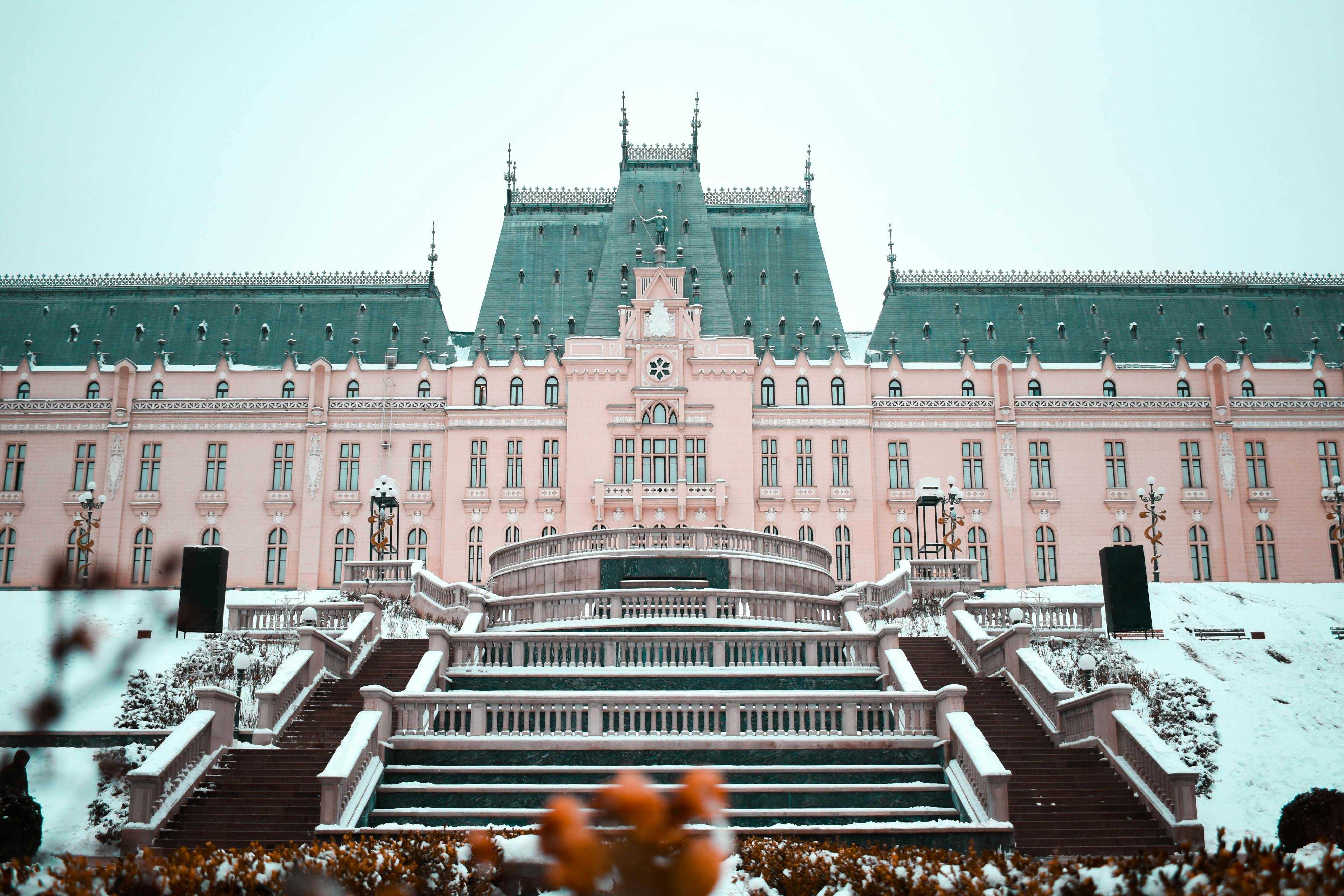

Szombathely
· HU

Szombathely

Szombathely, Vas, Hungary

Journey to the Heart of Roman Hungary: Discover Szombathely Step back in time and immerse yourself in the captivating history and vibrant culture of Szombathely, the oldest city in Hungary. Nestled amidst the rolling hil…

#Historic#Cultural#Roman Ruins#Baroque Architecture#Birthplace of Savaria
1/1

Top hotels & flights

Hand-picked stays and the best fares into Szombathely.

Top Hotels in Szombathely

Top Flights to Szombathely

Location videos

Real reels from travelers, plus longer watches to get the full picture.

From travelers
Watch & explore

Practical info

The essentials for planning your time in Szombathely.

Currency
Ft | HUF | Hungarian Forint
Population
79,000
Languages
Hungarian, Croatian, German, Serbian
Average weather
Szombathely
Jan
snow
3°-3°
Feb
cold
5°-2°
Mar
cloud
10°1°
Apr
rain
15°5°
May
cloud
20°10°
Jun
sun
24°14°
Jul
hot
27°16°
Aug
hot
27°15°
Sep
clear
22°12°
Oct
rain
15°7°
Nov
cloud
8°2°
Dec
snow
4°-1°

Local guide

What travelers love, what to watch for, and a deeper read on Szombathely.

What people love

Szombathely, located in the Vas region of Hungary, offers a unique and charming travel destination with several pros for visitors:

  1. Historical and Cultural Attractions: Szombathely is one of Hungary's oldest and most historic cities, with a rich heritage dating back to Roman times. Visitors can explore the city's museums, galleries, and historic sites such as the Iseum Savariense archaeological park, the Cathedral of Szombathely, and the Bishop's Palace.

  2. Thermal Spa Experience: Szombathely is known for its thermal spas, offering visitors a relaxing and rejuvenating experience. The city's thermal baths provide a perfect opportunity to unwind and enjoy the healing properties of the mineral-rich waters.

  3. Beautiful Architecture: The city boasts a mix of architectural styles, from Roman ruins to Baroque and Art Nouveau buildings, creating a picturesque and diverse cityscape for visitors to explore.

  4. Culinary Delights: Szombathely offers a range of traditional Hungarian cuisine, including hearty stews, savory pastries, and delicious desserts. Visitors can sample local dishes at the city's restaurants and cafes, providing a delightful culinary experience.

  5. Natural Beauty: The surrounding Vas region features stunning natural landscapes, including rolling hills, vineyards, and forests, making it an ideal destination for outdoor enthusiasts interested in hiking, cycling, and exploring the great outdoors.

Overall, traveling to Szombathely offers visitors a blend of history, culture, relaxation, and natural beauty, making it a delightful destination for those seeking a unique Hungarian experience.

What to know

Szombathely, located in Vas County, Hungary, is a charming city with a rich history and several attractions to offer visitors. However, like any destination, there are some potential cons to consider when traveling to Szombathely:

  1. Limited public transportation options: Szombathely is not a large city, and as a result, public transportation options may be limited compared to larger cities. This could make it challenging to navigate the city without a car.

  2. Language barrier: While some residents in Szombathely may speak English or other languages, Hungarian is the primary language spoken in the region. This could pose a challenge for travelers who do not speak Hungarian and may lead to difficulties in communication.

  3. Limited nightlife and entertainment options: Szombathely is a smaller city compared to other popular tourist destinations in Hungary, so the nightlife and entertainment options may be more limited. Travelers looking for a vibrant nightlife scene may find Szombathely to be relatively quiet in the evenings.

  4. Seasonal weather variations: Like many European cities, Szombathely experiences seasonal weather variations. Travelers should be prepared for cold winters and hot summers, which may impact outdoor activities and sightseeing plans.

  5. Limited tourist infrastructure: Szombathely is not as heavily visited by tourists as other cities in Hungary, so the tourist infrastructure may be less developed. This could result in fewer amenities and services catering specifically to tourists.

Overall, while Szombathely has much to offer in terms of history and culture, travelers should be aware of these potential cons when planning a visit to the city.

Szombathely, located in Vas County, Hungary, is a city with a rich historical tapestry that dates back over two millennia. Here is a detailed history of Szombathely, including significant events, historical figures, and important landmarks:

Ancient and Roman History

  • Foundation and Roman Era: Szombathely, originally known as Savaria, was founded by the Romans in 45 AD during the reign of Emperor Claudius. It was the first Roman city in present-day Hungary and served as a key administrative center in the province of Pannonia. Savaria was strategically positioned on the Amber Road, a major trade route connecting the Baltic Sea to the Mediterranean.

  • St. Martin of Tours: Savaria is traditionally considered the birthplace of St. Martin of Tours, one of the most well-known saints in Christianity, born around 316 AD. He became the bishop of Tours and is famous for his acts of charity and the legend of cutting his cloak in half to share with a beggar.

  • Destruction and Decline: The city suffered significant damage due to a major earthquake in 456 AD, followed by invasions by various tribes, leading to its decline.

Medieval Period

  • Re-establishment: After the Roman decline, the area was resettled by Slavs and later became part of the Kingdom of Hungary. Szombathely was re-established as a fortified settlement in the medieval period.

  • 14th Century: It became an important market town, as indicated by its name, which translates to "Saturday Market" in Hungarian.

Early Modern Period

  • Turkish Wars: Szombathely was affected by the Ottoman-Habsburg wars in the 16th and 17th centuries, experiencing periods of occupation and destruction.

  • Rebuilding and Growth: Following the Ottoman expulsion, Szombathely was rebuilt and grew in importance as a regional center.

  • Bishopric: In 1777, the Diocese of Szombathely was established by Maria Theresa of Austria, elevating its status and leading to significant architectural development.

19th and 20th Centuries

  • Development: The 19th century brought industrialization and modernization. The railway reached Szombathely in 1865, enhancing its connectivity and economic growth.

  • World Wars: Szombathely was affected by both World Wars. During World War II, it suffered bombing raids, and post-war border changes altered its regional significance.

  • Communism and Revolution: After WWII, Hungary became a communist state, and Szombathely saw industrial expansion. The 1956 Revolution against Soviet rule saw activity in the city, but was eventually suppressed.

Contemporary Period

  • Post-Communism: Since the fall of communism in 1989, Szombathely has developed into a cultural and economic hub in western Hungary.

Important Landmarks

  • Savaria Museum: Showcases the city's Roman history with archaeological artifacts.
  • Iseum Savariense: A reconstructed Roman temple dedicated to the goddess Isis, reflecting the city's ancient past.
  • Székesegyház (Cathedral of Szombathely): An impressive Baroque cathedral built in the late 18th century.
  • Bishop's Palace: A notable example of Baroque architecture, serving as the residence of the bishops of Szombathely.
  • Historical City Center: Features a mix of architectural styles from different periods, with charming streets and squares.

Notable Figures

  • St. Martin of Tours: A significant religious figure in Christianity, born in Szombathely.
  • Leó Weiner: A prominent Hungarian composer and music educator born in Szombathely.

Szombathely continues to be a city that celebrates its rich history while looking towards the future, maintaining its status as a cultural and economic center in Hungary.