





Top hotels & flights
Hand-picked stays and the best fares into Susques.
Top Hotels in Susques
Top Flights to Susques
Location videos
Real reels from travelers, plus longer watches to get the full picture.
Practical info
The essentials for planning your time in Susques.


Local guide
What travelers love, what to watch for, and a deeper read on Susques.
What people love
Traveling to Susques, located in Jujuy, Argentina, offers several unique advantages that make it an appealing destination, particularly for those interested in exploring remote and culturally rich areas. Here are some of the pros of visiting Susques:
-
Cultural Experience: Susques is a small town with a significant indigenous population, primarily of the Kolla people. Visitors can experience traditional Andean culture, participate in local festivals, and see authentic ways of life that have been preserved over centuries.
-
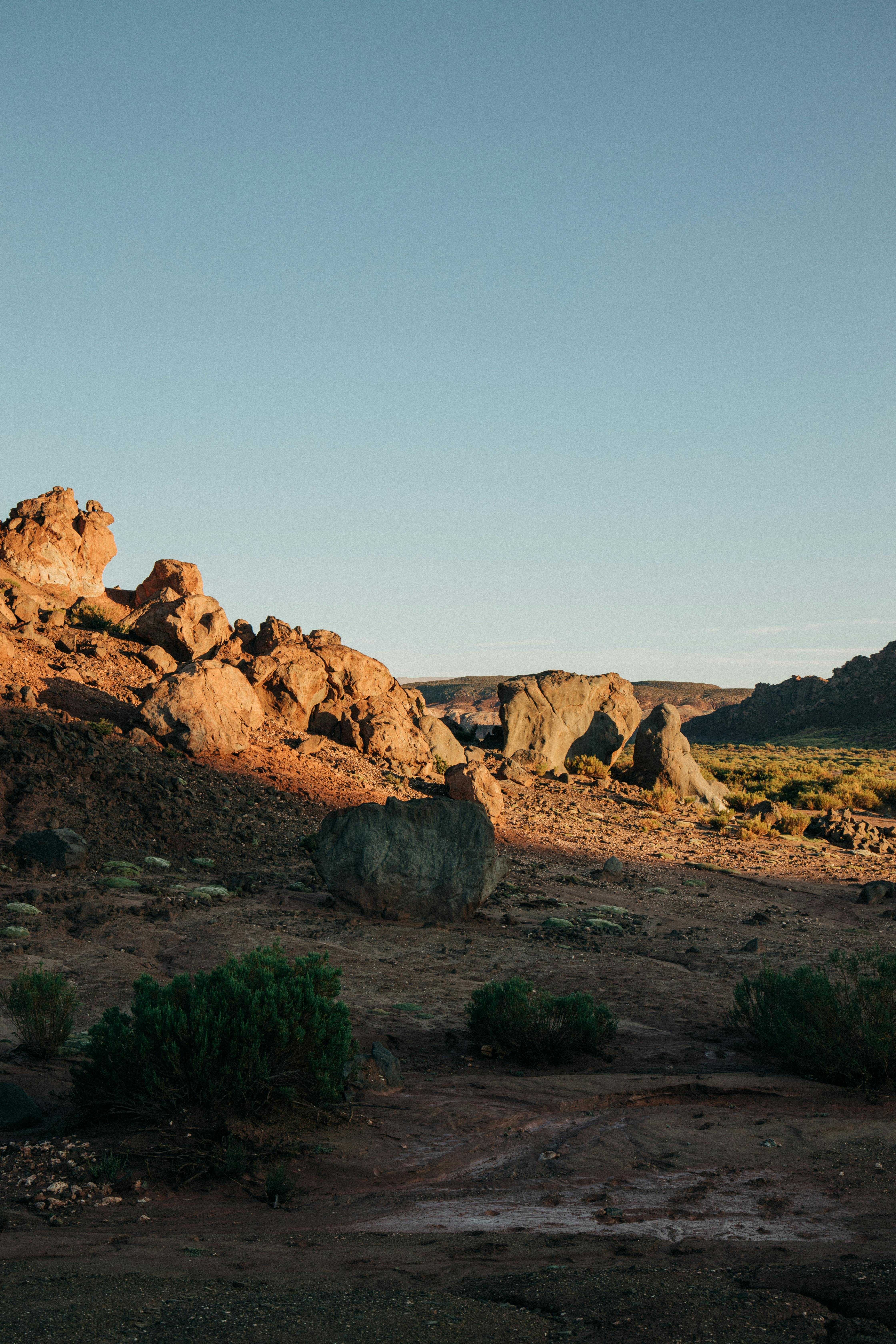
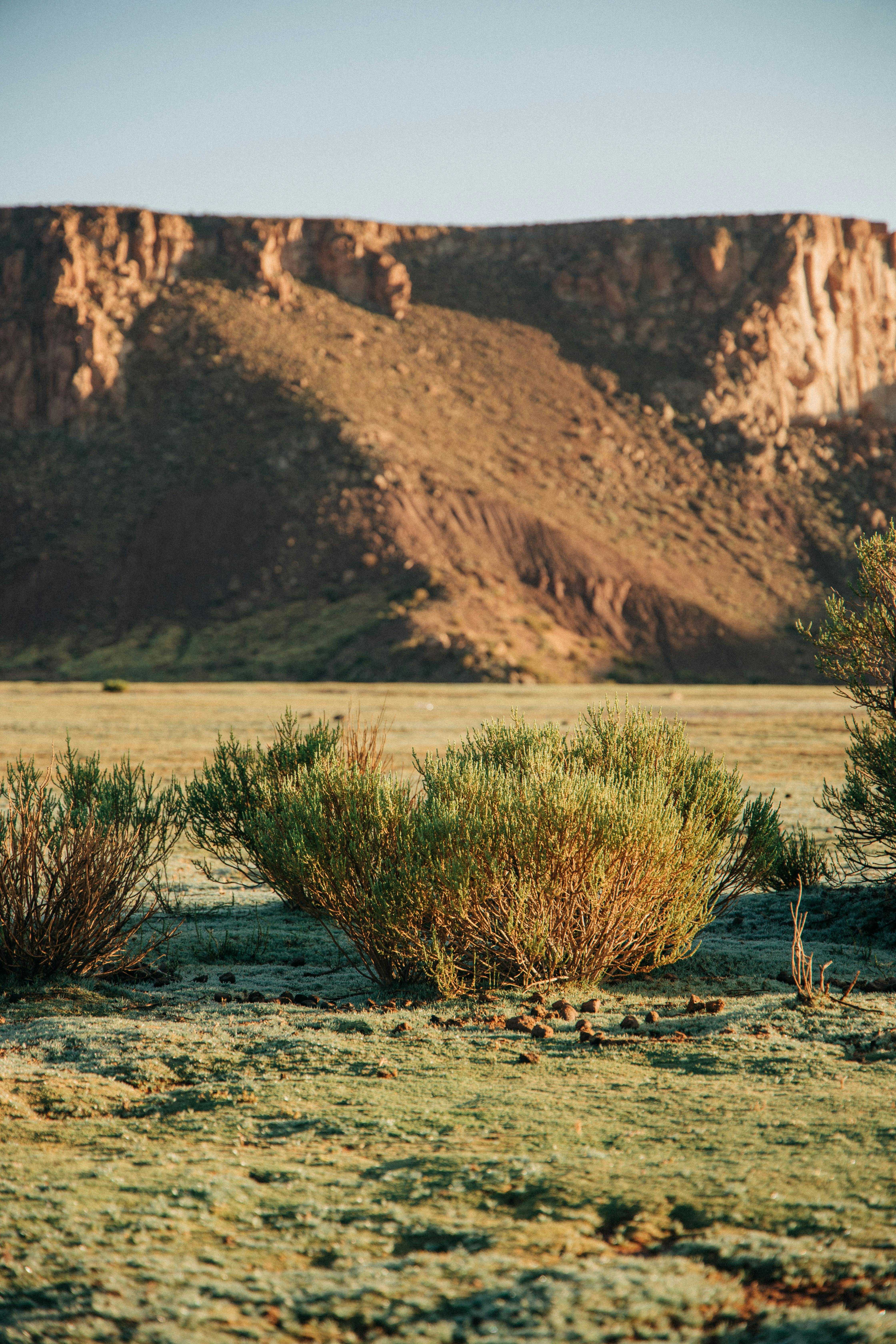
Scenic Landscapes: The region around Susques is characterized by stunning high-altitude landscapes, including the Andes Mountains, salt flats, and colorful rock formations. This makes it a great destination for photographers and nature lovers.
-
Proximity to Natural Attractions: Susques is a gateway to some of the most spectacular natural attractions in the region, such as the Salinas Grandes salt flats and the vast altiplano. These areas offer opportunities for exploration and adventure.
-
Adventure Tourism: The rugged terrain and high altitudes provide excellent opportunities for adventure activities like hiking, mountain biking, and off-road driving. The challenging environment attracts those looking for an outdoor adventure experience.
-
Tranquility and Isolation: As a remote town, Susques offers peace and quiet away from the hustle and bustle of more touristy destinations. It is ideal for travelers seeking a serene environment to relax and unwind.
-
Unique Architecture: The town features traditional adobe buildings and a historic church, the Iglesia de Santa Rosa de Lima, which dates back to the 16th century. This offers a glimpse into the colonial history and architectural styles of the region.
-
Stargazing: Due to its high altitude and low light pollution, Susques is an excellent location for stargazing. The clear night skies provide a spectacular view of stars and astronomical phenomena.
-
Culinary Experience: Visitors can try traditional Andean cuisine, which includes ingredients like quinoa, llama meat, and local potatoes, offering a unique and authentic culinary experience.
These aspects make Susques a worthwhile destination for those interested in a rich cultural experience combined with natural beauty and adventure opportunities.
What to know
Traveling to Susques, located in Jujuy, Argentina, can have several potential drawbacks or cons, depending on your perspective and travel preferences. Here are some considerations:
-
Remote Location: Susques is a small town in a remote part of Argentina. This can make it difficult to access, as there may be limited transportation options. The journey to Susques can be long and require careful planning.
-
Limited Infrastructure: Being a small town, Susques may have limited infrastructure in terms of accommodation, dining, and medical facilities. Travelers might find fewer options for hotels or restaurants compared to larger cities.
-
Altitude: Susques is located at a high altitude (approximately 3,675 meters or 12,057 feet above sea level). Travelers not accustomed to high altitudes may experience altitude sickness, which can cause symptoms like headaches, nausea, and dizziness.
-
Weather Conditions: The climate can be harsh, with potentially cold temperatures, especially at night. Travelers should be prepared for variable weather conditions and pack accordingly.
-
Limited Attractions and Activities: While Susques may offer unique cultural and natural attractions, such as local churches and stunning landscapes, it might not have a wide variety of activities and attractions compared to more tourist-oriented destinations.
-
Language Barrier: For non-Spanish speakers, communication might be challenging, as English may not be widely spoken in such a remote area.
-
Connectivity: Internet and mobile connectivity might be limited or unreliable, which could be an issue for travelers who need to stay connected for work or personal reasons.
While these factors can be seen as drawbacks, they might also contribute to the charm and appeal of Susques for travelers looking for an off-the-beaten-path experience. It's important to consider what you're looking for in a travel destination and plan accordingly.