


Top hotels & flights
Hand-picked stays and the best fares into Surakarta.
Top Hotels in Surakarta
Top Flights to Surakarta
Location videos
Real reels from travelers, plus longer watches to get the full picture.
Practical info
The essentials for planning your time in Surakarta.


Local guide
What travelers love, what to watch for, and a deeper read on Surakarta.
What people love
Surakarta, also known as Solo, is a charming city located in Central Java, Indonesia. Traveling to Surakarta has several pros that make it a worthwhile destination to visit:
-
Rich Cultural Heritage: Surakarta is known for its strong cultural heritage, with a rich history of Javanese traditions and customs. Visitors can explore the city's royal palaces, temples, and museums to learn more about its fascinating past.
-
Traditional Arts and Crafts: Surakarta is a hub for traditional Javanese arts and crafts, such as batik textiles, wayang kulit (shadow puppetry), and gamelan music. Travelers can visit local workshops and markets to witness these artisans at work and purchase authentic souvenirs.
-
Culinary Delights: Surakarta offers a wide range of delicious Javanese cuisine, from street food stalls to upscale restaurants. Visitors can savor local specialties like nasi liwet (rice cooked in coconut milk), soto (aromatic soup), and klepon (sweet rice cakes).
-
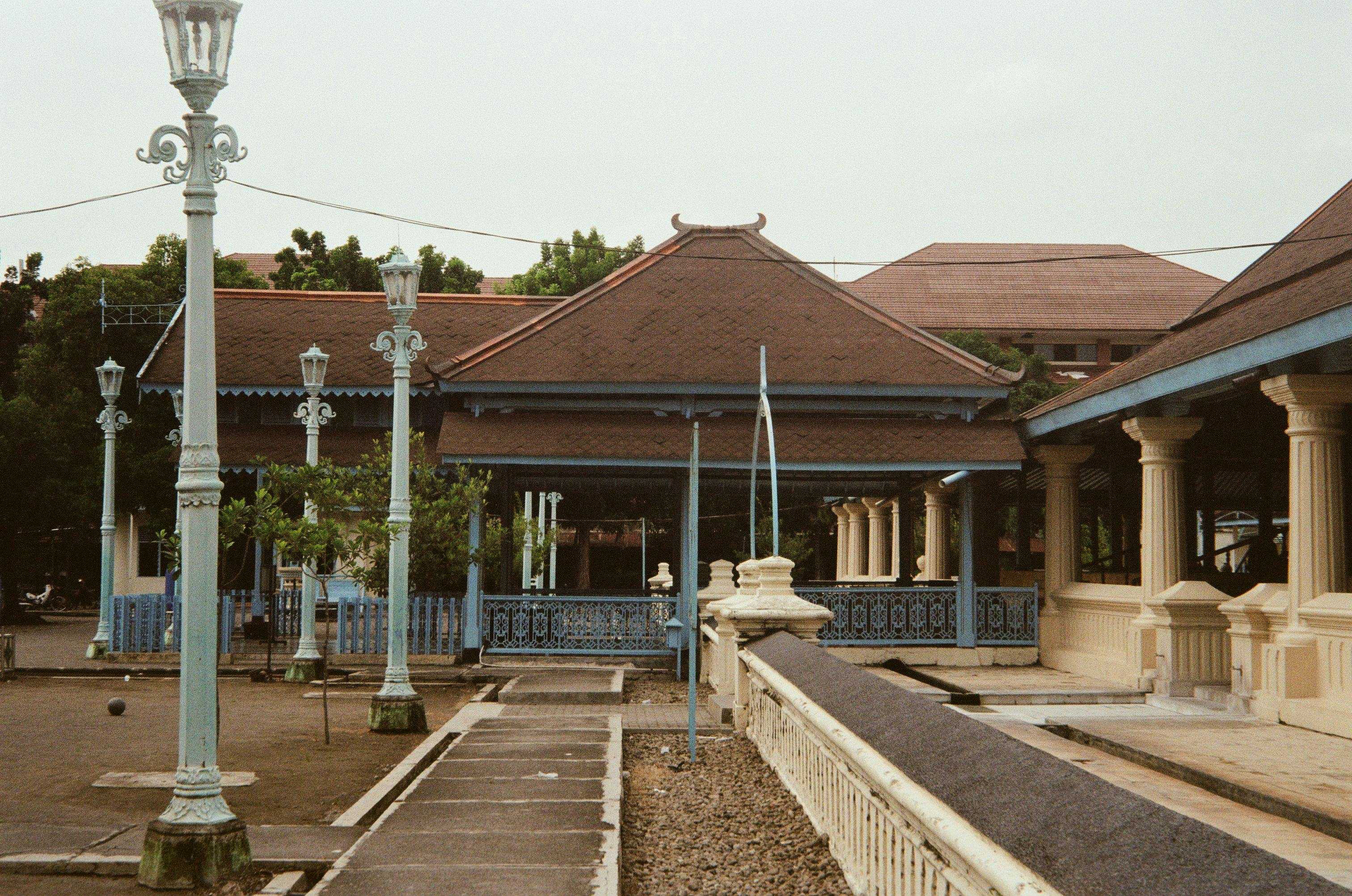
Architectural Marvels: The city is home to stunning architectural landmarks, including the iconic Surakarta Palace (Keraton Kasunanan) and the Mangkunegaran Palace. These royal residences showcase intricate Javanese design and craftsmanship.
-
Natural Beauty: Surakarta is surrounded by picturesque landscapes, including lush rice fields, serene rivers, and volcanic mountains. Travelers can embark on outdoor adventures such as hiking, cycling, or exploring nearby waterfalls and caves.
Overall, traveling to Surakarta offers a unique opportunity to immerse yourself in Javanese culture, history, and natural beauty. The city's warm hospitality and vibrant atmosphere make it a memorable destination for visitors seeking an authentic Indonesian experience.
What to know
Some potential cons of traveling to Surakarta (Solo), located in Central Java, Indonesia, may include:
-
Limited English proficiency: While some locals may speak English, overall English proficiency in Surakarta may be lower compared to touristy areas. This could potentially create communication barriers and challenges in getting around and seeking help.
-
Traffic congestion: Like many cities in Indonesia, Surakarta may have issues with traffic congestion, especially during peak hours. Navigating the city by car or public transportation could be time-consuming and frustrating.
-
Air quality: Due to industrial activities and traffic congestion, air pollution levels in Surakarta may be higher than in rural areas. This could pose health risks, especially for individuals with respiratory conditions.
-
Limited tourist infrastructure: Surakarta may not have as developed tourist infrastructure as other popular destinations in Indonesia. This could mean fewer accommodation options, limited transportation choices, and fewer English signage or information available for tourists.
-
Cultural norms: As with any travel destination, it's important to be aware of and respectful towards the local culture and customs. Failure to do so could lead to misunderstandings or potentially uncomfortable situations.
It's worth noting that these cons may vary depending on individual preferences and experiences. It's always a good idea to research and plan ahead to mitigate any potential challenges during your trip to Surakarta.