


Top hotels & flights
Hand-picked stays and the best fares into Sundargarh.
Top Hotels in Sundargarh
Top Flights to Sundargarh
Location videos
Real reels from travelers, plus longer watches to get the full picture.
Practical info
The essentials for planning your time in Sundargarh.


Local guide
What travelers love, what to watch for, and a deeper read on Sundargarh.
What people love
Sundargarh, located in the state of Odisha, India, is a destination that offers a range of unique experiences for travelers. Here are some of the pros of traveling to Sundargarh:
-
Cultural Diversity: Sundargarh is home to a diverse mix of cultures, with influences from various tribal communities such as the Oraon, Munda, and Ho tribes. Travelers have the opportunity to explore and appreciate the rich cultural heritage of these communities through their traditional art, music, dance, and cuisine.
-
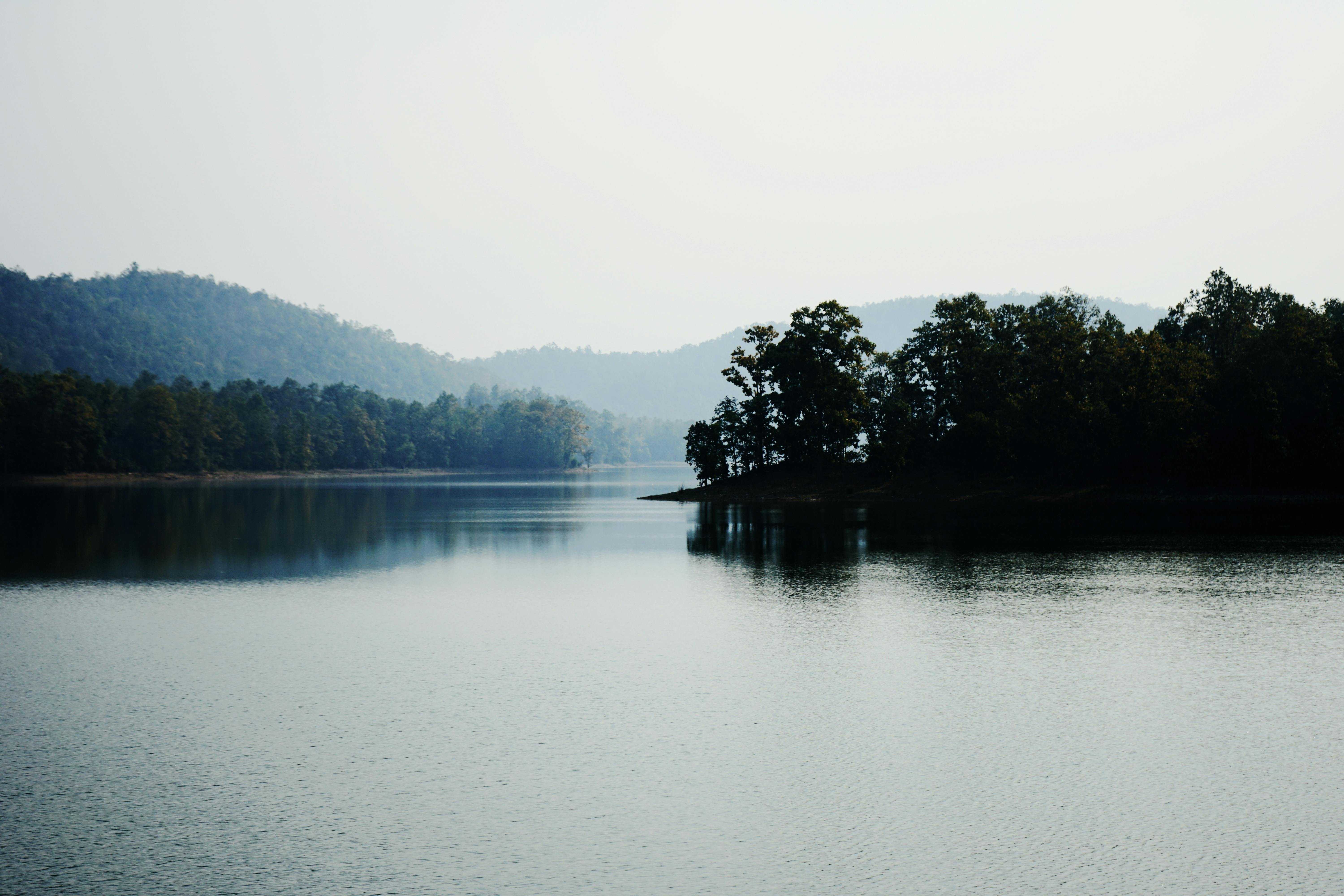
Natural Beauty: Sundargarh is blessed with scenic landscapes, lush greenery, and picturesque waterfalls. Popular natural attractions in the region include Deodhar Waterfall, Badaghagra Waterfall, and Mandira Dam. Travelers can enjoy activities such as trekking, bird-watching, and nature walks amidst the serene surroundings.
-
Adventure Activities: For adventure enthusiasts, Sundargarh offers opportunities for activities like rock climbing, rappelling, and river rafting. The region's rugged terrain and outdoor adventure options make it an ideal destination for those seeking an adrenaline rush.
-
Tribal Markets: Sundargarh is known for its vibrant tribal markets where visitors can shop for traditional handicrafts, handloom products, and local artifacts. These markets provide a glimpse into the daily lives and customs of the tribal communities in the region.
-
Temples and Historical Sites: Sundargarh boasts a number of ancient temples and historical sites that are of interest to history buffs and architecture enthusiasts. The Rajmohan Temple, Rani Sati Temple, and Manikeswari Temple are some of the noteworthy religious sites in the area.
Overall, traveling to Sundargarh offers a unique opportunity to immerse oneself in the cultural tapestry of Odisha, explore stunning natural landscapes, engage in adventure activities, and witness the traditional way of life of the tribal communities in the region.
Information not available.
What to know
Some potential cons of traveling to Sundargarh, Odisha, India, include:
-
Limited tourist infrastructure: Sundargarh may not have as many tourist facilities and amenities compared to more popular tourist destinations in India. Accommodation options, transportation services, and dining choices could be limited.
-
Language barrier: English may not be widely spoken in Sundargarh, and communication could be a challenge for travelers who do not speak the local language, Odia.
-
Climate: Sundargarh experiences hot and humid weather conditions, especially during the summer months, which could be uncomfortable for some travelers.
-
Limited attractions: While Sundargarh has natural beauty and cultural sites to explore, the range of tourist attractions may not be as diverse or extensive as in other parts of India.
-
Remote location: Sundargarh is located in a more remote area of Odisha, which may make it less accessible for travelers compared to more popular tourist destinations that are well-connected by transportation networks.
Please note that these potential cons are based on general information and individual experiences may vary. It's always a good idea to research further and plan your trip accordingly.