


Sumatera Barat
· ID

Sumatera Barat

Sumatera Barat, Indonesia

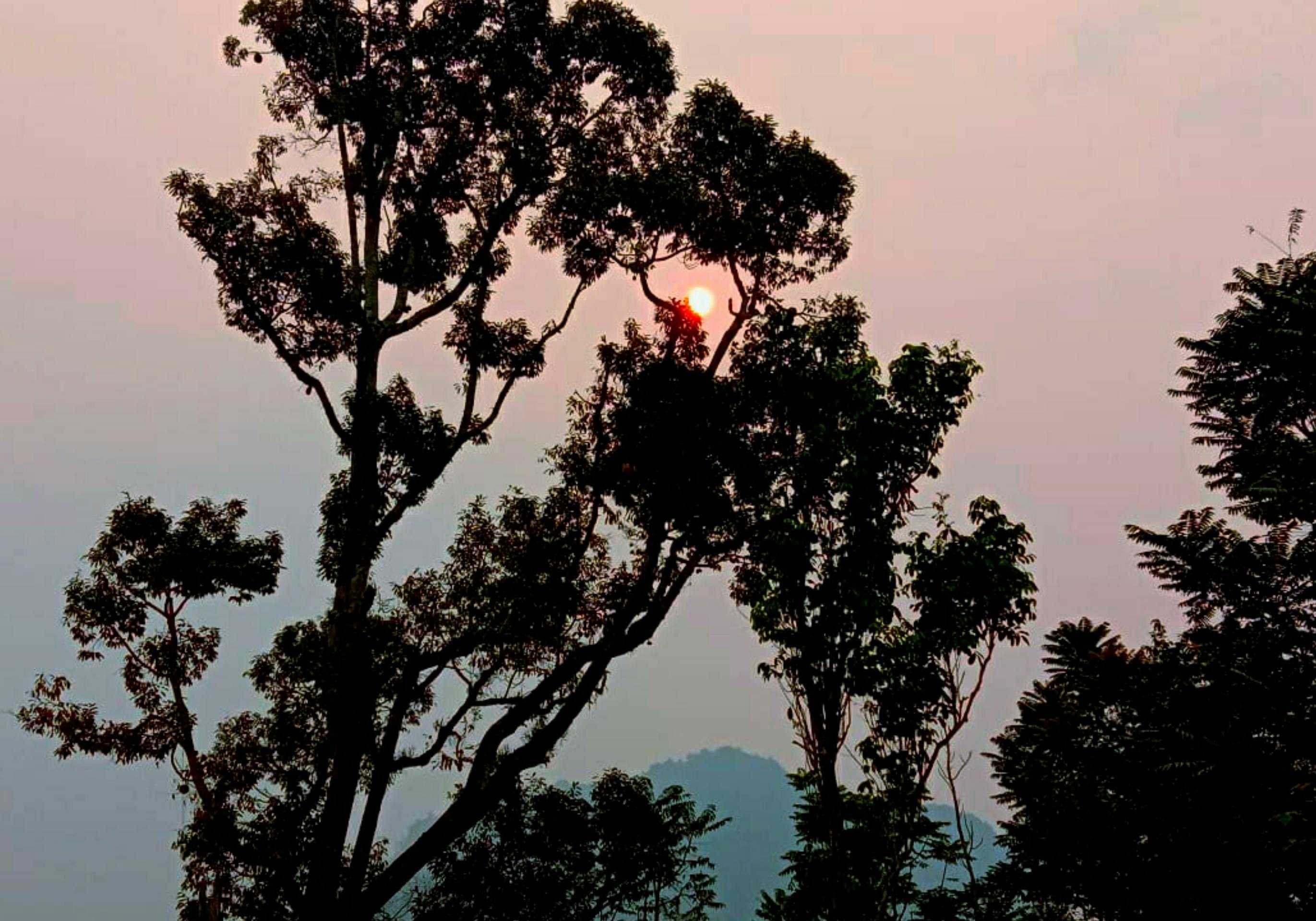
Journey to the Land of Minangkabau: Unveiling the Beauty of Sumatera Barat Sumatera Barat, on the captivating island of Sumatra, Indonesia, beckons adventurous souls and curious minds alike. Here, amidst verdant valleys …

#Sumatera Barat#Indonesia#West Sumatra#Mountains#Culture
1/3

Top hotels & flights

Hand-picked stays and the best fares into Sumatera Barat.

Top Hotels in Sumatera Barat

Top Flights to Sumatera Barat

Location videos

Real reels from travelers, plus longer watches to get the full picture.

From travelers
Watch & explore

Practical info

The essentials for planning your time in Sumatera Barat.

Currency
Rp | IDR | Indonesian Rupiah
Population
The approximate estimated total population of Sumatera Barat, Indonesia, is '5.7 million'.
Languages
Minangkabau, Indonesian

Local guide

What travelers love, what to watch for, and a deeper read on Sumatera Barat.

What people love

Sumatera Barat, located in West Sumatra, Indonesia, offers a unique travel experience with a combination of rich cultural heritage, stunning natural landscapes, and delicious cuisine. Here are some pros of traveling to Sumatera Barat:

  1. Culture and Heritage: Sumatera Barat is known for its strong cultural heritage, with traditional Minangkabau architecture, music, dance, and cuisine. Visitors can explore traditional villages, visit historic sites such as the Pagaruyung Palace, and witness cultural performances like the famous "randai" theater.

  2. Natural Beauty: The province is blessed with diverse natural landscapes, including lush green valleys, picturesque rice terraces, and stunning mountains such as Mount Kerinci, the highest volcano in Indonesia. Nature lovers can enjoy activities like trekking, hiking, and wildlife spotting in the various national parks and reserves.

  3. Culinary Delights: Sumatera Barat is famous for its unique and flavorful cuisine, particularly the spicy and aromatic Minangkabau dishes. Visitors can savor local specialties like rendang (a rich meat dish), soto padang (beef soup), and various types of spicy sambal (chili paste) at traditional Padang restaurants.

  4. Adventure Opportunities: The province offers a range of adventurous activities for thrill-seekers, including white-water rafting in the Batang Anai River, paragliding in Solok, and exploring underground caves in Bukittinggi. Adventure enthusiasts can also challenge themselves with challenging hikes up volcanoes or through dense forests.

  5. Hospitality and Warmth: The people of Sumatera Barat are known for their hospitality and friendliness towards visitors. Travelers can immerse themselves in the local culture, interact with the welcoming locals, and experience the warmth of Minangkabau hospitality during their stay.

Overall, Sumatera Barat is a destination that offers a blend of cultural richness, natural beauty, adventure, and culinary delights, making it a compelling choice for travelers seeking an authentic Indonesian experience.

I hope this information helps you in planning your trip to Sumatera Barat!

What to know

Traveling to Sumatera Barat in Indonesia may have some cons. Some potential issues to consider include:

  1. Natural Disasters: Sumatera Barat is prone to natural disasters such as earthquakes and tsunamis due to its location on the Pacific Ring of Fire. Travelers should be aware of the risks and stay informed about safety measures.

  2. Infrastructure: The infrastructure in Sumatera Barat may not be as developed as in other parts of Indonesia, leading to potential challenges with transportation, communication, and access to amenities.

  3. Language Barrier: While Bahasa Indonesia is the official language, local dialects may be spoken in Sumatera Barat. English may not be widely spoken, which could create difficulties for travelers who do not speak the local language.

  4. Health and Safety: Health facilities in Sumatera Barat may not be as advanced as in other areas, so travelers should be prepared for potential health risks and seek medical advice before traveling.

  5. Cultural Sensitivities: Sumatera Barat is home to diverse ethnic groups and cultures, so travelers should be respectful of local customs and traditions to avoid cultural misunderstandings.

It's important to research and plan ahead when traveling to Sumatera Barat to ensure a safe and enjoyable trip.

Sumatera Barat, also known as West Sumatra, is a province in Indonesia located on the western coast of the island of Sumatra. It is known for its rich cultural heritage, historical significance, and natural beauty. Below is a detailed history of Sumatera Barat, along with significant events, historical figures, and important landmarks:

Historical Overview

  1. Pre-Colonial Period:

    • The region has been inhabited since prehistoric times, with evidence of early human settlements.
    • Sumatera Barat was part of the Minangkabau Kingdom, known for its matrilineal society and significant cultural influence. The Minangkabau people are famous for their traditional architecture and cultural practices.
  2. The Arrival of Islam:

    • Islam began to spread in the region around the 16th century, gradually replacing Hindu-Buddhist influences. The arrival of Islam played a crucial role in shaping the culture and society of West Sumatra.
  3. Colonial Period:

    • In the early 19th century, the Padri War (1803-1837) occurred, which was a conflict between the Islamic reformist Padris and the adat (traditional) chiefs. The Dutch colonial powers intervened in this conflict, eventually supporting the traditionalists to gain control over the region.
    • West Sumatra became a part of the Dutch East Indies, and the Dutch colonial government exerted its influence over the region, impacting its economy and culture.
  4. Independence Movement:

    • During the Indonesian National Revolution (1945-1949), West Sumatra played a significant role, contributing to the struggle for independence from Dutch colonial rule. The region was a stronghold for Indonesian nationalists.
  5. Post-Independence Era:

    • After Indonesia gained independence, West Sumatra experienced political instability, including the PRRI (Revolutionary Government of the Republic of Indonesia) rebellion in the late 1950s, which was a regional rebellion against the central government. It was eventually suppressed by the Indonesian military.

Historical Figures

  • Tuanku Imam Bonjol (1772-1864): A prominent leader of the Padri movement, which sought to purify Islam in Minangkabau society. He played a key role in the Padri War against Dutch colonial forces.
  • Mohammad Hatta (1902-1980): Born in Bukittinggi, West Sumatra, Hatta was the first Vice President of Indonesia and a leading figure in the Indonesian independence movement. He is considered a national hero.

Important Landmarks

  1. Jam Gadang:

    • Located in Bukittinggi, Jam Gadang is a large clock tower and a prominent landmark in the city. It was built during the Dutch colonial era and is a symbol of the city.
  2. Pagaruyung Palace:

    • A reconstruction of the traditional Minangkabau royal palace, located in Batusangkar. It is an architectural representation of Minangkabau culture and history.
  3. Lake Maninjau:

    • A beautiful volcanic lake in the highlands of West Sumatra, known for its scenic beauty and tranquil environment.
  4. Harau Valley:

    • Famous for its stunning landscapes, waterfalls, and rock formations, Harau Valley is a popular tourist destination showcasing the natural beauty of West Sumatra.
  5. Ngarai Sianok (Sianok Canyon):

    • A picturesque canyon located near Bukittinggi, offering breathtaking views and a glimpse into the region's geological history.

Cultural Heritage

  • The Minangkabau culture is characterized by its matrilineal system, where property and family names are inherited through the female line.
  • Traditional Minangkabau houses, known as Rumah Gadang, feature distinctive curved roofs and intricate wood carvings.
  • West Sumatra is renowned for its culinary heritage, with dishes like Rendang and Sate Padang being popular nationwide.

Sumatera Barat continues to be a region rich in history, culture, and natural beauty, contributing significantly to Indonesia's national identity.