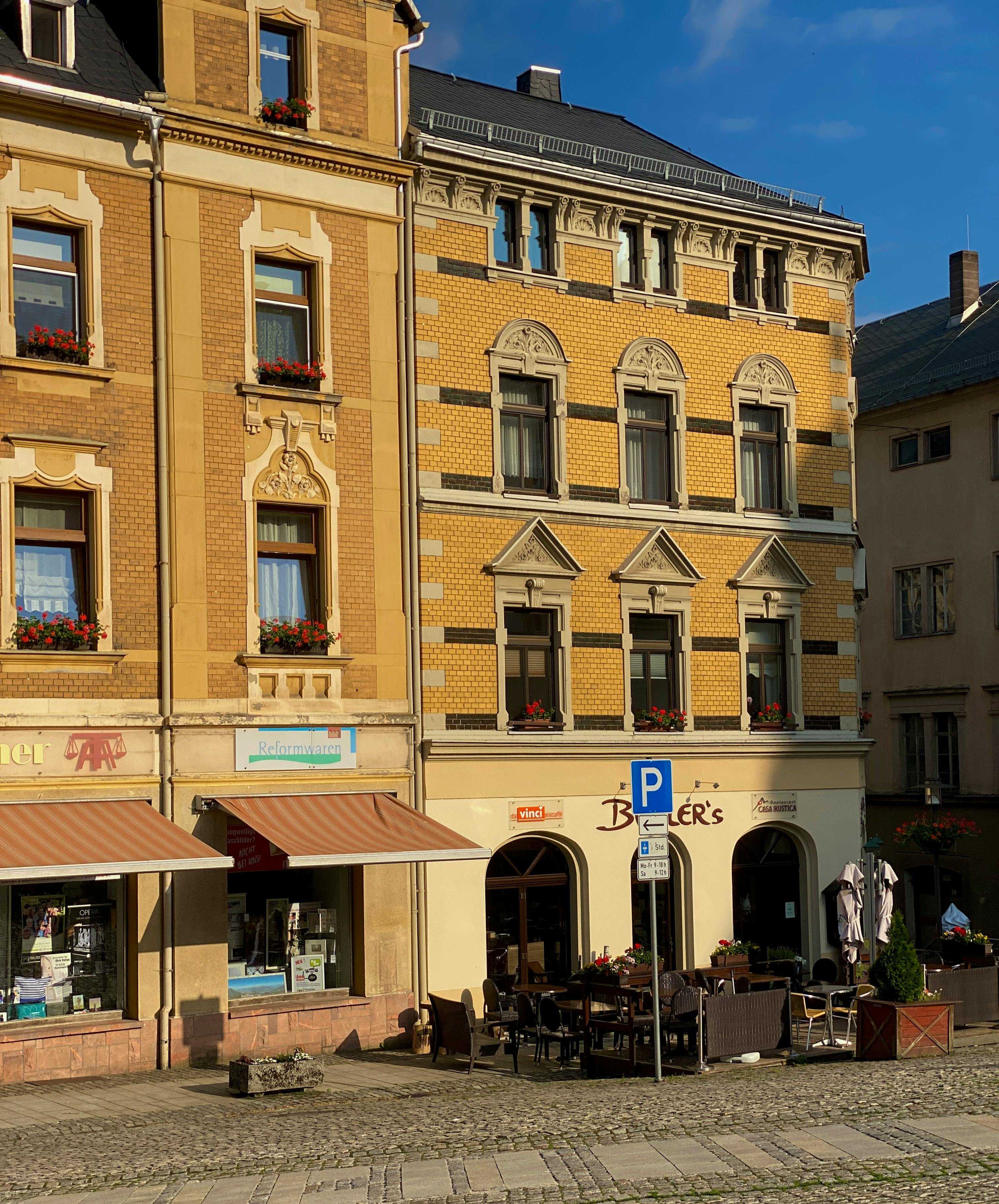

Stollberg
· DE

Stollberg

Stollberg, Saxony, Germany

Stollberg, a picturesque town nestled in the state of Saxony, Germany, awaits to captivate visitors with its unique charm and rich history. Located in the Erzgebirge Mountains, Stollberg offers a perfect blend of natural…

#Stollberg#Saxony#Germany#historic town#industrial heritage
1/1

Top hotels & flights

Hand-picked stays and the best fares into Stollberg.

Top Hotels in Stollberg

Top Flights to Stollberg

Popular activities

Tours, tickets and experiences travelers book most in Stollberg.

Location videos

Real reels from travelers, plus longer watches to get the full picture.

From travelers
Watch & explore

Practical info

The essentials for planning your time in Stollberg.

Currency
€ | EUR | Euro
Population
Not Available
Languages
German, German
Average weather
Stollberg
Jan
snow
2°-3°
Feb
snow
4°-2°
Mar
cloud
8°0°
Apr
rain
13°3°
May
cloud
18°8°
Jun
rain
21°11°
Jul
sun
23°13°
Aug
sun
23°13°
Sep
cloud
19°10°
Oct
rain
14°6°
Nov
cloud
8°2°
Dec
snow
4°-1°

Local guide

What travelers love, what to watch for, and a deeper read on Stollberg.

What people love

Stollberg, located in Saxony, Germany, has several pros for travelers:

  1. Charming Old Town: Stollberg has a historic and picturesque Old Town with well-preserved architecture, including half-timbered houses and cobblestone streets. Exploring the Old Town can be a delightful experience for visitors interested in history and culture.

  2. Nature and Outdoor Activities: The surrounding region of Stollberg offers beautiful natural landscapes, including forests, hills, and lakes. Outdoor enthusiasts can enjoy activities such as hiking, cycling, and picnicking in the scenic surroundings.

  3. Cultural Attractions: Stollberg and its nearby areas boast cultural attractions such as museums, art galleries, and historic sites. Visitors can learn about the local history and heritage through these cultural institutions.

  4. Local Cuisine: Travelers can savor traditional German cuisine in Stollberg's restaurants and eateries. From hearty sausages to delicious pastries, the local food scene offers a variety of flavors to indulge in.

  5. Convenient Location: Stollberg's location in Saxony makes it a good base for exploring other nearby cities and attractions in the region. Day trips to cities like Chemnitz or Dresden are easily accessible from Stollberg.

Overall, Stollberg offers a mix of history, nature, culture, and gastronomy, making it a charming destination for travelers looking to experience a lesser-known part of Germany.

What to know

Information not available.

Stollberg is a town located in the Saxony region of Germany. It has a rich history that reflects the broader historical trends of the region.

Early History

Stollberg's origins trace back to medieval times, with the first documented mention of the town occurring in the 14th century. The region was part of the Holy Roman Empire, and like many towns in Saxony, Stollberg developed around mining and agriculture.

Medieval Period

The town's development was closely tied to the mining industry, which was a significant economic driver in Saxony during the Middle Ages. Silver and other minerals were extracted from the Ore Mountains (Erzgebirge), which greatly contributed to the prosperity of towns like Stollberg.

The Reformation

During the 16th century, Saxony became a center of the Protestant Reformation, led by Martin Luther. The region, including Stollberg, experienced religious and social upheaval as Lutheranism spread and became the dominant faith, replacing Catholicism.

19th and Early 20th Century

The industrial revolution brought significant changes to Stollberg, as it did to much of Saxony. The town saw the development of industries beyond mining, including textiles and machinery. This period of industrial growth continued into the early 20th century.

World Wars and Aftermath

During World War II, Stollberg, like much of Germany, was affected by the conflict. After the war, in 1945, Stollberg became part of the Soviet-occupied zone, which later became the German Democratic Republic (East Germany) in 1949. The town was under socialist administration until the reunification of Germany in 1990.

Post-Reunification

Since the reunification of Germany, Stollberg has experienced modernization and redevelopment. The town has worked to preserve its historical sites while adapting to contemporary economic and social conditions.

Significant Landmarks

  • St. Jacob Church: One of the notable historical landmarks, this church is significant for its architecture and its role in the town's religious history.
  • Castle Hoheneck: Situated near Stollberg, this castle has a complex history and has been used for various purposes over the centuries, including as a prison during both the Nazi era and the GDR period.

Cultural and Historical Figures

While Stollberg itself may not be noted for producing widely renowned historical figures, it has been influenced by the broader historical events and figures of Saxony and Germany.

Stollberg continues to be a town that embodies the rich history of Saxony, with its roots in medieval mining, its experiences through the Reformation and industrialization, and its adaptation in the modern era.