


 · DE
· DESpenge
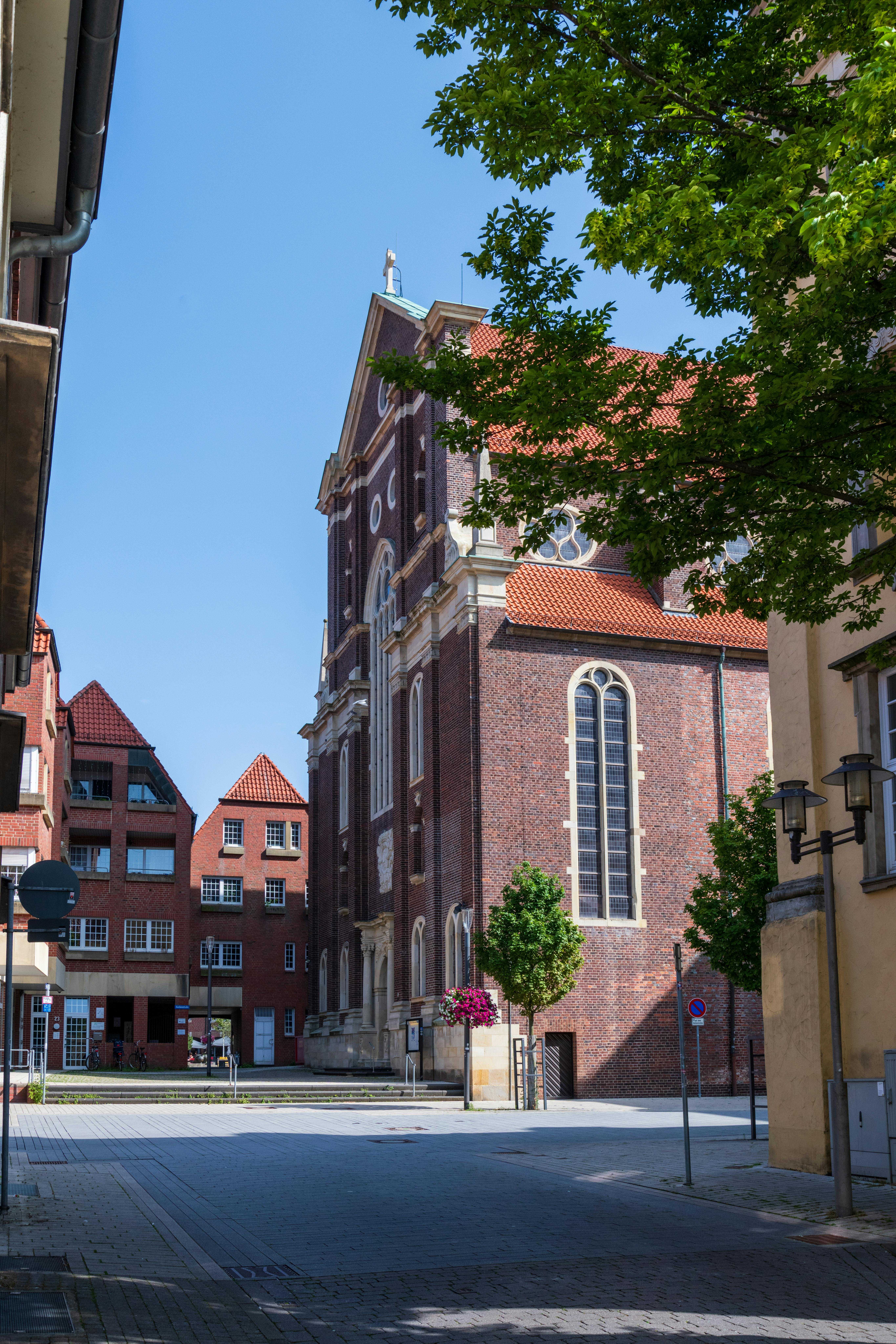
Spenge, nestled in the picturesque region of North Rhine-Westphalia, Germany, is a charming destination that offers a perfect blend of history, culture, and natural beauty for tourists to explore. This idyllic town is ri…
Top hotels & flights
Hand-picked stays and the best fares into Spenge.
Top Hotels in Spenge
Top Flights to Spenge
Location videos
Real reels from travelers, plus longer watches to get the full picture.
Practical info
The essentials for planning your time in Spenge.


Local guide
What travelers love, what to watch for, and a deeper read on Spenge.
What people love
Information not available.
What to know
Information not available.
Spenge is a town in the district of Herford, located in the state of North Rhine-Westphalia, Germany. Its history stretches back several centuries, with its development influenced by various historical events and cultural shifts in the region.
Historical Overview
-
Early History:
- Spenge's origins can be traced back to the early medieval period. The region was part of the Saxon territories before becoming part of the Frankish Empire.
-
Middle Ages:
- During the Middle Ages, Spenge was under the influence of various local noble families and the church. The area was predominantly agrarian, with farming being the main economic activity.
- The town was part of the Prince-Bishopric of Minden, a state of the Holy Roman Empire. This ecclesiastical principality played an important role in the administration and development of the area.
-
Reformation and Aftermath:
- The Protestant Reformation in the 16th century led to significant religious changes. Spenge, like much of the surrounding region, gradually adopted Protestantism, reflecting the broader shift in northern Germany.
-
19th Century:
- With the Napoleonic Wars and the subsequent Congress of Vienna in 1815, Spenge became part of the Kingdom of Prussia. This was a period of modernization and industrialization for the region.
-
20th Century:
- During both World Wars, Spenge, like many towns in Germany, faced economic and social challenges.
- Post-World War II, the area was part of the British Occupation Zone before becoming part of the newly established state of North Rhine-Westphalia in West Germany.
Significant Figures:
- Local Nobility and Clergy: The region's history was shaped by various local noble families and church leaders who governed and influenced Spenge through the centuries.
Landmarks:
-
St. Martin's Church (St. Martinikirche):
- A historical church in Spenge, with origins dating back to the medieval period. It has been a central place of worship and community gathering for centuries.
-
Old Town Hall:
- The historic town hall of Spenge, which represents the administrative history and architectural styles of the region.
-
Natural Landscapes:
- The area around Spenge is known for its picturesque countryside, with numerous walking and cycling paths that highlight the region's natural beauty.
Modern Spenge:
- Today, Spenge is a small but vibrant town that blends its historical heritage with modern amenities. It serves as a residential community with local industries and services supporting its economy.
Information beyond this general overview, such as detailed events or lesser-known historical figures specific to Spenge, is not readily available.