
Sondrio
· IT

Sondrio

Sondrio, Lombardy, Italy

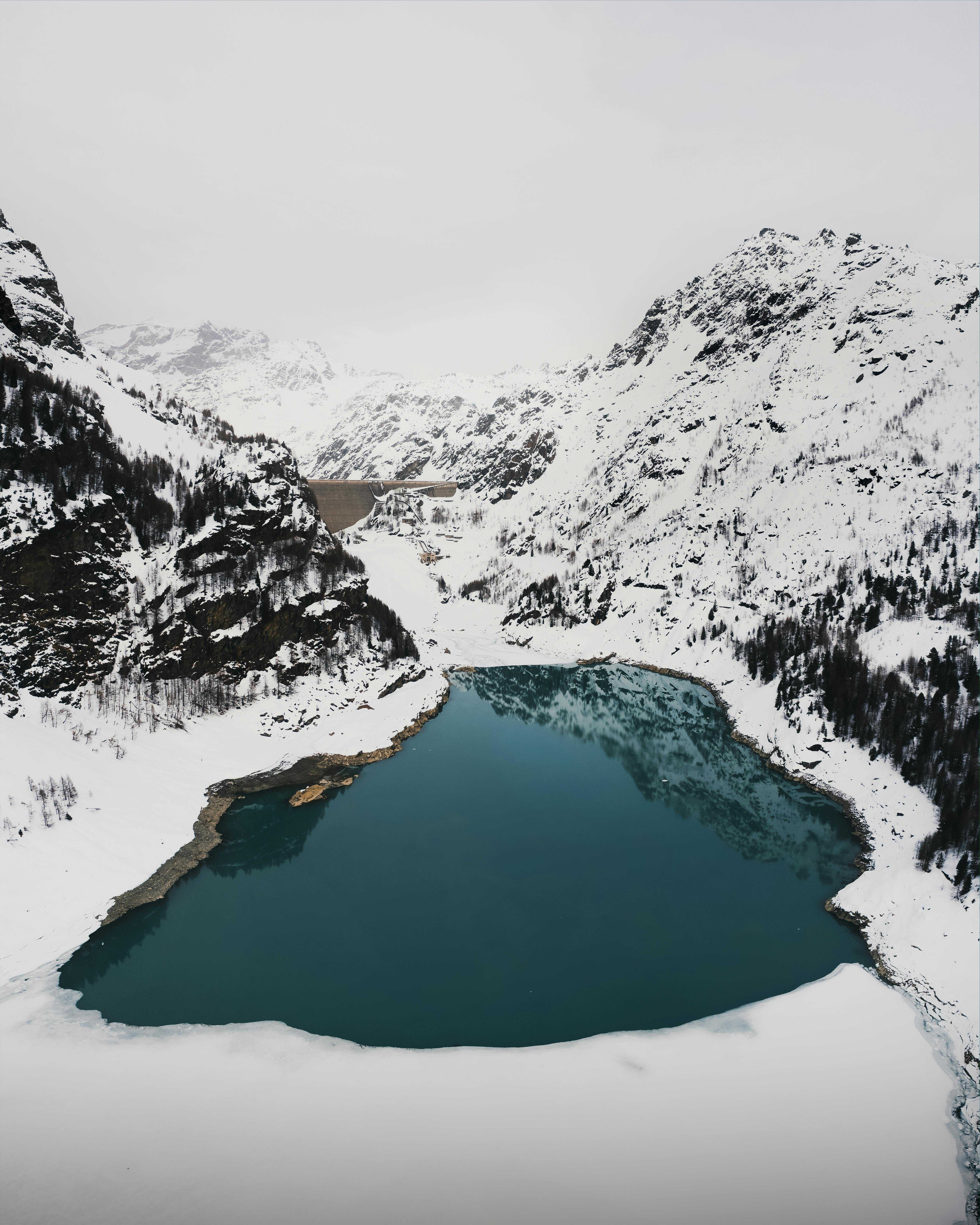
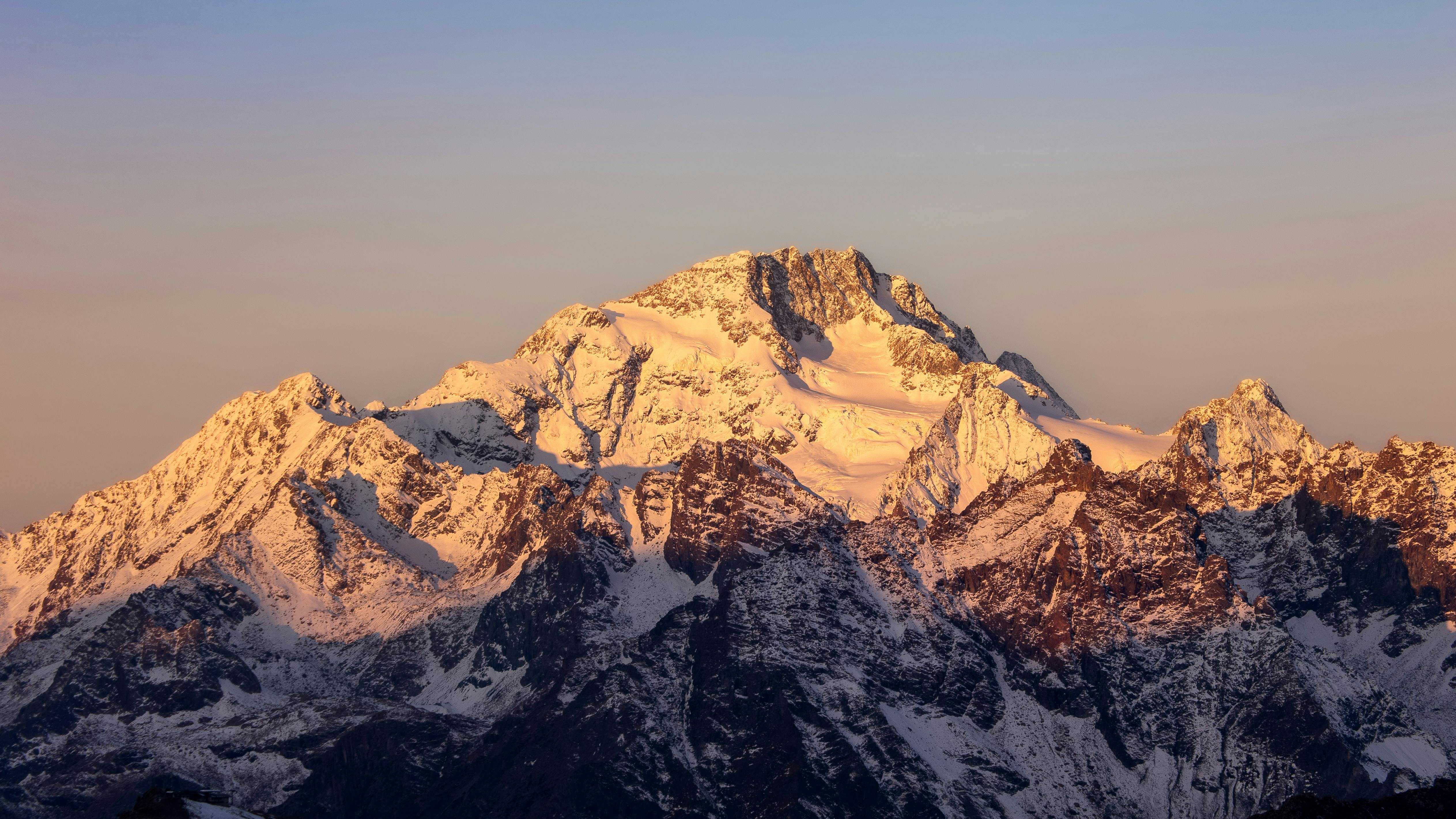
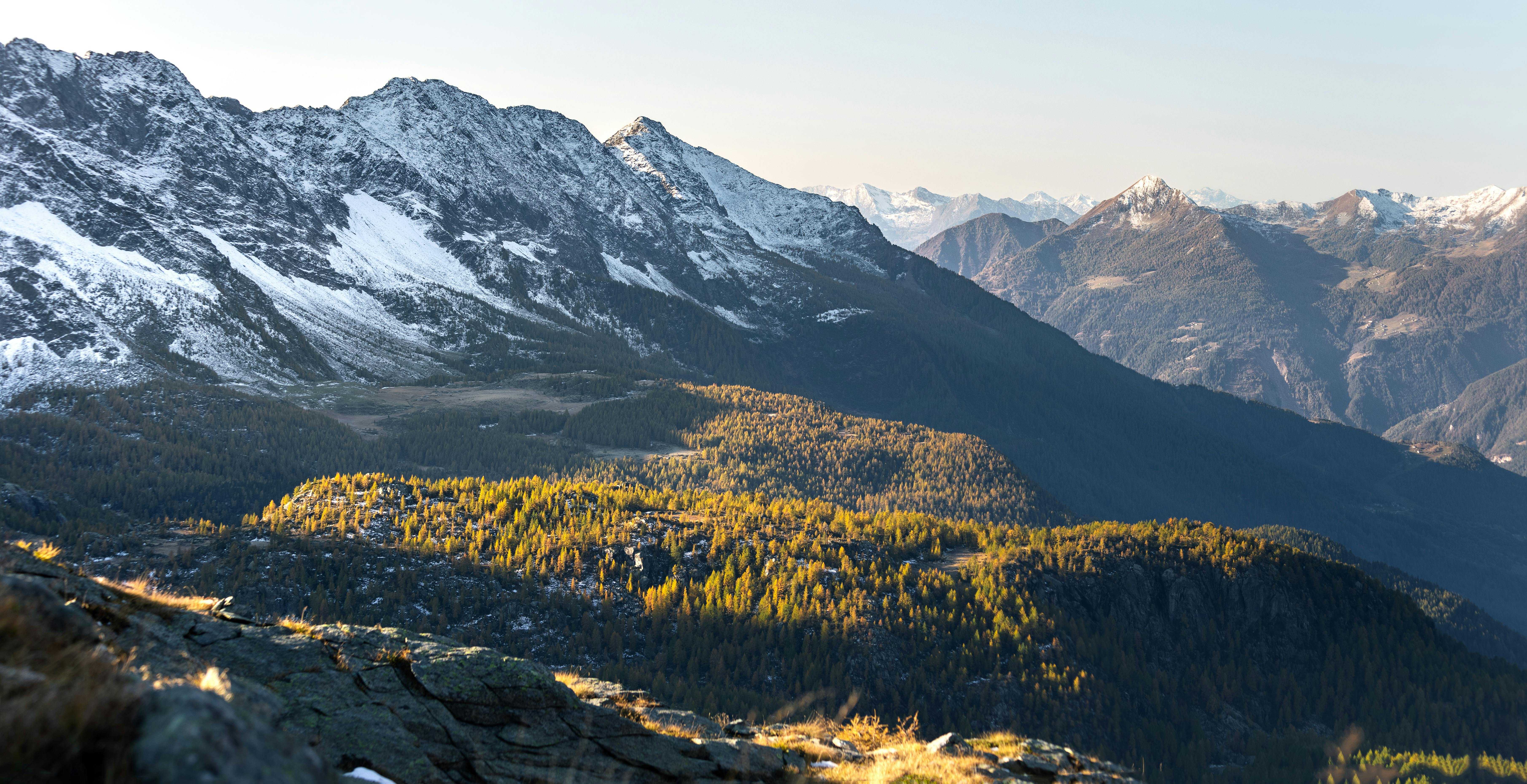
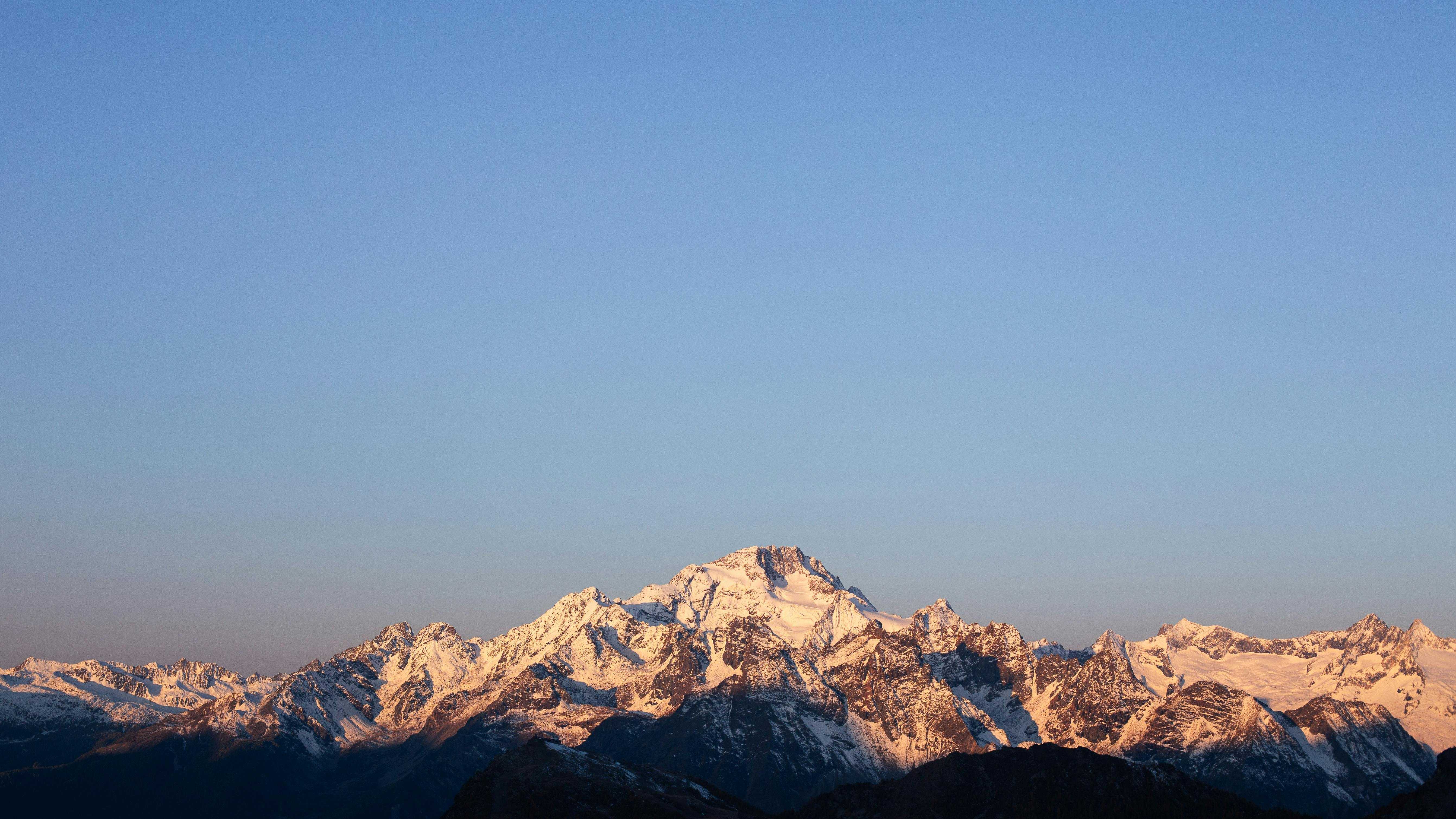
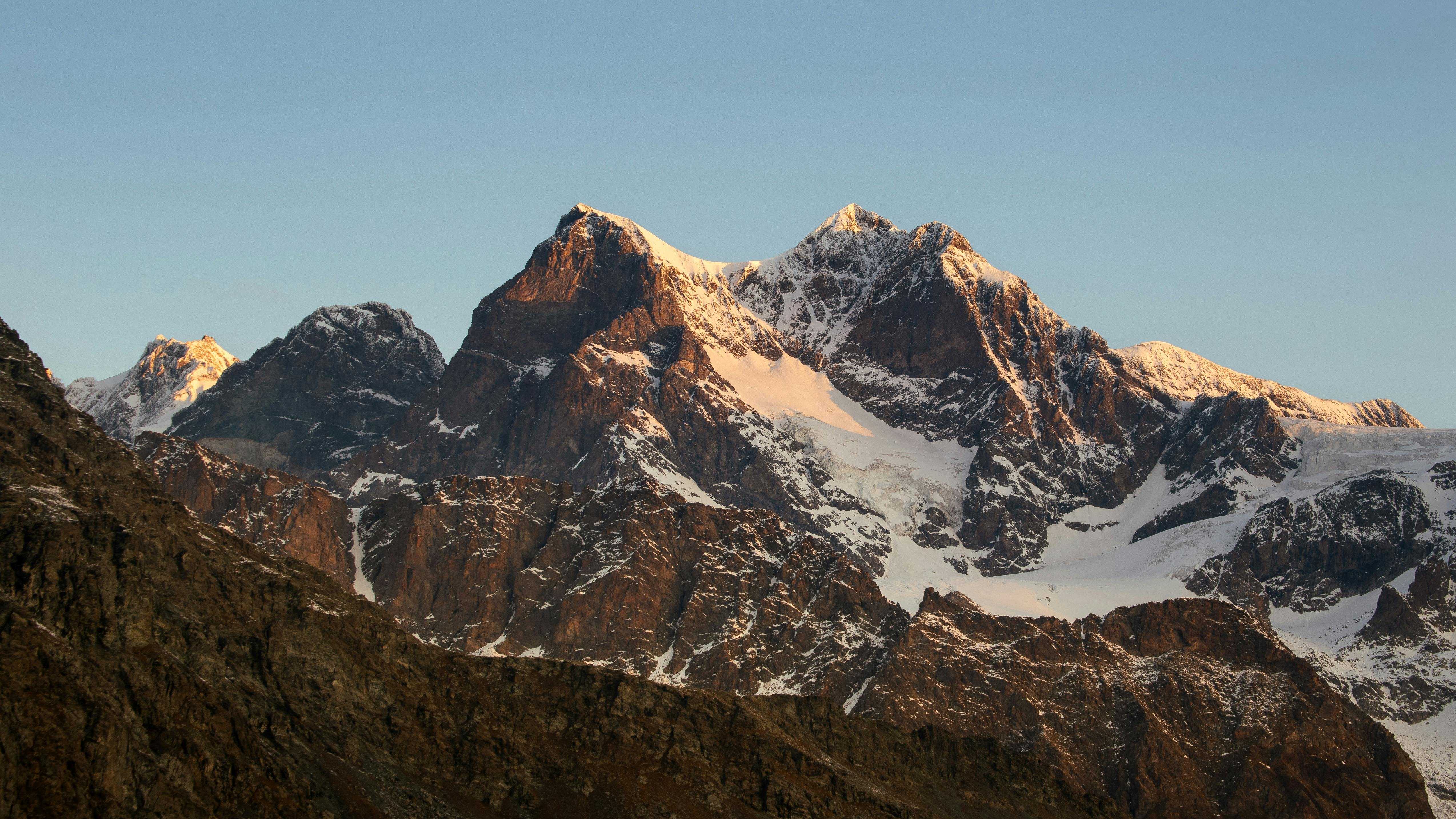
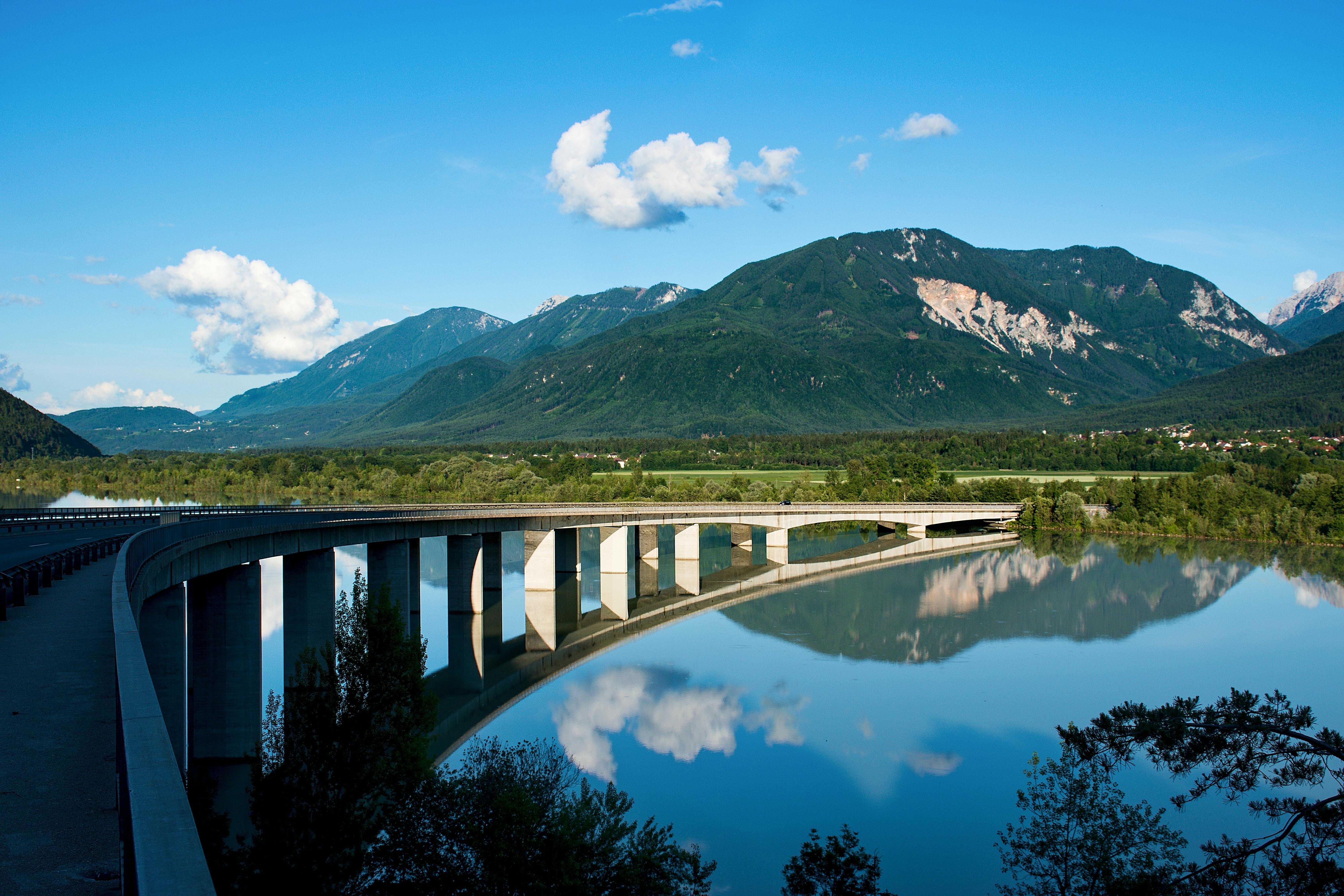
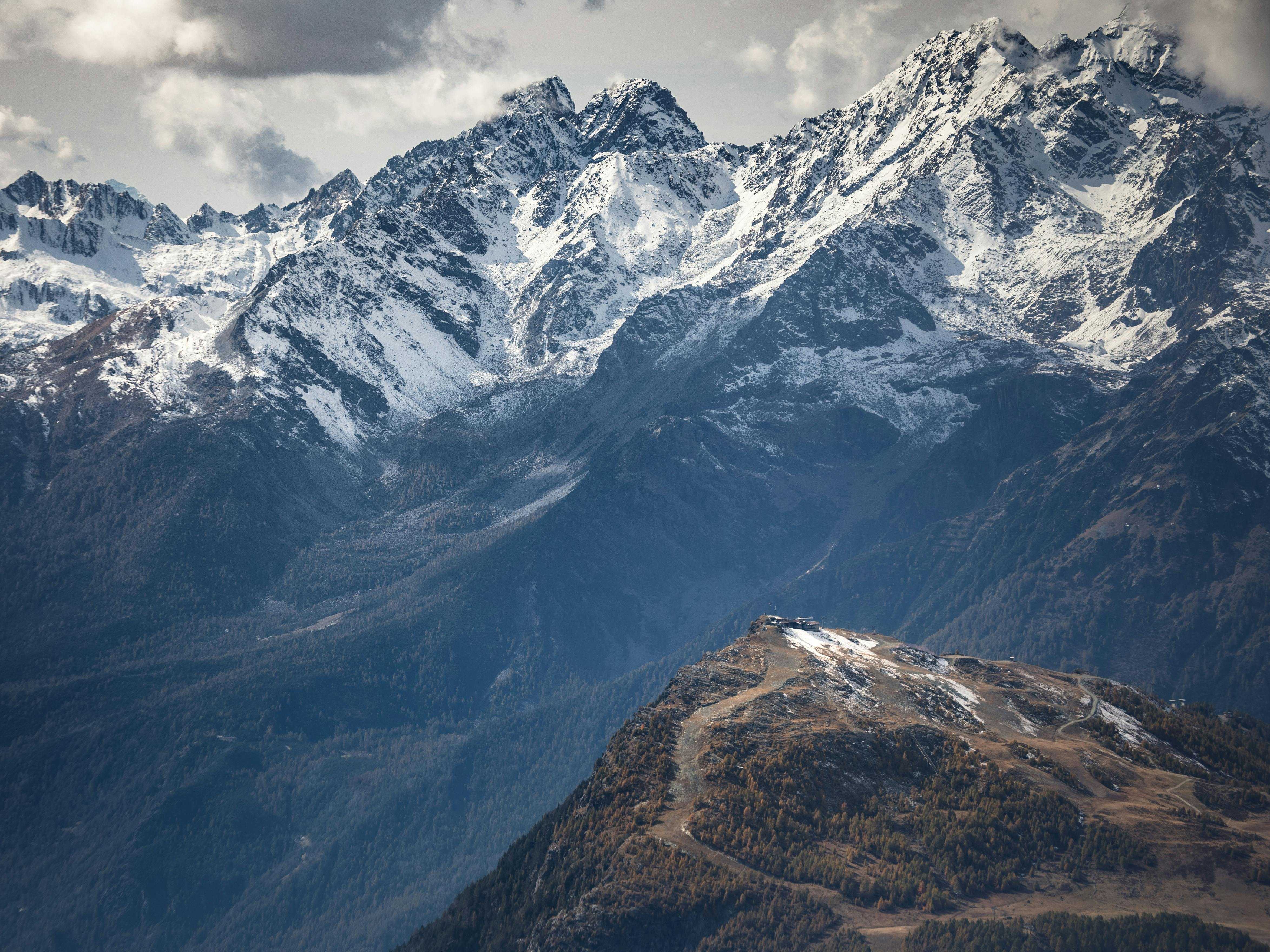
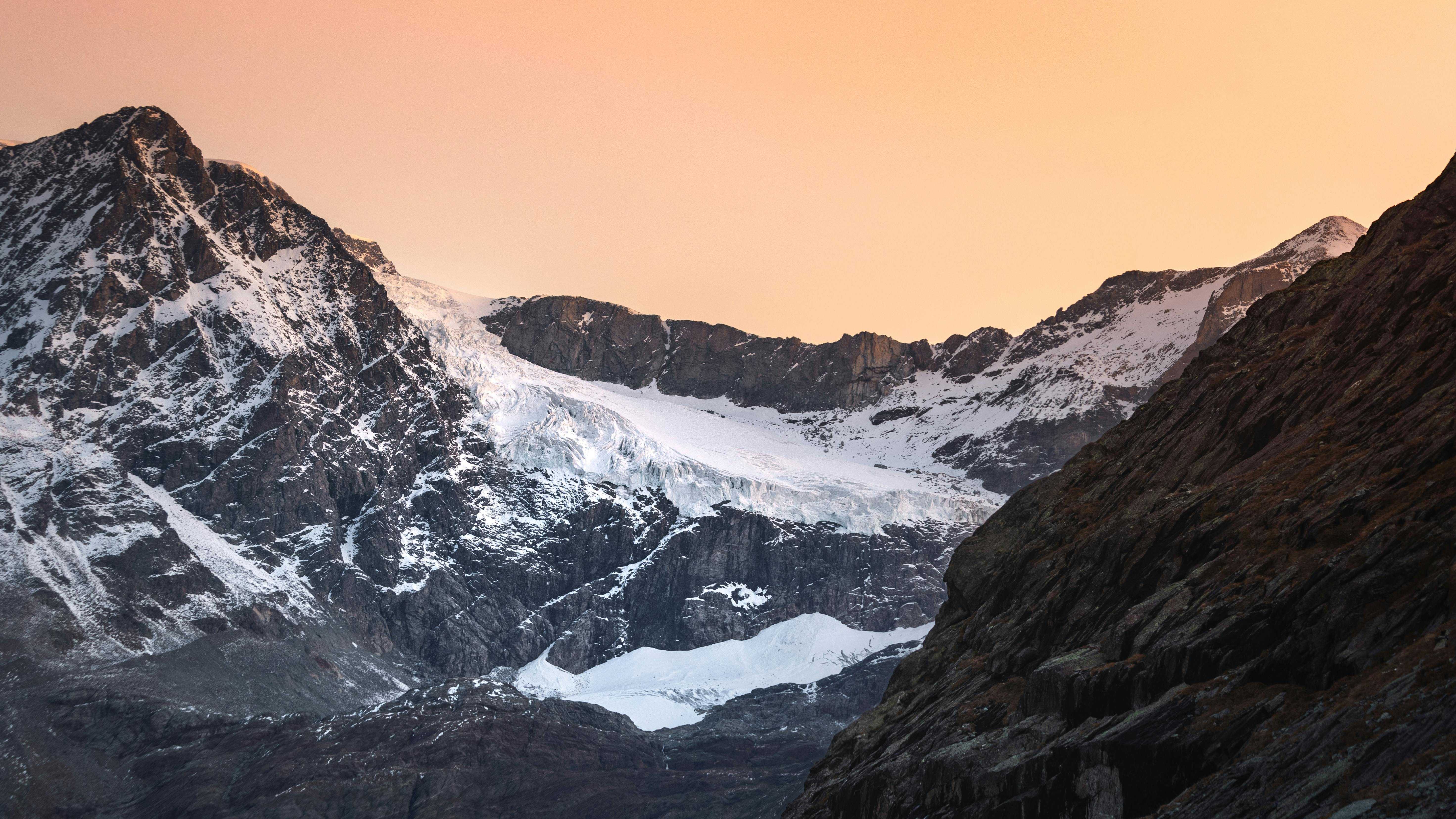
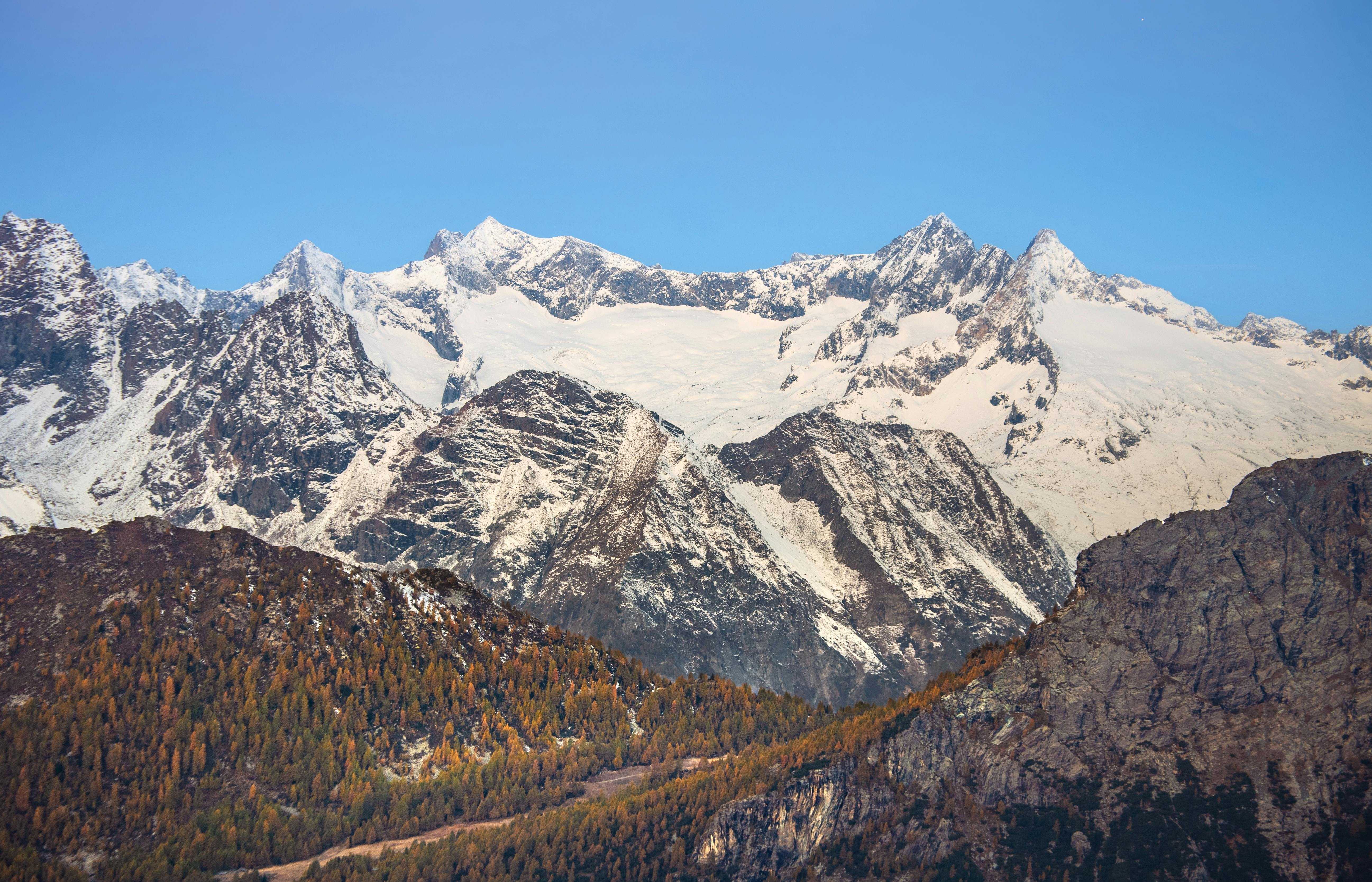
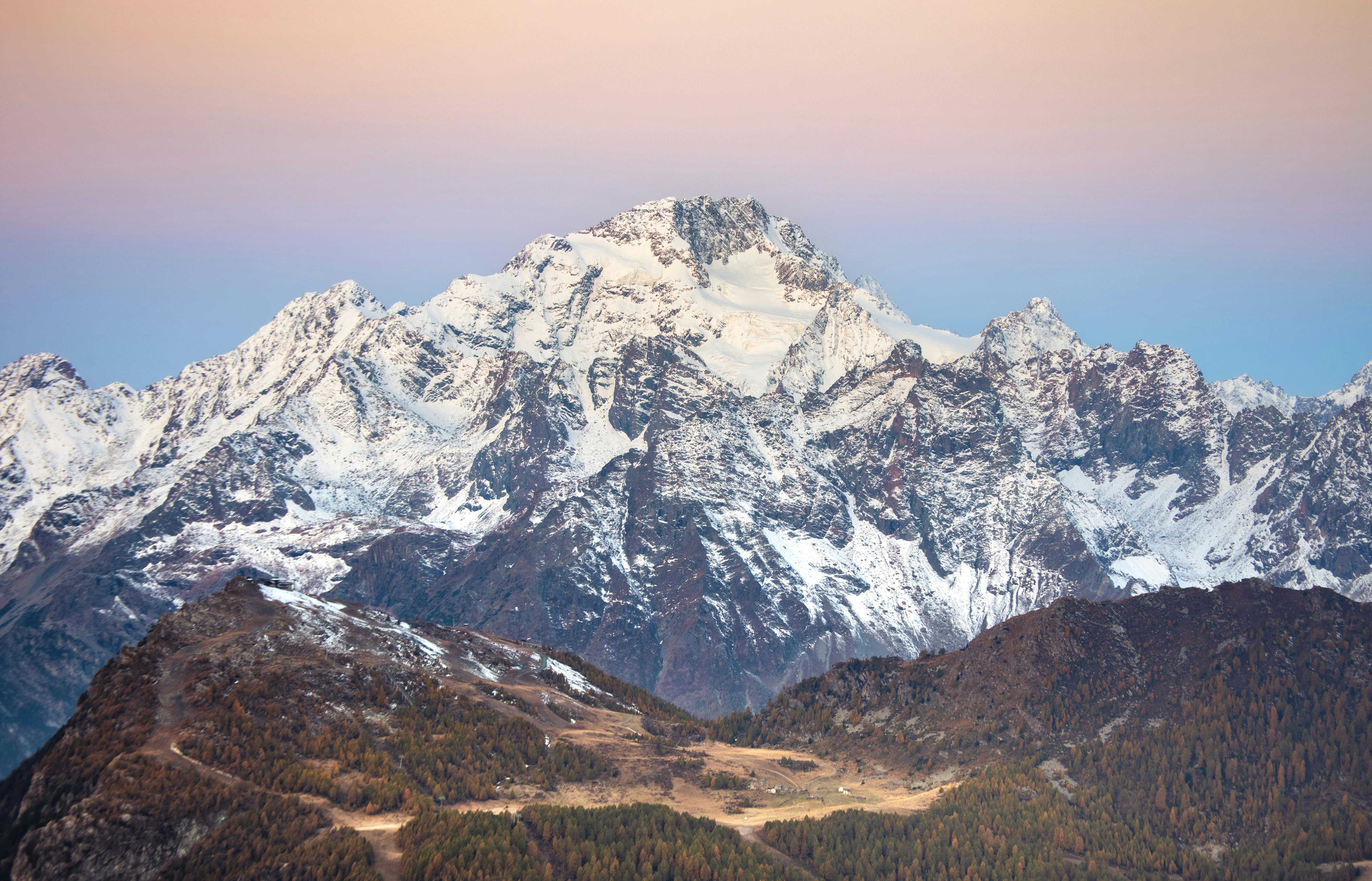
Sondrio, nestled in the picturesque region of Lombardy, Italy, is a charming destination that offers a perfect blend of history, culture, and natural beauty. Located in the heart of the Valtellina valley, Sondrio is surr…

#Sondrio#Lombardy#Italy#mountains#historic architecture
1/16

Top hotels & flights

Hand-picked stays and the best fares into Sondrio.

Top Hotels in Sondrio

Top Flights to Sondrio

Location videos

Real reels from travelers, plus longer watches to get the full picture.

Watch & explore

Practical info

The essentials for planning your time in Sondrio.

Currency
€ | EUR | Euro
Population
Information not available.
Languages
Italian, Italian, Lombard
Average weather
Sondrio
Jan
snow
4°-3°
Feb
cold
7°-2°
Mar
cloud
12°1°
Apr
rain
15°4°
May
cloud
20°8°
Jun
sun
24°12°
Jul
sun
27°14°
Aug
sun
26°14°
Sep
cloud
21°11°
Oct
rain
15°6°
Nov
cloud
9°1°
Dec
snow
5°-2°

Local guide

What travelers love, what to watch for, and a deeper read on Sondrio.

What people love

Sondrio, located in the Lombardy region of Italy, offers a unique travel experience with a combination of natural beauty, cultural heritage, and outdoor activities. Some of the pros of traveling to Sondrio include:

  1. Scenic Beauty: Sondrio is surrounded by stunning mountain landscapes, including the Alps and the Valtellina Valley. The area is perfect for nature lovers, hikers, and outdoor enthusiasts looking to explore the picturesque surroundings.

  2. Wine and Food: The Valtellina region, where Sondrio is located, is famous for its wine production, particularly the red wine known as Valtellina Superiore. Visitors can enjoy wine tastings and explore traditional local cuisine, including dishes like pizzoccheri (buckwheat pasta) and bresaola (air-dried beef).

  3. Outdoor Activities: Sondrio offers a wide range of outdoor activities for visitors, including hiking, skiing, snowboarding, and mountaineering. In the winter, nearby ski resorts like Bormio and Livigno attract winter sports enthusiasts, while in the summer, the region is popular for hiking and biking.

  4. Cultural Heritage: Sondrio itself is a charming town with a rich history and cultural heritage. Visitors can explore historic sites like the Palazzo Sassi, a Renaissance palace, and the Torre Ligariana, a medieval tower. The town also hosts cultural events and festivals throughout the year.

  5. Proximity to Lake Como: Sondrio is a short drive away from Lake Como, one of the most famous lakes in Italy known for its elegant villas, charming towns, and beautiful scenery. Visitors can easily take a day trip to Lake Como to enjoy a boat ride, visit the picturesque towns around the lake, and soak in the stunning views.

Overall, traveling to Sondrio offers a mix of natural beauty, outdoor activities, cultural experiences, and gastronomic delights, making it a great destination for those looking to explore the northern part of Italy.

What to know

Sondrio, located in Lombardy, Italy, is a beautiful destination with many attractions and things to do. However, like any travel destination, there are some potential cons to consider when visiting Sondrio:

  1. Limited public transportation options: Sondrio is a relatively small town, and public transportation options may be limited compared to larger cities. This could make it more challenging to get around and explore the surrounding areas without a car.

  2. Seasonal weather variations: Sondrio experiences seasonal weather variations, with cold winters and hot summers. Depending on when you visit, you may need to pack accordingly and be prepared for different weather conditions.

  3. Language barrier: While Italian is the official language in Italy, not everyone in Sondrio may speak fluent English. This could potentially lead to communication challenges for travelers who do not speak Italian.

  4. Limited nightlife: Sondrio is known for its natural beauty and outdoor activities, but it may not offer as vibrant a nightlife scene as larger cities. If you are looking for a bustling nightlife with clubs and bars, Sondrio may not be the best destination for you.

  5. Limited tourist infrastructure: Sondrio is not as heavily touristed as some other Italian cities, so the tourist infrastructure may be less developed. This could mean fewer tourist amenities, such as English-speaking tour guides or information centers.

Overall, while Sondrio offers many attractions and a unique Italian experience, travelers should be aware of these potential cons when planning a trip to the area.

Sondrio is a city located in the Lombardy region of northern Italy, serving as the capital of the Province of Sondrio. It is situated in the Valtellina, a valley in the Italian Alps, and has a rich history influenced by its strategic position and the cultural exchanges between Italy and the neighboring regions.

Early History

Sondrio's origins date back to Roman times. The area was initially inhabited by the Celts before coming under Roman control. The name "Sondrio" is thought to be derived from the Latin word "Sundrium," meaning a place protected by the mountains.

Medieval Period

During the Middle Ages, Sondrio became part of the Lombard League and later fell under the control of the Duchy of Milan. The city was strategically located along trade routes and was fortified to protect against invasions and raids.

Rule by the Grisons

From the early 16th century, Sondrio, along with the rest of the Valtellina, came under the control of the Grisons, a confederation of Swiss valleys. This period was marked by religious and political conflict, particularly between Catholics and Protestants. The tensions culminated in the Valtellina Massacre of 1620, when local Catholics revolted against Protestant rule.

Napoleonic Era

Under Napoleon, the region was incorporated into the Cisalpine Republic and later the Kingdom of Italy. Following the defeat of Napoleon, Sondrio was returned to Austrian control as part of the Kingdom of Lombardy-Venetia.

Unification of Italy

In 1859, Sondrio became part of the newly unified Kingdom of Italy. This period saw significant economic and infrastructure development, including the expansion of roads and railways that connected the valley to the rest of Italy.

Modern Era

The 20th century brought industrial growth and modernization to Sondrio. During World War II, the region was occupied by German forces, but it was also an area of resistance activity. After the war, Sondrio continued to develop, focusing on its agricultural and tourism sectors.

Historical Figures

  • Giovanni Visconti Venosta: A notable figure from Sondrio, he was a poet and statesman who played a significant role in the Italian unification movement.
  • Giovanni Battista Piazzoli: An important artist from the region, known for his contributions to local art and culture.

Important Landmarks

  • Castel Masegra: A historic castle that overlooks the city, dating back to medieval times. It has been restored and is a symbol of Sondrio's historical heritage.
  • Collegiata dei Santi Gervasio e Protasio: The main church in Sondrio, known for its beautiful architecture and artworks.
  • Palazzo Sassi de' Lavizzari: A significant building housing the Valtellina History Museum, which offers insights into the region's past.

Cultural and Economic Contributions

Sondrio is renowned for its wine production, particularly the Valtellina wines, which are made from the Nebbiolo grape. The city is also a gateway to the Alps, attracting tourists for skiing, hiking, and exploring the natural beauty of the region.

Overall, Sondrio's history is a tapestry of cultural exchanges and strategic importance, marked by its resilience and adaptation through various historical periods.