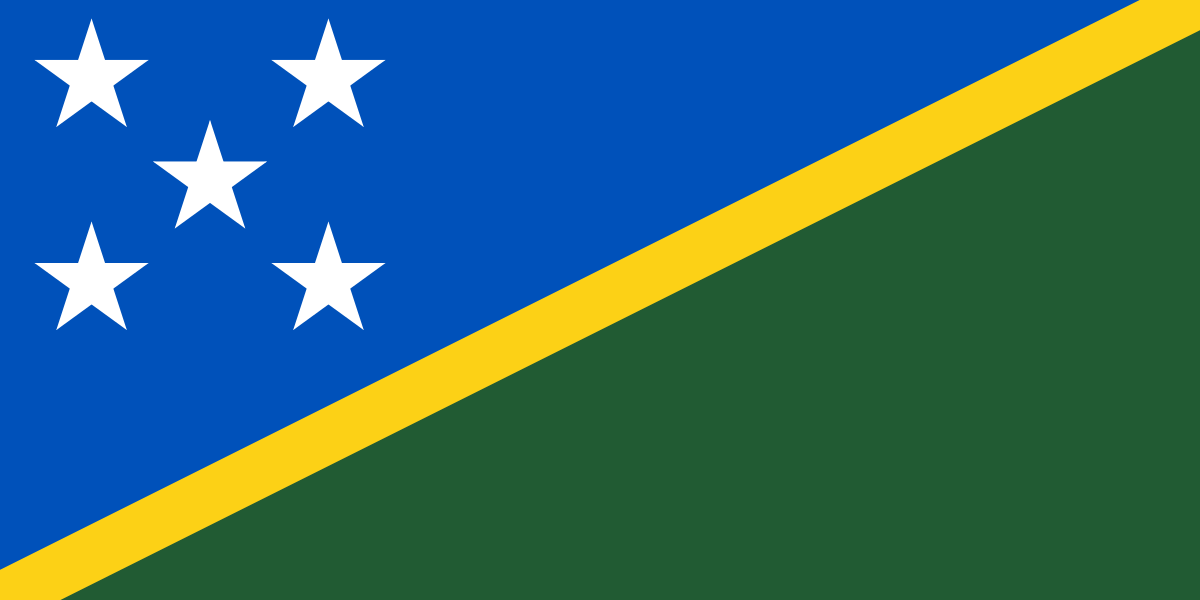
Solomon Islands
· SB

Solomon Islands

Solomon Islands

Dive into Untouched Beauty: The Solomon Islands Await Escape the ordinary and discover the Solomon Islands, a jewel-toned archipelago in the South Pacific where emerald islands rise from turquoise waters. Here, ancient …

#Pacific Ocean#Melanesia#Tropical climate#Island nation#Coral reefs
1/6

Top hotels & flights

Hand-picked stays and the best fares into Solomon Islands.

Top Hotels in Honiara

Top Flights to Honiara

Popular activities

Tours, tickets and experiences travelers book most in Solomon Islands.

Shopping

Explore Honiara Central Market

Visit the bustling central market in Honiara to experience local culture and purchase traditional crafts, fresh produce, and souvenirs.

Outdoor

Diving in Munda

Experience world-class diving in Munda, exploring vibrant coral reefs and World War II wrecks in crystal-clear waters.

Tetepare Island Eco Tour

Join an eco tour on Tetepare Island, the largest uninhabited island in the South Pacific, to spot diverse wildlife and enjoy pristine nature.

Location videos

Real reels from travelers, plus longer watches to get the full picture.

From travelers
Watch & explore

Practical info

The essentials for planning your time in Solomon Islands.

Currency
$ | SBD | Solomon Islands Dollar
Population
The approximate estimated total population of Solomon Islands is 0.7 million.
Languages
English, English, Melanesian languages, Polynesian languages
Average weather
Solomon Islands
Jan
rain
31°24°
Feb
rain
31°24°
Mar
rain
31°24°
Apr
rain
31°24°
May
rain
30°23°
Jun
cloud
30°23°
Jul
cloud
29°23°
Aug
cloud
29°23°
Sep
cloud
30°23°
Oct
rain
30°24°
Nov
rain
31°24°
Dec
rain
31°24°

Local guide

What travelers love, what to watch for, and a deeper read on Solomon Islands.

What people love

The Solomon Islands, located in the South Pacific, offer a unique and authentic travel experience with many advantages. Some of the pros of traveling to the Solomon Islands include:

  1. Pristine Natural Beauty: The Solomon Islands are known for their stunning natural scenery, including crystal-clear waters, lush rainforests, and beautiful coral reefs. Visitors can enjoy diving, snorkeling, hiking, and other outdoor activities in this unspoiled paradise.

  2. Rich Culture and History: The Solomon Islands have a rich cultural heritage, with a diverse population that includes Melanesian, Polynesian, and Micronesian influences. Travelers can learn about traditional customs, music, dance, and art while exploring local villages and communities.

  3. Remote and Off-the-Beaten-Path: The Solomon Islands are relatively remote and less visited compared to other tourist destinations in the South Pacific. This means that travelers can enjoy a more authentic and less crowded experience, with opportunities to explore untouched islands and cultural sites.

  4. Friendly Locals: Solomon Islanders are known for their warm hospitality and friendliness towards visitors. Travelers can expect to be welcomed with open arms and have meaningful interactions with locals, gaining insights into their way of life and traditions.

  5. Unique Wildlife: The Solomon Islands are home to a diverse range of flora and fauna, including endemic species found nowhere else on Earth. Nature lovers can spot rare birds, marine life, and plants while exploring the islands' natural habitats.

  6. Sustainable Tourism: The Solomon Islands are committed to sustainable tourism practices, aiming to preserve their natural and cultural heritage for future generations. Travelers can support local communities and conservation efforts by choosing responsible tour operators and accommodations.

Overall, traveling to the Solomon Islands offers a truly immersive and enriching experience for those seeking adventure, culture, and natural beauty in a remote and unspoiled setting.

What to know

Traveling to Solomon Islands, located in the Pacific Ocean, has some potential drawbacks that visitors should be aware of:

  1. Health and Safety Concerns: Solomon Islands face challenges in terms of healthcare infrastructure and safety. Visitors may be at risk of contracting diseases such as malaria, dengue fever, and diarrheal illnesses. It is important to take necessary precautions before traveling and seek medical advice.

  2. Limited Infrastructure: Solomon Islands have limited infrastructure compared to more developed countries. This can mean less reliable transport options, limited access to amenities, and potential challenges in communication.

  3. Natural Disasters: The Solomon Islands are located in a region prone to natural disasters such as earthquakes, tsunamis, and cyclones. Visitors should be prepared for the possibility of such events and follow local authorities' instructions in case of emergencies.

  4. Cultural Sensitivities: Solomon Islands have a diverse cultural landscape, and visitors should be respectful of local customs and traditions. It is important to learn about the local culture and norms to avoid inadvertently causing offense.

  5. Environmental Concerns: Like many island nations, Solomon Islands face environmental challenges such as deforestation, coral reef degradation, and marine pollution. Visitors should be mindful of their environmental impact and strive to be responsible travelers.

Overall, while Solomon Islands offer stunning natural beauty and unique cultural experiences, travelers should be prepared for the challenges that come with visiting a remote and less developed destination. It is advisable to do thorough research, take necessary precautions, and be respectful of the local environment and communities.

The Solomon Islands is an archipelago located in the South Pacific Ocean, east of Papua New Guinea. Its history is a tapestry of indigenous cultures, European exploration, colonial rule, and post-colonial developments.

Pre-European Contact

The Solomon Islands have been inhabited for thousands of years. The first settlers are believed to have been Austronesian-speaking peoples who arrived around 30,000 years ago. These early inhabitants developed diverse cultures and complex social structures.

European Exploration

The first European to visit the islands was the Spanish navigator Álvaro de Mendaña de Neira in 1568. Mendaña named the islands "Islas Salomón" (Solomon Islands) after the biblical King Solomon, mistakenly believing they were the source of his wealth. However, subsequent European interest waned, and the islands remained largely isolated for centuries.

Missionary and Colonial Period

British and French missionaries began arriving in the mid-19th century, leading to significant cultural and societal changes. The British declared a protectorate over the Solomon Islands in 1893, establishing colonial administration and infrastructure while also suppressing traditional practices.

World War II

The Solomon Islands were a major battleground during World War II, particularly the island of Guadalcanal. The Battle of Guadalcanal was a crucial campaign in the Pacific theater, marking a turning point in favor of the Allies. The presence of American forces brought infrastructure improvements and increased exposure to Western culture.

Post-War Developments and Independence

After the war, the islands experienced a slow move towards self-governance. The Solomon Islands gained autonomy in 1976 and full independence from Britain on July 7, 1978. The first Prime Minister was Sir Peter Kenilorea, a significant figure in the nation's early post-independence history.

Tensions and Conflict

The late 1990s and early 2000s were marked by ethnic tensions and conflict, particularly between the Isatabu Freedom Movement from Guadalcanal and the Malaita Eagle Force from Malaita. This period, referred to as "The Tensions," led to violence and political instability. The Regional Assistance Mission to Solomon Islands (RAMSI), led by Australia and New Zealand, intervened in 2003 to restore order and aid in rebuilding.

Modern Era

Since RAMSI's withdrawal in 2017, the Solomon Islands have continued to face challenges, including economic development, governance issues, and climate change impacts. The nation has increasingly engaged with international partners, including China, which has become a significant influence in recent years.

Important Landmarks

  1. Guadalcanal American Memorial: Located on the island of Guadalcanal, this memorial commemorates the American and Allied forces who fought in the Guadalcanal Campaign during World War II.

  2. National Parliament of Solomon Islands: Situated in the capital city, Honiara, this building is a symbol of the nation's political life and democratic governance.

  3. Bonegi Beach and Wrecks: Known for its World War II shipwrecks, Bonegi is a popular site for divers and historians interested in the war's legacy in the Pacific.

  4. Traditional Villages: Across the islands, traditional villages offer insights into the rich cultural heritage and traditional lifestyles of the Solomon Islanders.

Notable Figures

  • Sir Peter Kenilorea: The first Prime Minister of Solomon Islands, serving two terms and playing a crucial role in the country's early political development.
  • Bartholomew Ulufa'alu: A significant political leader and prime minister during the challenging period of "The Tensions."

The Solomon Islands continue to be a vibrant nation with a rich cultural heritage and a strategic location in the Pacific that influences its role in regional and global affairs.