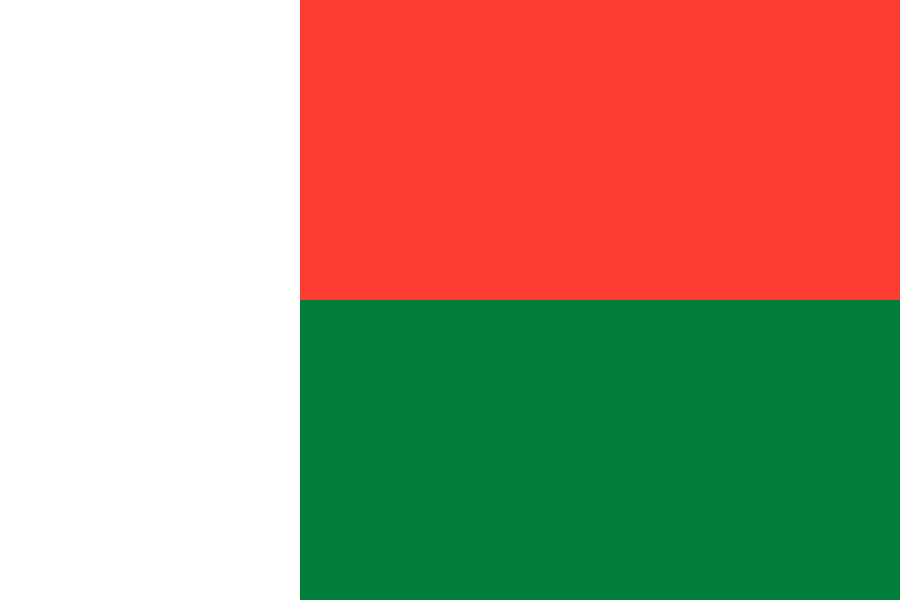
Soamanonga, located in Fianarantsoa, Madagascar, is a small village with a rich history dating back many centuries. The area is known for its lush forests, diverse wildlife, and unique culture. Although detailed historical records may be limited, there are some significant events, historical figures, and landmarks associated with Soamanonga:
-
Colonial Era: Like the rest of Madagascar, Soamanonga was colonized by the French in the late 19th century. The colonial period had a significant impact on the village, with the introduction of new administrative systems, infrastructure development, and changes in the local way of life.
-
Ranavalona I: Queen Ranavalona I, a prominent historical figure in Madagascar's history, ruled the island during the early 19th century. Her policies, including the isolationist stance towards foreign powers, affected the region that includes Soamanonga.
-
Forests and Biodiversity: One of the most notable features of Soamanonga is its dense forests and unique biodiversity. The village is situated in a region known for its endemic plant and animal species, making it a valuable area for conservation efforts.
-
Andringitra National Park: Located near Soamanonga, Andringitra National Park is a UNESCO World Heritage Site known for its stunning landscapes, including the peak of Pic Boby (Imarivolanitra) and diverse flora and fauna. The park attracts tourists and researchers interested in Madagascar's natural heritage.
-
Cultural Heritage: Soamanonga likely has a rich cultural heritage, with traditional practices, music, dance, and craftsmanship that have been passed down through generations. The local community's way of life may offer insights into Malagasy traditions and customs.
-
Rural Life: As a rural village, Soamanonga's economy is likely based on agriculture, with rice farming being a common practice. The village may have traditional markets where locals buy and sell goods, contributing to the local economy and community cohesion.
While specific details about Soamanonga's history may be limited, the village's location in the culturally and ecologically diverse region of Fianarantsoa suggests a deep connection to Madagascar's past and present. Researchers and historians interested in exploring the village's history further may need to consult local archives, oral histories, and academic studies to uncover more details about Soamanonga's past.