
Top hotels & flights
Hand-picked stays and the best fares into Shōbara.
Top Hotels in Shōbara
Top Flights to Shōbara
Location videos
Real reels from travelers, plus longer watches to get the full picture.
Practical info
The essentials for planning your time in Shōbara.


Local guide
What travelers love, what to watch for, and a deeper read on Shōbara.
What people love
Shōbara, located in Hiroshima Prefecture, Japan, offers a unique and enriching travel experience with several pros:
-
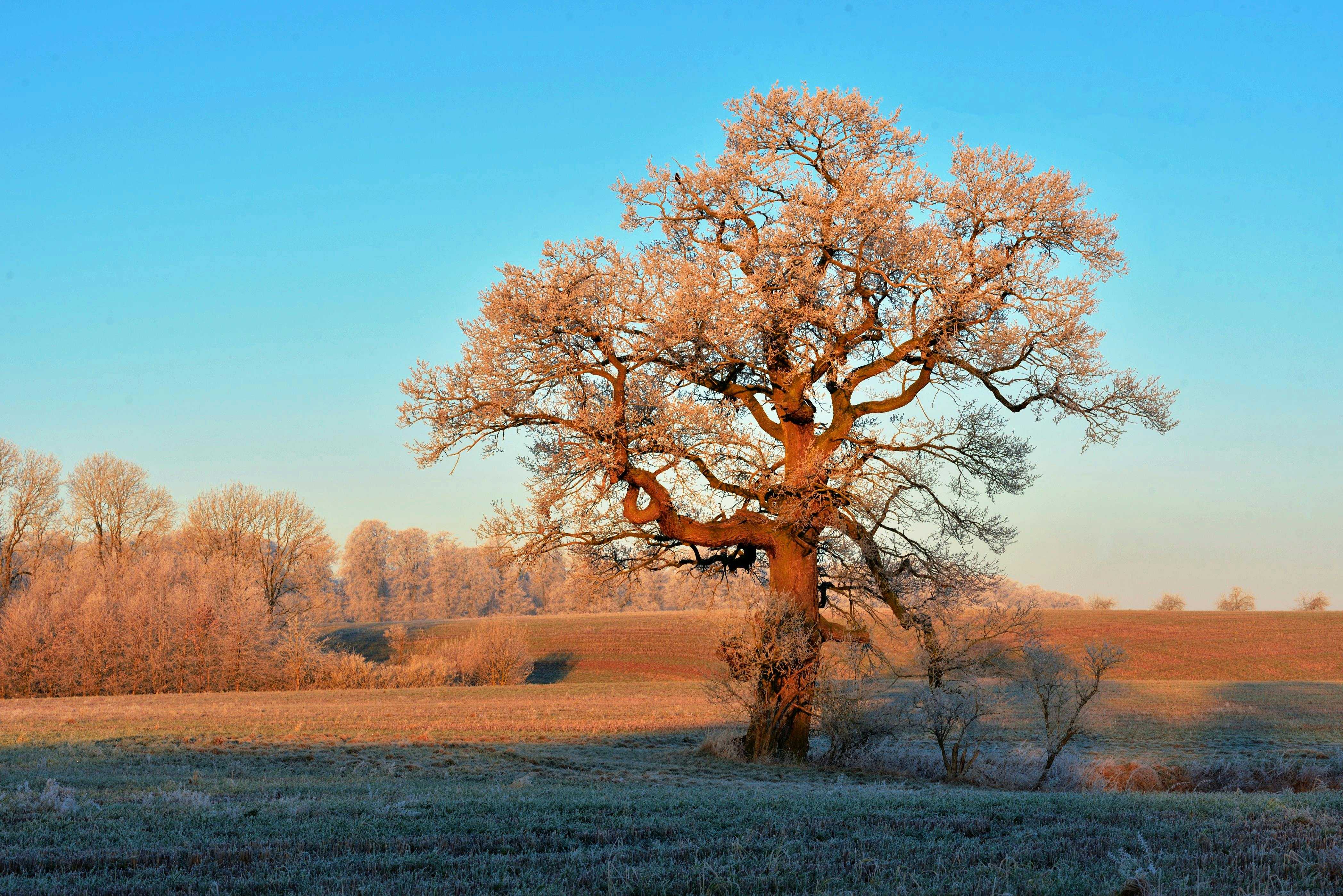
Scenic Beauty: Shōbara is known for its picturesque landscapes, including lush greenery, mountains, and serene rivers. Nature lovers will appreciate the beauty of the area, especially during the cherry blossom season in spring and the colorful foliage in autumn.
-
Cultural Heritage: The town has a rich cultural heritage with historic sites such as Shōbara Castle Ruins and traditional Japanese temples and shrines. Visitors can immerse themselves in the local history and traditions by exploring these cultural landmarks.
-
Hot Springs: Shōbara is home to several natural hot springs, known as onsen, where visitors can relax and rejuvenate in mineral-rich waters. Enjoying a soak in an onsen is a popular activity for both locals and tourists seeking relaxation and wellness benefits.
-
Outdoor Activities: The surrounding natural environment of Shōbara provides ample opportunities for outdoor activities such as hiking, cycling, and camping. The town is a great destination for adventure enthusiasts looking to explore the great outdoors and enjoy recreational activities.
-
Local Cuisine: Shōbara offers a variety of delicious local dishes, including fresh seafood, regional specialties, and traditional Japanese cuisine. Foodies will appreciate the opportunity to try authentic local flavors and culinary delights unique to the region.
Overall, traveling to Shōbara in Hiroshima, Japan, provides a blend of natural beauty, cultural experiences, relaxation, and outdoor adventures, making it a memorable destination for visitors seeking a diverse and immersive travel experience.
What to know
Shōbara, located in Hiroshima, Japan, is a relatively small and rural town known for its beautiful natural scenery and hot springs. However, there are some potential cons of traveling to Shōbara that you may want to consider:
-
Limited transportation options: Shōbara is a small town and may have limited transportation options, which could make it challenging to get around if you don't have your own vehicle.
-
Language barrier: While some residents may speak English, the primary language in Shōbara is Japanese. This could make communication difficult for travelers who do not speak Japanese.
-
Limited tourist infrastructure: Shōbara is not a popular tourist destination, so it may lack the tourist infrastructure found in larger cities. This could mean fewer accommodation options, restaurants, and tourist activities available.
-
Limited entertainment options: Shōbara is a quiet town known for its natural beauty and hot springs, so if you are looking for a bustling nightlife or a wide range of entertainment options, you may be disappointed.
Overall, while Shōbara offers a unique and peaceful experience for travelers looking to escape the hustle and bustle of city life, it may not be the best destination for those seeking a more vibrant and dynamic travel experience.