
Shahr-e Bābak
· IR

Shahr-e Bābak

Shahr-e Bābak, Kermān, Iran

Step Back in Time in Shahr-e Bābak, Iran Escape the ordinary and journey to Shahr-e Bābak, a captivating city nestled in the heart of Kerman province, Iran. Steeped in history and radiating a timeless charm, Shahr-e Bāba…

#Historical site#Archaeological ruins#Iran#Kermān#Tourist destination
1/1

Top hotels & flights

Hand-picked stays and the best fares into Shahr-e Bābak.

Top Hotels in Shahr-e Bābak

Top Flights to Shahr-e Bābak

Location videos

Real reels from travelers, plus longer watches to get the full picture.

Watch & explore

Practical info

The essentials for planning your time in Shahr-e Bābak.

Currency
﷼ | IRR | Iranian Rial
Population
Not Available
Languages
Persian, Persian
Average weather
Shahr-e Bābak
Jan
cold
10°-2°
Feb
cold
13°0°
Mar
clear
18°4°
Apr
clear
23°8°
May
sun
29°13°
Jun
hot
35°18°
Jul
hot
37°21°
Aug
hot
36°20°
Sep
sun
31°15°
Oct
clear
25°9°
Nov
cloud
17°3°
Dec
cold
11°-1°

Local guide

What travelers love, what to watch for, and a deeper read on Shahr-e Bābak.

What people love

Shahr-e Bābak, located in Kerman, Iran, is known for its rich history and cultural heritage. Here are some pros of traveling to Shahr-e Bābak:

  1. Historical Sites: Shahr-e Bābak is home to several historical sites, including the ancient city of Ardeshir Khurreh (Gur), a UNESCO World Heritage Site. Visitors can explore the ruins of this ancient city and learn about its fascinating history.

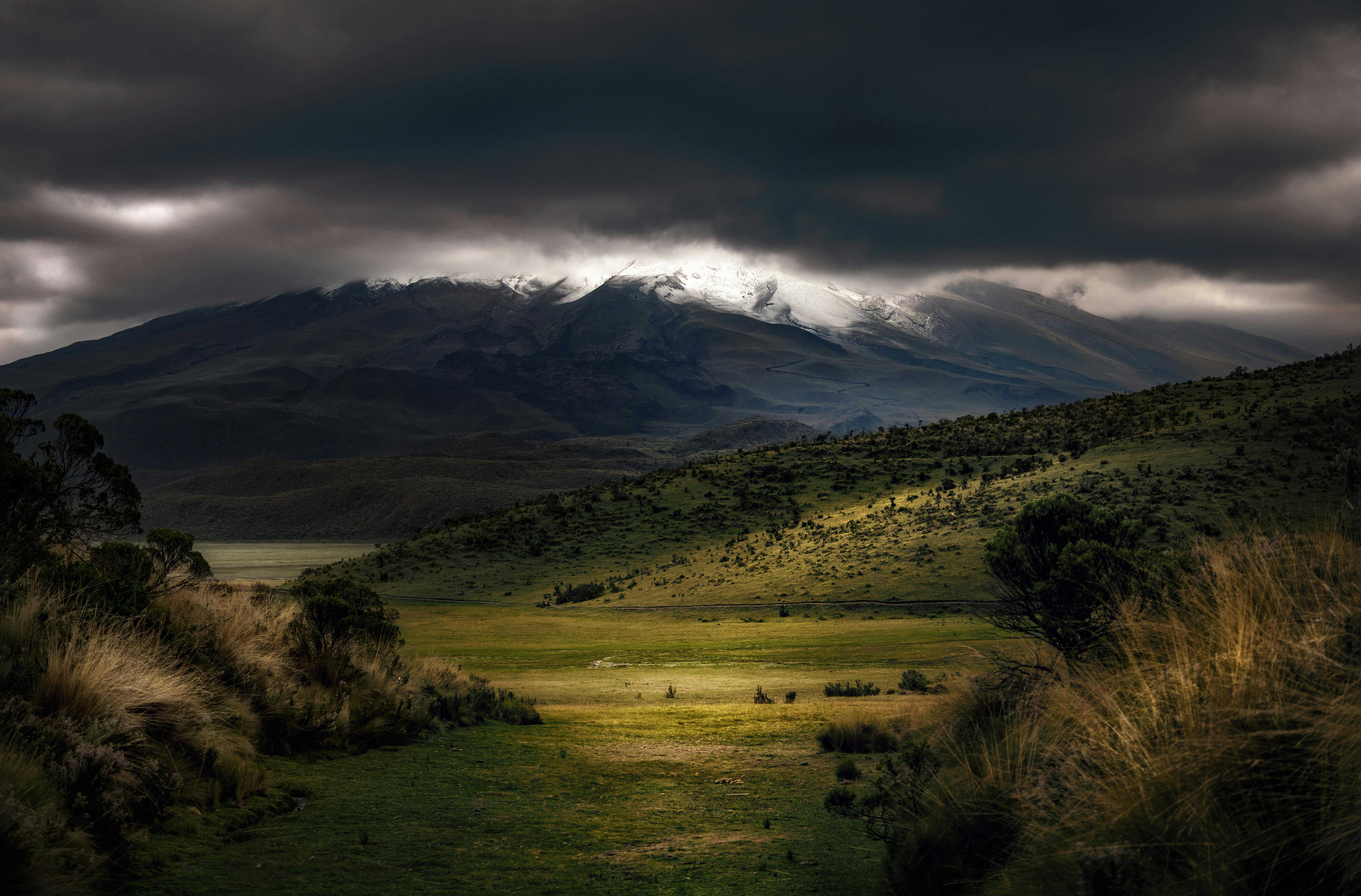
  2. Natural Beauty: The region surrounding Shahr-e Bābak is known for its stunning natural beauty, with picturesque landscapes and scenic views. Travelers can enjoy hiking, camping, and other outdoor activities in the area.

  3. Cultural Experience: Shahr-e Bābak offers a unique cultural experience, allowing visitors to immerse themselves in the local traditions and customs of the region. Travelers can visit local markets, sample traditional cuisine, and interact with friendly locals.

  4. Authenticity: Shahr-e Bābak is less touristy compared to other popular destinations in Iran, providing travelers with an authentic and off-the-beaten-path experience. Visitors can explore the area at their own pace and enjoy a more intimate travel experience.

Overall, traveling to Shahr-e Bābak offers a blend of history, culture, and natural beauty, making it a rewarding destination for those seeking a unique and enriching travel experience.

What to know

There are several potential cons to consider when traveling to Shahr-e Bābak in Kerman, Iran:

  1. Remote Location: Shahr-e Bābak is a relatively remote city, which may make it challenging to access for some travelers. Limited transportation options and infrastructure in the area could result in longer travel times and difficulties in reaching the destination.

  2. Language Barrier: English may not be widely spoken in Shahr-e Bābak, so communication could be a challenge for travelers who do not speak Persian or have access to interpreters.

  3. Limited Tourist Facilities: Shahr-e Bābak is not a major tourist destination, so there may be limited accommodation options, restaurants, and tourist facilities available in the area. Travelers may need to make arrangements in advance to ensure a comfortable stay.

  4. Cultural Considerations: Iran has strict cultural norms and regulations that visitors must adhere to, such as dress codes, restrictions on alcohol consumption, and limitations on public behavior. It is important for travelers to respect local customs and traditions while visiting Shahr-e Bābak.

  5. Safety Concerns: While Iran is generally considered safe for tourists, political tensions and occasional security incidents in the region could pose risks to travelers. It is advisable to stay informed about the current situation and exercise caution while traveling in the area.

Overall, travelers to Shahr-e Bābak should be prepared for a more off-the-beaten-path experience and take necessary precautions to ensure a safe and enjoyable trip.

Shahr-e Bābak is a city located in the Kerman Province of Iran. It has a rich historical background and has been an important site throughout various periods of Iran's history. Here is an overview of its historical significance:

  1. Ancient Origins: Shahr-e Bābak is believed to have ancient origins, with some historical accounts suggesting that it was founded during the Sassanian Empire. The city is named after Ardeshir Babakan (also known as Ardeshir I), the founder of the Sassanian dynasty, indicating its historical roots.

  2. Sassanian Era: During the Sassanian period, Shahr-e Bābak was an important administrative and military center. The Sassanian Empire, known for its strength and cultural achievements, left a significant mark on the city, and remnants of this era may still be found in the region.

  3. Islamic Era: With the advent of Islam, Shahr-e Bābak continued to be an important locale within the Islamic caliphates. The city saw various Islamic dynasties come and go, contributing to its cultural and architectural development.

  4. Qajar and Pahlavi Eras: In more recent history, during the Qajar and Pahlavi periods, Shahr-e Bābak continued to develop as part of the modernization efforts in Iran. Infrastructure improvements and the establishment of modern institutions took place during these times.

  5. Modern Era: Today, Shahr-e Bābak is known for its cultural heritage and is part of the greater Kerman Province, which is rich in historical sites. The city continues to thrive as a regional center with economic activities, including agriculture and mining.

  6. Significant Landmarks:

    • Meymand: One of the most significant landmarks near Shahr-e Bābak is the ancient village of Meymand, which is a UNESCO World Heritage site. Meymand is known for its cave dwellings, which have been inhabited for thousands of years.
    • Historical Architecture: The city and its surroundings feature a variety of historical buildings and ruins, indicative of its long history.
  7. Cultural Contributions: Shahr-e Bābak has contributed to the cultural and historical tapestry of Iran through its traditions, crafts, and local customs.

Despite its rich history, detailed records of specific events and historical figures from Shahr-e Bābak might not be extensively documented, especially in comparison to larger cities in Iran. However, its historical significance is evident through its ancient roots and continued presence in Iran's cultural landscape.

For more specific historical events or figures, further academic research or consultation with historical texts focusing on the Kerman region may be necessary.