
Serra Negra
· BR

Serra Negra

Serra Negra, Sao Paulo, Brazil

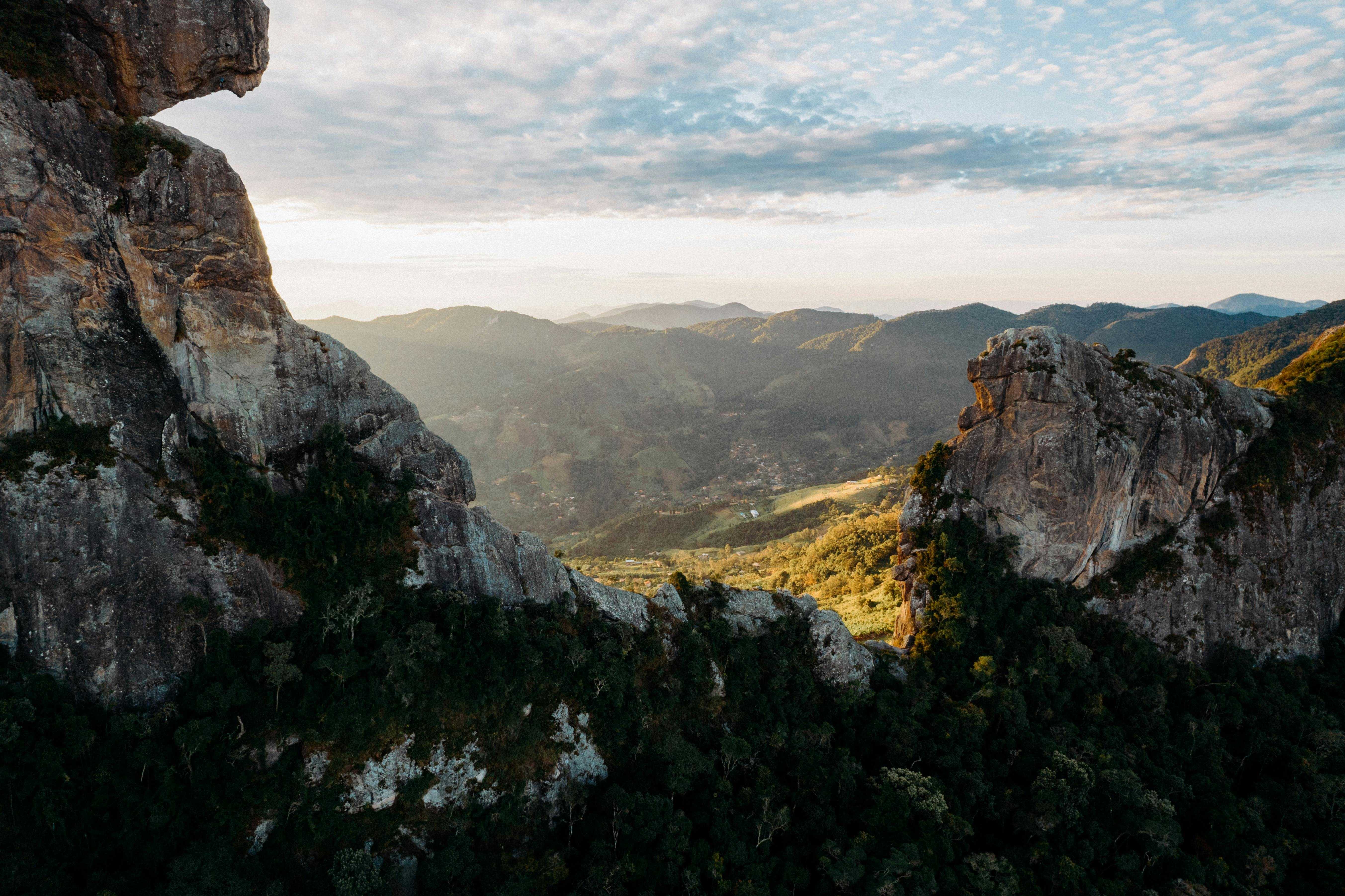
Serra Negra, located in the state of São Paulo, Brazil, is a charming and picturesque town nestled in the lush Mantiqueira Mountains. Known for its therapeutic mineral waters and fresh mountain air, Serra Negra is a popu…

#mountainous terrain#tourist destination#thermal springs#São Paulo state#Brazilian countryside
1/2

Top hotels & flights

Hand-picked stays and the best fares into Serra Negra.

Top Hotels in Serra Negra

Top Flights to Serra Negra

Practical info

The essentials for planning your time in Serra Negra.

Currency
R$ | BRL | Brazilian Real
Population
Not Available
Languages
Portuguese, Portuguese
Average weather
Serra Negra
Jan
rain
27°18°
Feb
rain
27°18°
Mar
rain
27°17°
Apr
cloud
26°15°
May
cloud
24°13°
Jun
clear
23°11°
Jul
clear
23°11°
Aug
clear
25°12°
Sep
sun
26°14°
Oct
sun
27°16°
Nov
rain
27°17°
Dec
rain
27°18°

Local guide

What travelers love, what to watch for, and a deeper read on Serra Negra.

What people love

Serra Negra, located in São Paulo, Brazil, is a popular tourist destination known for its natural beauty, mild climate, and thermal waters. Here are some of the pros of traveling to Serra Negra:

  1. Thermal Waters: Serra Negra is famous for its thermal waters, which are believed to have healing properties. Visitors can relax and rejuvenate in the many thermal baths and spas located in the area.

  2. Scenic Beauty: Serra Negra is situated in the Serra da Mantiqueira mountain range, offering breathtaking views of lush forests, rolling hills, and picturesque landscapes. The town is surrounded by natural beauty, making it a great destination for nature lovers and outdoor enthusiasts.

  3. Mild Climate: Serra Negra enjoys a mild climate throughout the year, making it a pleasant destination to visit at any time. The cool temperatures provide a refreshing escape from the heat of the city.

  4. Outdoor Activities: The region offers a variety of outdoor activities such as hiking, horseback riding, and mountain biking. Visitors can explore the surrounding nature reserves, waterfalls, and trails, providing ample opportunities for adventure and exploration.

  5. Local Culture: Serra Negra has a rich cultural heritage, with charming colonial architecture, traditional handicrafts, and local cuisine. Visitors can immerse themselves in the local culture by exploring the town's historic sites, visiting artisan markets, and trying regional dishes.

Overall, traveling to Serra Negra offers a unique combination of natural beauty, relaxation, outdoor activities, and cultural experiences, making it a desirable destination for those looking to unwind and connect with nature.

What to know

Some potential cons of traveling to Serra Negra include:

  1. Weather: Serra Negra can experience unpredictable weather patterns, including sudden changes in temperature and occasional heavy rainfall. Travelers should be prepared for varying weather conditions when visiting.

  2. Altitude: Serra Negra is located at a higher altitude, which may cause altitude sickness in some individuals. It is advisable to acclimatize slowly and stay hydrated to avoid potential health issues.

  3. Limited Public Transportation: Serra Negra may have limited public transportation options, making it challenging for travelers to get around the area without a private vehicle. Renting a car or using taxis may be necessary for convenient transportation.

  4. Language Barrier: While Portuguese is the official language in Brazil, not everyone in Serra Negra may be fluent in English. Travelers who do not speak Portuguese may encounter communication challenges, so it is helpful to learn some basic phrases or use translation apps.

  5. Crowded Tourist Seasons: Serra Negra can attract a high volume of tourists during peak seasons, leading to crowded attractions, restaurants, and accommodations. Travelers looking for a more relaxed experience may want to avoid visiting during busy times.

These are some potential cons to consider when planning a trip to Serra Negra.

Serra Negra is a municipality located in the state of São Paulo, Brazil. It is part of the Circuito das Águas Paulista, a group of towns known for their mineral waters and scenic landscapes. Here is a detailed history of Serra Negra:

Early History

  • Foundation: Serra Negra was founded in the early 19th century. The area that is now Serra Negra began to develop as people started settling there due to its fertile land and good climate for agriculture.
  • Development: The initial economic activity was agriculture, with coffee becoming an important crop, driving economic growth in the region.

20th Century

  • Hydro-Mineral Waters: During the 20th century, Serra Negra became famous for its hydro-mineral waters. The therapeutic properties of these waters attracted visitors and led to the development of the town as a spa and health resort destination.
  • Tourism Growth: The establishment of hotels and resorts catered to tourists who came for the health benefits of the mineral waters. Tourism became a major economic driver for the town.

Significant Events

  • Infrastructure Development: The construction of roads and infrastructure improved access to Serra Negra, further boosting its appeal as a tourist destination.
  • Cultural Events: Over the years, Serra Negra has hosted various cultural events and festivals, celebrating local traditions and attracting visitors.

Historical Figures

  • Information specific to historical figures from Serra Negra is not readily available, but the town has been influenced by various local leaders and entrepreneurs who contributed to its development, especially in the tourism sector.

Important Landmarks

  • Cristo Redentor: Similar to the famous Christ the Redeemer statue in Rio de Janeiro, Serra Negra has its own version, which is a popular tourist attraction offering panoramic views of the surrounding area.
  • Cable Car (Teleférico): The cable car provides a scenic view of the town and the surrounding landscape, also leading to the Cristo Redentor statue.
  • Local Springs and Spas: The mineral springs and the facilities built around them continue to be a central attraction for visitors seeking relaxation and health benefits.

Modern Era

  • Today, Serra Negra continues to thrive as a tourist destination, with a focus on its natural beauty, health tourism, and cultural heritage. The town is also known for its artisanal products, such as cheese, wine, and handmade crafts.

Serra Negra's history as a health resort has shaped its development and continues to influence its economy and cultural life. The town’s picturesque setting and therapeutic waters remain central to its identity and appeal.