


Top hotels & flights
Hand-picked stays and the best fares into Seesen.
Top Hotels in Seesen
Top Flights to Seesen
Location videos
Real reels from travelers, plus longer watches to get the full picture.
Practical info
The essentials for planning your time in Seesen.


Local guide
What travelers love, what to watch for, and a deeper read on Seesen.
What people love
Seesen, located in Lower Saxony, Germany, offers several advantages for travelers. Here are some of the pros of traveling to Seesen:
-
Scenic Beauty: Seesen is surrounded by picturesque landscapes, including the Harz Mountains and the Harz National Park. Travelers can enjoy hiking, biking, and nature walks in the area, taking in the stunning views and fresh air.
-
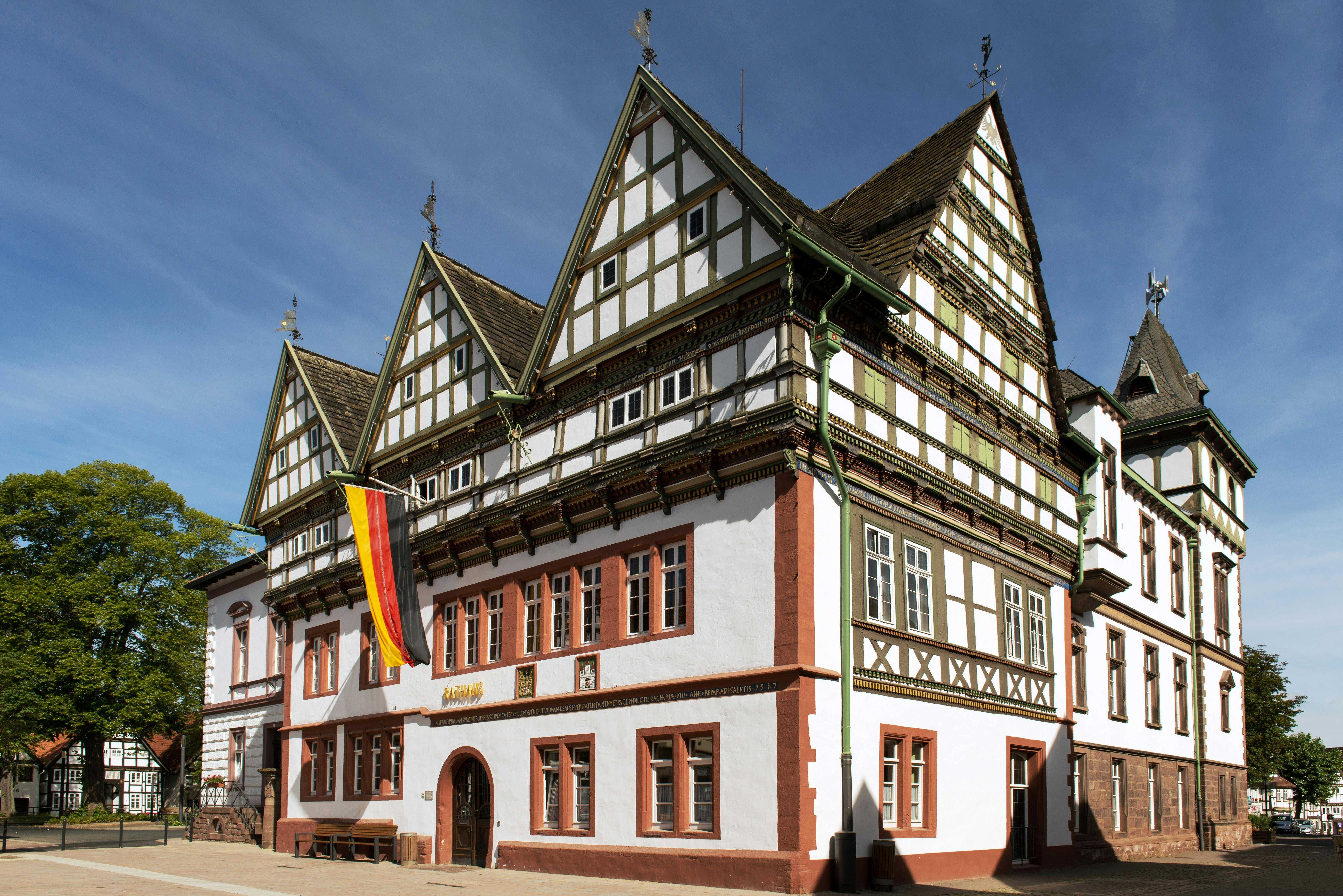
Historic Sites: Seesen has a rich history dating back to the Middle Ages, and visitors can explore historic sites such as the St. Andreas Church, the Town Hall, and the Castle Sehusa. These landmarks provide insight into the town's cultural heritage.
-
Outdoor Activities: In addition to hiking and biking, Seesen offers opportunities for outdoor activities such as horseback riding, fishing, and skiing during the winter months. The region's natural surroundings make it an ideal destination for nature lovers and adventure seekers.
-
Local Cuisine: Travelers can sample traditional German cuisine in Seesen, including hearty dishes such as schnitzel, bratwurst, and sauerkraut. There are also cozy cafes and bakeries where visitors can enjoy freshly baked pastries and local specialties.
-
Cultural Events: Throughout the year, Seesen hosts various cultural events, festivals, and markets that showcase the town's heritage and traditions. These events provide opportunities for visitors to interact with locals and experience the vibrant community spirit.
Overall, traveling to Seesen offers a combination of natural beauty, historical charm, outdoor activities, culinary delights, and cultural experiences, making it a rewarding destination for travelers seeking an authentic German experience.
What to know
Seesen, located in Lower Saxony, Germany, is a charming town with a rich history and beautiful surrounding countryside. However, like any destination, there are some potential cons to consider when traveling to Seesen:
-
Limited public transportation: Seesen is a relatively small town, and while it has some public transportation options, they may be limited compared to larger cities. This could make it more challenging to get around the area without a car.
-
Limited nightlife and entertainment options: Seesen is a quieter town, so if you are looking for a bustling nightlife scene or a wide variety of entertainment options, you may find the choices to be more limited here.
-
Language barrier: While many people in Seesen may speak English, especially in tourist areas, the primary language spoken is German. If you do not speak German, you may experience some communication challenges.
-
Seasonal weather: Lower Saxony, like much of Northern Europe, can experience cold and wet weather, especially in the winter months. If you are sensitive to cold or prefer warmer climates, this may be a con for you.
-
Limited tourist attractions: While Seesen has its own unique charm and attractions, it may not offer as many tourist sites and activities compared to larger cities or more well-known destinations in Germany.
Overall, while Seesen has much to offer in terms of history, nature, and culture, it may not be the best fit for travelers seeking a bustling urban environment or a wide range of tourist attractions. It is important to consider your preferences and travel priorities when deciding whether Seesen is the right destination for you.