

Scituate
· US

Scituate

Scituate, Massachusetts, United States

Scituate, a charming coastal town nestled in Massachusetts, offers a serene and picturesque escape for visitors seeking a blend of history, natural beauty, and seaside charm. Located just 30 miles south of Boston, Scitua…

#Coastal town#Historic landmarks#Maritime heritage#New England#Scenic views
1/5

Top hotels & flights

Hand-picked stays and the best fares into Scituate.

Top Hotels in Scituate

Top Flights to Scituate

Location videos

Real reels from travelers, plus longer watches to get the full picture.

From travelers
Watch & explore

Practical info

The essentials for planning your time in Scituate.

Currency
$ | USD | US Dollar
Population
The approximate estimated total population of Scituate, Massachusetts, is around 19 thousand.
Languages
English, English
Average weather
Scituate
Jan
snow
2°-6°
Feb
snow
3°-5°
Mar
cloud
7°-2°
Apr
rain
13°3°
May
cloud
19°8°
Jun
sun
25°14°
Jul
hot
28°18°
Aug
hot
27°17°
Sep
sun
23°13°
Oct
cloud
17°7°
Nov
rain
11°2°
Dec
snow
5°-3°

Local guide

What travelers love, what to watch for, and a deeper read on Scituate.

What people love

Scituate, Massachusetts, offers a charming coastal town experience with a variety of attractions and activities for visitors to enjoy. Here are some pros of traveling to Scituate:

  1. Scenic Beauty: Scituate is known for its picturesque coastal scenery, including beautiful beaches, rocky shorelines, and historic lighthouses. Visitors can enjoy stunning views of the Atlantic Ocean and explore scenic coastal trails.

  2. Outdoor Activities: Scituate provides ample opportunities for outdoor recreation, such as swimming, kayaking, paddleboarding, fishing, and hiking. The town's beaches and parks are perfect for relaxing and enjoying the natural surroundings.

  3. Historical Sites: Scituate has a rich history dating back to the colonial era, and visitors can explore historic sites such as the Old Oaken Bucket Homestead, the Scituate Lighthouse, and the Lawson Tower. These attractions offer insight into the town's past and heritage.

  4. Quaint Downtown Area: Scituate's downtown area is filled with charming shops, cafes, and restaurants, making it a pleasant place to stroll and explore. Visitors can shop for unique gifts, dine at local eateries, and soak in the small-town atmosphere.

  5. Community Events: Scituate hosts various community events throughout the year, including festivals, farmers markets, and art shows. These events provide a glimpse into local culture and offer opportunities to interact with residents.

Overall, traveling to Scituate, Massachusetts, is a great choice for those seeking a relaxing coastal getaway with a mix of outdoor activities, history, and small-town charm.

What to know

Some potential cons of traveling to Scituate, Massachusetts, United States, may include:

  1. Weather: Scituate experiences typical New England weather, which can include cold winters with snowfall and potentially severe weather conditions at times. Travelers should be prepared for varying weather patterns depending on the season they visit.

  2. Limited Public Transportation: Scituate is a small coastal town and may have limited public transportation options. Travelers may need to rely on their own transportation or taxis to get around the area.

  3. Limited Nightlife and Entertainment: Scituate is a quiet coastal town known for its scenic beauty and historical charm. Visitors looking for a vibrant nightlife scene or a wide range of entertainment options may find the town to be more subdued compared to larger cities.

  4. Seasonal Crowds: During peak tourist seasons, Scituate may experience an influx of visitors which can lead to crowded beaches, restaurants, and attractions. Travelers seeking a more peaceful and secluded experience may want to plan their visit during off-peak times.

  5. Limited Accommodation Options: Scituate is a smaller town compared to nearby cities like Boston, so accommodation options may be more limited. It is advisable to book accommodations well in advance, especially during busy travel seasons.

Overall, while Scituate offers beautiful coastal scenery and a charming New England experience, travelers should be prepared for potential limitations in terms of public transportation, nightlife, and accommodation options.

Scituate, Massachusetts, is a historic town located on the South Shore of Massachusetts, about 25 miles southeast of Boston. Its history dates back to the early 17th century, making it rich in colonial and maritime heritage.

Early History and Settlement

  • Founding: Scituate was settled by Puritans from Plymouth and the Massachusetts Bay Colony. The town was officially incorporated in 1636. The name "Scituate" is derived from the Wampanoag term "Satuit," which means "cold brook," referring to a local brook that runs to the harbor.

Colonial Period

  • Economic Development: In its early years, Scituate's economy was largely based on agriculture, fishing, and salt marsh hay production. The town's location along the coast made it ideal for fishing and later for shipbuilding.
  • Cudworth House: Built in the 17th century, the Cudworth House is one of Scituate's oldest structures. It highlights the typical architecture and lifestyle of early settlers.

Revolutionary War and 19th Century

  • Revolutionary War: Like many New England towns, Scituate was affected by the American Revolutionary War. Local militias were formed, and residents participated in the broader struggle for independence.
  • Maritime Industry: By the 19th century, shipbuilding became a significant industry in Scituate. The town's shipyards produced a variety of vessels, including schooners and fishing boats.

Significant Landmarks

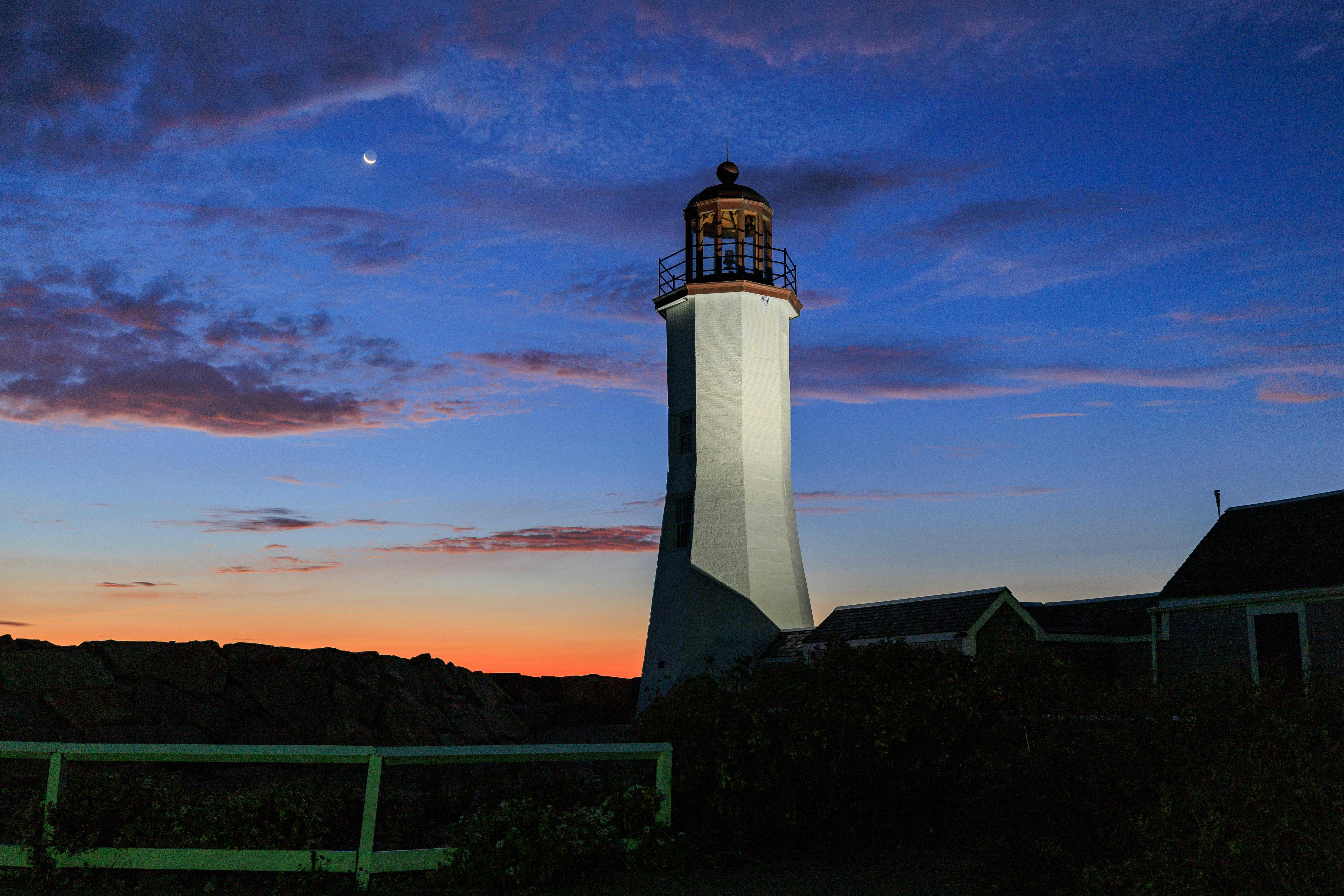
  • Old Scituate Lighthouse: Constructed in 1811, the lighthouse is one of the oldest in the United States and played a crucial role in guiding ships into Scituate Harbor. It is famously associated with the story of the "Lighthouse Army of Two," where two young girls, Abigail and Rebecca Bates, are said to have warded off a British warship during the War of 1812 by playing fife and drums to simulate an approaching militia.
  • Stockbridge Grist Mill: Built in the 17th century, the mill is one of the oldest in the country and reflects the early industrial activity in the region.

20th Century to Present

  • Development: Throughout the 20th century, Scituate evolved from a primarily maritime and agricultural community into a suburban town, with many residents commuting to Boston for work.
  • Cultural Heritage: Scituate has a large Irish-American population, which is celebrated through events such as the annual St. Patrick's Day Parade.

Historical Figures

  • Charles Turner Torrey: An abolitionist from Scituate, Torrey was known for his work in the Underground Railroad and his efforts to free enslaved people.

Modern Scituate

Today, Scituate is known for its scenic beauty, historic landmarks, and a strong sense of community. It maintains its historic charm while offering modern amenities, making it a desirable place to live and visit.

Scituate's rich history is preserved through various local historical societies and the careful maintenance of its landmarks, ensuring that future generations can appreciate the town's storied past.