
Santiago del Teide
· ES

Santiago del Teide

Santiago del Teide, Canary Islands, Spain

Santiago del Teide, nestled in the breathtaking Canary Islands of Spain, is a hidden gem waiting to be explored by curious travelers. Located on the western side of Tenerife, this charming municipality boasts a unique bl…

#Santiago del Teide#Canary Islands#Spain#Mountainous#Volcanic
1/2

Top hotels & flights

Hand-picked stays and the best fares into Santiago del Teide.

Top Hotels in Santiago del Teide

Top Flights to Santiago del Teide

Location videos

Real reels from travelers, plus longer watches to get the full picture.

From travelers
Watch & explore

Practical info

The essentials for planning your time in Santiago del Teide.

Currency
€ | EUR | Euro
Population
Information not available.
Languages
Spanish, Spanish
Average weather
Santiago del Teide
Jan
cloud
18°12°
Feb
cloud
18°12°
Mar
clear
19°13°
Apr
clear
20°14°
May
sun
21°15°
Jun
sun
23°17°
Jul
sun
25°19°
Aug
sun
26°20°
Sep
sun
25°19°
Oct
clear
23°17°
Nov
cloud
21°15°
Dec
cloud
19°13°

Local guide

What travelers love, what to watch for, and a deeper read on Santiago del Teide.

What people love

Traveling to Santiago del Teide in the Canary Islands, Spain, offers several advantages for visitors:

  1. Stunning Natural Beauty: Santiago del Teide is known for its breathtaking landscapes, including the iconic Mount Teide, Spain's highest peak. The area is perfect for outdoor enthusiasts, with opportunities for hiking, biking, and exploring volcanic terrain.

  2. Charming Town: The town of Santiago del Teide itself is a picturesque and traditional Spanish village, offering a glimpse into local life and culture. Visitors can wander the streets, visit local shops and restaurants, and experience the laid-back atmosphere.

  3. Peaceful Atmosphere: Compared to more touristy areas in the Canary Islands, Santiago del Teide offers a more tranquil and peaceful environment. It's a great destination for those seeking relaxation and a slower pace of life.

  4. Authentic Cuisine: The region boasts delicious traditional Canarian cuisine, with fresh seafood, local cheeses, and unique dishes to try. Visitors can sample local specialties in the town's restaurants and cafes.

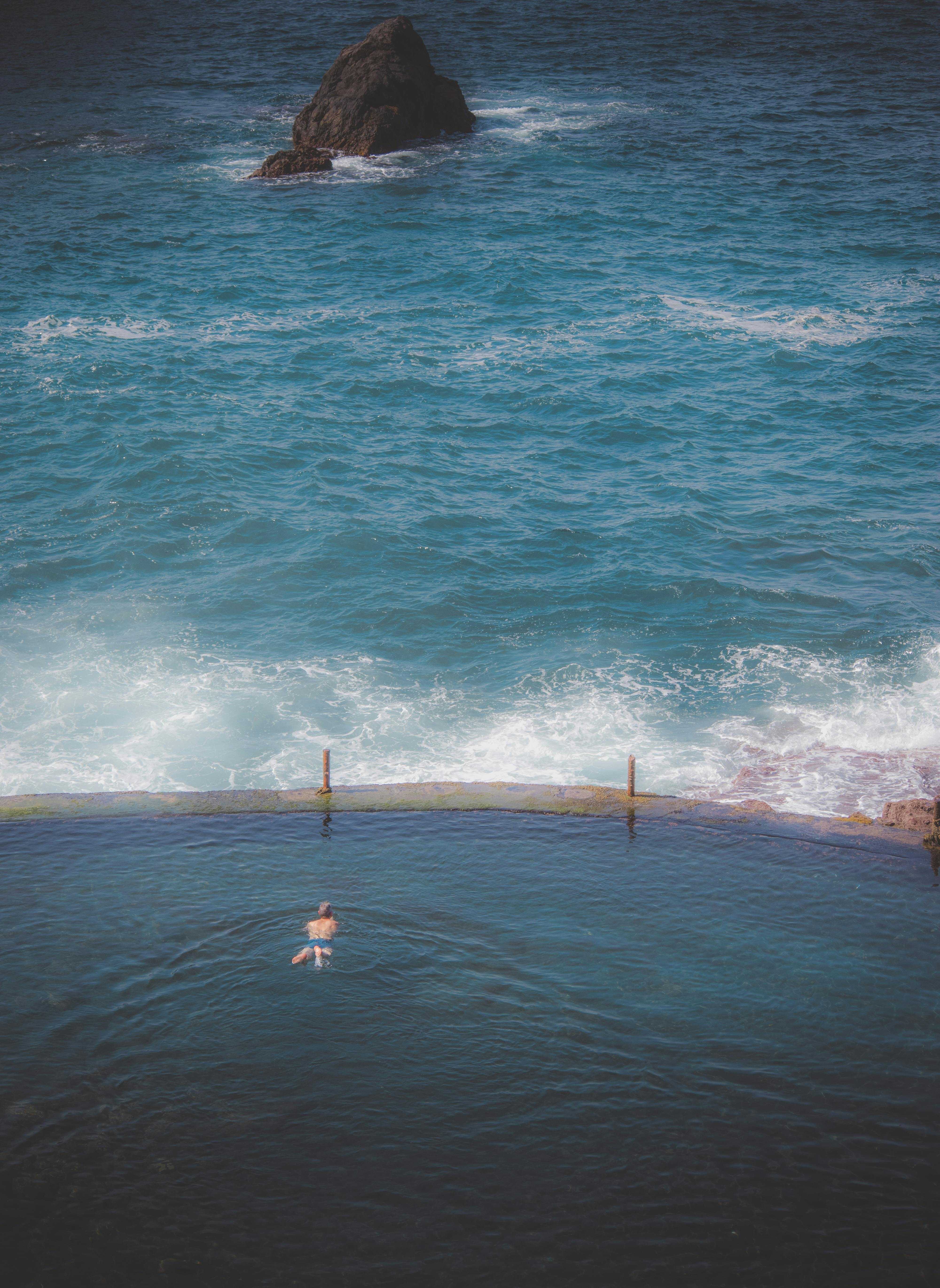
  5. Outdoor Activities: In addition to hiking and biking, Santiago del Teide offers opportunities for water sports such as snorkeling, diving, and swimming. The nearby coast provides beautiful beaches and clear waters for leisure activities.

Overall, traveling to Santiago del Teide provides a mix of natural beauty, cultural experiences, and outdoor adventures, making it a great destination for a relaxing and enriching holiday.

What to know

Some potential cons of traveling to Santiago del Teide in the Canary Islands, Spain, include:

  1. Remote Location: Santiago del Teide is a small town located in a more remote area of Tenerife, which may result in limited access to amenities and services compared to more touristy areas of the island.

  2. Limited Nightlife: If you are looking for a vibrant nightlife scene, Santiago del Teide may not be the best destination as it is a quieter town with fewer entertainment options in the evening.

  3. Weather Variability: The weather in Santiago del Teide can be unpredictable due to its mountainous terrain, with potential for clouds, fog, and cooler temperatures, especially at higher elevations.

  4. Limited Public Transportation: Getting around Santiago del Teide and the surrounding areas may be more challenging without a car, as public transportation options can be limited compared to more urban areas.

  5. Language Barrier: While many locals in Santiago del Teide may speak some English, Spanish is the predominant language. If you do not speak Spanish, communication may be more challenging in certain situations.

Overall, while Santiago del Teide offers beautiful landscapes and a more relaxed atmosphere, travelers should be prepared for a quieter and potentially more isolated experience compared to busier tourist destinations on the island.

Santiago del Teide is a municipality located in the western part of the island of Tenerife, which is part of the Canary Islands, Spain. The history of Santiago del Teide, like much of the Canary Islands, is rich and diverse, shaped by indigenous cultures, European colonization, and the development of the tourism industry.

Early History

  • Guanches: Before the arrival of the Spanish, the area was inhabited by the Guanches, the aboriginal people of Tenerife. They lived in a tribal society and were known for their mummification processes and cave dwellings.
  • Conquest of Tenerife: The Spanish conquest of Tenerife was completed in 1496 by Alonso Fernández de Lugo. This marked the beginning of significant changes in the cultural and social landscape of the island, including the area that is now Santiago del Teide.

Post-Conquest and Colonial Period

  • Agriculture: After the conquest, the land was divided, and agriculture became a primary economic activity. The fertile soil in the region was suitable for growing crops like potatoes, tomatoes, and grapes, which were important for trade.
  • Religious Influence: The construction of churches and the establishment of parishes were significant during this period. The Church of San Fernando Rey, located in the town of Santiago del Teide, dates back to the early colonial period and is an important religious and historical landmark.

Modern Era

  • Economic Changes: In the 20th century, the economy began to shift from agriculture to tourism, driven by Tenerife's attractive climate and natural beauty. This transition significantly impacted Santiago del Teide, leading to urban development and infrastructure improvements.
  • Tourism Development: The nearby coastal area of Los Gigantes, known for its dramatic cliffs, became a popular tourist destination. This brought increased economic activity and development to Santiago del Teide, promoting it as a hub for visitors exploring the natural landscapes.

Significant Events

  • Chinyero Eruption (1909): This volcanic eruption, the last to occur on Tenerife, happened near Santiago del Teide. It was a significant geological event, but fortunately, it did not cause any casualties. The Chinyero area is now a popular hiking destination and part of the natural park.

Landmarks and Natural Attractions

  • Acantilados de Los Gigantes: These massive sea cliffs are one of the most famous natural attractions in the area, rising up to 800 meters above sea level.
  • Teno Rural Park: This park offers diverse landscapes, hiking trails, and rich biodiversity, making it a favorite for nature enthusiasts.
  • Chinyero Nature Reserve: The site of the last volcanic eruption on the island, it provides educational opportunities about volcanic activity and its impact on the landscape.

Cultural Significance

  • Festivals: Santiago del Teide hosts various cultural and religious festivals, reflecting the area's traditions and community spirit.

Overall, Santiago del Teide's history is a blend of indigenous heritage, colonial influence, and modern tourism development, each contributing to the unique character of this region in the Canary Islands.