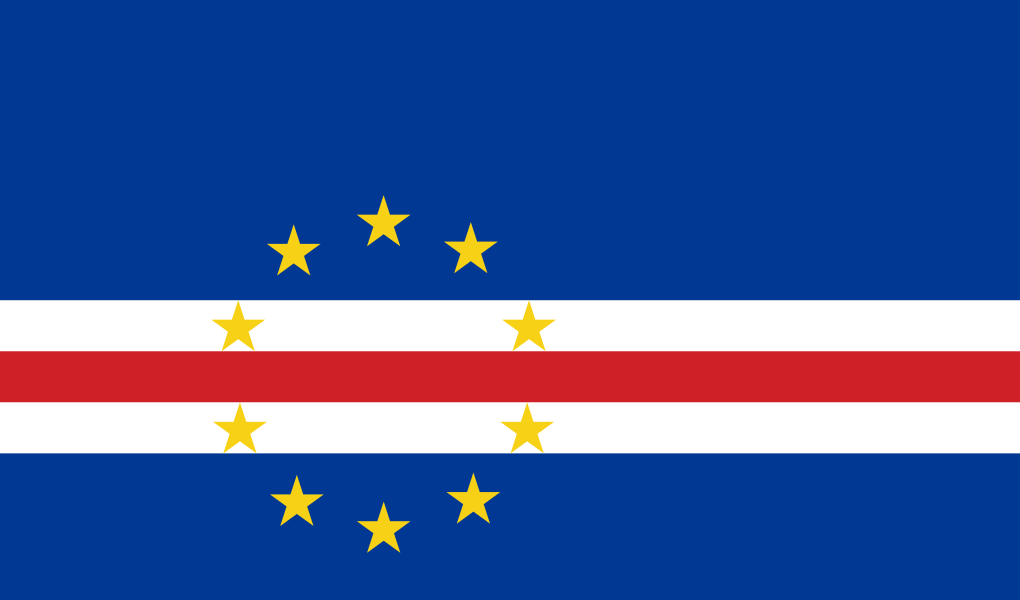
Santa Cruz
· CV

Santa Cruz

Santa Cruz, Cabo Verde

Santa Cruz, located on the eastern coast of Santiago Island in Cape Verde, is a charming destination that offers a rich blend of cultural experiences and natural beauty. Known for its welcoming atmosphere and vibrant loc…

1/1

Top hotels & flights

Hand-picked stays and the best fares into Santa Cruz.

Top Hotels in Santa Cruz

Top Flights to Santa Cruz

Popular activities

Tours, tickets and experiences travelers book most in Santa Cruz.

Tours

Explore the Beaches of Santa Cruz

Visit the stunning beaches of Santa Cruz and enjoy the sunny weather and beautiful views.

Shopping

Visit the Santa Cruz Market

Experience the local culture by visiting the bustling Santa Cruz Market, offering a variety of local products and souvenirs.

Outdoor

Hiking in Monte Graciosa

Discover the trails of Monte Graciosa and experience breathtaking views of Cabo Verde.

Practical info

The essentials for planning your time in Santa Cruz.

Currency
$ | CVE | Cape Verdean Escudo
Average weather
Santa Cruz
Jan
rain
15°5°
Feb
rain
16°6°
Mar
cloud
17°7°
Apr
cloud
18°8°
May
clear
19°10°
Jun
sun
21°11°
Jul
sun
23°12°
Aug
sun
23°13°
Sep
sun
23°13°
Oct
clear
22°11°
Nov
cloud
18°8°
Dec
rain
15°5°

Local guide

What travelers love, what to watch for, and a deeper read on Santa Cruz.

What people love

Santa Cruz is one of the municipalities located on the island of Santiago in Cabo Verde, an archipelago off the west coast of Africa. Traveling to Santa Cruz, Cabo Verde, offers several potential advantages:

  1. Cultural Experience: Santa Cruz provides a rich cultural experience with its blend of African, Portuguese, and Creole influences. Visitors can explore local traditions, music, and cuisine that reflect this unique cultural mix.

  2. Scenic Landscapes: The island of Santiago is known for its diverse landscapes, which include mountains, valleys, and beaches. Santa Cruz offers opportunities to explore these natural environments, which can be a great attraction for nature lovers and outdoor enthusiasts.

  3. Local Markets and Cuisine: Visitors can enjoy the vibrant local markets where they can purchase fresh produce, local crafts, and traditional Cape Verdean dishes. The cuisine often features fresh seafood, tropical fruits, and a variety of spices.

  4. Warm Climate: Cabo Verde has a warm, tropical climate, making it an appealing destination for travelers seeking sunshine and pleasant weather throughout the year.

  5. Friendly Locals: The people of Cabo Verde are known for their hospitality and friendliness, which can enhance the travel experience by making visitors feel welcome and comfortable.

  6. Cultural Festivals: Depending on the time of your visit, you might experience local festivals and events that showcase the vibrant culture and heritage of the region.

  7. Proximity to Other Tourist Spots: Santa Cruz's location on Santiago Island makes it a good base for exploring other attractions on the island, such as Praia (the capital city), Tarrafal, and the historic town of Cidade Velha, a UNESCO World Heritage site.

  8. Adventure Activities: The island offers various activities such as hiking, bird watching, and water sports that can be enjoyed in and around Santa Cruz.

As with any travel destination, it's recommended to research current conditions and travel advisories before planning your trip.

What to know

Information not available.

Santa Cruz is a municipality located on the eastern side of Santiago Island in Cabo Verde. Here is a detailed history and overview of Santa Cruz, highlighting significant events, historical figures, and important landmarks:

Historical Background

  • Early Settlement: Santiago Island, where Santa Cruz is located, was among the first of the Cape Verde islands to be settled by the Portuguese in the 15th century. The island became a crucial point for maritime trade routes and a hub for the transatlantic slave trade.

  • Colonial Era: During the colonial period, the economy of Santiago, including areas like Santa Cruz, was heavily influenced by agriculture. The region was known for producing crops such as sugarcane and cotton, which were labor-intensive and relied on enslaved Africans.

  • Post-Independence: Cabo Verde gained independence from Portugal on July 5, 1975. Since then, Santa Cruz, like other regions in the country, has been developing its infrastructure and economy, focusing on agriculture, fishing, and more recently, tourism.

Significant Events

  • Independence Movement: The struggle for independence in Cabo Verde, which culminated in 1975, involved various political and social movements. Santa Cruz, along with other municipalities, played a role in supporting these efforts.

  • Recent Developments: In recent decades, Santa Cruz has seen improvements in infrastructure, including roads, schools, and healthcare facilities, as part of national development plans.

Historical Figures

  • Amílcar Cabral: Although not specifically from Santa Cruz, Amílcar Cabral is a significant figure in Cabo Verde's history. He was a leader in the independence movement and has inspired generations of Cabo Verdeans. His influence extends throughout the country, including Santa Cruz.

Important Landmarks

  • Local Churches: Many towns in Cabo Verde, including those in Santa Cruz, feature colonial-era churches that reflect the Portuguese influence on the island.

  • Natural Landmarks: Santiago Island is known for its beautiful landscapes, including mountains and beaches. Santa Cruz offers access to some of these natural attractions.

  • Cultural Sites: Santa Cruz hosts various cultural festivals and events, celebrating Cabo Verdean music, dance, and traditions, which are important aspects of the community's cultural identity.

Cultural Aspects

  • Music and Dance: Cabo Verde is famous for its unique music styles, such as morna and funaná. Santa Cruz contributes to this vibrant cultural scene with local musicians and festivals.

  • Agriculture: The municipality is known for its agricultural activities, including the cultivation of fruits and vegetables, which are vital to the local economy.

Santa Cruz continues to develop as part of Cabo Verde's broader national growth, balancing its rich history with modern advancements.