
San Pedro del Pinatar
· ES

San Pedro del Pinatar

San Pedro del Pinatar, Murcia, Spain

San Pedro del Pinatar is a charming coastal town located in the Murcia region of Spain, known for its stunning beaches, therapeutic mud baths, and unique natural reserves. Situated on the Mar Menor, Europe's largest salt…

#beach town#Murcia#Spain#coastal#tourist destination
1/2

Top hotels & flights

Hand-picked stays and the best fares into San Pedro del Pinatar.

Top Hotels in San Pedro del Pinatar

Top Flights to San Pedro del Pinatar

Location videos

Real reels from travelers, plus longer watches to get the full picture.

From travelers

Practical info

The essentials for planning your time in San Pedro del Pinatar.

Currency
€ | EUR | Euro
Population
22.1 thousand
Languages
Spanish, Spanish
Average weather
San Pedro del Pinatar
Jan
cloud
16°7°
Feb
cloud
17°8°
Mar
sun
19°10°
Apr
sun
21°12°
May
clear
24°15°
Jun
hot
28°19°
Jul
hot
31°22°
Aug
hot
31°22°
Sep
sun
28°20°
Oct
sun
24°16°
Nov
cloud
20°11°
Dec
cloud
17°8°

Local guide

What travelers love, what to watch for, and a deeper read on San Pedro del Pinatar.

What people love

San Pedro del Pinatar, located in the Murcia region of Spain, offers a variety of attractions and activities that make it a popular destination for travelers. Some of the pros of traveling to San Pedro del Pinatar include:

  1. Natural beauty: San Pedro del Pinatar is known for its stunning natural surroundings, including the famous Salinas de San Pedro salt flats and the regional park of Las Salinas y Arenales de San Pedro. Visitors can enjoy the beautiful landscapes, crystal-clear waters, and unique ecosystems.

  2. Health benefits: The mud baths and therapeutic waters of the Mar Menor, Europe's largest saltwater lagoon, are believed to have healing properties and are popular among visitors seeking relaxation and wellness.

  3. Outdoor activities: The area offers a wide range of outdoor activities such as hiking, cycling, birdwatching, and water sports like sailing, kayaking, and paddleboarding. The calm waters of the Mar Menor are ideal for swimming and snorkeling.

  4. Local cuisine: San Pedro del Pinatar boasts a variety of restaurants and cafes serving delicious traditional Spanish dishes, especially fresh seafood caught from the nearby Mediterranean Sea.

  5. Cultural heritage: The town has a rich history and cultural heritage, with landmarks like the Church of San Pedro Apóstol and the Museo Barón de Benifayó offering insights into its past.

Overall, San Pedro del Pinatar is a charming destination that combines natural beauty, health benefits, outdoor activities, culinary delights, and cultural experiences, making it a great choice for travelers looking for a diverse and rejuvenating vacation.

What to know

Some potential cons of traveling to San Pedro del Pinatar in Murcia, Spain include:

  1. Weather: During the summer months, San Pedro del Pinatar can experience very high temperatures, which may be uncomfortable for some travelers, especially those not accustomed to the heat. Additionally, winters can be cooler and wetter than other parts of Spain.

  2. Crowds: San Pedro del Pinatar is a popular tourist destination, particularly during the peak summer months. This means that the area can get quite crowded with both tourists and locals, leading to potential congestion and difficulty finding accommodations.

  3. Language barrier: While many people in San Pedro del Pinatar speak English, the primary language is Spanish. Travelers who do not speak Spanish may encounter some challenges communicating with locals and navigating the area.

  4. Limited public transportation: While San Pedro del Pinatar is a relatively small town, public transportation options may be limited, making it necessary for travelers to rely on taxis or rental cars to get around.

  5. Potential for jellyfish: The Mar Menor lagoon in San Pedro del Pinatar is known for occasional outbreaks of jellyfish, which can be a concern for swimmers and beachgoers.

Please note that these cons may vary depending on individual preferences and circumstances. It's always a good idea to research further and consider your own preferences before traveling to San Pedro del Pinatar.

San Pedro del Pinatar is a municipality located in the autonomous community of the Region of Murcia, Spain. It is situated on the Mediterranean coast, near the Mar Menor, a large saltwater lagoon. The history of San Pedro del Pinatar is rich, with influences from various cultures and civilizations throughout the centuries.

Prehistoric and Ancient History: The area around San Pedro del Pinatar has been inhabited since prehistoric times, as evidenced by archaeological findings. The Iberians, a group of ancient peoples who lived in the Iberian Peninsula, were among the first known inhabitants. Later, the region came under the influence of the Phoenicians and Carthaginians, who were active in Mediterranean trade.

Roman and Visigothic Periods: During the Roman period, the area became part of the Roman province of Hispania. The Romans built roads and villas and exploited the salt flats, which are still a significant feature of the region today. After the fall of the Roman Empire, the Visigoths controlled the area until the arrival of the Moors.

Moorish Rule: Under Moorish rule, which began in the 8th century, the area was part of the Emirate and later the Caliphate of Córdoba. The Moors introduced new agricultural techniques and crops. The town's name, San Pedro del Pinatar, likely originates from this period, as the name "Pinatar" is derived from "pinar," meaning pine forest, indicating the landscape that was prominent in the area.

Reconquista and Christian Spain: San Pedro del Pinatar was incorporated into the Kingdom of Castile in the 13th century during the Christian Reconquista. It became part of the Crown of Castile and later the Kingdom of Murcia. The town was strategically important due to its proximity to the coast and its salt production.

Modern Era: In the 18th and 19th centuries, San Pedro del Pinatar developed as a fishing village and continued to exploit its salt flats. The salt industry and fishing remain vital to the local economy.

20th Century to Present: The 20th century brought significant changes to San Pedro del Pinatar with the growth of tourism. The natural beauty of the Mar Menor and the Mediterranean Sea attracted visitors, and the town developed infrastructure to support tourism. The mud baths of the Mar Menor are particularly famous for their therapeutic properties.

Important Landmarks:

  1. Las Salinas y Arenales de San Pedro del Pinatar Regional Park: This natural park is home to the salt flats and a diverse range of bird species, including flamingos. It is a protected area and a major attraction for nature lovers.

  2. The Mar Menor: Known for its calm, warm waters, the Mar Menor is a popular destination for water sports and relaxation.

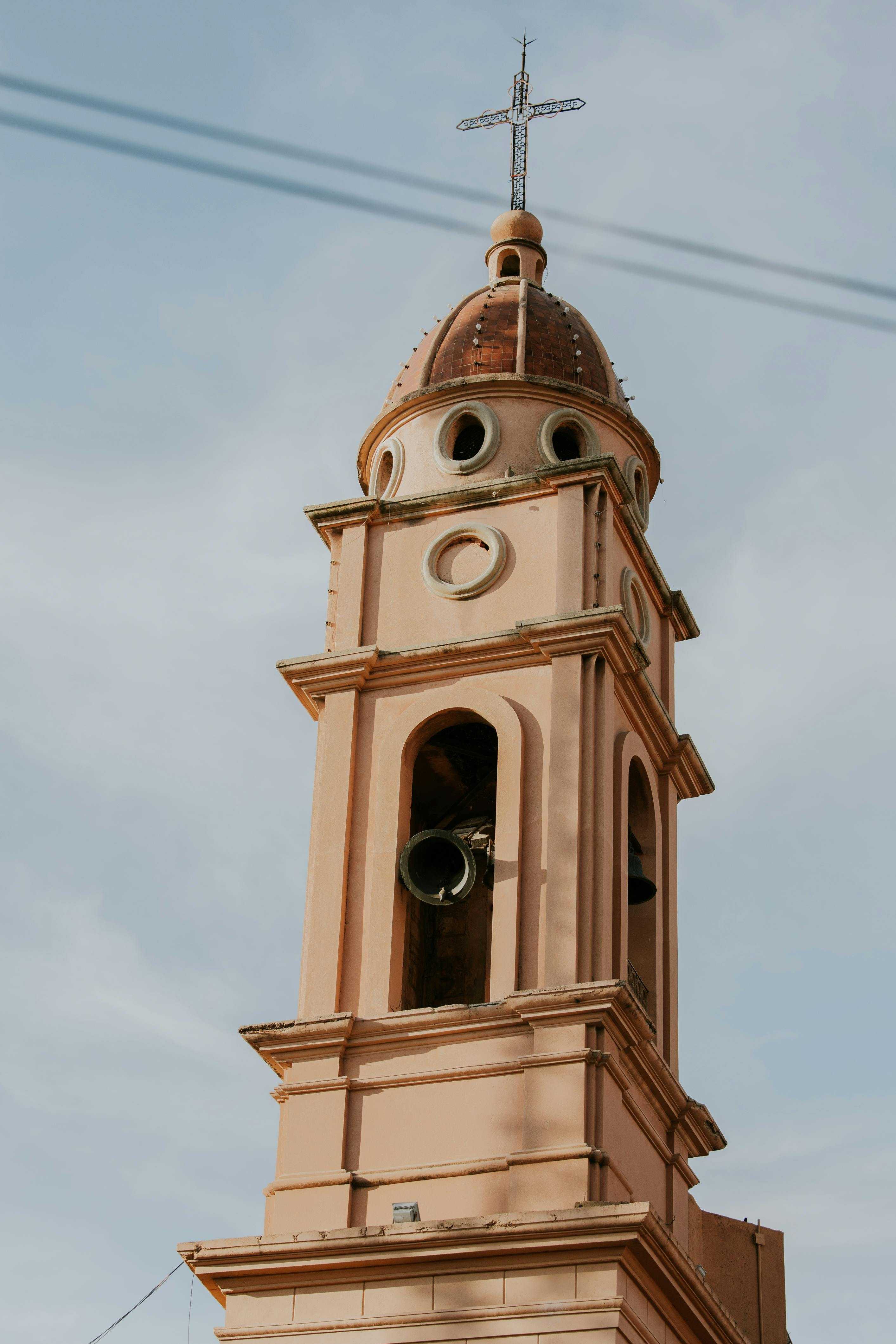
  3. Church of St. Peter (Iglesia de San Pedro Apóstol): The church is a key religious site in the town and a focal point for local festivals and religious events.

  4. The Fish Market (Lonja de Pescado): Reflecting the town's fishing heritage, the fish market is a place to experience the local seafood culture.

San Pedro del Pinatar's blend of history, culture, and natural beauty makes it a unique destination with a rich heritage rooted in its strategic coastal location.