
Sandhausen
· DE

Sandhausen

Sandhausen, Baden-Wurttemberg, Germany

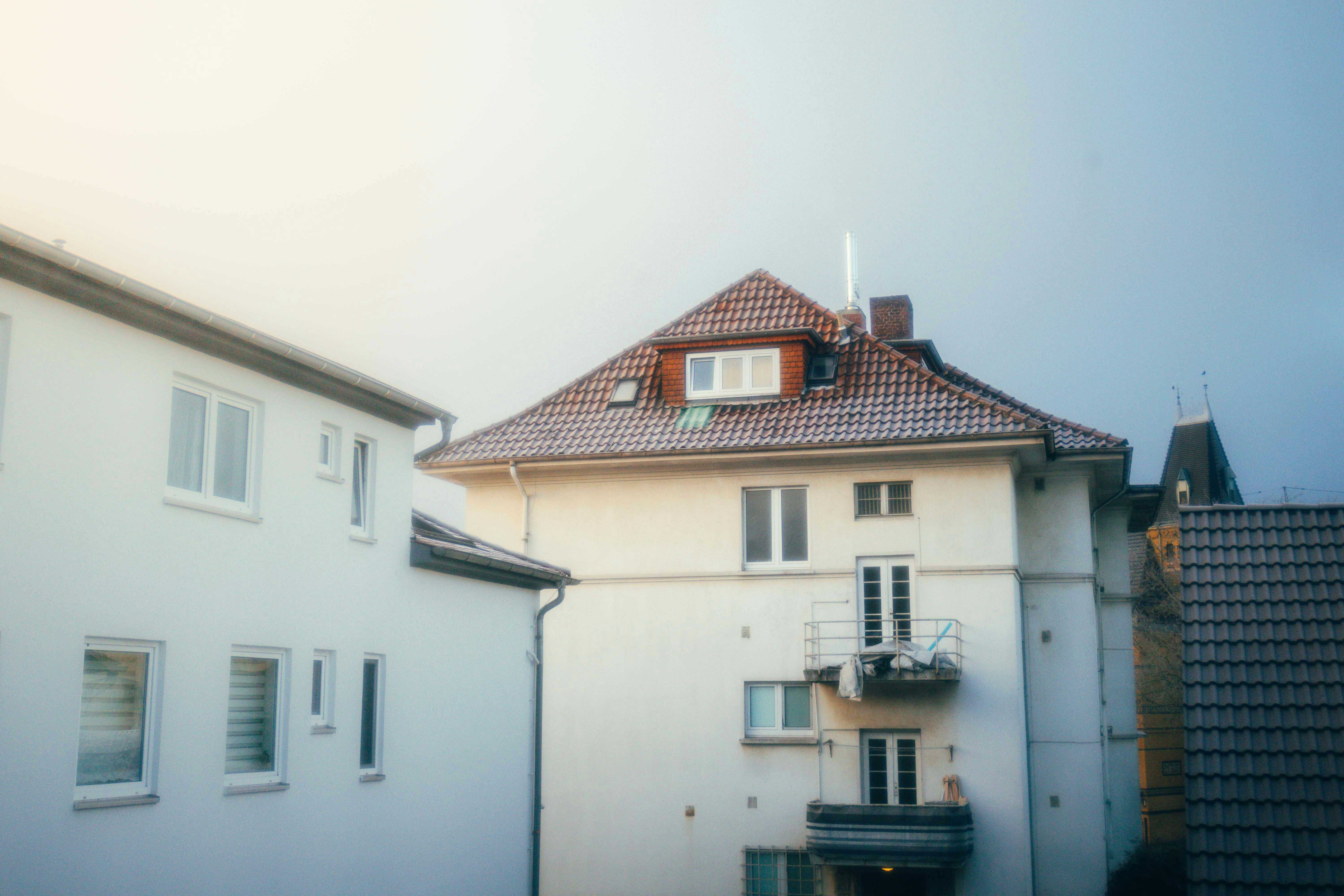
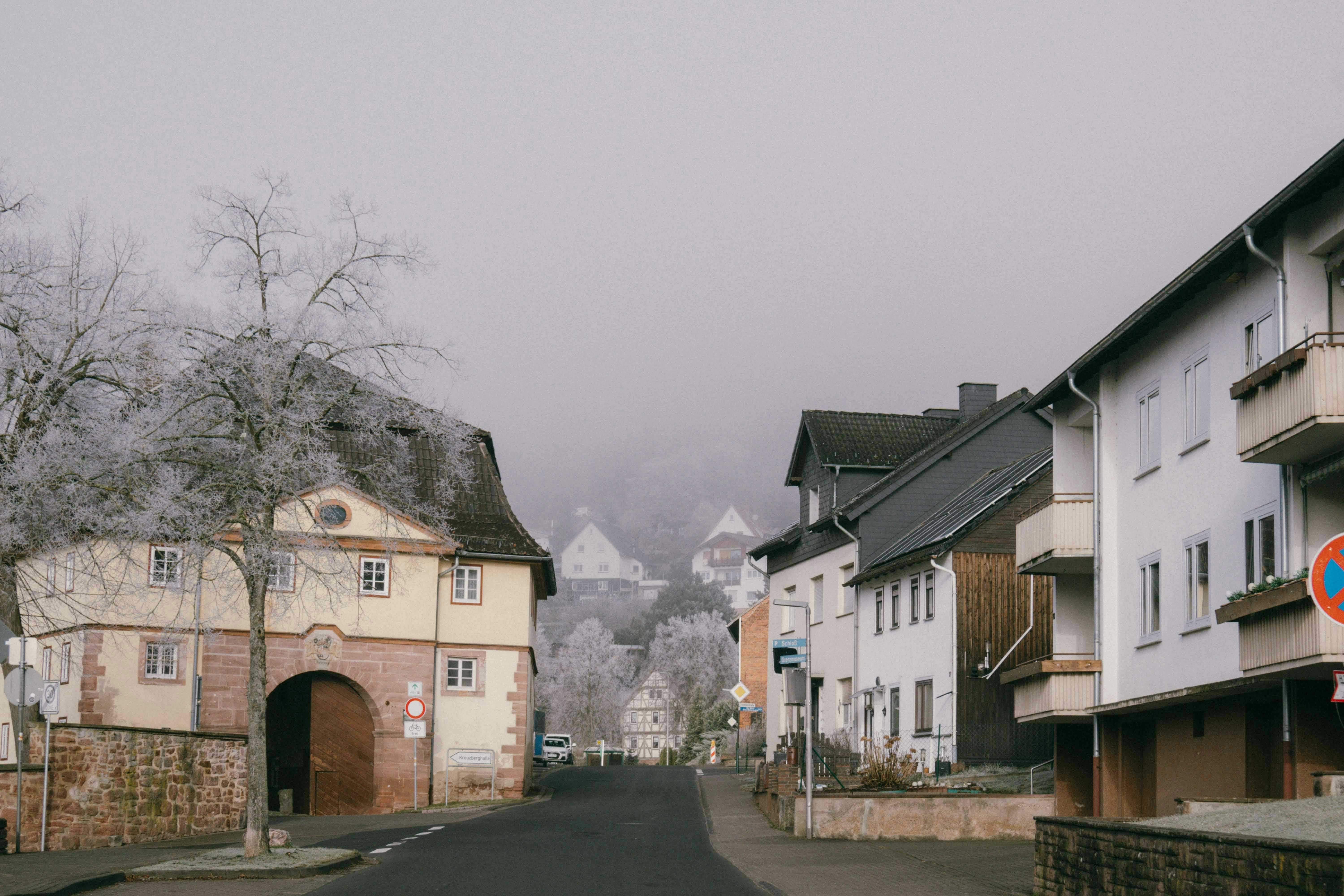
Sandhausen is a charming village located in the state of Baden-Württemberg, Germany. Nestled in the picturesque countryside, Sandhausen offers a tranquil escape from the hustle and bustle of city life while still providi…

#Sandhausen#Baden-Württemberg#Germany#Small town#Residential area
1/2

Top hotels & flights

Hand-picked stays and the best fares into Sandhausen.

Top Hotels in Sandhausen

Top Flights to Sandhausen

Location videos

Real reels from travelers, plus longer watches to get the full picture.

From travelers
Watch & explore

Practical info

The essentials for planning your time in Sandhausen.

Currency
€ | EUR | Euro
Population
The approximate estimated total population of Sandhausen, Baden-Württemberg, Germany is '15,000'.
Languages
German, German
Average weather
Sandhausen
Jan
cold
4°-1°
Feb
cold
6°0°
Mar
cloud
11°2°
Apr
cloud
15°5°
May
sun
20°9°
Jun
sun
23°13°
Jul
sun
26°15°
Aug
sun
25°15°
Sep
cloud
21°11°
Oct
cloud
15°7°
Nov
rain
9°3°
Dec
cold
5°0°

Local guide

What travelers love, what to watch for, and a deeper read on Sandhausen.

What people love

Sandhausen, located in Baden-Württemberg, Germany, may not be a major tourist destination, but it does have some appealing aspects for visitors. Here are some potential benefits of traveling to Sandhausen:

  1. Proximity to Heidelberg: Sandhausen is just a short drive from Heidelberg, one of Germany's most picturesque and historic cities. Visitors can easily travel to Heidelberg to explore its famous castle, the scenic old town, and the lively cultural scene.

  2. Local Charm: As a smaller town, Sandhausen offers a more relaxed and quieter atmosphere compared to larger cities. This can be a nice change of pace for travelers looking to experience local life in a less touristy setting.

  3. Nature and Outdoor Activities: The surrounding region offers beautiful natural landscapes, including forests and parks that are perfect for hiking, cycling, and enjoying the outdoors. The nearby Odenwald mountain range is also a great destination for nature enthusiasts.

  4. Football Culture: Sandhausen is home to the SV Sandhausen football club, which plays in the German football league system. Attending a local match can be a fun way to experience German football culture.

  5. Access to the Rhine-Neckar Region: Sandhausen is well-situated to explore the broader Rhine-Neckar metropolitan region, which includes other interesting cities such as Mannheim and Ludwigshafen, each with their own attractions and cultural offerings.

  6. Local Cuisine: Visitors can enjoy traditional German cuisine in local restaurants and get a taste of regional specialties from Baden-Württemberg.

While Sandhausen itself may not have a wide array of tourist attractions, its location and local charm can make it a worthwhile stop for travelers exploring the region.

What to know

Information not available.

Sandhausen is a town located in the Rhein-Neckar-Kreis district in Baden-Württemberg, Germany. It is situated in the northwestern part of the state, near the city of Heidelberg. Here is a detailed history of Sandhausen, including significant events and landmarks:

Early History

  • Foundation: The area where Sandhausen is located has been inhabited for thousands of years. However, the first documented mention of Sandhausen was in 1262. The name "Sandhausen" likely derives from the sandy soil in the region.
  • Medieval Period: During the Middle Ages, Sandhausen was part of the Electorate of the Palatinate, a significant territorial state of the Holy Roman Empire. The region was characterized by its agricultural activities.

Modern History

  • 19th Century: With the dissolution of the Holy Roman Empire, Sandhausen, like much of the surrounding region, underwent significant administrative changes. It became part of the Grand Duchy of Baden in the early 19th century.
  • Industrialization: The 19th and early 20th centuries saw gradual industrialization, although Sandhausen remained predominantly a farming community.

20th Century

  • World Wars: Sandhausen, like much of Germany, was affected by both World War I and World War II. The town itself did not witness major battles but was impacted by the broader economic and social upheavals of the time.
  • Post-War Period: After World War II, Sandhausen became part of the newly formed state of Baden-Württemberg in 1952. The post-war period brought economic growth and modernization.

Recent Developments

  • Economic Growth: In recent decades, Sandhausen has seen growth as part of the economically prosperous Rhine-Neckar metropolitan region. It benefits from its proximity to larger cities like Heidelberg and Mannheim.
  • Sports: Sandhausen is known for its football club, SV Sandhausen, which plays in the German football league system and has occasionally competed in the 2. Bundesliga, the second tier of German football.

Landmarks

  • Saint Bartholomew Church (St. Bartholomäus): This is a notable historical church in Sandhausen, reflecting the town's cultural and religious heritage.
  • Local Museums and Cultural Sites: While Sandhausen itself is small, it is in proximity to several cultural and historical attractions in the surrounding region, including those in Heidelberg.

Cultural and Social Life

  • Annual Events: Sandhausen hosts several local festivals and events that reflect its cultural traditions and community spirit.
  • Community Facilities: The town has various amenities and facilities that cater to the needs of its residents, including sports clubs and community centers.

Through its history, Sandhausen has evolved from a small agricultural community to a modern town that maintains its local traditions while integrating into the larger economic context of the region. Its history is reflective of the broader historical changes in Germany, particularly in the southwestern region of Baden-Württemberg.