
Sakai
· JP

Sakai

Sakai, Ōsaka, Japan

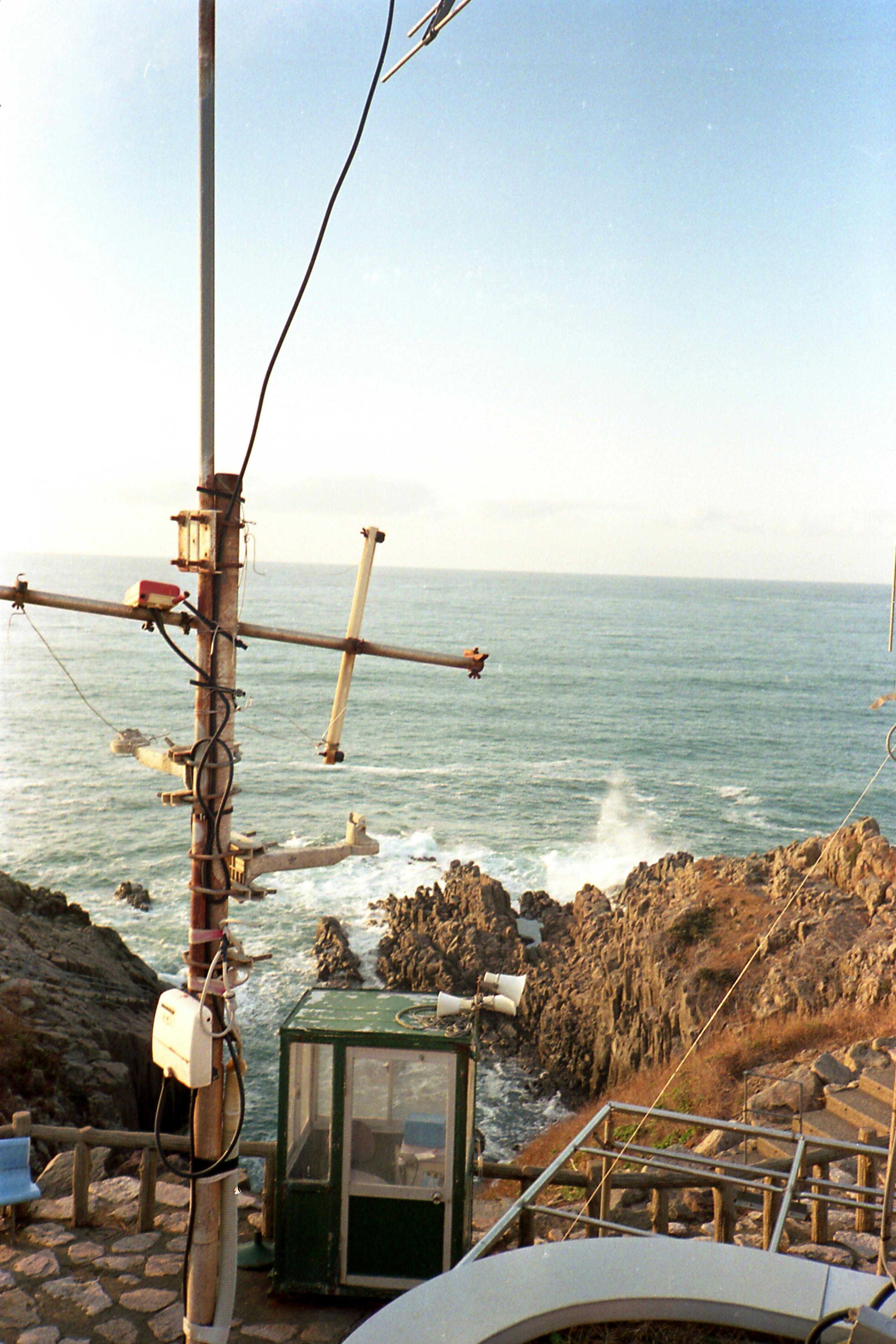
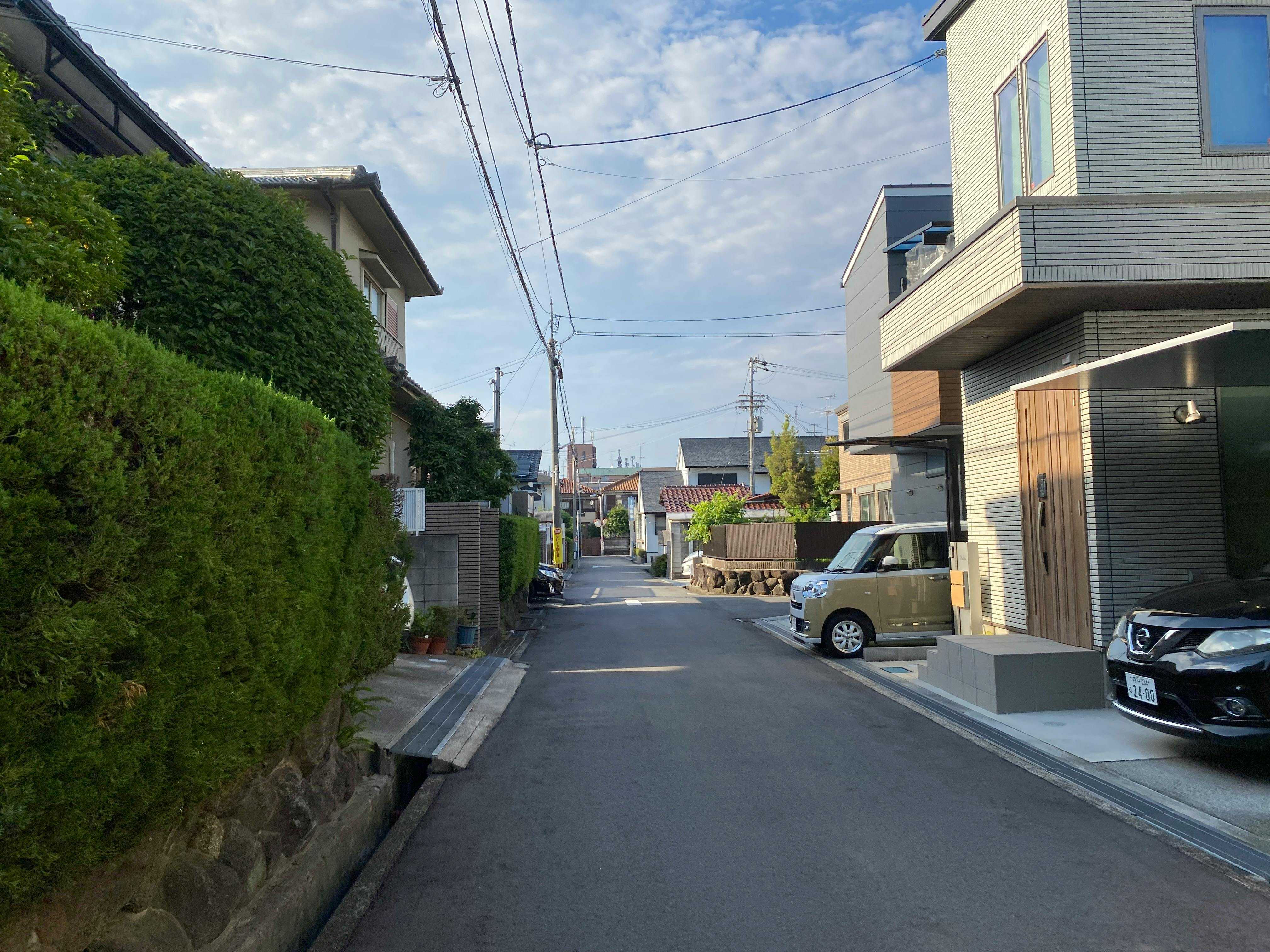
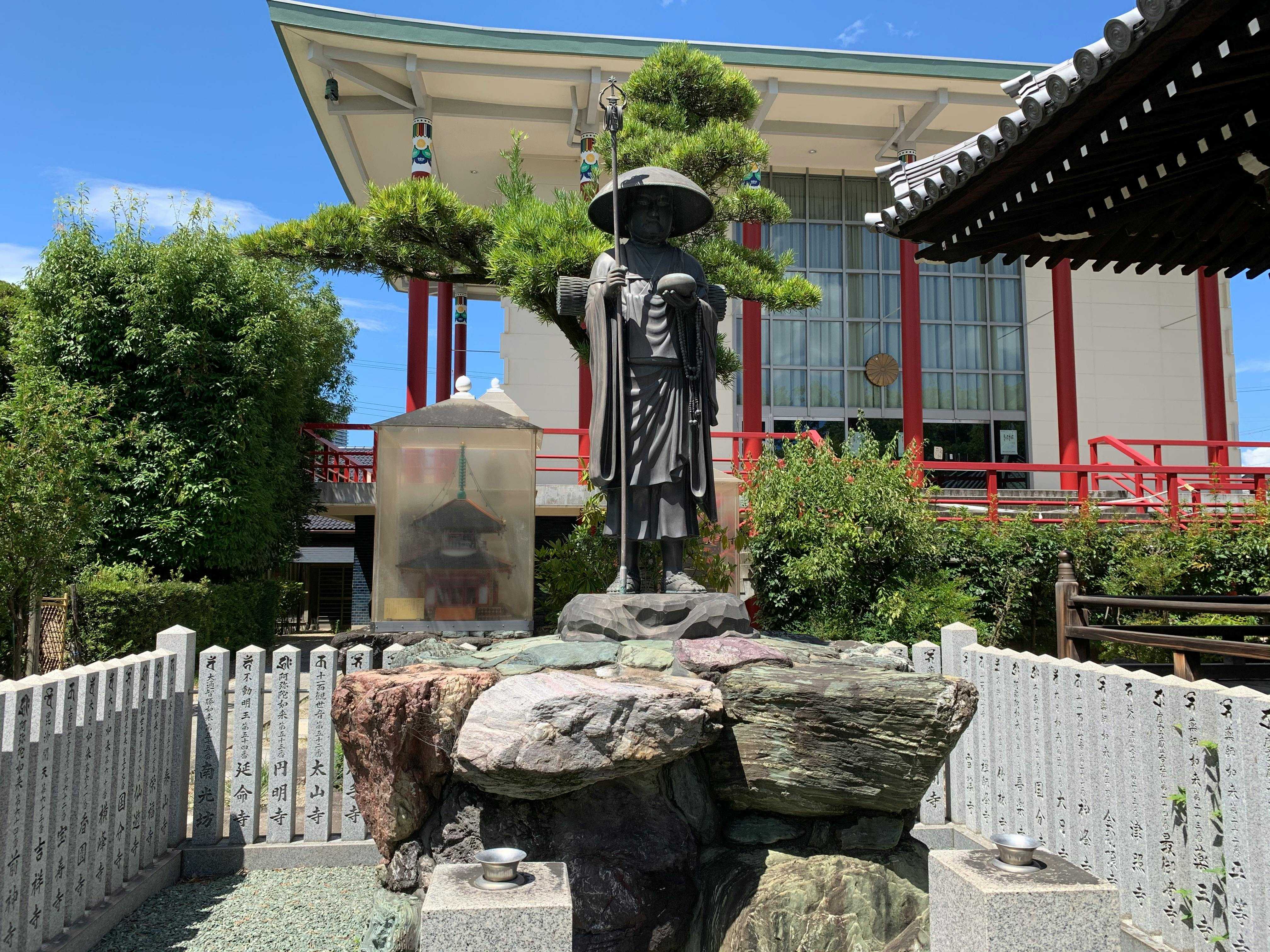
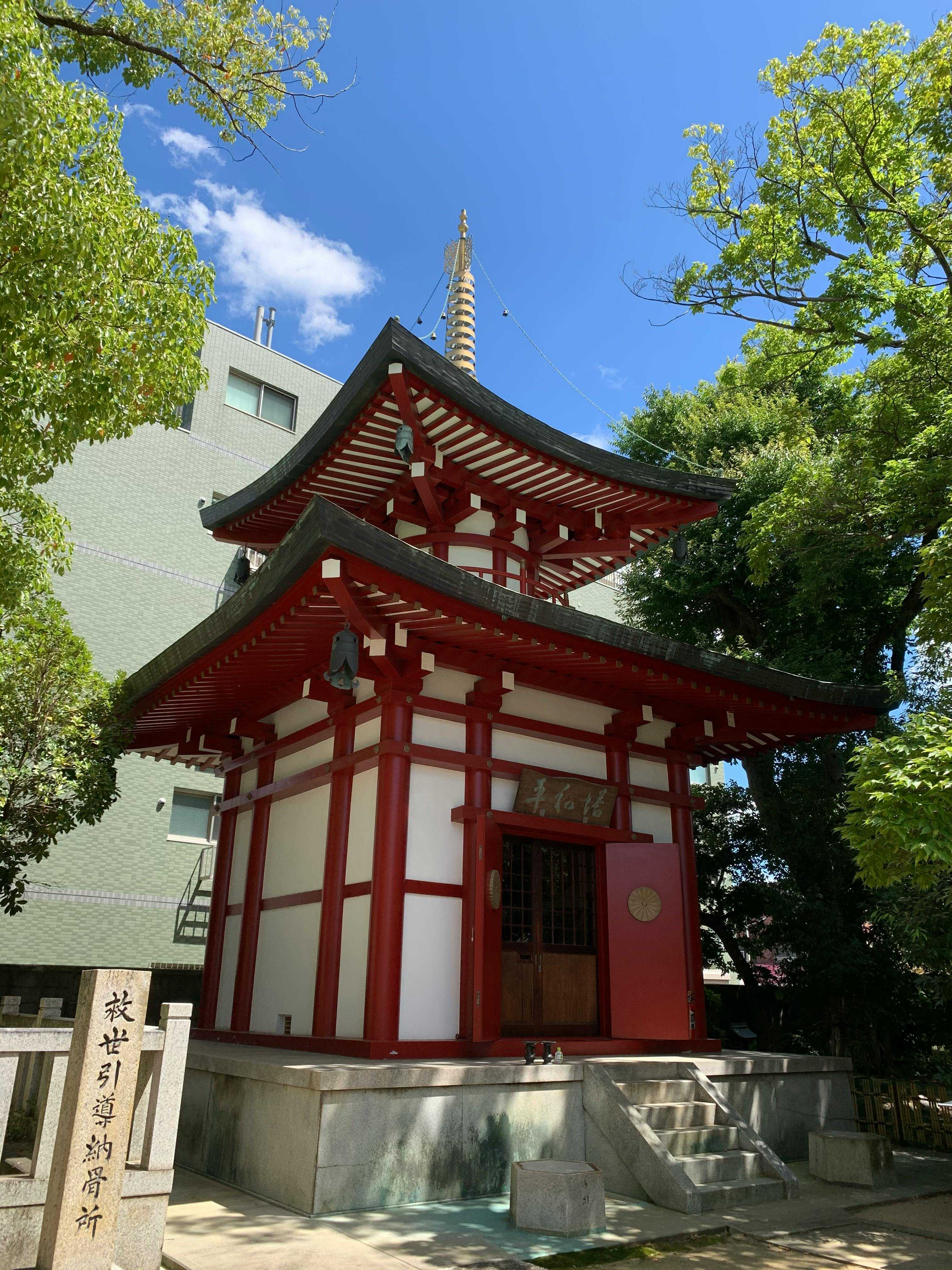
Journey Back in Time and Taste the Future in Sakai, Osaka Sakai, nestled along Osaka Bay, is a city where ancient history meets modern vibrancy. Once a thriving merchant city and rival to Kyoto, Sakai's legacy as a cent…

#Sakai#Ōsaka#Japan#historic#cultural
1/4

Top hotels & flights

Hand-picked stays and the best fares into Sakai.

Top Hotels in Sakai

Top Flights to Sakai

Location videos

Real reels from travelers, plus longer watches to get the full picture.

From travelers
Watch & explore

Practical info

The essentials for planning your time in Sakai.

Currency
¥ | JPY | Japanese Yen
Population
0.8 million
Languages
Japanese, Japanese
Average weather
Sakai
Jan
cold
9°2°
Feb
cold
10°3°
Mar
cloud
13°5°
Apr
cloud
19°10°
May
sun
24°15°
Jun
rain
27°20°
Jul
hot
31°24°
Aug
hot
33°25°
Sep
rain
29°22°
Oct
cloud
23°16°
Nov
cloud
17°10°
Dec
cold
12°5°

Local guide

What travelers love, what to watch for, and a deeper read on Sakai.

What people love

Sakai, located in Ōsaka, Japan, offers a unique travel experience with several pros for visitors:

  1. Historical significance: Sakai has a rich history as a port city and was a major center of trade during the Muromachi period. Visitors can explore historical sites such as the Daisen Park and the Myokokuji Temple.

  2. Culinary delights: Sakai is known for its local cuisine, including the famous Sakai knife, which is a traditional Japanese knife that is highly regarded for its quality and craftsmanship. Visitors can also enjoy local dishes such as kushikatsu (skewered and deep-fried meat and vegetables) and takoyaki (octopus balls).

  3. Traditional craftsmanship: Sakai is famous for its traditional industries, including knife-making and tea ceremony utensils. Visitors can learn about these crafts and even participate in workshops to experience the artistry firsthand.

  4. Cultural experiences: Sakai hosts various festivals and events throughout the year, offering visitors a chance to immerse themselves in Japanese culture. The city also has several museums and galleries showcasing local art and history.

  5. Convenient location: Sakai is located near Ōsaka, making it easy to access popular tourist destinations such as Ōsaka Castle, Universal Studios Japan, and the vibrant Dotonbori district. Additionally, Sakai is well-connected by public transportation, making it a convenient base for exploring the Kansai region.

Overall, traveling to Sakai offers a blend of history, culture, and culinary delights that make it a worthwhile destination for visitors seeking an authentic Japanese experience.

What to know

Sakai, located in Ōsaka, Japan, is a vibrant and historically rich city with many attractions for tourists. However, there are a few cons to consider when traveling to Sakai:

  1. Distance from major tourist hubs: Sakai is not as well-known or popular as other cities in Japan like Tokyo or Kyoto. As a result, it may not have as many tourist amenities or English language support compared to more popular destinations. Additionally, getting to Sakai may require multiple transfers or longer travel times from major transportation hubs.

  2. Limited international tourist infrastructure: While Sakai has a lot to offer in terms of local culture and history, it may not have as many international tourist facilities such as hotels with English-speaking staff, multilingual signs, or English language menus in restaurants. This could potentially make it more challenging for non-Japanese speakers to navigate the city and communicate with locals.

  3. Limited nightlife options: Sakai may not have as vibrant a nightlife scene as other larger cities in Japan. If you are looking for a bustling nightlife with a wide variety of entertainment options, you may find Sakai to be quieter in the evenings.

  4. Limited transportation options: While Sakai is well-connected by public transportation, some areas of the city may be less accessible by train or bus. This could make it more challenging to explore all parts of the city without a car.

Overall, while Sakai has its charms and unique attractions, travelers should be aware of these potential cons when planning a trip to the city.

Sakai, located in Ōsaka Prefecture, Japan, has a rich and varied history that dates back to ancient times. Here's a detailed overview of its history, significant events, historical figures, and important landmarks:

Early History

  • Ancient Burial Mounds (Kofun Period): Sakai is renowned for its ancient burial mounds, particularly the Mozu Kofun Group, including the massive Daisenryo Kofun, which is believed to be the tomb of Emperor Nintoku. These kofun date back to the 4th and 5th centuries and are recognized as UNESCO World Heritage Sites.

Medieval Period

  • Sakai as a Port Town: During the medieval period, particularly from the 14th century onward, Sakai developed into a prosperous port city. Its strategic position on Osaka Bay made it a hub for domestic and international trade, especially with China and the Ryukyu Kingdom.
  • Autonomous City: In the 15th and 16th centuries, Sakai gained a reputation for being an autonomous city governed by wealthy merchant families. It was often compared to the Italian city-states, and it operated under a system known as "Sakai shū" which allowed it to self-govern and prosper economically.

Sengoku Period

  • Cultural Flourishing: The Sengoku period was a time of cultural flourishing in Sakai. It became a center for the tea ceremony, with renowned tea master Sen no Rikyū being closely associated with the city. Rikyū's influence on the tea ceremony remains significant, emphasizing simplicity and humility.
  • Firearms Manufacturing: Sakai was also known for its production of firearms, particularly during the 16th century when Japanese warring states required such armaments.

Edo Period

  • Continued Prosperity: Under the Tokugawa shogunate, Sakai continued to prosper as a trading city. However, its autonomy was gradually reduced as the shogunate centralized power.
  • Cultural Contributions: Sakai maintained its cultural significance with contributions to arts and crafts, such as the development of cutlery, which remains a notable industry in the city.

Meiji Restoration and Modern Era

  • Industrialization: Following the Meiji Restoration in 1868, Sakai became part of Osaka Prefecture. The city experienced industrial growth, particularly in textiles and machinery.
  • World War II: Sakai faced significant destruction during World War II due to air raids, but it was rebuilt in the post-war period.

Contemporary Sakai

  • Modern Development: Today, Sakai is part of the greater Osaka metropolitan area and continues to be an industrial and commercial hub.
  • Cultural Heritage: The Mozu Kofun Group's UNESCO designation in 2019 has brought renewed attention to Sakai's historical and cultural heritage.

Important Landmarks

  • Mozu Kofun Group: The most famous and historically significant site in Sakai, these ancient tombs are a testament to Japan's early state formation.
  • Sakai City Museum: Offers exhibits on the local history, including the kofun and the city's role in international trade.
  • Sen no Rikyū’s Birthplace: A site dedicated to the influential tea master, celebrating his contributions to Japanese culture.

Notable Historical Figures

  • Sen no Rikyū: A central figure in the development of the Japanese tea ceremony.
  • Yamanaka Shikanosuke: A samurai associated with the city, known for his loyalty to the Amago clan.

Sakai's rich history, marked by its economic prosperity, cultural contributions, and historical landmarks, makes it an important city in Japan's historical landscape.