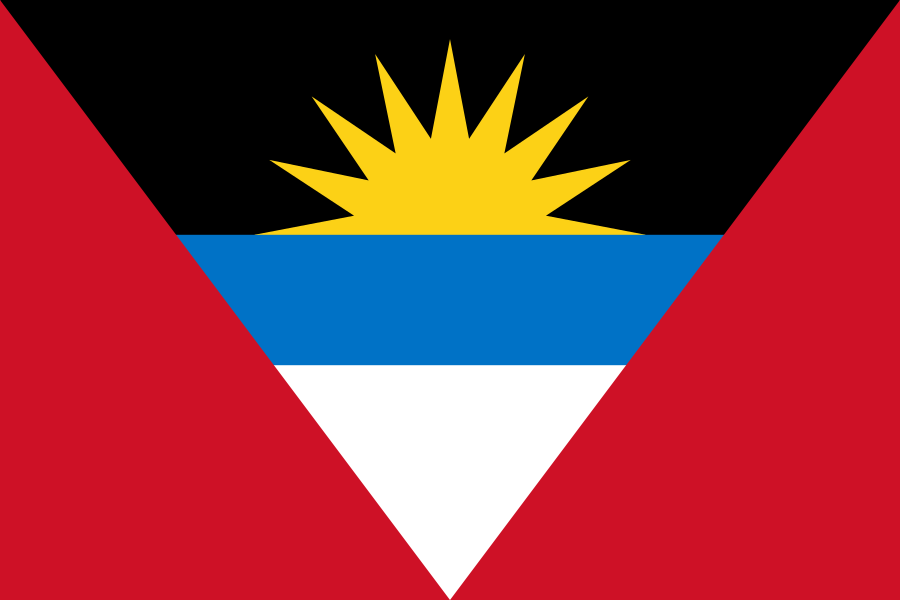
Saint John
· AG

Saint John

Saint John, Antigua and Barbuda

Saint John in Antigua and Barbuda is a captivating destination that offers a perfect blend of historical charm and natural beauty. Located in the heart of the island, Saint John is a vibrant town with a rich cultural her…

#Caribbean#Tropical#Beach#Island#Tourism
1/3

Top hotels & flights

Hand-picked stays and the best fares into Saint John.

Top Hotels in Saint John

Top Flights to Saint John

Popular activities

Tours, tickets and experiences travelers book most in Saint John.

Tours

Historic St. John's

Explore the rich history and architecture of St. John's, the bustling capital of Antigua.

Cultural Walk in Redcliffe Quay

Stroll through the historic former slave compound now transformed into a chic shopping area.

Shopping

Heritage Quay Shopping

A vibrant shopping area offering duty-free shops with a variety of goods.

Local Flavors at the Farmer's Market

Experience local life and taste Antigua's fresh produce at the bustling farmer's market.

Outdoor

Antigua's Sunny Shores

Relax and enjoy water sports at one of the beautiful beaches in Antigua.

Adventures in Nature: Antigua Rainforest

Zip-lining experience through the lush Antigua Rainforest canopy.

Kayaking in the Mangroves

Explore Antigua's unique mangrove ecosystems by kayak.

Location videos

Real reels from travelers, plus longer watches to get the full picture.

From travelers
Watch & explore

Practical info

The essentials for planning your time in Saint John.

Currency
EC$ | XCD | East Caribbean Dollar
Population
The approximate estimated total population of Saint John, Antigua and Barbuda is 'Not Available'.
Languages
English, French

Local guide

What travelers love, what to watch for, and a deeper read on Saint John.

What people love

Certainly! Traveling to Saint John, located in Antigua and Barbuda, offers several pros for visitors:

  1. Beautiful Beaches: Saint John is known for its stunning beaches with crystal-clear waters and white sandy shores. Visitors can enjoy swimming, snorkeling, sunbathing, and various water sports activities.

  2. Rich History: The town of Saint John has a rich history, with historical sites such as the St. John's Cathedral, which dates back to the 17th century. Visitors can explore the colonial architecture and learn about the island's past.

  3. Cultural Experience: Antigua and Barbuda have a vibrant culture influenced by African, British, and Caribbean traditions. Visitors to Saint John can experience local cuisine, music, and art, as well as participate in cultural events and festivals.

  4. Outdoor Activities: The island of Antigua offers a range of outdoor activities such as hiking, zip-lining, and sailing. Visitors can explore the lush landscapes, take boat tours, or hike up to viewpoints for panoramic views of the island.

  5. Relaxation and Wellness: Saint John is a great destination for relaxation and wellness. Visitors can indulge in spa treatments, yoga classes, or simply unwind on the beach with a good book.

Overall, traveling to Saint John in Antigua and Barbuda offers a mix of natural beauty, history, culture, and outdoor activities, making it an attractive destination for travelers seeking a tropical getaway.

What to know

Some potential cons of traveling to Saint John in Antigua and Barbuda could include:

  1. Limited public transportation: Saint John may have limited public transportation options, making it more challenging to get around the area without a rental car.

  2. Limited dining options: Saint John may have fewer dining options compared to larger cities in Antigua and Barbuda, which could limit culinary experiences for travelers.

  3. Limited nightlife: If you are looking for a vibrant nightlife scene, Saint John may not offer as many options as other destinations in Antigua and Barbuda.

  4. Limited shopping opportunities: Saint John may have fewer shopping opportunities compared to larger towns on the island, which could be a drawback for those looking to shop for souvenirs or local goods.

  5. Remote location: Saint John's remote location may make it more difficult to access other parts of the island or to participate in certain activities, potentially limiting the overall travel experience.

  6. Limited tourist infrastructure: Saint John may not have as developed tourist infrastructure as other popular destinations in Antigua and Barbuda, leading to potential challenges with accommodations, services, or amenities.

Please note that these cons are based on general considerations and may vary based on individual preferences and travel expectations. It's always a good idea to research specific details about Saint John before planning your trip.

Saint John, commonly referred to as St. John's, is the capital and largest city of Antigua and Barbuda, a twin-island nation located in the Caribbean. It is situated on the island of Antigua and serves as the primary hub for the country's political, economic, and cultural activities. Here is a detailed history of St. John's, including significant events, historical figures, and important landmarks:

Historical Background

  • Early Settlement and Colonial Period:

    • The island of Antigua was initially inhabited by the Siboney people, followed by the Arawak and Carib tribes.
    • Christopher Columbus is credited with discovering Antigua in 1493 during his second voyage.
    • The English colonized Antigua in 1632, establishing sugar plantations that became the backbone of the island's economy.
    • St. John's was established as the capital shortly after English colonization, with the first settlers arriving in the early 17th century.
  • Development and Economic Growth:

    • The city developed around the sugar industry, with plantations relying heavily on enslaved African labor.
    • Antigua became known for its sugar production, and St. John's emerged as a central commercial hub.
    • In 1842, Antigua's sugar industry faced challenges due to the abolition of slavery, leading to economic shifts.

Significant Events

  • Emancipation and Post-Slavery Era:

    • Slavery was abolished in the British Empire in 1834, and Antigua was one of the first colonies where the transition occurred without apprenticeship.
    • The abolition of slavery led to significant social changes and the development of a free labor market.
  • Independence Movement:

    • Antigua and Barbuda gained full independence from Britain on November 1, 1981, with St. John's as its capital.
    • The city has since been the political and administrative center of the nation.

Important Landmarks

  • St. John's Cathedral:

    • Originally built in 1683 and then rebuilt in 1845 after an earthquake, this Anglican cathedral is a key landmark in the city, known for its baroque architecture and twin towers.
  • Museum of Antigua and Barbuda:

    • Located in the former St. John's Court House, the museum exhibits artifacts related to the island's history, from the indigenous peoples to the colonial and post-colonial periods.
  • Government House:

    • The official residence of the Governor-General of Antigua and Barbuda, Government House is a notable colonial-era building and a symbol of the island's British heritage.
  • Heritage Quay:

    • A popular shopping and cultural area in St. John's, Heritage Quay is known for its duty-free shops, local crafts, and vibrant atmosphere.
  • Redcliffe Quay:

    • This historic area features restored 18th-century buildings that now house shops, restaurants, and galleries.

Historical Figures

  • Sir Vere Cornwall Bird:

    • Often referred to as the "Father of the Nation," Sir Vere Bird was the first Prime Minister of Antigua and Barbuda and played a crucial role in the country's journey to independence.
  • Sir George Walter:

    • Another significant political figure, Walter was the second Premier of Antigua and led the country during the early years of self-government.

St. John's continues to thrive as the cultural and economic heart of Antigua and Barbuda, with its rich history and vibrant present blending into a unique Caribbean experience.