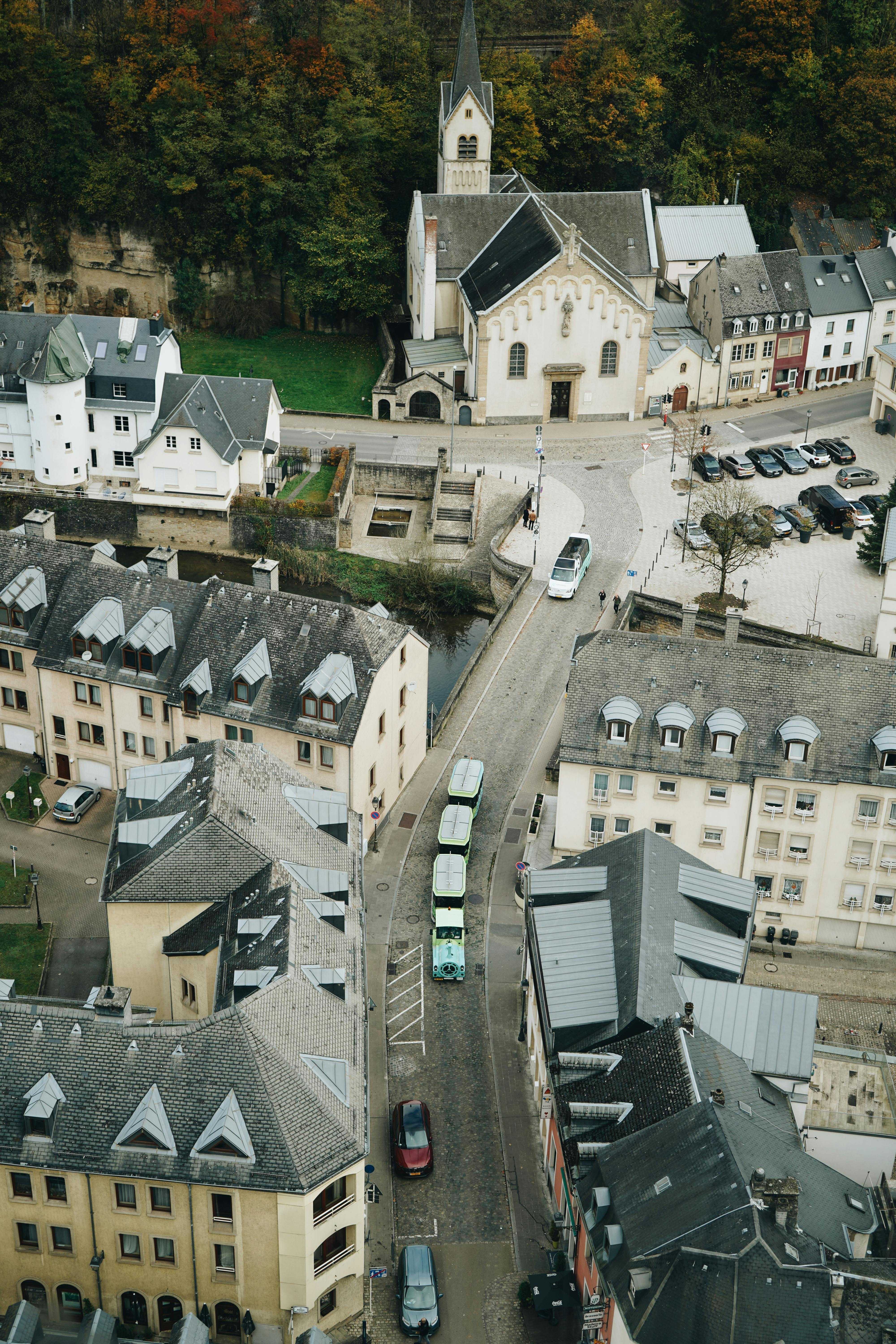

Top hotels & flights
Hand-picked stays and the best fares into Saint-Gilles.
Top Hotels in Saint-Gilles
Top Flights to Saint-Gilles
Location videos
Real reels from travelers, plus longer watches to get the full picture.
Practical info
The essentials for planning your time in Saint-Gilles.


Local guide
What travelers love, what to watch for, and a deeper read on Saint-Gilles.
What people love
Saint-Gilles, located in Occitanie, France, offers several appealing aspects for travelers:
-
Historical significance: Saint-Gilles is known for its impressive Romanesque abbey, the Abbey Church of Saint-Gilles, which is a UNESCO World Heritage Site. The abbey is a stunning example of medieval architecture and a must-visit for history and architecture enthusiasts.
-
Cultural experiences: The town of Saint-Gilles has a rich cultural heritage, with traditional festivals, local markets, and events that provide visitors with an authentic taste of southern French culture.
-
Proximity to attractions: Saint-Gilles is conveniently located near other popular destinations in the region, such as Nîmes, Arles, and the Camargue Natural Regional Park. This makes it a great base for exploring the surrounding area.
-
Culinary delights: Occitanie is known for its delicious cuisine, and Saint-Gilles is no exception. Visitors can enjoy regional specialties such as bull meat dishes, seafood from the nearby Mediterranean coast, and local wines.
-
Natural beauty: The landscape surrounding Saint-Gilles is picturesque, with vineyards, olive groves, and the Camargue wetlands nearby. Nature lovers can enjoy hiking, birdwatching, and other outdoor activities in the area.
Overall, traveling to Saint-Gilles in Occitanie, France, offers a mix of history, culture, cuisine, and natural beauty that is sure to appeal to a wide range of travelers.
What to know
Saint-Gilles, located in Occitanie, France, is a beautiful town with a rich history and cultural heritage. However, like any travel destination, there are some potential cons to consider:
-
Limited accommodation options: Saint-Gilles is a smaller town compared to larger cities in France, so the choices for accommodations may be more limited. It is advisable to book your accommodations in advance to ensure availability.
-
Limited public transportation: Saint-Gilles may have limited public transportation options, which could make it challenging to travel around the town and to nearby attractions without a car. Renting a car or hiring a taxi could be necessary for exploring the area.
-
Language barrier: While many people in the tourism industry in France speak English, you may encounter language barriers in smaller towns like Saint-Gilles. Having some basic knowledge of French or using a translation app can be helpful.
-
Seasonal crowds: Saint-Gilles, like many popular tourist destinations, may experience crowds during peak travel seasons. Visiting during off-peak times or planning your itinerary carefully can help you avoid large crowds.
-
Limited dining options: While Saint-Gilles offers some local French cuisine and dining options, the variety of restaurants and eateries may be limited compared to larger cities. Researching dining options in advance or being open to trying local specialties can enhance your culinary experience.
Overall, Saint-Gilles is a charming town with much to offer visitors, but it's important to consider these potential cons when planning your trip.