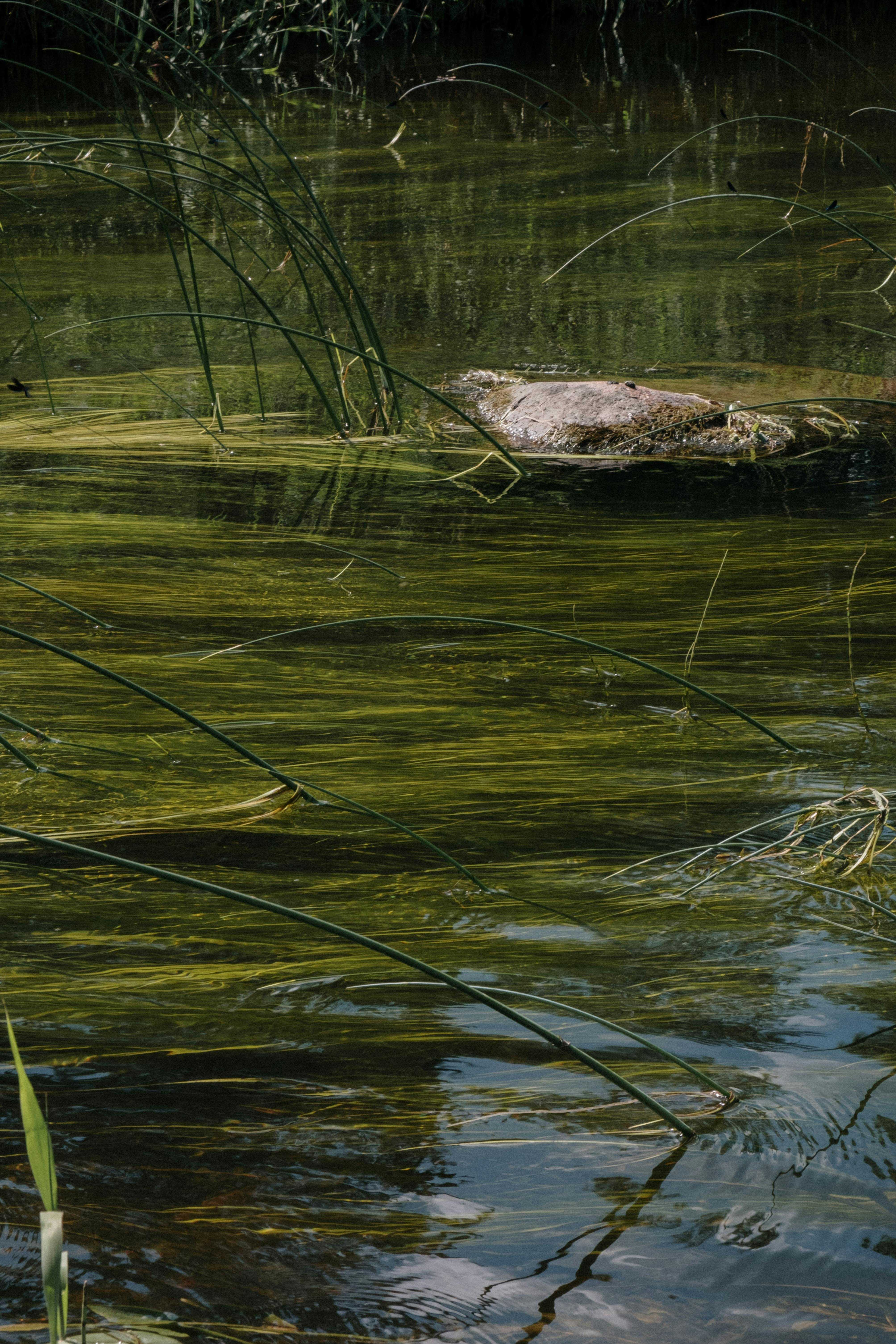

Rush
· IE

Rush

Rush, Fingal, Ireland

Located in the scenic coastal area of Fingal, Ireland, Rush is a charming village that offers a perfect blend of natural beauty, historical sites, and a relaxed atmosphere that makes it a must-visit destination for touri…

#coastal town#Fingal County#Ireland#beach#historic village
1/3

Top hotels & flights

Hand-picked stays and the best fares into Rush.

Top Hotels in Rush

Top Flights to Rush

Location videos

Real reels from travelers, plus longer watches to get the full picture.

From travelers
Watch & explore

Practical info

The essentials for planning your time in Rush.

Currency
€ | EUR | Euro
Population
Information not available.
Languages
English, English
Average weather
Rush
Jan
cold
5°0°
Feb
cold
6°1°
Mar
cloud
9°2°
Apr
cloud
12°4°
May
cloud
15°7°
Jun
sun
18°10°
Jul
sun
20°12°
Aug
sun
20°12°
Sep
cloud
17°10°
Oct
cloud
13°7°
Nov
rain
9°3°
Dec
cold
6°1°

Local guide

What travelers love, what to watch for, and a deeper read on Rush.

What people love

Rush is a charming coastal town located in County Dublin, Ireland. Here are some pros of traveling to Rush:

  1. Scenic Beaches: Rush boasts beautiful sandy beaches such as South Beach and North Beach, providing visitors with stunning views of the Irish Sea. These beaches are ideal for relaxing walks, picnics, or water activities like swimming and surfing.

  2. Historical Sites: The area around Rush is rich in history, with attractions such as the Martello Tower and St. Maur's Church offering insights into the town's past. Visitors interested in history and architecture will enjoy exploring these sites.

  3. Outdoor Activities: Rush is a great destination for outdoor enthusiasts, with opportunities for activities like hiking, cycling, and birdwatching in the surrounding countryside. The nearby Rogerstown Estuary is a designated nature reserve, home to a variety of bird species.

  4. Local Flavors: Visitors to Rush can sample delicious seafood at the town's restaurants and cafes, providing a taste of authentic Irish cuisine. The local pubs also offer a cozy atmosphere to enjoy a pint of Guinness and mingle with the friendly locals.

  5. Tranquil Atmosphere: Rush is known for its peaceful and laid-back vibe, making it an ideal destination for those seeking a relaxing getaway. The town's picturesque setting and friendly community contribute to its tranquil atmosphere.

Overall, Rush offers a combination of natural beauty, historical charm, and outdoor activities, making it a delightful destination for travelers looking to experience the best of coastal Ireland.

Enjoy your trip to Rush!

What to know

Information not available.

Rush, located in Fingal, Ireland, is a coastal town with a rich history that reflects its development over centuries. Here is a detailed history of Rush, including significant events, historical figures, and important landmarks:

Historical Overview

  1. Early History:

    • The area around Rush has been inhabited since ancient times due to its fertile land and proximity to the sea. Evidence of early settlements can be found in the form of archaeological finds.
  2. Medieval Period:

    • During the medieval period, Rush was part of the barony of Balrothery, a division used for administrative purposes. The area was under the control of various Norman families following the Anglo-Norman invasion of Ireland in the 12th century.
  3. 16th to 17th Century:

    • Rush developed as a fishing village, with its economy primarily based on fishing and agriculture. The town was part of the broader Dublin region's economic activities.
  4. 18th to 19th Century:

    • The town continued to grow, with improvements in infrastructure, such as roads and later railways, enhancing connectivity with Dublin and other parts of Ireland.
    • The 19th century saw the establishment of more structured agricultural practices, and Rush became known for its market gardening.
  5. 20th Century:

    • Rush experienced significant changes with urban expansion and the development of housing, particularly in the latter half of the century.
    • The area became a popular location for Dubliners seeking a coastal retreat, which led to a boost in tourism and residential development.

Significant Events

  • Economic Shifts: Over the centuries, Rush transitioned from a primarily agrarian economy to a more diversified one, with tourism and residential expansion playing significant roles in its modern economy.

Historical Figures

  • Specific historical figures associated with Rush are not widely documented. The town's development was largely driven by local families and communities.

Important Landmarks

  1. St. Maur’s Church:

    • This Roman Catholic church is a central landmark in Rush, serving the local community and reflecting the town's religious heritage.
  2. Kenure House:

    • Once a significant estate in Rush, Kenure House was built in the 18th century. Although the house itself is no longer standing, the portico remains, along with some parts of the estate that are used for public recreation.
  3. Rush North Beach and South Beach:

    • These beaches are important natural landmarks, drawing both locals and tourists. They are integral to the town’s identity as a coastal community.
  4. Martello Tower:

    • The Martello Tower in Rush is one of several such towers built along the Irish coast during the 19th century to guard against potential invasions during the Napoleonic Wars.

Modern Developments

  • In recent years, Rush has continued to grow, with new housing developments and improvements in local amenities. The town maintains its charm as a coastal community while adapting to modern needs.

Overall, Rush's history is characterized by its evolution from a small fishing and farming village to a vibrant community with a blend of historical significance and modern living.